Community Victory: White Rock Lake Residents Halt Major Apartment Development
The Dallas City Plan Commission recently convened for what proved to be a pivotal and lengthy meeting, culminating in a significant victory for White Rock Lake-area residents. After hours of intense discussion and passionate testimony, the commission voted against a controversial proposal by Mill Creek for a 305-unit apartment building, a decision that has been widely celebrated as a triumph of community advocacy over unchecked development.
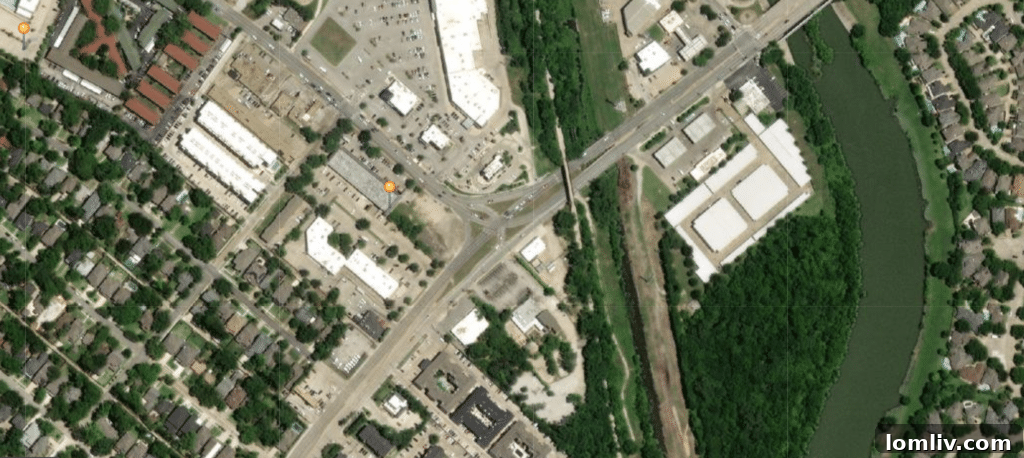
This proposed 80-foot, multi-use project, slated for the parcels of land previously occupied by popular establishments The Lot and Local Traveler, faced substantial opposition despite last-minute endorsements from influential groups like the Garland Road Vision committee and the Friends of the Santa Fe Trail. However, the resounding voice of the local community ultimately swayed the commission, underscoring the power of organized citizen engagement in shaping Dallas’s urban landscape.
City Plan Commission meetings are often characterized by their extensive duration, and this particular public hearing was no exception. The proposal for “The Trailhead,” as the apartment building was to be named, due to its proximity to the start of the Santa Fe Trail just off White Rock Creek, generated considerable debate. The project, intended to bring significant residential density to the area, instead ignited a widespread campaign of opposition, mobilizing hundreds of residents who felt their concerns were being overlooked.
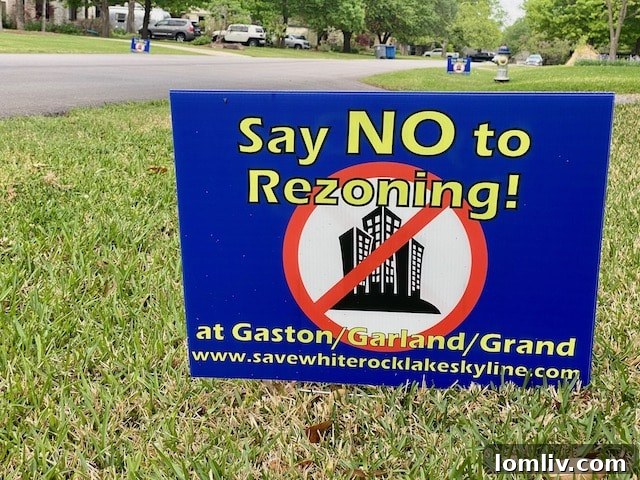
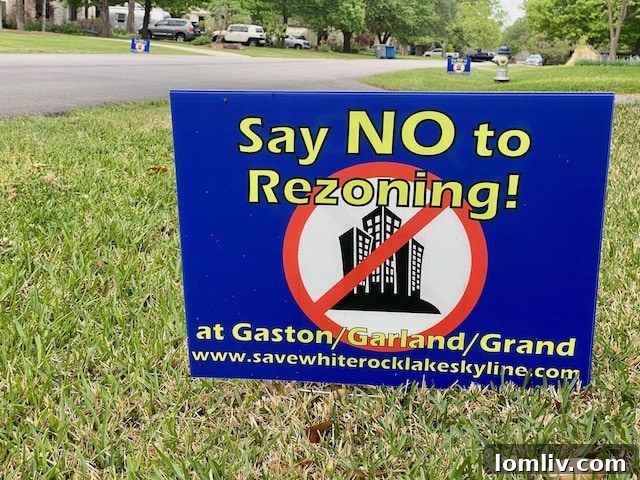
Residents swiftly organized a robust campaign against the proposed rezoning of the site, which included visible tactics such as distributing distinctive yard signs emblazoned with their message. This grassroots effort effectively amplified their concerns, ensuring that the commission was fully aware of the depth of local sentiment.
Key Objections: Preserving Views, Environment, and Traffic Flow
The core of the community’s objections to The Trailhead development revolved around three critical issues, each deeply rooted in the unique character and challenges of the White Rock Lake vicinity. These concerns highlighted the potential negative impacts on the area’s natural beauty, ecological health, and existing infrastructure.
1. Preservation of White Rock Lake Views and Skyline
A primary concern for residents was the proposed 80-foot height of the apartment building. White Rock Lake is a cherished natural oasis within the bustling city of Dallas, offering serene views and recreational opportunities. The community argued that an 80-foot structure would be an unwelcome imposition on the lake’s picturesque viewshed and the area’s established aesthetic. This argument resonated deeply with those who value the unobstructed access to nature and the sense of open space that the lake provides. The phrase “Save the White Rock Lake Skyline” became a rallying cry, emphasizing the community’s commitment to protecting the visual integrity of their beloved landmark.
2. Environmental Impact on White Rock Creek and Surrounding Ecosystems
Another significant point of contention was the extensive lot coverage proposed for the development. Residents expressed serious concerns that the increased impervious surfaces could pose substantial challenges for White Rock Creek, a vital waterway. Greater lot coverage can lead to increased stormwater runoff, potentially exacerbating erosion, contributing to localized flooding, and negatively impacting water quality. The delicate ecosystem supported by White Rock Creek and the surrounding green spaces is a precious resource, and locals feared that such a large-scale development would strain the existing natural drainage systems and infrastructure, potentially causing irreversible environmental damage.
3. Alleviating Existing Traffic Congestion at a Critical Intersection
Perhaps the most immediate and tangible concern for many residents was the exacerbation of an already problematic intersection. The proposed building site lies directly opposite the confluence of Garland Road, Gaston Avenue, and East Grand Avenue—an area notorious for its near-constant traffic issues. Introducing a 305-unit apartment complex, with its associated increase in vehicle movements, would inevitably intensify congestion, prolong commute times, and heighten safety risks for both motorists and pedestrians. Residents argued that the area’s infrastructure is already struggling to cope with current traffic volumes, and adding hundreds of new residents without significant, concurrent infrastructure improvements would be irresponsible and unsustainable.
Grassroots Mobilization: The “Save the White Rock Lake Skyline” Campaign
The unified front against the Mill Creek development was largely orchestrated by dedicated neighborhood activists. Ted Barker, a vocal defender of White Rock Lake, and Leslie Hearn, a dynamic community organizer, spearheaded the coordinated efforts to inform and mobilize nearby residents. Barker, known for his passionate advocacy, stated, “When Leslie Hearn first alerted me about the planned development at the old Lot site, I groaned.” This sentiment underscored the immediate concern felt by many long-time residents.
Leslie Hearn, in particular, utilized social media extensively, posting across various community pages and groups to raise awareness, disseminate information, and galvanize support. Her efforts proved incredibly effective, transforming local apprehension into widespread, organized opposition. The campaign, aptly named “Save the White Rock Lake Skyline,” quickly gained momentum, demonstrating the profound impact of grassroots activism in local urban planning decisions.
The success of their campaign was evident in the sheer volume of public participation. Over 700 individuals signed a petition opposing the development, and more than 250 households prominently displayed the campaign’s distinctive blue yard signs. This visible demonstration of community sentiment ensured that the issue was impossible to ignore for elected and appointed officials.
The Dallas City Plan Commission’s Decision and the Road Ahead
The Dallas City Plan Commission’s role is to review zoning and development proposals and make recommendations to the City Council. During the marathon hearing, the commissioners listened attentively to hours of public testimony, weighed the arguments, and ultimately sided with the community.
“Those involved in Save the White Rock Lake Skyline are extremely pleased with the Dallas City Planning Commission vote to deny, without prejudice, the rezoning request for the properties where The Lot and Local Traveler were located. Nine of the commissioners agreed with the more 700 people who signed the petition and contacted their elected and appointed officials. Not to mention the more than 250 that have those awesome blue signs in their yards. In his statement last night, Commissioner Jung noted in his remarks that his inbox had more than twice as many emails opposing the projects than supporting it. And while the obvious things like height, density, lack of compatibility with the neighborhood, and impact on traffic were key to the vote to deny, so was the public sentiment. We are aware the developer can appeal to the City Council so we will continue to remain vigilant as the process continues.”
This powerful statement from Leslie Hearn, reflecting the collective joy and cautious optimism of the “Save the White Rock Lake Skyline” campaign, encapsulates the significance of the commission’s vote. Commissioner Jung’s observation about receiving more than double the emails opposing the project compared to those supporting it underscored the overwhelming public sentiment against the development. The commission’s decision to deny the rezoning request “without prejudice” means that while the current proposal was rejected, the developer retains the option to submit a revised plan or appeal directly to the Dallas City Council.
Despite the celebratory outcome at the Plan Commission, community leaders recognize that the battle is not over. As Ted Barker cautioned, “I am very pleased with the outcome of the Planning Commission hearing. However, the next hurdle is the City Council. The council does not always follow their appointed commission members.” This sentiment highlights the inherent political complexities of urban development. The City Council, as the ultimate decision-making body, faces various pressures, and an appeal from Mill Creek would necessitate another round of intense advocacy from the community.
Broader Implications: Balancing Growth and Community Character in Dallas
The controversy surrounding The Trailhead development is indicative of a broader tension in fast-growing urban centers like Dallas: how to accommodate increasing housing needs and promote urban density while simultaneously preserving neighborhood character, environmental integrity, and quality of life for existing residents. This case serves as a powerful reminder that community input is not merely a procedural step but a vital component of sustainable urban planning.
The successful mobilization of White Rock Lake residents demonstrates that when communities are informed, organized, and persistent, they can significantly influence development outcomes. It underscores the critical importance of public engagement in the democratic process of city planning. The ongoing vigilance of the “Save the White Rock Lake Skyline” campaign will be crucial as the process potentially moves to the City Council, ensuring that the voice of the community continues to be heard loud and clear.
As Dallas continues to expand, the dialogue between developers, city planners, and residents will remain a cornerstone of its evolution. The White Rock Lake community’s recent victory sets a precedent for how informed and active citizenship can protect cherished local assets and guide responsible development for the benefit of all.