

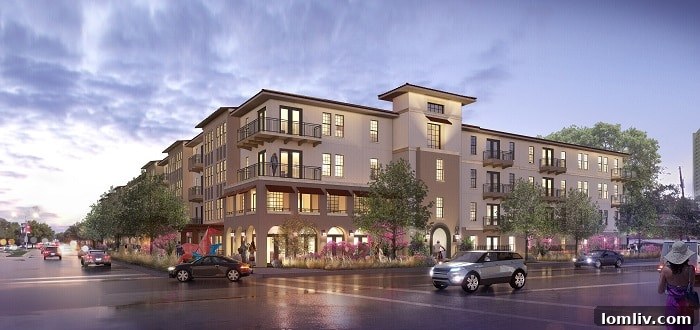
Transwestern Project Approved: A Landmark Decision for Dallas Urban Development
In a surprisingly swift and decisive session at Dallas City Hall, the Transwestern development planned for the vital northeast corner of Northwest Highway and Preston Road received overwhelming approval from the City Council. This pivotal decision, passed by every council member save one, Phillip Kingston, marks a significant moment for Dallas’s ongoing urban evolution and real estate landscape. While some observers speculated on the brevity of the discussion, possibly overshadowed by recent debates over minimum wages for city contract workers, the outcome was clear: this crucial project is moving forward, symbolizing a broader commitment to enhancing Dallas’s urban core.
The lone dissenting voice from Council Member Kingston mirrored an earlier opposition during the Planning Commission’s September review, where his appointee, Dallas Plan Commissioner Paul Ridley, also stood alone against the proposal. This consistent stance highlights a particular viewpoint on urban planning and development, even as the broader consensus within city governance, and indeed among the local community, strongly favors the project’s realization. The rapid finalization underscores a prevalent sentiment that, despite minor points of contention, the time for strategic urban development has arrived in Dallas. The approval paves the way for construction to begin as early as 2016, promising new residential and commercial vitality to a key intersection.
Navigating Community Debates: Addressing Traffic, Density, and Growth Concerns
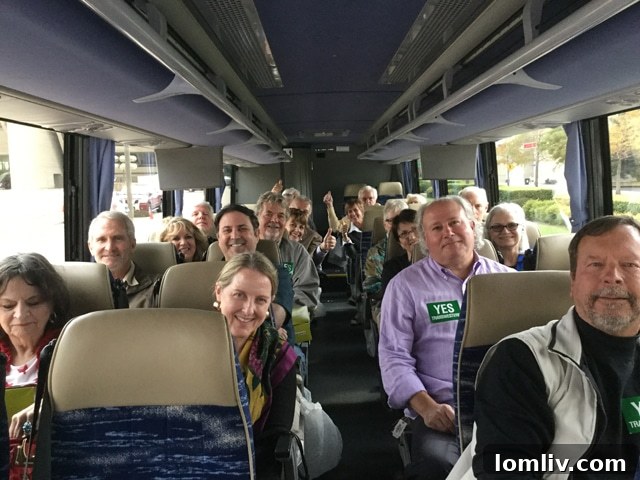
The City Council chambers were a vivid scene, reflecting the diverse perspectives often present in major urban development decisions. A busload of enthusiastic supporters filled the seats, providing a visible testament to community endorsement for the Transwestern project. In contrast, the opposition consisted of a mere three individuals – familiar figures who had previously voiced concerns about similar developments. Their arguments, echoing long-standing refrains, centered on predictable issues: potential increases in traffic congestion, concerns about urban density, and an underlying apprehension towards significant change, often interpreted as a desire for stagnation in a rapidly growing metropolis like Dallas.
These common arguments against urban growth often raise legitimate questions regarding infrastructure and quality of life. However, in the context of Dallas’s continuous expansion and the imperative for urban renewal, these claims frequently face scrutiny from urban planning experts and a forward-thinking populace. The final approved version of the Transwestern project involved only a minor modification – the addition of a single story to a specific section of the development. This minimal adjustment suggests that the core vision of the project aligned closely with the city’s strategic objectives and community needs, requiring little extensive deliberation from the City Council. The overwhelming support from the public and city officials underscores a collective understanding that thoughtful development is crucial for Dallas’s future.
The Imperative for Residential Construction: Dallas’s Role in a National Housing Challenge
The approval of projects like Transwestern cannot be viewed in isolation; it is a critical component of a much larger narrative unfolding across the United States and indeed, globally. Many major cities are grappling with a severe shortfall in residential construction, a lingering consequence of the global recession. For nearly a decade, the economic downturn stifled building activities, leaving municipalities scrambling to meet the housing demands of a growing and evolving population. People continued to age, form new households, and seek independent living arrangements, even as the world’s financial markets were brought to their knees. This created a significant backlog that continues to challenge urban planners, real estate developers, and city governments today.
Recent reports from diverse urban centers underscore the magnitude of this housing crisis. For instance, in London, discussions have highlighted the staggering need for 320,000 housing units to be built annually just to recover from the recession’s impact, yet only around 115,000 units are currently being completed each year. Similarly, the tiny state of Hawaii recently announced a projected need for an additional 17,000 rental dwellings beyond those already planned before 2020. Dallas, a rapidly expanding metropolitan hub and a magnet for corporate relocation and population growth, is certainly no exception to this trend. The city experiences continuous influx, driven by economic opportunities and a vibrant lifestyle, necessitating a proactive and aggressive approach to housing supply. Without sustained and responsible development, Dallas risks exacerbating affordability issues, contributing to sprawl, and hindering its overall economic competitiveness and quality of life.
Embracing Urban Density: The Smart Growth Paradigm for Dallas’s Future
While a single project like Transwestern may not entirely solve Dallas’s pressing housing needs, it represents a crucial step in the right direction for sustainable urban development. As the adage goes, “every little bit helps,” and in the context of urban planning, these individual developments contribute significantly to a broader strategy of smart growth. The question then becomes: where is the most appropriate place to increase urban density? The answer, consistently articulated by urban planning experts and proponents of sustainable cities, points to locations that are already equipped with essential infrastructure and possess a degree of existing density. This approach aligns perfectly with the site chosen for the Transwestern project, strategically located at a prominent intersection.
In an ideal urban model, sprawling cities like Dallas would implement robust strategies to curb outward expansion into unsustainable exurban developments, which often lead to longer commutes, increased carbon emissions, and higher infrastructure costs. Instead, the focus should pivot towards enhancing density within more centralized city areas. This “smart growth” strategy is widely recognized as the most prudent move for long-term urban viability. It minimizes commute times, reduces environmental footprints, optimizes public services such as transit and utilities, and fosters vibrant, walkable, mixed-use communities. Unfortunately, while the benefits are overwhelmingly clear to urban planners, some individuals and groups struggle to grasp this concept fully, often favoring a static, low-density environment, or agreeing with the principle only when it’s located “anywhere but nearby.” Overcoming this “Not In My Backyard” (NIMBY) mentality is essential for a truly progressive city.
Overwhelming Community Endorsement for Growth and Redevelopment
Despite pockets of resistance, the broader Dallas community has shown remarkable foresight and support for intelligent urban development. The City of Dallas undertook a comprehensive outreach effort, sending surveys to homeowners residing within 500 feet of the proposed Transwestern development site. The results were unequivocally in favor of the project: out of 242 surveys distributed, 165 were returned, and an astonishing 96 percent expressed support, with only seven dissents. This robust backing from directly affected residents speaks volumes about the community’s readiness for progressive change and their understanding of the need for new housing options.
Further reinforcing this sentiment, Councilman Lee Kleinman, who was covering for the recused Jennifer Staubach Gates, independently tabulated emails and other communications sent to his office regarding the project. His findings mirrored the survey results, confirming an overwhelming majority in favor of the Transwestern development. This groundswell of local support provides a powerful mandate for the city to pursue projects that enhance density, contribute to a more dynamic urban fabric, and provide much-needed housing and commercial spaces for its growing population. It reflects a shift in mindset, where residents increasingly recognize the benefits of thoughtful, well-planned development.
Preston Center’s Future: Walkability and Livability Through Strategic Density
The conversation around the Transwestern project naturally extends to broader initiatives aimed at enhancing Dallas’s urban core, such as the visionary plans for Preston Center. I’ve previously reported on the Preston Center Task Force neighborhood meetings, which generated a wealth of innovative ideas centered on creating a more walkable and livable Preston Center. The fundamental truth, however, is that such aspirations for vibrant, pedestrian-friendly urban environments can only achieve true success and long-term sustainability if they are underpinned by sufficient population density to support them effectively.
Density is not merely about stacking more buildings; it’s about creating a critical mass of residents and businesses that can sustain and thrive. This critical mass is what allows for the economic viability of local shops, diverse restaurants, efficient public transit options, and a rich array of cultural amenities. Without this concentrated activity, the dream of a truly walkable, engaging, and economically vibrant urban district remains largely aspirational, with services struggling to survive. While I confess to a degree of skepticism about some aspects of the overall Preston Center Task Force data, the underlying principle that increased density is paramount for achieving its stated goals remains indisputable. The Transwestern project, by adding residential and potentially mixed-use components, directly contributes to this vision, laying groundwork for a more dynamic Preston Center.
Responsible Redevelopment: Balancing Progress with Architectural Heritage
Following the City Council session, as the bus ferrying supporters departed, I had the opportunity to speak briefly with a resident of The Diplomat, another property along the famed “Pink Wall” that has been a subject of my writing. This individual and their neighbors had previously explored selling their property for redevelopment, illustrating a proactive approach to urban renewal from within the community itself. During our conversation, I candidly expressed my support for the responsible redevelopment of their parcel, provided it was executed thoughtfully, sustainably, and with an eye towards enhancing the overall urban environment. She wholeheartedly agreed, emphasizing that responsible redevelopment was precisely what they desired, seeking a balance between modernization and community benefit.
This dialogue highlights a critical and often delicate balance in urban development: the undeniable need for progress and modernization intertwined with a profound respect for existing character and architectural heritage. My only personal lament in such scenarios often centers on the potential loss of architecturally significant structures. The Diplomat, for instance, stands out to me as one of the few buildings in that area that truly possesses architectural interest and authentically represents its era’s design ethos. Similarly, the iconic Imperial House holds a special place in Dallas’s architectural memory, embodying a distinct period of the city’s growth. The enduring challenge for future developments lies in finding innovative ways to integrate modern needs and designs with the preservation of our city’s unique architectural heritage, ensuring that growth enriches rather than erases the past, creating a more layered and historically resonant urban landscape.
Dallas’s Path Forward: Embracing a Dynamic and Sustainable Urban Future
The approval of the Transwestern project is more than just a single development; it’s a clear signal of Dallas’s commitment to addressing its urban challenges through progressive planning and a strategic willingness to embrace increased density. As the city continues its rapid trajectory of attracting new residents and businesses, the imperative for strategic residential and mixed-use developments becomes increasingly urgent. This project, situated at a key intersection like Northwest Highway and Preston Road, exemplifies the kind of thoughtful infill development that minimizes outward sprawl, maximizes the efficiency of existing infrastructure, and creates vibrant community hubs.
Dallas stands at a fascinating juncture in its urban history. The debates around projects like Transwestern—balancing the legitimate concerns of existing residents with the undeniable needs of a growing metropolis—are indicative of a city grappling with its own success and planning for its future. By fostering environments that encourage walkability, support local businesses, and provide diverse housing options, Dallas can continue to evolve into a vibrant, sustainable, and economically robust urban center that meets the demands of its expanding population. The journey towards a fully realized smart growth city is ongoing, and each approved project contributes another crucial piece to this evolving mosaic of metropolitan development, solidifying Dallas’s position as a leading urban landscape in the 21st century.