As the vibrant hues of summer begin to fade and cooler temperatures hint at the arrival of autumn, many pool owners start contemplating the inevitable task of closing their pools for the season. While traditional wisdom might suggest a strict post-Labor Day shutdown, the reality often dictates a more flexible approach, especially in regions where warm weather lingers. However, regardless of when you decide to transition your pool from active use to seasonal hibernation, thorough maintenance and inspection are paramount. Neglecting crucial checks before closing can lead to costly repairs and headaches come spring.
This comprehensive guide delves into common issues identified by professional inspectors during routine pool checks. Our aim is to equip homeowners with essential knowledge and practical tips to ensure their pools are not only safe during the off-season but also ready for a seamless reopening. From electrical hazards to hidden leaks, understanding these critical areas will help you safeguard your investment and enjoy stress-free pool ownership.
Prioritizing Pool Safety: Unprotected Wires
One of the most critical aspects of pool maintenance involves ensuring the integrity of your pool’s electrical system. Water and electricity are a dangerous combination, and even minor vulnerabilities can pose significant risks. Our inspectors frequently uncover issues related to unprotected wiring, which can compromise both safety and the longevity of your pool equipment.
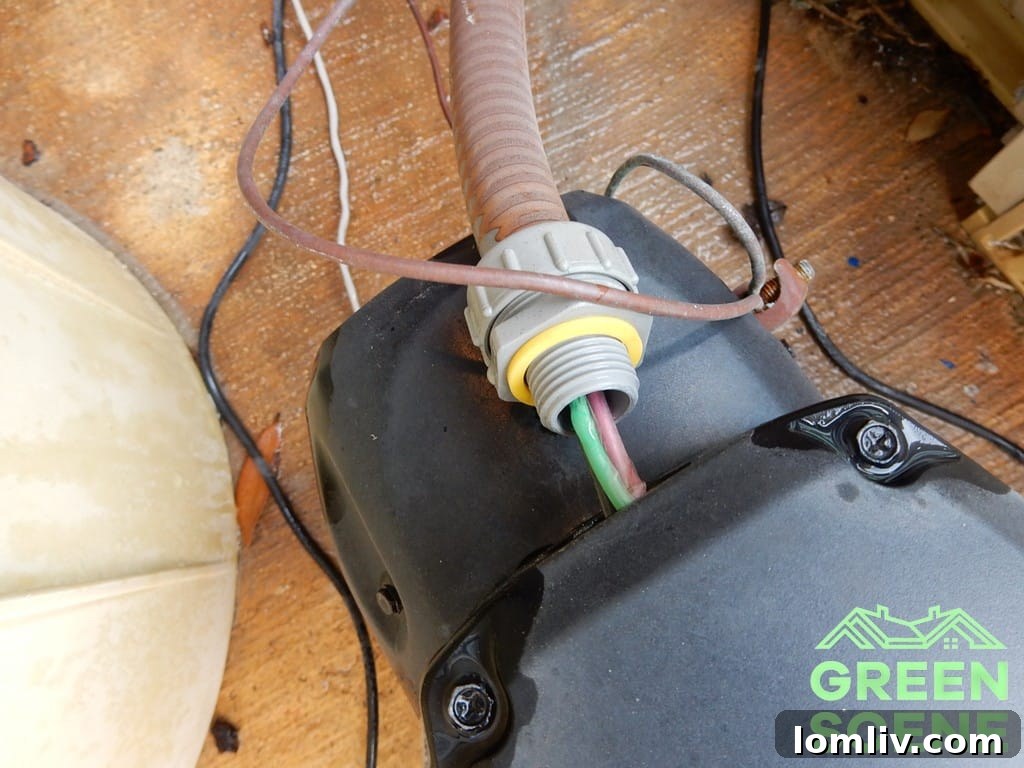
Consider the image above, where a crucial threaded fitting has come unscrewed. This seemingly minor oversight leaves electrical wires exposed to the elements. Unprotected wires are susceptible to moisture intrusion, which can lead to short circuits, equipment malfunction, or even dangerous electrical shocks. Furthermore, pests like rodents are notorious for gnawing on exposed wiring, causing further damage and potential fire hazards. Dirt and debris can also infiltrate the delicate internal components of your pool equipment, accelerating wear and tear. The good news is that this particular issue is often an easy fix: simply re-threading and tightening the fitting can restore safety and protection.
However, not all wiring issues are as straightforward. In other cases, the conduit – the protective tubing encasing electrical wires – may become loose, cracked, or entirely broken off. This situation is particularly common with older pool systems, where years of exposure to sun, chemicals, and temperature fluctuations can degrade materials. When conduit fails, it leaves a larger section of wiring exposed, increasing the risk exponentially. If your equipment shows signs of a compromised conduit, a simple re-tightening may not suffice. It likely indicates the need for professional assessment, replacement of damaged sections, and proper resealing to prevent further deterioration and ensure long-term safety.
Essential Protection: Addressing Missing Electrical Covers
Beyond the primary conduit, numerous other covers and guards are designed to protect you from electrical hazards around your pool. These components, while often overlooked, play a vital role in maintaining a safe environment. Professional inspectors regularly identify missing or damaged covers on outdoor outlets and control boxes, highlighting a common but easily rectifiable safety concern.
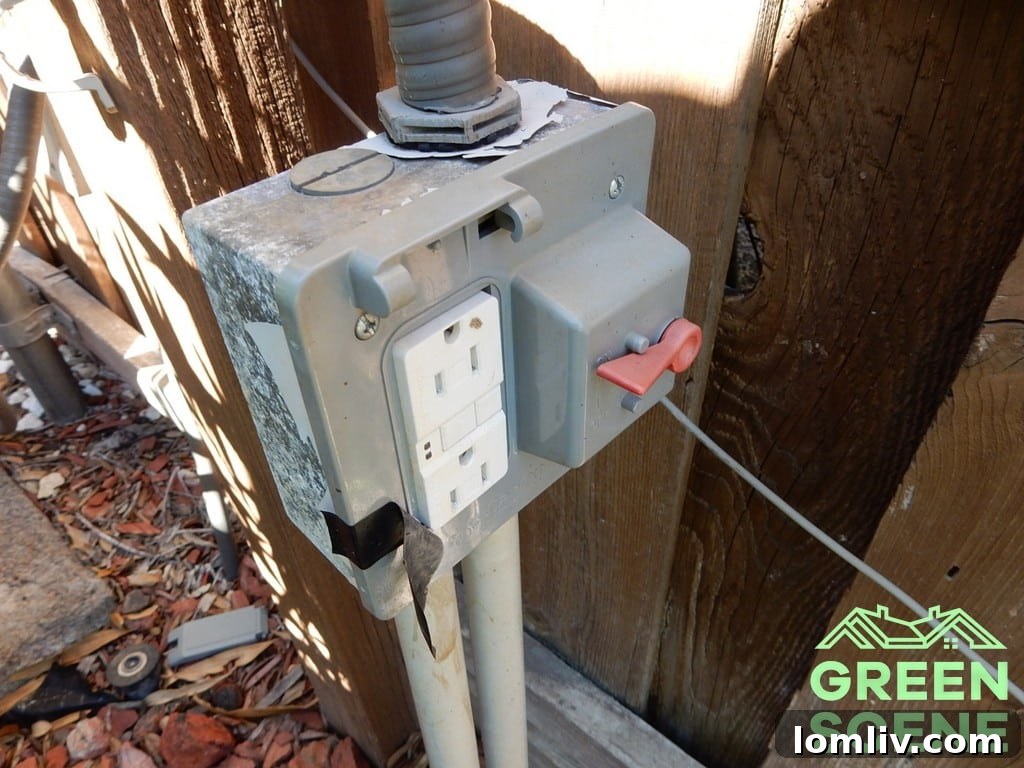
Outdoor outlets, particularly those near a pool, are legally required to have weatherproof covers. These covers shield the electrical receptacles from rain, splashing water, and humidity, preventing water from reaching live circuits. They are designed to withstand outdoor conditions, but over time, they can become brittle, crack, or break off entirely due to UV exposure or physical impact. The danger is clear: water contacting an uncovered live outlet can cause electrical shocks or equipment damage. Fortunately, replacing a missing or broken weatherproof cover is typically a quick and inexpensive DIY task, restoring a crucial layer of safety to your pool area.
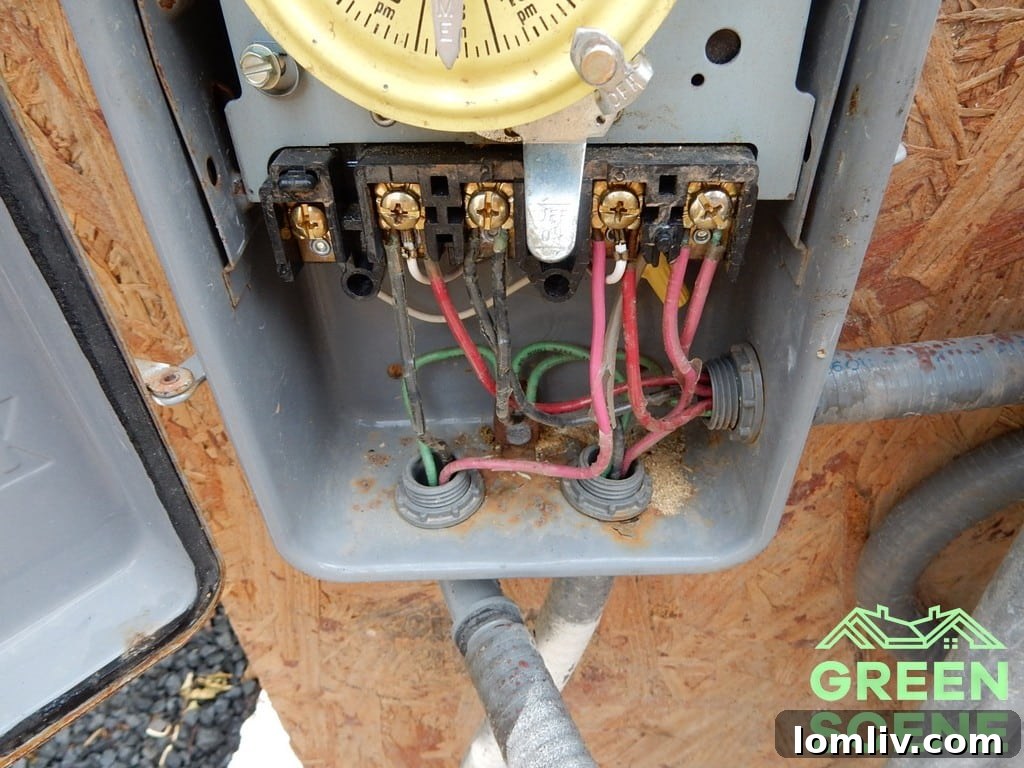
A more urgent concern arises when the shock guard cover is missing from a pool timer control box. These covers are specifically designed to prevent accidental contact with energized components within the box. They are a critical safety feature, often protecting the internal wiring of devices like pool pumps and heaters, which can carry significant electrical currents. Like outdoor outlet covers, shock guards can become loose or pop off over time. However, the consequences of their absence are far more severe. Direct contact with exposed wires inside a timer control box can result in a severe, potentially fatal, electrical shock. If you notice your pool timer control box looks like the one pictured, with its internal components visible, immediate action is required. Replace the shock guard cover without delay, or contact a qualified electrician to ensure the system is safely enclosed.
Detecting and Addressing Pool Leaks
One of the most insidious problems a pool owner can face is a leak. Undetected leaks can lead to significant water loss, escalating utility bills, and potentially severe damage to your pool’s structure and surrounding property. Identifying and repairing any leaks before closing your pool for the season is a highly recommended practice, as leaving a leak unchecked can exacerbate issues, especially in colder climates.
Signs You Might Have a Pool Leak:
Being vigilant about changes in your pool and its surroundings can help you catch leaks early. Here are some common indicators:
- Higher than Normal Water Bills: A sudden and unexplained spike in your water usage could point to a leak, especially if you’re frequently refilling your pool.
- Significant Change in Water Level Beyond Normal Evaporation: All pools lose some water to evaporation, splash-out, and backwashing. However, if your pool’s water level is dropping more than a quarter-inch per day, or several inches over a week, you likely have a leak. A simple bucket test can help differentiate between evaporation and a leak.
- Unexplained Wet Spots in the Yard or Around Pool Equipment: Puddles, soggy areas in your lawn, or lush patches of grass near the pool or its plumbing lines can indicate an underground leak.
- Water Around Pool Equipment: Visible puddles or persistent dampness directly around your pump, filter, heater, or other plumbing components are a clear sign of a leak in that specific area.
- Algae or Dirt in the Pool Despite Regular Cleaning: While not a direct sign of a leak, constant refilling with fresh, un-chlorinated water can dilute your pool chemicals, making it harder to maintain proper sanitation and leading to algae blooms or dirt accumulation.
Common Leak Scenarios and Solutions:
Leaks can originate from various points in your pool system, from the main structure to the complex network of plumbing. Understanding common sources can guide your investigation.
In this video from our inspectors, you’ll observe a severe leak originating from the pool pump itself. This type of incident often occurs when the pool filter’s pressure gauge reads consistently high (above 25 psi) due to a clogged filter or a restriction in the return lines. Prolonged excessive pressure can strain the entire system, potentially causing seals to fail or even leading to a catastrophic filter burst. A normal operating pressure for most pool filters is between 10-25 psi. Regularly checking your pressure gauge and performing routine filter cleaning or backwashing is crucial to prevent such failures.
@greenscenehome If you let the pressure get too high, your pool filter can burst, & you’ll have to replace it. #homeinspectionfinds #askahomeinspector#poolinspection
♬ original sound – Green Scene Home Inspections
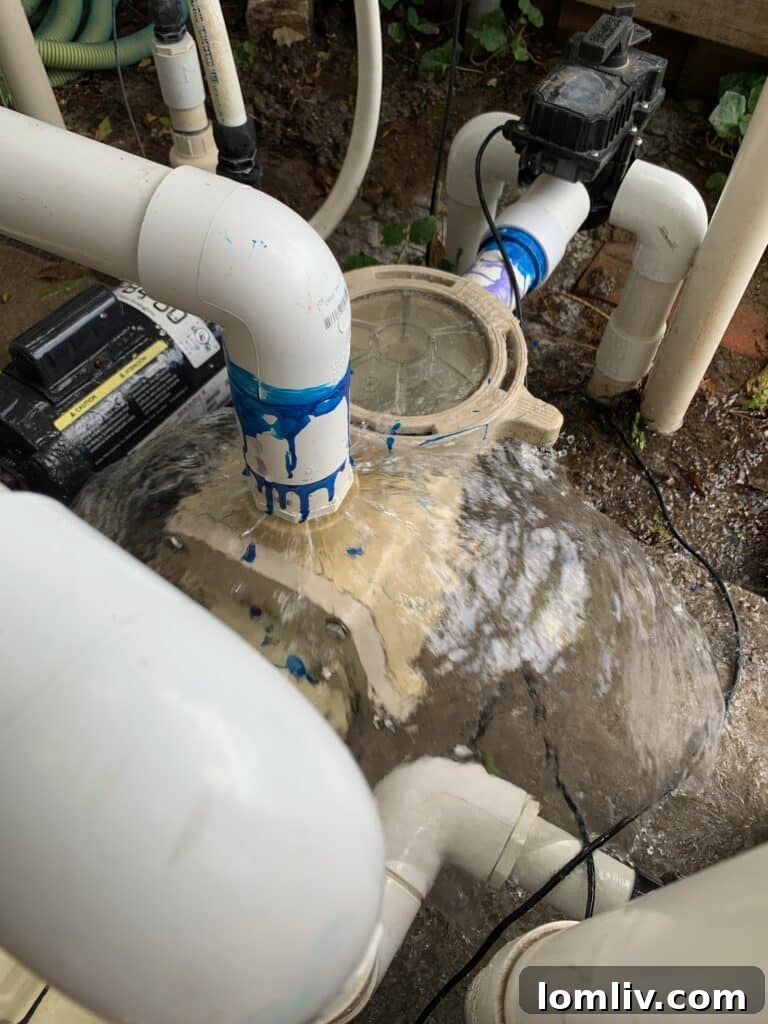
Another common source of leaks, as depicted in the following image, involves improperly repaired or installed PVC piping. Here, a recent repair job led to stripped threads on a connecting PVC pipe, creating an immediate and noticeable leak. Poor workmanship, improper tools, or inadequate sealing during installation can all contribute to such failures. PVC pipes and fittings are durable but require precise handling and proper sealing techniques to ensure a watertight connection. A leak in this area often requires disassembling the faulty connection, replacing the damaged components, and reassembling with correct threading and sealant.
Why Addressing Leaks Before Winter is Crucial:
Ignoring a leak before winterizing your pool can have severe consequences, especially in regions prone to freezing temperatures. Water expands when it freezes, and even a small amount of trapped water in a leaking pipe or crack can exert immense pressure, leading to extensive damage. A minor leak can transform into a burst pipe or a structural crack, resulting in far more expensive repairs than if the issue were addressed proactively. Furthermore, a leaky pool can drain itself completely over the winter, potentially damaging the pool’s finish or even causing the shell to float if groundwater pressure is high.
Comprehensive Pool Care: Beyond the Basics
While addressing wiring issues and leaks are paramount, a holistic approach to pool maintenance ensures year-round safety and longevity. As you prepare to close your pool, consider these additional aspects of pool health:
Filter System Health: Your Pool’s Lungs
The filter system is the heart of your pool’s cleanliness. Ensure your filter is thoroughly cleaned or backwashed before closing. If you use a cartridge filter, clean or replace cartridges as needed. A clean filter enhances water quality and reduces strain on your pump. Keep an eye on the pressure gauge; consistent readings outside the normal 10-25 psi range (even after cleaning) can indicate issues with the filter media, pump, or plumbing that need attention.
Maintaining Water Chemistry (Even When Closed)
Even if you’re closing your pool, proper water chemistry is essential for preventing algae growth and protecting pool surfaces. Balance your pH, alkalinity, and calcium hardness, and add a winterizing chemical kit specifically designed for your pool type. This helps prevent staining, scaling, and the growth of unsightly green or black algae during the off-season, making spring opening much easier.
The Importance of a Robust Pool Cover
A well-fitted and durable pool cover is an investment that pays dividends. It not only keeps debris out of your pool, reducing cleaning efforts, but also acts as a safety barrier for children and pets. For winter, a solid or mesh winter cover protects the pool from harsh weather conditions. Ensure it is properly secured to withstand winds and snow loads.
General Equipment Inspection
Before shutting everything down, take a moment to inspect other key components:
- Skimmer and Pump Baskets: Clean out all debris.
- Heater: If you have a heater, ensure it’s drained and properly shut down according to manufacturer instructions to prevent freeze damage.
- Valves and Drains: Confirm all valves are in their correct positions for winterization, and drains are clear.
The Value of Professional Pool Service
While many minor issues can be addressed by a diligent homeowner, the best course of action for significant repairs or a comprehensive pre-winter inspection is to engage a professional pool service. Their expertise can identify hidden problems, perform complex repairs safely, and ensure your pool is properly winterized according to local climate conditions.
As we’ve previously highlighted, extreme weather events, such as severe freezes, can wreak havoc on an unprepared pool. Investing in professional servicing now can prevent disastrous and costly damage later. Imagine the peace of mind next Memorial Day weekend, knowing that your pool is not only intact but sparkling clean and ready for a refreshing dip without unexpected repairs.
Whether you strictly adhere to the traditional swimming season or, like a true rebel, sneak in a swim before Memorial Day, proactive pool maintenance is your key to uninterrupted enjoyment and safety. Don’t let neglect turn your backyard oasis into an unforeseen burden.