In an increasingly virtual world, your on-camera presence has become a critical extension of your personal and professional brand. Yet, for many, the thought of appearing on video, whether for a client presentation, a team meeting, or a social media update, elicits a collective groan. You’re not alone if you’ve cringed at your reflection during a Zoom call or felt frustrated by the quality of your video content. The sudden, widespread shift to at-home video conferencing and content creation has left many feeling adrift in a sea of poor lighting, awkward angles, and distracting backgrounds. But what if transforming your video presence was simpler than you thought? What if a few expert insights could elevate your digital interactions from merely functional to genuinely impactful?
Last month, we explored basic technology, noting the widespread reliance on platforms like FaceTime and Zoom. While these tools offer incredible connectivity, they often highlight our perceived flaws rather than our strengths. The good news is that looking “darned bad” on video isn’t a personal failing; it’s simply a lack of insider knowledge. And that’s precisely what we’re here to fix. We’ve gathered invaluable advice from leading experts in photography and videography to help you master your on-screen appearance, ensuring you not only look great but also project confidence and professionalism in every frame.
Unlock Your Best Self On-Camera with Vonda K Portraits
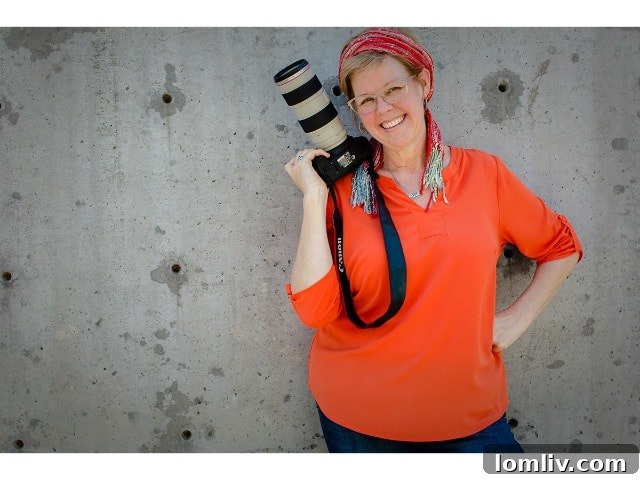
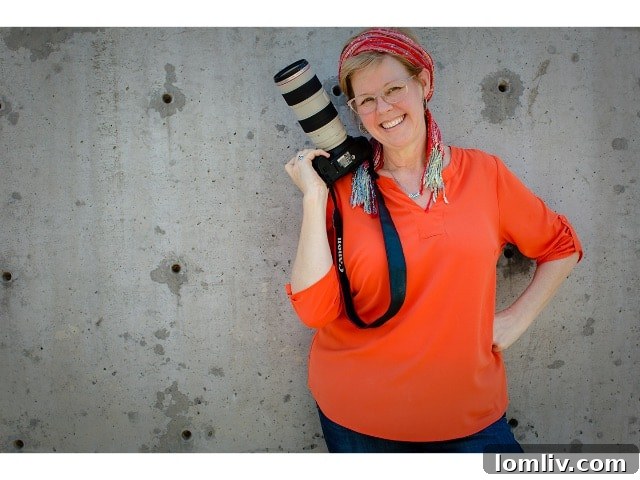
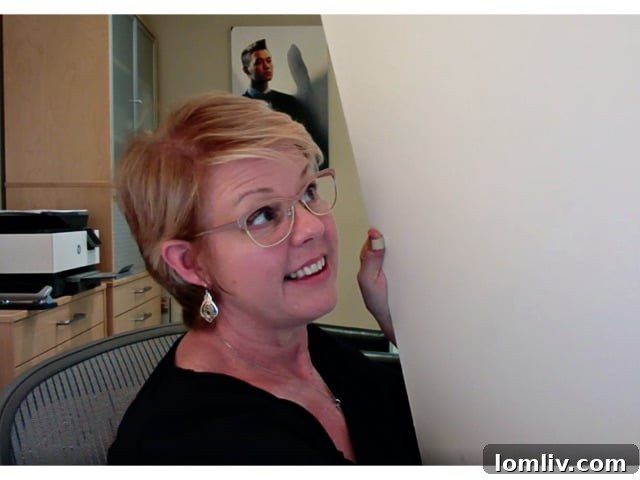
To kick things off, we turned to Vonda Klimaszewski of Vonda K Portraits, an acclaimed professional I’ve known for years. Her talent for making individuals shine, whether in a still photograph or a dynamic video, is truly remarkable. When the pandemic necessitated a rapid transition to virtual interactions, Vonda observed that many of her friends and colleagues were struggling with their on-screen appearances. This inspired her to create an exceptional YouTube series, providing accessible, actionable tips to help everyone feel more comfortable and look significantly better on camera. Her practical advice is not just about aesthetics; it’s about empowering you to present your most confident and authentic self in the digital realm.
Vonda emphasizes that you don’t need expensive equipment or a professional studio to dramatically improve your video quality. Instead, “There are so many simple little changes you can make with things that are readily available around your home,” she shared. These seemingly minor adjustments can yield astonishing results. For instance, consider the placement of your desk lamp: angling it correctly can provide flattering frontal illumination, banishing harsh shadows that often appear under eyes and chins. Understanding how to bounce light—perhaps using a white poster board or even a child’s science project display board—can soften your overall look, creating a more professional and inviting glow. She also tackles challenges like filming outdoors, guiding viewers on how to leverage natural light to their advantage while avoiding unflattering glare or excessive brightness.
Vonda’s YouTube channel is a treasure trove of quick, impactful lessons. Each of her concise videos offers two straightforward tips, making them incredibly easy to digest and implement immediately. I wholeheartedly recommend subscribing to her YouTube channel; you’ll be amazed at how quickly you can transform your video presence using everyday items. For those seeking a more personalized approach, Vonda also offers private consultations, providing tailored advice to refine your unique on-camera brand. These insights are truly game-changers, promising to elevate your virtual interactions and boost your confidence.
Branding and Strategic Video Content with Lance Selgo

Next, we tapped into the expertise of Lance Selgo from Unique Exposure Photography, a seasoned real estate photographer and videographer who understands the power of visual communication, particularly in a business context. Lance’s advice extends beyond just looking good; it delves into strategic video marketing that works tirelessly for your brand. “Have your image and contact information at the beginning and end of every video you post for your business,” Lance strongly advises. This isn’t merely a suggestion; it’s a vital component of passive advertising. Imagine your content being shared or reposted without your direct involvement. With your branding seamlessly integrated, your information travels with the video, continuously working to attract new leads and reinforce your professional identity, even when you’re not actively promoting it. This simple yet powerful tactic ensures consistent brand recall and expanded reach.
But what about the length of your videos? In an age of shrinking attention spans, are those longer, detailed walk-throughs still effective? Lance offers a nuanced perspective that aligns perfectly with current market demands. “In today’s environment, you can offer a longer video for buyers, because that’s what they are relying on,” he explains. When you’re marketing to a highly engaged audience, such as potential homebuyers, their interest isn’t in a fleeting, viral cat video. They are actively seeking comprehensive information to make significant decisions. A detailed property tour, for instance, provides the depth they need and appreciate. This doesn’t mean all your content has to be long-form, however. Lance astutely points out the power of repurposing: “Remember you can always take highlights of that video and do another one for a different platform like Instagram.” This strategy allows you to create a core piece of in-depth content and then easily adapt snippets for various social media channels, catering to diverse audience preferences and platform algorithms.
The current landscape presents an unprecedented opportunity for businesses and individuals to refine their video marketing strategies. “Whatever our new normal will look like, learning how to do this now will put you way ahead of the game and all of this can be done with your smartphone,” Lance emphasizes. This democratizes video creation, making high-quality content accessible to everyone. He urges, “Everyone is in learning mode now. The most important thing to do is to get content out there. You have a captive audience staying at home.” This is not the time for hesitation, but for action. Embrace the tools you have, learn the techniques, and connect with your audience where they are—virtually.
Elevate Your Visuals with Stephen Karlisch Photography: Tripods, Lenses, and Editing

Finally, we sought wisdom from Stephen Karlisch, a master photographer whose work graces the pages of prestigious publications like Architectural Digest, Elle Decor, and House Beautiful. Stephen’s expertise in making people and spaces look their absolute best is unparalleled, and his insights into amateur video creation are both profound and remarkably practical. He delivered one of those “aha!” moments that seems obvious in retrospect but is frequently overlooked: “Use a tripod for your iPhone.” This seemingly simple suggestion can be a game-changer for anyone struggling with shaky, unprofessional-looking video. As many of us are still treading water in the deep end of the home video pool, reminders of fundamental techniques are invaluable.

“Whether it’s a video or still photography, get an inexpensive tripod and a holder for your phone and mount it,” Stephen advises. The benefits are multifold. A tripod ensures your phone is perfectly level, preventing the jarring, unprofessional look of tilted footage. More importantly, it frees your hands, allowing you to meticulously compose and style your shot or video. This means you can experiment with angles—often, a slightly higher angle can be more flattering—and ensure your background is thoughtfully arranged. For self-portraits or solo video recording, a tripod paired with a timer becomes an indispensable tool. Stephen underscores the increasing importance of personal visibility: “Putting yourself in front of the camera is more important than ever now. People want to see you.” This human connection builds trust and authenticity, which are vital in today’s digital landscape.
Beyond stability, Stephen offers additional crucial tips for enhancing your video quality. He recommends maintaining a simple, non-distracting background to keep the focus squarely on you. Equally vital, and frequently overlooked, is the simple act of cleaning your phone camera lens. A smudged lens can result in hazy, unfocused, and unprofessional footage, undermining all other efforts. Take a moment to wipe it clean before every recording. Furthermore, don’t underestimate the power of built-in editing tools. “An iPhone has excellent editing features,” Stephen points out, citing capabilities like trimming clips, changing video speed, adding slow motion, and adjusting colors, saturation, and contrast. These tools allow you to refine your footage, create a desired mood, or even achieve an “edgy” look that aligns with your brand’s aesthetic. The key is to “Figure out your style, stick to it, and people will remember you.” Consistency in your visual presentation fosters recognition and reinforces your unique identity.
Ultimately, the underlying message from all our experts is clear: don’t be afraid of technology. Rather, embrace it as an opportunity. We currently possess the invaluable gift of time—time to learn new skills, to improve our capabilities, to meet evolving expectations, and to create content with clear intent and purpose. By applying these expert tips, you can transform your video presence from a source of frustration into a powerful asset for connection, communication, and brand building.