Welcome to “Upon Closer Inspection,” an exclusive series brought to you by the meticulous professionals at Green Scene Home Inspections, dedicated to educating Daltxrealestate.com readers on the intricate world of home maintenance and the surprising discoveries made during property assessments. Every week, we pull back the curtain on the hidden realities of homes, offering a unique perspective on what truly goes on behind walls and beneath floors.
While we often highlight the common pitfalls and outright DIY fails that can plague a property, there are moments when even the most experienced home inspectors have to pause and acknowledge a homeowner’s sheer ingenuity. Sometimes, a temporary fix, however unorthodox, elicits a wry smile before the serious work of documentation begins. It’s a testament to human creativity, even if the execution falls far short of professional standards. Today, we’re diving into some memorable instances where homeowners attempted to solve problems with solutions that were, shall we say, uniquely unconventional.
When Creativity Meets Crisis: Unconventional Home Repair Attempts
The spirit of DIY is commendable. It speaks to a desire for self-reliance and a commitment to maintaining one’s home. However, the line between an innovative solution and a costly oversight can be remarkably thin. Our job as home inspectors is not just to point out flaws, but to understand the context, the potential long-term implications, and ultimately, to help homeowners and prospective buyers make informed decisions. Let’s explore some prime examples of creative, yet ultimately problematic, home repairs that highlight why professional inspection is indispensable.
The Cork Plugging a Ceiling Leak: A “Perfect Fit” That Falls Short
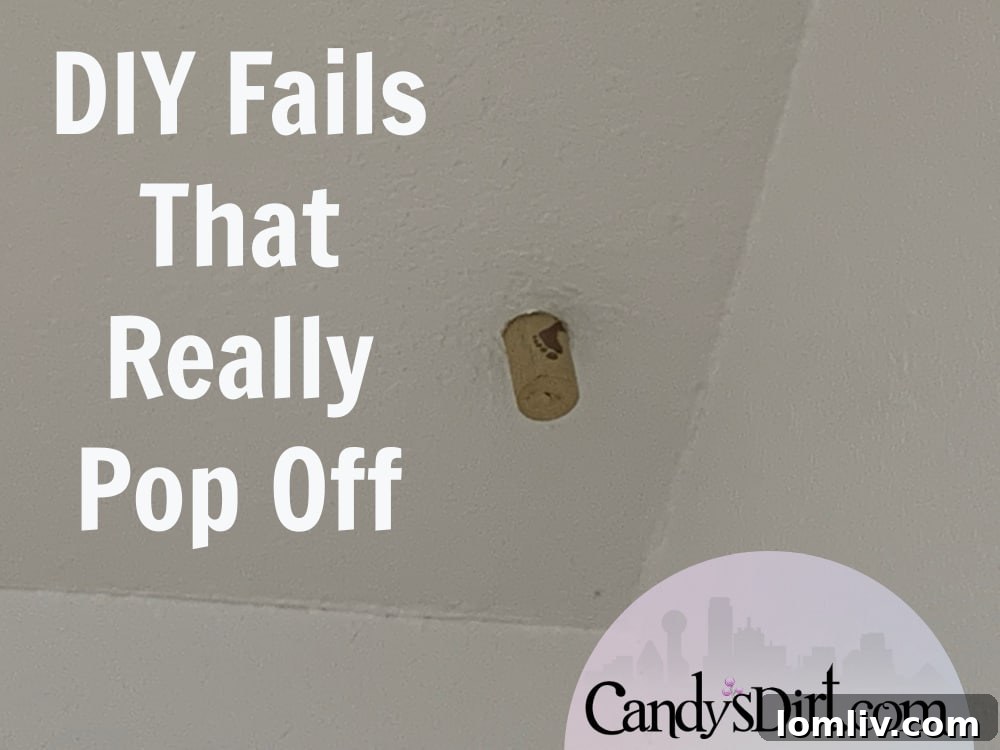
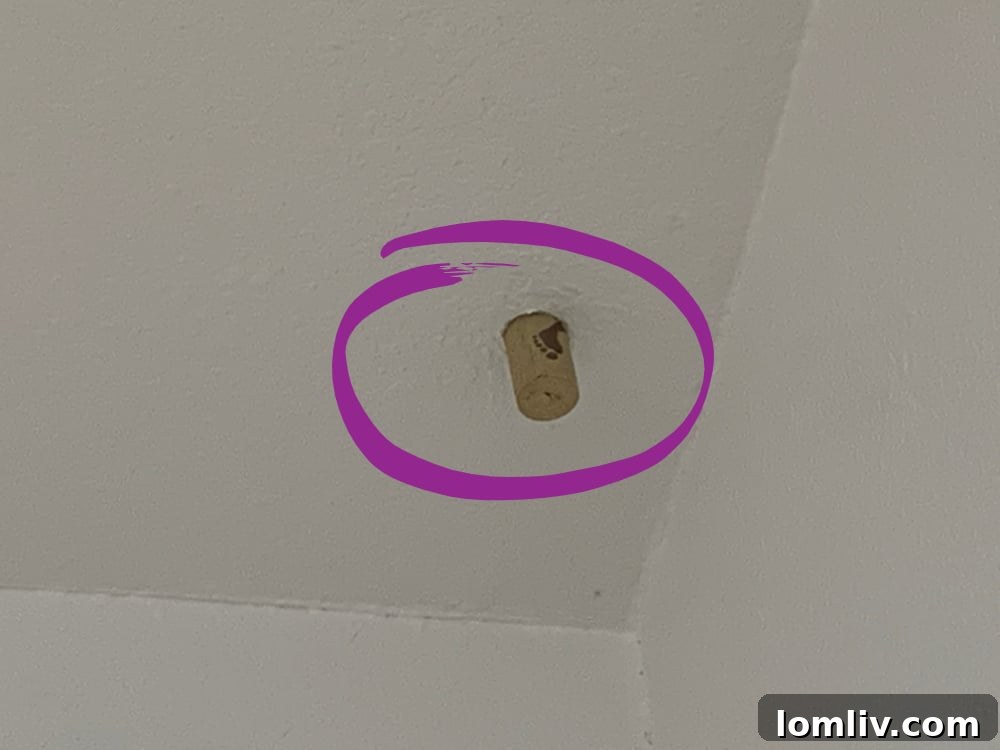
Upon first glance, one might be tempted to applaud the sheer precision. A wine cork, perfectly wedged into a ceiling hole, seemingly stemming the flow of a leak. It’s almost artistic in its simplicity, a testament to finding exactly the right object for an immediate problem. “I mean, look at it! It fits perfectly!” is often the initial, bewildered reaction. But the charm quickly fades when you consider the underlying issue. A cork, no matter how snug, is a band-aid, not a solution, for a persistent ceiling leak. This isn’t just a minor cosmetic issue; it’s a glaring indicator of a deeper, more serious problem. A ceiling leak almost invariably signifies an issue with plumbing in an upper floor, a compromised roof, or a persistent condensation problem.
While the cork might momentarily prevent drips, it does absolutely nothing to address the source of the water intrusion. Water will continue to saturate the ceiling material, leading to unseen structural damage, the proliferation of hazardous mold and mildew, and a potential weakening of the ceiling itself. Over time, the moisture can compromise electrical wiring, warp wooden beams, and create an unhealthy living environment. A professional home inspection would immediately flag this as a critical concern, prompting further investigation to locate the actual source of the leak, repair it properly, and remediate any existing damage. This creative fix, while visually amusing, unfortunately represents a ticking time bomb for the homeowner, masking a problem that could escalate into significant repair costs if left unaddressed.
The Pillowcase Filling Wall Penetration: A Fabricated Fantasy of Repair
In the face of unexpected bad weather or an urgent need to seal an opening, improvisation often takes over. The sight of a pillowcase, stuffed into a wall penetration, is a classic example of a “temporary fix” born out of necessity. It’s easy to imagine a homeowner, confronted with a sudden draft or a pest issue, grabbing the nearest available fabric to plug a gap. In a pinch, for a few hours or even a day, it might offer a modicum of relief. However, as our inspectors often discover, these “temporary” solutions have a notorious habit of becoming permanent fixtures, especially when a home is listed for sale.
The issues with a pillowcase acting as a wall sealant are numerous and severe. Firstly, a piece of cloth offers negligible insulation and absolutely no barrier against moisture. “By now there’s probably mold growing in there,” is an almost certainty. Fabric, when exposed to moisture, becomes an ideal breeding ground for mold and mildew, leading to poor indoor air quality, potential allergens, and further structural decay. Furthermore, it remains “likely still leaking” because cloth cannot effectively seal against air or water penetration. This means continued energy loss, making the home less efficient and more costly to heat or cool. Beyond moisture, such an opening becomes an open invitation for pests, from insects to rodents, seeking shelter. A proper repair would involve appropriate sealing materials, insulation specifically designed for wall cavities, and a durable, weather-resistant exterior patch. This makeshift textile repair, while perhaps understandable in an emergency, ultimately serves as a stark reminder of deferred maintenance and the hidden problems that can accumulate over time.
Almost But Not Quite: The Perils of Imperfect Spray Foam Insulation
Spray foam insulation has revolutionized home energy efficiency, offering superior air sealing and R-value compared to traditional insulation methods. When applied correctly, it can significantly reduce utility bills and enhance indoor comfort. “Spray foam is a great and energy-efficient way to insulate your attic,” we often affirm. However, its application requires precision, expertise, and a thorough understanding of building science. This is where many DIY attempts, even those undertaken with the best intentions, often go awry. “But bless their hearts, people almost always get something wrong. These folks went to a lot of effort, but missed the mark.”
The video clip vividly illustrates how good intentions can lead to suboptimal results. Improperly applied spray foam can lead to a host of problems. Uneven application, gaps, or insufficient thickness can create cold spots and compromise the overall insulating envelope, negating its energy-saving benefits. Even worse, spray foam can inadvertently cover or block critical ventilation pathways, leading to moisture buildup in the attic, which can cause wood rot and mold growth. It can also encase electrical wiring or plumbing, making future repairs or inspections incredibly difficult and potentially hazardous. In some cases, expanding foam can put undue pressure on HVAC ducts, leading to inefficiencies or damage. A home inspector’s keen eye can spot these inconsistencies, identifying areas where the insulation is failing or creating new problems. While the effort expended by these homeowners is clear, the outcome underscores the importance of professional installation for complex tasks like insulation, where small errors can have significant, costly repercussions on energy performance and structural integrity.
The Critical Importance of Professional Home Inspections and Lasting Solutions
Now that we’ve given credit where credit is due for the sheer effort and ingenuity, we can resume the crucial discussion on why these temporary, often ill-advised, solutions are problematic, especially when it comes to selling a home. It’s one thing to jury-rig a fix to get through a storm, but quite another to leave it in place, hoping no one notices, when your property is on the market. “Not remembering to fix the temporary solution they came up with before listing their homes for sale” is a common and costly mistake.
Home inspectors are trained to look beyond the surface, to identify not just the obvious flaws but also the cleverly concealed, or simply overlooked, issues that can impact a property’s value, safety, and longevity. A detailed home inspection report provides an unbiased assessment, highlighting defects that could deter potential buyers, lead to costly post-purchase surprises, or even pose safety risks. For sellers, proactively addressing these issues before listing can smooth the sales process, potentially increasing the home’s value and avoiding protracted negotiations or even lost sales.
Ultimately, while we might marvel at the creativity of a cork in the ceiling or a pillowcase in a wall, these examples serve as powerful reminders of the importance of proper home maintenance and professional repairs. Investing in lasting solutions, rather than temporary patches, not only protects your property but also ensures the safety and comfort of its occupants. When it comes to buying or selling a home, peace of mind comes from knowing that all systems and structures are sound, a certainty that only a thorough professional home inspection can provide. Trust Green Scene Home Inspections to meticulously uncover the realities of any property, ensuring you’re fully informed every step of the way.