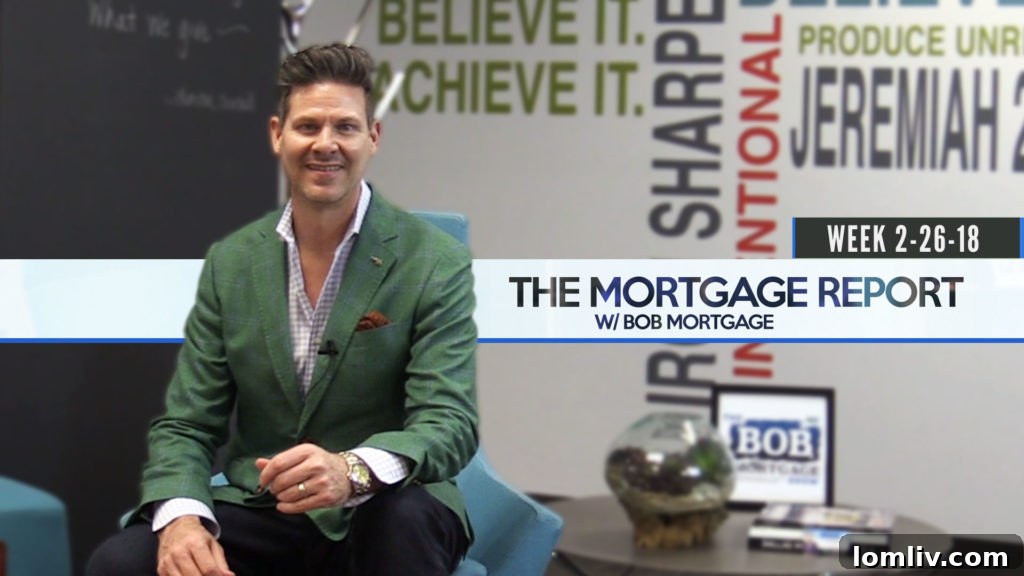
Navigating the Shifting Sands: Economic Insights, Fed’s Strategy, and Expert Mortgage Guidance from BobMortgage
The economic landscape remains a focal point for homeowners, aspiring buyers, and financial markets alike. This week has been particularly bustling, with critical reports on new and pending home sales offering a pulse check on the housing sector, alongside the Federal Reserve’s preferred inflation gauge — personal consumption expenditures (PCE). While the previous week concluded on a moderately optimistic note, a persistent sentiment among market observers suggests that further interest rate hikes are looming this year. In these dynamic times, understanding the nuances of the market is paramount, and no one offers clearer guidance than our esteemed mortgage expert, Bob Johnson, widely known as BobMortgage. As a senior mortgage adviser at Wallick & Volk, the nation’s oldest private lender, Bob brings decades of unparalleled experience to the table.
Understanding the Current Economic Climate: What the Reports Mean for You
The release of new and pending home sales reports is always a significant event for anyone involved in or considering entering the real estate market. These figures provide crucial insights into buyer demand and market inventory. New home sales reflect contracts signed for newly constructed homes, indicating the confidence of both builders and buyers in the market’s future. Pending home sales, on the other hand, are a forward-looking indicator, tracking homes under contract but not yet closed. A strong showing in these reports can signal a robust housing market, potentially leading to increased competition and upward pressure on home prices. Conversely, a weakening trend might suggest a slowdown, possibly offering more negotiation power to buyers or hinting at broader economic headwinds.
Equally important is the Personal Consumption Expenditures (PCE) index. While the Consumer Price Index (CPI) often grabs headlines, the PCE is the Federal Reserve’s go-to measure for inflation. The PCE tracks the prices of goods and services purchased by consumers, but it offers a broader scope than the CPI and accounts for changes in consumer behavior, such as substituting cheaper goods for more expensive ones. When the PCE rises significantly, it signals persistent inflationary pressures within the economy. For the Fed, taming inflation is a primary mandate, and a high PCE reading strongly influences their decisions regarding monetary policy, particularly interest rates. Understanding these reports helps both potential homeowners and current mortgage holders anticipate market shifts and plan accordingly.
The Federal Reserve and the Specter of Rate Hikes
The Federal Reserve plays a pivotal role in shaping the economic environment through its monetary policy. Its primary tools include adjusting the federal funds rate, which in turn influences other interest rates throughout the economy, including those for mortgages, auto loans, and credit cards. When the Fed raises rates, it’s typically an effort to cool down an overheating economy and combat inflation. Higher borrowing costs are designed to reduce consumer spending and investment, thereby slowing the pace of price increases.
The market’s anticipation of future rate hikes is a constant source of speculation and concern. Many economists and financial analysts are currently forecasting additional increases this year, a sentiment that stems from the Fed’s consistent messaging about its commitment to achieving its 2% inflation target. For the housing market, rate hikes translate directly into higher mortgage interest rates. This can impact affordability, potentially pricing some buyers out of the market or reducing their purchasing power. For those with adjustable-rate mortgages, it could mean increased monthly payments. Staying informed about the Fed’s stance and economic projections is crucial for anyone making significant financial decisions related to housing.
Navigating the Mortgage Market: To Lock or to Float?
In an environment of fluctuating interest rates, one of the most pressing questions for a homebuyer or someone looking to refinance is: should I lock my mortgage rate or let it float? This decision can have a substantial impact on your long-term financial commitment.
- Locking Your Rate: When you lock your mortgage rate, your lender guarantees a specific interest rate for a defined period, typically 30 to 60 days, while your loan is being processed. This provides certainty and protects you from potential rate increases during the closing period. It’s often advisable if you believe rates are likely to rise or if you simply prefer the peace of mind knowing your rate is secured. However, if rates drop significantly after you’ve locked, you might miss out on a lower rate, though some lenders offer a “float down” option under specific conditions.
- Floating Your Rate: Opting to float means you are allowing your interest rate to move with the market until a certain point, usually closer to closing. This strategy is for those who believe rates might fall before their loan closes, allowing them to secure a potentially lower rate. The downside, of course, is the risk that rates could rise, resulting in a higher monthly payment than initially anticipated. Floating requires careful monitoring of market trends and a willingness to accept potential volatility.
Making this decision requires more than just a gut feeling; it demands an intricate understanding of economic indicators, Federal Reserve policies, and market sentiment. This is precisely where the expertise of a seasoned professional becomes invaluable.
Meet Your Trusted Mortgage Expert: Bob Johnson (BobMortgage)
Don’t let the complexities of the current market cause panic. With more than two decades dedicated to helping countless buyers secure the perfect loan for their home purchase, Bob Johnson – affectionately known as BobMortgage – possesses an unmatched ability to interpret today’s dynamic market conditions. His profound understanding extends beyond mere numbers; he reads the “tea leaves” of economic trends, geopolitical events, and policy shifts with remarkable accuracy.
Bob’s expertise is rooted in extensive experience and a deep commitment to his clients. He understands that every homebuyer’s situation is unique, and he prides himself on crafting tailored solutions that align with individual financial goals. As a senior mortgage adviser at Wallick & Volk, he is part of an institution with a rich history, renowned as the nation’s oldest private lender. This heritage speaks volumes about their stability, ethical practices, and enduring commitment to helping families achieve homeownership dreams. In a market where trust and reliability are paramount, BobMortgage and Wallick & Volk stand as pillars of dependable guidance.
Essential Tips for Aspiring and Current Homeowners in a Shifting Market
Beyond the lock-or-float dilemma, there are fundamental steps and considerations that every individual should keep in mind when navigating the mortgage and real estate landscape.
Getting Pre-Approved is Your First Strategic Move
Before you even start house hunting, obtaining a mortgage pre-approval is crucial. This process involves a lender reviewing your financial information (income, assets, credit score) and determining how much they are willing to lend you. A pre-approval letter not only gives you a clear budget but also signals to sellers that you are a serious and qualified buyer, giving you a significant advantage in a competitive market.
Understand Different Mortgage Types
The world of mortgages offers a variety of products, each with its own benefits and drawbacks. Common types include:
- Fixed-Rate Mortgages: Your interest rate and principal & interest payment remain the same for the life of the loan (e.g., 15-year or 30-year fixed).
- Adjustable-Rate Mortgages (ARMs): The interest rate is fixed for an initial period (e.g., 3, 5, 7, or 10 years) and then adjusts periodically based on market indexes.
- FHA Loans: Government-backed loans ideal for first-time homebuyers with lower credit scores or smaller down payments.
- VA Loans: Exclusive for eligible service members, veterans, and surviving spouses, offering favorable terms like no down payment.
- USDA Loans: Designed for rural homebuyers with low to moderate incomes.
BobMortgage can help you explore which loan product best suits your financial situation and long-term goals.
Strengthening Your Financial Health
A strong financial profile is your best asset when seeking a mortgage. Focus on:
- Improving Your Credit Score: Pay bills on time, reduce credit card debt, and check your credit report for errors. A higher score typically qualifies you for lower interest rates.
- Managing Your Debt-to-Income (DTI) Ratio: Lenders look at how much of your gross monthly income goes towards debt payments. A lower DTI ratio indicates you have more disposable income and are a less risky borrower.
- Saving for a Down Payment and Closing Costs: While not always required, a larger down payment can reduce your monthly payments and potentially eliminate the need for private mortgage insurance (PMI). Don’t forget to budget for closing costs, which can range from 2-5% of the loan amount.
Watch The Latest Mortgage Report for Expert Insights
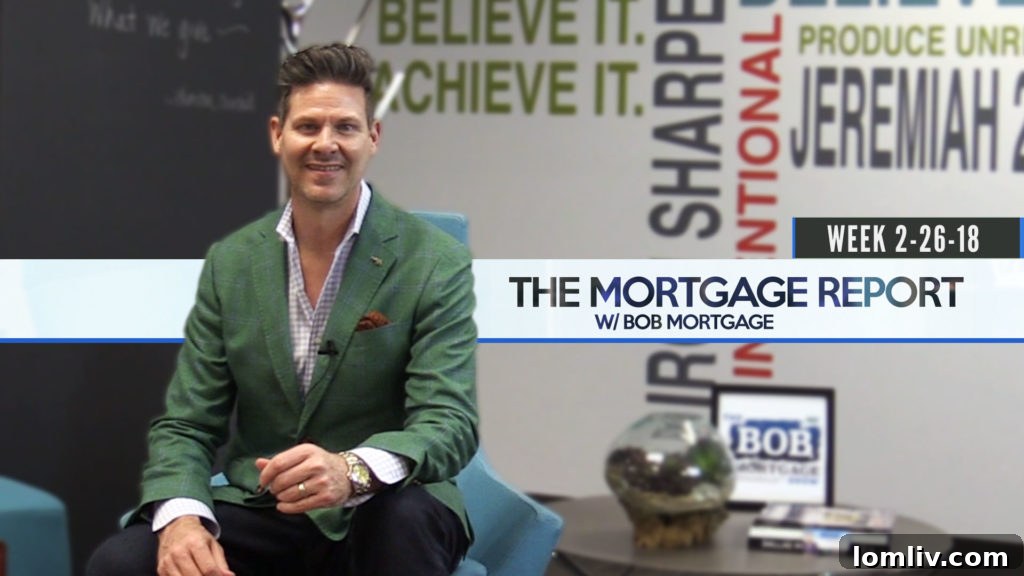
In an economic environment where every decision counts, having access to timely and accurate information from a trusted source is invaluable. For Bob Johnson’s expert take on current market trends, the implications of economic reports, and his invaluable advice on navigating your mortgage options, make sure to watch The Mortgage Report.
The report delves deeper into the specifics, offering clarity on the “lock or float” dilemma and providing a forward-looking perspective on where interest rates might be headed. Don’t leave your significant financial decisions to chance. Tune in, get informed, and empower yourself with the knowledge needed to make the best choices for your homeownership journey with the guidance of BobMortgage and Wallick & Volk.