The Highland House Project: Navigating Modern Development in Dallas’ Preston Center
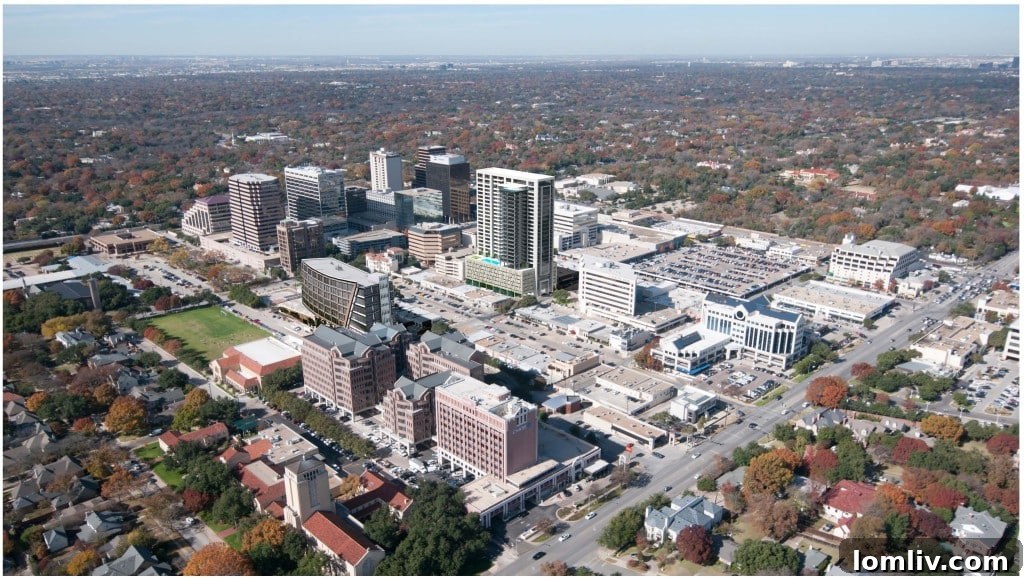
Preston Center, a vibrant commercial and residential hub in Dallas, stands at a critical juncture as it grapples with the evolving landscape of urban development. A significant proposal by The Crosland Group for a 29-story apartment building, dubbed “The Highland House,” has ignited a fervent discussion among residents, city planners, and stakeholders. This ambitious project aims to transform a site currently occupied by a three-story medical building on Westchester Drive, directly behind the popular Hopdoddy Burger restaurant, into a contemporary high-rise residential complex.
A Vision for Vertical Living: The Highland House Proposal
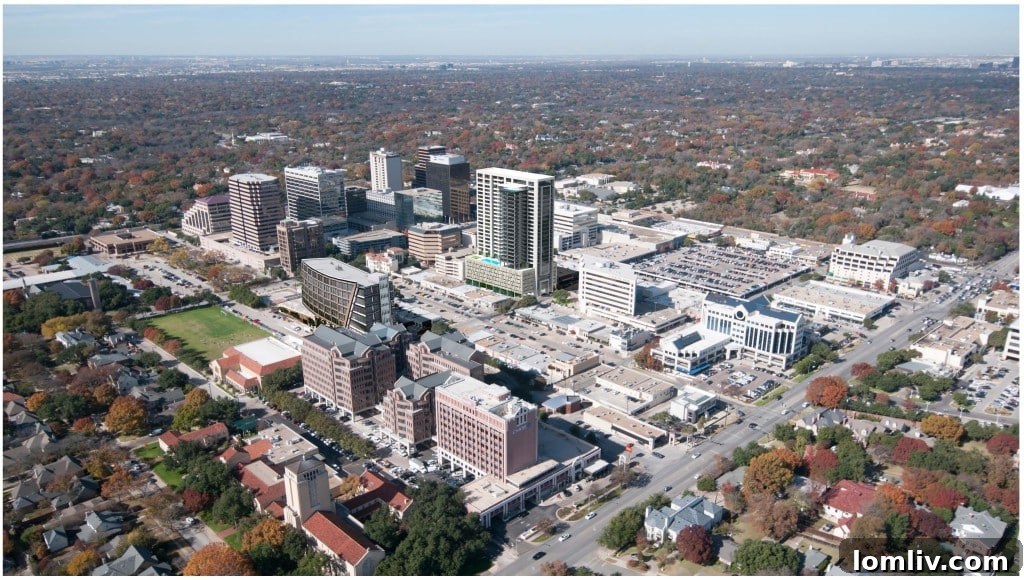
The proposed Highland House represents a substantial shift for the Preston Center area. The existing zoning regulations for the Westchester Drive site typically permit structures of up to six or seven stories. The Crosland Group’s request for a 29-story building therefore necessitates a significant zoning amendment, positioning The Highland House to potentially become the tallest structure within the immediate Preston Center vicinity. This leap in verticality is not entirely unprecedented in the broader area, with nearby structures such as Preston Towers already reaching 29 stories.
To put the proposed height into perspective, The Highland House is designed to be approximately 30 feet taller than Sherry Lane Place and 40 feet taller than Sterling Plaza, both of which are prominent buildings located across Douglas Avenue on Sherry Lane. Despite its proposed elevation, the project has been designed to remain within the Residential Proximity Slope from all four sides, a crucial consideration for maintaining light and air access for neighboring properties. Furthermore, current zoning in certain adjacent areas allows for buildings reaching 10 or 11 stories, equating to approximately 120 feet. This context highlights the complexity of development in an established urban core like Preston Center, where existing infrastructure and community expectations must be carefully balanced with the potential for modern, high-density living.
Community Concerns: Navigating Traffic, Parking, and School Impact
Any large-scale development in a dense urban environment inevitably brings with it a host of community concerns, and The Highland House project is no exception. Residents and local businesses have voiced apprehensions primarily centered on increased traffic congestion, parking availability, and the potential impact on local school districts. These are valid points that demand careful consideration and transparent solutions from developers and city planners.
The Traffic Congestion Debate: More Residents, More Cars?
One of the most frequently raised concerns revolves around traffic congestion. Opponents of the project argue that the addition of approximately 245 apartment units, which could translate to around 500 tenants and an equivalent number of cars, along with apartment staff, delivery services, and visitors, would significantly exacerbate the already challenging traffic conditions in Preston Center. This area is widely recognized as one of Dallas’ most congested zones, where navigating during peak hours can be particularly arduous.
The addition of an approximate 245 unit apartment and the ensuing 500 tenants, 500 cars, apartment staff, deliveries, service providers, tenant’s staff and visitors would significantly add additional traffic to the already congested area. Though the apartment is advertised as a residence for “empty nesters”, it would attract families because children residing in Highland House would be eligible to attend HPISD schools.
Adding to these concerns, ground has recently been broken for a new seven-story high-rise office building near Douglas on Weldon Howell Parkway, in close proximity to the proposed Highland House site. This new commercial development, boasting 200,000 square feet of office space, is statistically projected to introduce an additional 1,136 employees and their vehicles into Preston Center, alongside increased deliveries, service providers, and business visitors. The cumulative effect of multiple major developments simultaneously entering the area undeniably necessitates a robust traffic management strategy.
The “Empty Nesters” vs. HPISD Enrollment Challenge
Another significant point of contention centers on the demographic target for The Highland House and its potential implications for the Highland Park Independent School District (HPISD). While the apartment building is often marketed towards “empty nesters” or older adults seeking a vibrant, walkable urban lifestyle, critics argue that its location within the HPISD attendance zone could inadvertently attract families with children, thereby placing additional strain on the highly-regarded school district. The excellent reputation of HPISD schools is a major draw for families seeking residences in the area, irrespective of the housing type.
However, an insightful report from Dr. Dawson Orr, then HPISD Superintendent, offers a different perspective on student enrollment trends. According to his findings from January 2010 to January 2011, only a mere 5% of the 270 new student growth during that period originated from apartment dwellers. The Shelton, another prominent apartment complex, contributed only 24 students to the district in that timeframe. A significant 79% of the enrollment increase came from families purchasing single-family homes, often from other families with fewer or no children. This data suggests that while apartments do contribute to enrollment, their impact might be less substantial than that of single-family home transactions. From Dr. Orr’s report:
- 213 of the students lived in single-family residences, accounting for 79 percent of the growth.
- 43 of the students lived in condominiums/townhomes, accounting for 16 percent of the growth.
- 14 of the students lived in apartments, accounting for 5 percent of the growth.
These statistics provide a critical lens through which to view the potential impact of The Highland House on HPISD, suggesting that residential apartments may not be the primary driver of student growth in the district.
Addressing Parking Shortages in a Bustling Hub
Parking is a perpetual challenge in densely populated commercial districts like Preston Center, where finding a spot during peak lunch hours can indeed feel like an impossible task. Critics of The Highland House project fear that adding a large residential building will only intensify these existing parking woes.
Preston Center is already one of the most congested areas of Dallas. It is near impossible to park during lunch hours and it is going to get worse. Ground has been broken for a new 7 story high rise office building near Douglas on Weldon Howell Parkway, not far from the proposed “Highland House”. The new office building will have 200,000 sq ft, statistically adding a potential 1,136 employees and cars into the Center along with deliveries, service providers, salesmen and visitors.
However, The Crosland Group has proactively addressed these concerns within their zoning request. The developer is stipulating the requirement for off-street loading and unloading facilities, a measure designed to significantly improve traffic flow and reduce obstructions on Preston Center’s streets. Furthermore, recognizing the unique needs of its target demographic, many of whom may travel frequently or reside part-time, the developer has increased the required parking ratio in the zoning request from 1.75 to 2.0 spaces per unit. Coupled with mandatory valet parking services, the proposed parking provisions are designed to not only meet but far exceed standard requirements. This comprehensive approach suggests that The Highland House could, in fact, contribute positively to the overall parking dynamics in Preston Center by centralizing parking and managing it efficiently, potentially alleviating some of the existing street parking pressure.
Revisiting Traffic Generation: Medical Building vs. Residential Tower
A contentious point in the debate involves comparing the traffic generated by the proposed apartment building versus the existing medical facility. The developers of The Highland House contend that a residential building will generate less overall traffic than the current medical building. They initially cited statistics suggesting that a medical building of the size located at 8215 Westchester typically generates an average of 1,666 visitors daily. However, an actual count conducted on Thursday, April 17th, between 7:45 am and 4:30 pm, recorded a total of 172 visitors for the medical building. Critics swiftly highlighted this discrepancy, arguing that a 29-story apartment complex would undoubtedly exceed 172 daily visitors, thereby increasing traffic and congestion in the area.
The developers of the Highland House contend the apartment building will generate less traffic than the current medical building. The Crosland Group cites statistics that a medical building of the size located at 8215 Westchester generates on average 1666 visitors on a daily basis. An actual count of visitors was taken on Thursday, April 17. Between the hours of 7:45 am and 4:30 pm the building had a total of 172 visitors. Clearly, the traffic generated with a 29 story apartment would exceed 172 visitors each day, therefore increasing traffic and congestion in the area.
This comparison warrants a deeper look. While the opponent’s count of 172 visitors during specific hours might seem low compared to an apartment’s daily activity, the methodology of counting “visitors” in a traffic study, particularly for a medical building, can be complex. It’s plausible that many individuals visiting the Doctors Building may not exclusively park within its designated garage, instead utilizing various parking options across Preston Center. Moreover, with over 80 people working within the existing building, that alone accounts for at least 160 daily trips if no one leaves for lunch or errands. Stopping the count before the end of the workday also raises questions about its comprehensiveness. It’s also important to consider the nature of traffic: a medical building typically experiences frequent, short-term visits with high turnover throughout the day, often concentrated during business hours. An apartment building, by contrast, might see two primary peak periods (morning outbound, evening inbound) with fewer, more spread-out movements during the day. Therefore, simply comparing raw visitor numbers without considering peak hour impacts or parking behavior might not offer a complete picture.
Beyond the Main Thoroughfares: Neighborhood Impact and Safety
Concerns extend beyond the immediate commercial core, touching upon the quality of life in adjacent residential neighborhoods. During periods of peak traffic, many drivers, in an effort to circumvent long delays on main arteries, frequently seek alternate routes through nearby residential streets. This practice raises alarms among homeowners, as increased traffic volume and higher speeds through these typically quieter neighborhoods pose a direct danger to vulnerable road users, including bikers, joggers, pedestrians, and especially children and elderly residents.
During peak hours of traffic, many drivers seek alternate routes to avoid long delays. These alternate routes are through nearby neighborhoods. Increased and higher speed traffic through area neighborhoods pose a danger to bikers, joggers, walkers and especially children and elderly living along these streets.
However, it is worth noting that speeding in affluent areas like the Park Cities is often met with rigorous enforcement, making it a risky endeavor for drivers. Furthermore, the demographic profile of potential Highland House tenants, which often includes older adults, retirees, or baby boomers, suggests that a significant portion may not be commuting during the most intense peak traffic hours. While professionals residing in the building would contribute to peak hour traffic, they also tend to work longer hours, potentially staggering their commutes. The local township also possesses various tools to mitigate such issues, including the installation of speed bumps or, in extreme cases, strategically closing off certain streets to through-traffic.
Fundamentally, as Dallas continues its trajectory of growth and attracts new residents, increased street crowding is an inevitable consequence. However, official data can offer clarity. According to the actual Traffic Impact Study filed with the City of Dallas, which meticulously measures traffic patterns, none of the traffic generated by the existing Doctors Building migrates into single-family neighborhoods. Instead, this study indicates that traffic predominantly flows to major commercial arteries such as Preston Road, Northwest Highway, and the Tollway, moving exclusively through the commercial districts surrounding the site. This suggests that the immediate impact on residential side streets might be less severe than feared, particularly for traffic directly attributable to a commercial or high-density residential development in the core of Preston Center. Personally, the narrowness of Park Cities streets makes them generally unappealing for cutting through.
The Privacy Predicament: Fact or Fiction?
Another concern frequently cited by homeowners living near proposed high-rise developments is the issue of privacy. The worry is that tenants in a tall building could peer directly into the backyards and private spaces of nearby residential properties, diminishing homeowners’ sense of seclusion. This is a common argument, and understandably, residents value their privacy.
Lastly, privacy is a concern for homeowners living in close proximity to any high rise building. Tenants could look out of their windows into the back yards of nearby residents.
However, the specific context of The Highland House project necessitates a pragmatic look at this concern. Situated in the “dead center” of Preston Center, a dense commercial and mixed-use district, the proposed building would be sufficiently distanced from the majority of single-family residential properties. Given its central location, the likelihood of direct, unobstructed views into private backyards is minimal, as these properties are often too far away or shielded by other structures. While privacy is a legitimate concern in urban planning, in this particular instance, the argument may be somewhat exaggerated given the project’s specific placement within a bustling commercial hub.
Weighing the Future: Pros and Cons of the Highland House Project
The debate surrounding The Highland House project is a microcosm of broader urban development challenges, where the desire for growth and modernization often collides with the imperative to preserve community character and manage existing infrastructure. Understanding both the potential benefits and drawbacks is crucial for a balanced perspective.
Potential Benefits: Urban Living, Economic Growth, and Modernization
From a city planning and economic development perspective, The Highland House offers several advantages. It would introduce vital new housing options into an area characterized by high demand and limited residential inventory, particularly for those seeking a vibrant, walkable, and amenity-rich urban lifestyle. By offering luxury apartments, it caters to a demographic often seeking to downsize from larger homes while staying within their familiar community or moving closer to work and entertainment. Such a development can also stimulate local economic activity, attracting new residents who will patronize nearby businesses, restaurants, and shops, further bolstering the vitality of Preston Center. Moreover, replacing an older medical building with a modern, architecturally significant residential tower could represent a form of urban revitalization, enhancing the aesthetic appeal and contemporary functionality of the area. This kind of dense, transit-oriented development is also aligned with modern urban planning principles that aim to reduce sprawl and promote sustainable living by encouraging walking, biking, and public transit use.
Potential Drawbacks: Preserving Community Character and Infrastructure Stress
Conversely, the concerns raised by the community are significant and reflect a desire to protect the unique character and liveability of Preston Center. The sheer height of the proposed 29-story building, drastically exceeding current zoning limits, sets a precedent that many fear could lead to further high-rise encroachment, fundamentally altering the visual landscape and scale of the neighborhood. The strain on existing infrastructure – roads, water, sewage – from a sudden influx of residents and vehicles is a legitimate worry, especially given current congestion. While the developer has proposed solutions for parking and loading, their effectiveness in practice remains a point of apprehension. The perceived loss of privacy and the potential for increased through-traffic in residential areas also speak to a broader concern about maintaining the quality of life for long-term residents. Balancing these valid anxieties with the benefits of urban densification is the core challenge facing decision-makers.
Conclusion: A Critical Juncture for Preston Center’s Evolution
The proposed Highland House apartment project presents a complex decision for Dallas, embodying the ongoing tension between urban growth and community preservation. The arguments against the rezoning request for 8215 Westchester Drive are rooted in valid concerns about increased traffic congestion, potential impacts on neighborhood streets, the protection of residential privacy, and the maintenance of property values. These points reflect a deep desire to uphold the existing character and liveability of Preston Center.
To avoid further congestion to adjacent thoroughfares and neighborhood streets, to protect the privacy and home values of nearby residential properties and to decrease the danger to pedestrians and children, we ask that the Crosland Group’s request to re-zone 8215 Westchester Drive be denied. Any new construction should be built to current building code.
However, it is equally important to consider the alternative scenario. Should The Crosland Group’s request be denied and the site instead be developed under current building codes, the likely outcome could be a 10-story office building. Such a development, while adhering to existing regulations, might generate more intensive peak-hour traffic during the workday, leading to exacerbated congestion at the most critical times. An office building could also contribute to haphazard parking as employees seek to avoid garage fees, resulting in vehicles visibly cluttering surrounding streets. Furthermore, a commercial building would typically yield lower real estate tax revenues compared to a high-density residential property. The constant flow of delivery trucks, service providers, clients, and vendors would create persistent traffic intervals throughout the day, transforming the area into another “faceless” 10-story structure within Preston Center’s commercial landscape. This raises a crucial question: if not residential, where will people live within Preston Center, supporting its vibrant mix of businesses and amenities?
The Highland House project is more than just a building; it represents a pivotal moment in Preston Center’s evolution. It forces a conversation about the kind of urban environment Dallas aspires to create—one that balances growth, modern living, and the enduring quality of life for its residents. Thoughtful consideration of all arguments and potential outcomes is essential for shaping a sustainable and prosperous future for this dynamic community.
Engage with Your Representatives
Community engagement is vital in shaping the future of Preston Center. If you have concerns, questions, or wish to express your support or opposition regarding The Highland House project, it is crucial to communicate directly with your elected officials and city planning representatives. Your voice plays an integral role in the decision-making process.
- Dallas Councilwoman Jennifer Gates: 214.670.3816 | [email protected]
- CPC Dist. 13 Margot Murphy: 214.670.3086 | [email protected]