Enhanced Real Estate Agent Safety: Protecting Professionals in a Risky Industry
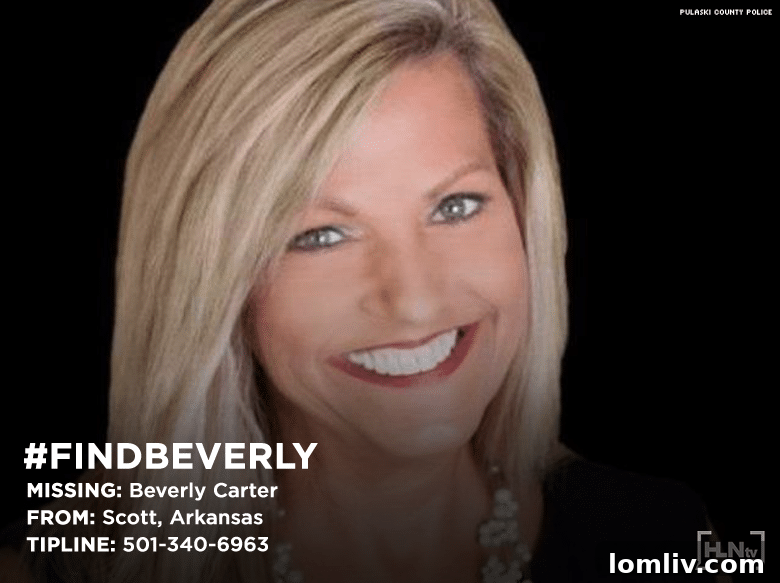
The dynamic world of real estate offers incredible opportunities, but it also presents unique challenges, especially concerning the personal safety of agents. Real estate professionals frequently work alone, often meeting unfamiliar clients in isolated or vacant properties. This inherent vulnerability underscores the critical importance of robust safety protocols and constant vigilance. The tragic case of Arkansas real estate agent Beverly Carter stands as a profound reminder to the entire industry, emphasizing the non-negotiable need for proactive measures to safeguard those who dedicate their careers to helping others find their homes.
Insights from law enforcement, such as those shared by Dallas Police Department’s North Central Patrol Division Neighborhood Police Officer Mark Lutz, reinforce the necessity for real estate agents to adopt comprehensive strategies for personal protection. These aren’t merely suggestions but essential practices that can mitigate risks and ensure a safer working environment in an industry where personal interactions are at the core of every transaction.
The Beverly Carter Incident: A Catalyst for Renewed Safety Focus
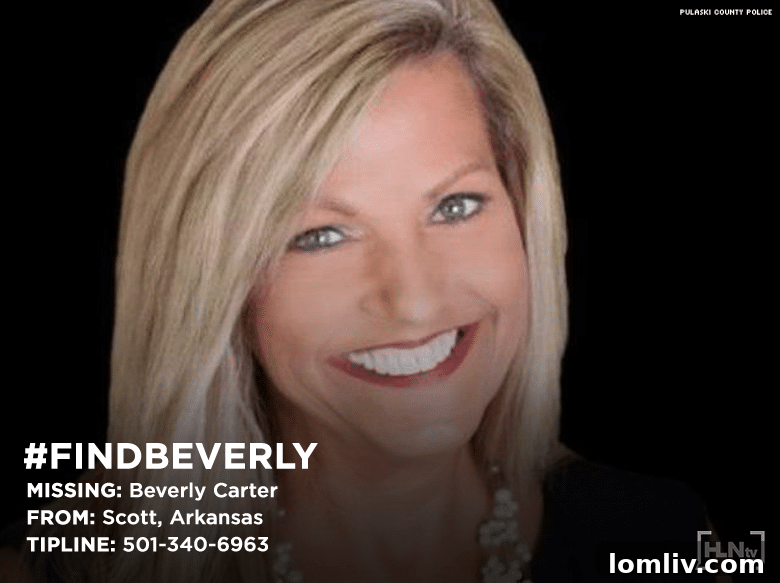
The disappearance and subsequent tragic fate of Beverly Carter sent shockwaves throughout the real estate community and beyond. On September 25, 2014, Carter, a dedicated and experienced real estate agent in Little Rock, Arkansas, vanished while conducting a routine showing of a vacant, bank-owned property in Scott, Arkansas. Her sudden disappearance immediately sparked an intensive search effort, capturing national attention and igniting an outpouring of concern from colleagues, friends, family, and the public. This incident painfully highlighted the often-unseen dangers that real estate agents can encounter, particularly when meeting unvetted individuals in secluded locations.
The investigation quickly intensified, leading to the apprehension of Arron M. Lewis. Lewis, identified as a convicted felon and parolee, was accused of kidnapping Beverly Carter during the property showing. A disturbing detail emerged: Lewis had recently escaped from an area hospital following a single-car accident, an incident that occurred alarmingly close, within approximately 30 minutes, to the very property Carter was showing. Following his hospital escape, a judge swiftly issued a warrant for his arrest, indicating the immediate gravity of the situation and the strong suspicion surrounding his involvement in Carter’s disappearance. The rapid unfolding of these events, from Carter’s vanish to Lewis’s capture, served as a stark demonstration of the unpredictable and potentially life-threatening scenarios agents can face. In the immediate aftermath, a dedicated Facebook page was promptly created to disseminate critical information and coordinate widespread search efforts, reflecting the collective hope and deep concern within the community during those harrowing days.
Understanding the Unique Vulnerabilities of Real Estate Agents
Real estate professionals operate within a unique occupational framework that inherently exposes them to specific dangers. Unlike many office-bound professions, agents routinely find themselves in situations that involve meeting unknown individuals in isolated or private settings. Their work often extends beyond standard business hours, including evenings and weekends, which can heighten vulnerability. The very nature of their role requires them to unlock and grant access to private residences—sometimes vacant, sometimes still occupied—to strangers, inadvertently creating opportunities for those with malicious intent. Moreover, agents are frequently perceived as individuals with access to valuable assets or financial means, potentially making them targets for crimes such as robbery, kidnapping, or other violent offenses. The privacy afforded by an empty property can also regrettably attract individuals planning illicit activities, placing agents unwittingly into dangerous circumstances.
The perception that an agent might be alone, possibly carrying expensive electronic devices, or possessing keys to multiple properties, can render them an attractive target for criminals. This elevated risk profile demands a proactive, systematic, and well-thought-out approach to safety, extending far beyond simple caution to encompass comprehensive planning and diligent execution of robust safety protocols. While the profession thrives on building trust and personal connections, it is precisely these invaluable human elements that can unfortunately be exploited by those harboring nefarious intentions.
Implementing Essential Strategies for Enhanced Agent Safety
In the wake of incidents like the Beverly Carter tragedy, the real estate industry has significantly amplified its focus on safety protocols. Drawing inspiration from law enforcement recommendations, such as those shared by Officer Mark Lutz, and embracing best practices across the industry, agents can adopt a multi-faceted approach to bolster their personal security.
1. Rigorous Client Vetting and Identity Verification
The initial and often most critical layer of defense lies in thorough client vetting. Before agreeing to meet a new client at a property, agents should make every effort to gather substantial preliminary information. This includes requesting valid identification and, ideally, arranging an initial meeting in a secure, well-lit, and public office setting. Leveraging specialized third-party background check services, akin to the concept behind SecureShow, can introduce an invaluable layer of security. These services empower agents to screen potential clients for any concerning criminal histories or other significant red flags, thereby substantially reducing the risk of encountering dangerous individuals. The goal is not to foster inherent mistrust but to exercise due diligence and professional prudence to ensure an agent’s safety. Furthermore, agents should always inform their office, a trusted colleague, or a close family member about the client’s identity and the precise details of their meeting schedule.
2. Strategic Property Showings and Safe Open House Management
The manner and location of property showings can profoundly impact an agent’s personal safety. It is paramount that agents consistently inform at least one person—be it a colleague, a family member, or a friend—of their detailed itinerary. This should include the specific address of the property, the client’s name, and the estimated duration of the showing. For initial client meetings or when showing vacant or remote properties, seriously consider implementing a “buddy system.” During a property showing, always guide the client to walk ahead of you, allowing you to maintain an unobstructed view of their movements and ensuring you are always positioned near an exit. Never permit yourself to be cornered or blocked into a room. Mentally and physically plan your escape routes for every space you enter. For open houses, avoid working alone. The presence of a second agent or strategically positioning yourself near the main entrance can act as a significant deterrent to potential threats and contribute to a safer environment for everyone involved. Always ensure your cell phone is fully charged, easily accessible, and within reach.
3. Utilizing Personal Safety Tools and Modern Technology
Modern technology offers a variety of tools specifically designed to enhance an agent’s personal safety. Personal safety applications, frequently equipped with real-time GPS tracking, discreet panic buttons, and quick-dial features for emergency contacts, can prove invaluable. Some advanced apps even allow a designated emergency contact to remotely track an agent’s precise location during an active showing. Carrying a personal safety alarm can provide an immediate and startling deterrent in a dangerous situation, drawing attention and potentially frightening off an assailant. While formal self-defense training may not be a universal requirement, acquiring basic self-defense knowledge and maintaining a high level of situational awareness can empower agents to react more effectively and confidently in threatening scenarios. Additionally, the simple act of ensuring your mobile phone is always fully charged and easily accessible is a fundamental yet absolutely critical safety measure.
4. Establishing Robust Office Safety Protocols and Support Systems
Brokerages and real estate offices bear a significant responsibility in cultivating and reinforcing a strong culture of safety. The implementation of clear, mandatory safety protocols for all agents is absolutely essential. This should encompass regular safety briefings, providing readily available resources for client background checks, and establishing a robust and user-friendly communication system that allows agents to check in and out securely. Creating an environment where agents feel completely empowered to voice concerns without fear of judgment, and where they are assured that their safety is the top priority, is paramount. A discreet “code word” or signal for emergency situations, which can be subtly used with office staff, can also serve as a life-saving tool. Furthermore, providing comprehensive support systems, including access to professional counseling or peer support after a stressful incident, is vital for maintaining the mental well-being of agents.
The Industry’s Collective Response: A “Wake-Up Call” for Enduring Vigilance
The profound and tragic events surrounding Beverly Carter were widely acknowledged by countless professionals within the real estate community as an unequivocal “wake-up call.” This powerful phrase resonated deeply, signifying a collective realization that any degree of complacency regarding personal safety can, unfortunately, lead to devastating and irreversible consequences. The incident served as a powerful catalyst, spurring a renewed and intensified focus on comprehensive safety training, widespread awareness campaigns, and the implementation of more stringent and effective safety measures across the United States. Prominent industry organizations, such as the National Association of Realtors (NAR), have since significantly escalated their efforts to provide extensive safety resources, host informative webinars, and distribute essential educational materials to their vast membership, consistently emphasizing that agent safety is not merely an individual responsibility but a collective and paramount industry imperative.
The industry dialogue decisively shifted from theoretical discussions of potential dangers to practical, actionable steps for prevention. It became unequivocally clear that while real estate is undeniably a relationship-driven business founded on trust, caution and security should never be compromised for the sake of convenience or expedience. The collective commitment to agent safety has demonstrably grown, manifesting in the development of better technological solutions, the enhancement of internal office policies, and a more sophisticated and robust understanding of comprehensive risk assessment. The enduring and indelible lesson learned from Beverly Carter’s tragic case is that continuous education, unwavering vigilance, and proactive planning are truly indispensable elements for every single real estate professional working today.
Ongoing Awareness and the Indispensable Role of Law Enforcement
Maintaining a consistently high level of situational awareness is arguably the most fundamental and vital aspect of personal safety for real estate agents. As Officer Lutz consistently advises, agents must learn to trust their instincts without hesitation; if a situation feels uncomfortable or “off,” it very likely is. The critical moment an agent suspects something is amiss or feels uneasy, they should not delay in contacting 911. Early intervention and prompt reporting can often prevent a potentially dangerous situation from escalating into a serious threat. Law enforcement agencies across the country are often highly willing and eager to collaborate with local real estate boards and professional associations to provide specialized safety training and share invaluable insights on effective crime prevention techniques specifically tailored to the unique aspects of the real estate profession. This collaborative partnership between the real estate community and local police departments is absolutely crucial for developing, refining, and implementing genuinely effective and responsive safety strategies.
Ultimately, the continuous enhancement of safety within the real estate profession is an ongoing, dynamic process. It demands relentless education, constant adaptation to emerging threats, and an unshakeable, shared commitment from individual agents, robust brokerages, and influential industry organizations alike. The enduring memory of Beverly Carter serves not solely as a tragic reminder, but profoundly as a powerful catalyst for inspiring a safer, more secure future for all dedicated professionals who devote their lives to helping others achieve the dream of homeownership. Your safety, as a real estate professional, is not just a concern; it is an absolute, non-negotiable priority.