Every New Zealander understands the unique charm of a Kiwi home. Yet, beneath the surface of beautiful designs, a common issue persists: the frustrating gap between how a space looks and how it actually feels to live in. We’ve all encountered those exquisitely styled rooms that, despite their visual appeal, somehow feel cold, damp, or simply uncomfortable. This isn’t just a minor inconvenience; it significantly impacts our daily wellbeing, health, and energy bills. The encouraging news is that achieving both style and genuine, year-round comfort doesn’t have to be an extravagant luxury. It’s an attainable goal that begins with understanding our homes better and applying targeted, practical solutions.
The statistics are stark and resonate deeply with many New Zealanders. BRANZ research reveals that a significant 84% of Kiwi bedrooms dip below the recommended 18°C overnight. This figure is not just a number; it represents countless chilly mornings and restless nights. As someone who has shivered through my share of Auckland winters, I know precisely the discomfort this entails. This comprehensive guide aims to bridge that gap. We’ll explore measurable comfort targets, share practical “quick win” improvements you can make for under $200, and provide a room-by-room action plan specifically tailored to New Zealand’s diverse climate, from the humid summers to the often-mild but sometimes biting winters.
Understanding What True Home Comfort Really Means for New Zealanders
True home comfort extends far beyond merely adjusting a thermostat. It’s a holistic sensation, influenced by a complex interplay of environmental factors that collectively determine how warm or cool you perceive yourself to be. These factors include the ambient air temperature, the movement of air within a space, and critically, the temperature of surrounding surfaces like walls, windows, and floors. For instance, even in a room with a decent air temperature, cold walls or persistent draughts can make you feel uncomfortably cool, negating the effect of your heating system.
The World Health Organisation (WHO) recommends maintaining indoor temperatures of at least 18°C for the majority of people, ensuring a basic level of health and wellbeing. For more vulnerable groups, such as the elderly, young children, or those with specific health conditions, a slightly warmer range of 20-21°C is advised. In my own living areas, I personally aim for a consistent temperature range of 18-21°C throughout the year, balancing optimal comfort with energy efficiency.
Beyond temperature, relative humidity plays an equally vital role in comfort, and often, it’s the unseen culprit behind many home issues in New Zealand. Ideally, relative humidity should be kept within the range of 40-60%. Exceeding 60% creates a prime breeding ground for mould spores, dust mites, and other allergens, which can exacerbate respiratory problems, damage furnishings, and lead to persistent musty odours. Conversely, very low humidity (below 40%) can cause dry skin, irritated airways, and static electricity. Understanding and proactively managing humidity is paramount for a truly healthy and comfortable home environment.
To gain immediate insight into your home’s humidity levels, invest in an inexpensive digital hygrometer. Place one in your bedroom and another in your primary living area. Observe the readings over a few days, noting any significant fluctuations between day and night, or during activities like showering and cooking. Additionally, pay attention to physical signs: where does condensation form on your windows in winter? Do you detect any persistent musty smells, especially in wardrobes or behind furniture? This simple 60-second audit provides invaluable data, allowing you to pinpoint exactly where your efforts should be focused for maximum impact on your home’s thermal comfort and health.
Your One-Week Comfort Tune-Up: Quick Wins for Immediate Impact
Before embarking on larger, more costly projects, several low-cost, high-impact changes can significantly improve your home’s comfort in just one week. These “quick wins” address common inefficiencies and often pay for themselves through reduced energy consumption, making them smart first steps for any homeowner.
- Stop Draughts with Door Snakes and Window Seals: Cold air infiltration through tiny gaps around doors and windows can account for a significant portion of heat loss, making rooms feel much colder than the thermostat indicates. Installing door snakes (or “draught stoppers”) under external doors and applying adhesive foam or rubber seals around window frames are incredibly effective. These simple additions can collectively save you approximately $100 annually in heating costs by preventing warm air from escaping and cold air from entering. This also reduces dust ingress and external noise.
- Utilise Curtains Strategically for Thermal Regulation: Closing your curtains, particularly full-length, thermal-lined ones, just before dusk acts as an essential insulating barrier. This traps the heat accumulated during the day inside your home, preventing it from radiating out through windows as outdoor temperatures drop. Conversely, on sunny winter days, opening curtains fully allows passive solar gain to warm your rooms naturally, reducing the need for artificial heating. Ensure curtains are properly fitted and extend beyond the window frame.
- Run Extractors Effectively for Moisture Removal: Always run kitchen and bathroom extractor fans during use to remove moisture and odours at the source. Crucially, allow them to continue running for at least 10-15 minutes after you finish cooking or showering. This extended run-time ensures that lingering humidity is fully expelled from the space and vented outdoors, preventing it from migrating into other parts of your home and contributing to condensation, dampness, or mould. Regular cleaning of fan grilles ensures optimal airflow.
- Wipe Window Condensation Daily in Winter: Condensation on windows is a clear and visible sign of excessive indoor humidity, often occurring when warm, moist air meets cold window surfaces. While addressing the root cause is important, proactively wiping condensation away daily prevents water from pooling on sills, dripping onto frames, or fostering mould growth, which can damage window joinery and compromise indoor air quality. Use a clean, dry cloth or a window vacuum for efficiency.
- Track Humidity Readings and Adjust Ventilation: By regularly monitoring your hygrometer, you’ll develop a better understanding of your home’s moisture patterns and trigger points. If readings consistently exceed 60% relative humidity, take immediate action to increase ventilation. This might involve opening windows for short periods, running extractors more frequently, or employing a dehumidifier until levels normalise. Proactive management based on data is key to preventing dampness-related issues.
Fortifying Your Home’s Thermal Envelope First: The Foundation of Efficiency
Before investing in new heating or cooling systems, the most logical and cost-effective approach is to minimise energy loss. This involves fortifying your home’s “thermal envelope”—the integrated barrier separating conditioned indoor air from the unconditioned outdoor environment. A compromised thermal envelope allows heat to escape in winter and enter in summer, forcing your heating and cooling systems to work harder and consume significantly more energy, leading to higher utility bills and inconsistent comfort.
One of the most significant culprits for heat loss in many New Zealand homes, particularly older builds, is single-glazed windows. These can account for up to 30% of your heating energy escaping directly to the outside. While upgrading to double glazing is a highly effective long-term solution, potentially cutting heat loss through windows to 20% or even less, it often comes with a substantial upfront cost. Fortunately, several more affordable, interim steps can deliver considerable improvements in the short term, acting as a bridge to future upgrades.
For a minimal investment, DIY shrink-wrap window film can dramatically reduce heat transfer through existing single-glazed panes. This translucent film creates a sealed air pocket between the film and the window pane, providing an insulating layer that, in some cases, performs almost as effectively as basic double glazing. To maximise its impact, combine this with full-length, thermally lined curtains that extend beyond the window frame and include pelmets (a top box that prevents heat from escaping over the curtain rail). This multi-layered approach creates a highly effective thermal barrier, and you’ll notice an immediate improvement in warmth and a significant reduction in cold draughts radiating from windows.
Beyond windows, meticulous attention must be paid to sealing all potential air leaks throughout your home’s envelope. Common culprits include gaps around skirting boards, electrical outlets, plumbing and electrical penetrations through walls, and pet doors. Use appropriate, durable sealants, expanding foam, or weather stripping to close these hidden pathways where conditioned air can escape and unconditioned air can infiltrate. This comprehensive approach to draught-proofing is fundamental to achieving a truly comfortable, energy-efficient, and quiet home environment.
Insulation Basics Made Simple: Maximising Your Home’s Thermal Resistance
Insulation is the bedrock of a thermally efficient home, providing a resilient barrier that resists heat flow between inside and outside. Its effectiveness is measured by its R-value—a higher R-value indicates greater thermal resistance and better insulating performance. New Zealand’s building code, specifically MBIE’s H1 update, has significantly increased the minimum insulation R-values for new builds and renovations across all climate zones, reflecting a growing emphasis on energy efficiency and healthier homes.
- Prioritise Ceiling Insulation First: Given that heat rises, inadequate ceiling insulation leads to the most significant heat loss in winter. It’s often the easiest and most cost-effective area to upgrade or top-up. Ensure insulation is installed correctly, with no gaps, compression, or obstructions (like recessed lighting), and that it meets or exceeds the appropriate R-value for your climate zone.
- Then Underfloor Insulation: Cold floors can dramatically reduce perceived comfort, even in otherwise warm rooms. Underfloor insulation prevents heat loss to the ground and stops cold air from entering through gaps in floorboards. Look for products specifically designed for underfloor applications that are resistant to moisture, pests, and air movement.
- Finally, Wall Insulation: While wall insulation offers substantial benefits, it’s typically the most challenging and expensive to retrofit in existing homes, often requiring the removal of internal linings. If you are undertaking major renovations that involve opening up walls, this presents an opportune time to upgrade wall insulation to modern standards.
- Pair Envelope Tightening with Proper Ventilation: Crucially, a well-sealed and insulated home must be adequately ventilated. Without proper mechanical or controlled natural ventilation, tightening your thermal envelope can inadvertently trap moisture and pollutants inside, leading to poor indoor air quality, condensation, and mould growth. A balanced approach ensures both warmth and healthy, fresh air circulation.
Controlling Moisture at the Source: The Key to a Dry and Healthy Home
Dampness often causes more pervasive comfort and health problems than cold temperatures alone in New Zealand homes. High indoor humidity makes a home feel clammy, encourages rampant mould growth, attracts dust mites, and even makes it harder and more expensive to heat or cool effectively. The most effective strategy to combat dampness is to control moisture at its source before it has a chance to spread throughout your home and cause problems.
In the kitchen, cooking generates substantial steam and humidity. Always use lids on pots and pans to minimise moisture release into the air, and crucially, run your rangehood every time you cook, even for short periods. For optimal performance, your rangehood should be ducted directly to the outside, not merely recirculating filtered air back into the kitchen. Healthy Homes standards specify that kitchen extractors must have a minimum capacity of 50 litres per second to effectively remove moisture and cooking fumes.
Bathrooms are another major source of moisture due to showering and bathing. Your extractor fan needs to be powerful enough to quickly remove steam and condensation. It should deliver at least 25 litres per second of airflow and, like kitchen rangehoods, must vent directly outdoors, ideally via a short, insulated duct. Avoid extractors that simply blow air into the ceiling cavity, as this only relocates the problem and can lead to mould growth in hidden spaces. Running the fan for at least 10-15 minutes after a shower ensures all residual moisture is expelled.
When it comes to laundry, drying clothes indoors, especially on clothes horses in unventilated rooms, releases significant amounts of moisture into your home. Whenever possible, dry laundry outside in the fresh air. If indoor drying is unavoidable, use a vented clothes dryer that expels moist air externally, or place clothes horses in a dedicated utility room with an open window and a powerful dehumidifier. The Healthy Homes standards stipulate that every habitable room must have at least one openable window or door that totals 5% or more of the room’s floor area to facilitate natural ventilation.
Finally, consider the placement of large furniture items. Pushing items directly against cold external walls can create ‘cold spots’ where condensation is more likely to form due to reduced air circulation and temperature differences. Moving furniture slightly away from walls (e.g., 5-10cm) allows air to circulate freely, significantly reducing the risk of condensation and subsequent mould growth behind them.
Kitchens That Work Hard and Look Calm: Design for Life and Flow

A truly functional kitchen will always outperform one that prioritises fleeting visual trends. Thoughtful kitchen and scullery designs focus on creating an intuitive workflow, enhancing safety, and maximising everyday efficiency for all users. The goal is to design a space where multiple people can comfortably operate simultaneously without constant collisions or bottlenecks. This means clearly defining separate zones for different tasks, such as preparation, cooking, and cleanup, and ensuring smooth transitions between them.
Ergonomics play a crucial role in a well-designed kitchen. Aim for a continuous clear bench space of 600–900mm between your primary working points—the sink, hob, and main prep surfaces. This dedicated space allows for efficient food preparation, reduces clutter by providing a landing zone, and minimises the risk of accidents by providing adequate room for chopping, plating, and other tasks. Considering the traditional “work triangle” concept (sink, fridge, cooktop) remains a valuable guideline to ensure easy and efficient movement between these core stations.
For those seeking to maintain a pristine main kitchen, an appliance garage or compact scullery offers an ideal solution. These dedicated areas can house noisy or messy appliances like toasters, blenders, mixers, and coffee machines, effectively keeping main benchtops clear and decluttered. Ensure these zones include ample power points for convenience and, if integrated into a scullery, consider additional ventilation to manage heat and moisture from appliances. When selecting kitchen finishes, specify low-VOC (Volatile Organic Compound) materials for cabinetry, paints, and sealants to significantly improve indoor air quality, a critical factor for overall home health and comfort.
Hiding the Mess, Showing the Style: Smart Storage and Layout Principles
Effective storage is paramount for a calm, efficient, and visually appealing kitchen. Design your storage solutions to keep frequently used items within easy reach in drawers or accessible shelving near their point of use. Conversely, infrequently used appliances, bulky pantry items, and messy tools should be housed in dedicated pantries, appliance garages, or deeper cabinets to keep main benchtops clear and clutter-free, contributing to a sense of calm and order that enhances the kitchen’s aesthetic appeal.
Proper clearances are also non-negotiable for both safety and functionality in any kitchen layout. Ensure you have at least 900mm of clear landing zone beside the fridge and oven. This space is essential for safely placing hot dishes, unloading groceries, or allowing the oven door to fully open without obstruction. Furthermore, main walkways within the kitchen should maintain a generous clearance of 1,000-1,100mm. This ample space allows multiple cooks to move around freely, and crucially, ensures that children or pets can pass through the kitchen safely without impeding anyone working at the counters, preventing accidents and improving overall flow.
Bathrooms That Stay Dry and Beautiful: Mastering Water Management for Longevity
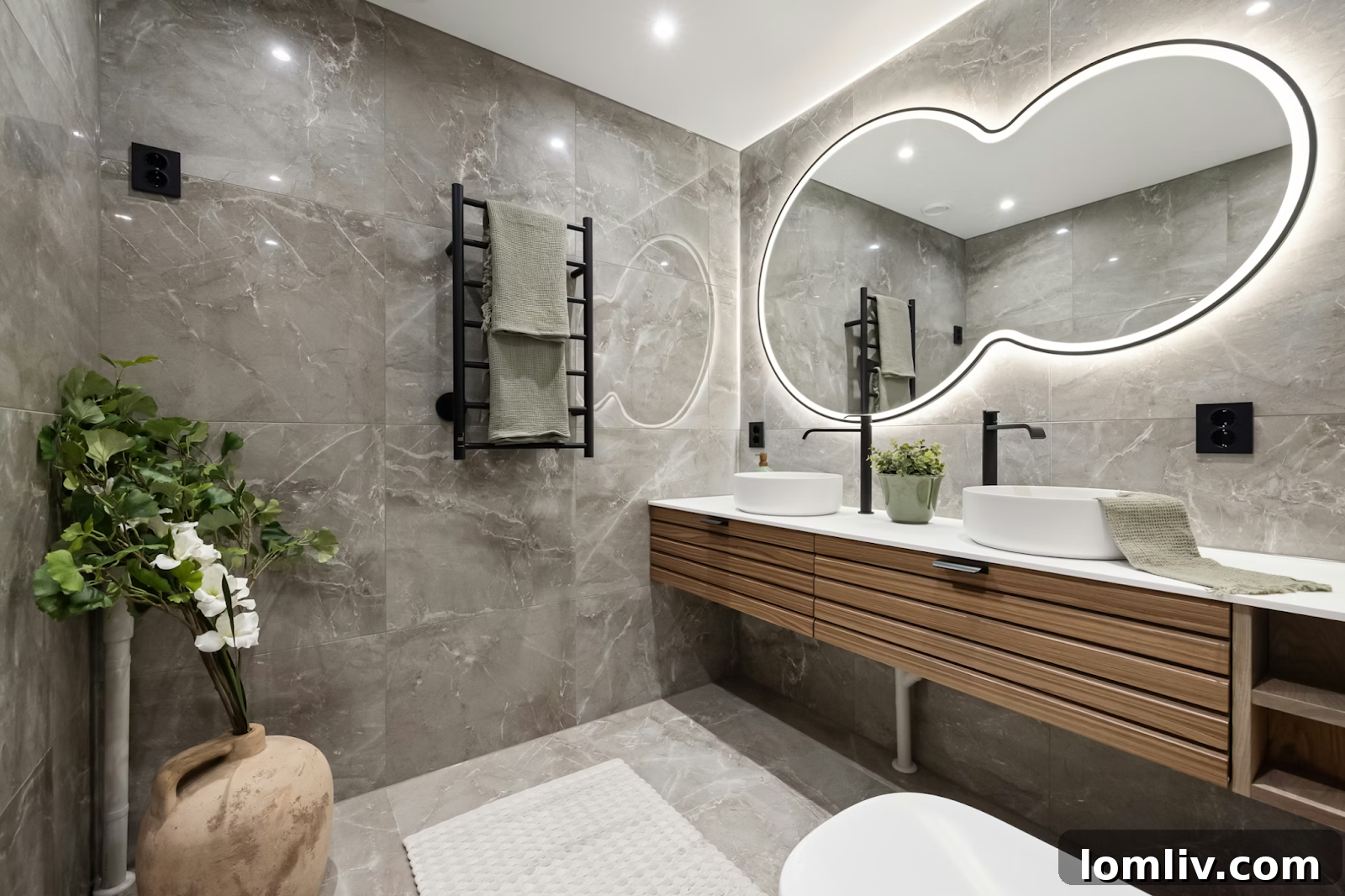
The longevity, hygiene, and aesthetic appeal of your bathroom hinge entirely on superior water management. A well-designed bathroom actively prevents moisture issues, ensuring it ages gracefully rather than succumbing to mould, dampness, and structural deterioration. Proper zoning of wet areas is critical, meticulously directing water precisely where it needs to go. This involves carefully sloping floors towards drains, ensuring water moves efficiently away from entry points, vanity units, and storage areas, preventing pooling and saturation of surfaces.
Beyond surface water management, the unseen layers of waterproofing are absolutely vital. Always specify compliant waterproofing membranes installed by licensed and experienced applicators, particularly in critical wet zones like showers, around baths, and floor areas. These membranes form an impermeable barrier, protecting the underlying wall and floor structure from water ingress, which can otherwise lead to extensive damage and costly repairs. As previously mentioned, maintaining strong ventilation by running extractors for at least 10-15 minutes post-shower is equally important to remove airborne moisture before it settles on surfaces.
Planning Your Waterproofing Layers: Essential Considerations for Durability
Effective bathroom waterproofing requires meticulous planning and precise execution to prevent costly future issues related to water damage and mould. Here are key considerations that ensure your bathroom remains dry, beautiful, and compliant:
- Licensed Applicators for Membrane Work: For any areas requiring compliant waterproofing membranes (e.g., shower areas, wet rooms, and bathroom floors in specific situations), always engage licensed and certified applicators. Their expertise ensures the work meets stringent regulatory standards, building codes, and warranty requirements, providing essential peace of mind and protecting your investment.
- Select Drains Matching Water Flow Rates: Choose floor wastes and shower drains that are appropriate for the expected volume of water and the aesthetic of your design. Linear drains, for instance, can handle higher flow rates and offer a sleek, minimalist aesthetic, while traditional point drains require precise floor falls from all directions towards the drain.
- Detail Upturns at Walls and Niches Carefully: Waterproofing membranes must extend up walls (known as upturns) and into any niches or recesses within the shower area to create a continuous, seamless, and fully encapsulated barrier. These intricate details are critical to preventing water from wicking into wall cavities, which can lead to hidden structural damage and mould.
- Confirm Ventilation Meets Standards: Reiterate and double-check that your bathroom’s ventilation system delivers at least 25 litres per second of airflow, exhausting directly outdoors. Adequate ventilation is the primary line of defence against airborne moisture and subsequent condensation and mould growth, preventing a damp, unhealthy environment.
For homeowners planning a DIY project or engaging with a professional tiler, understanding the specifics of waterproofing is invaluable. This comprehensive walkthrough provides clear, plain-language answers to the common question: What do I need to waterproof a bathroom? It offers crucial insights into the materials and processes involved.
Choosing Heating and Cooling Systems: Tailored for New Zealand Life
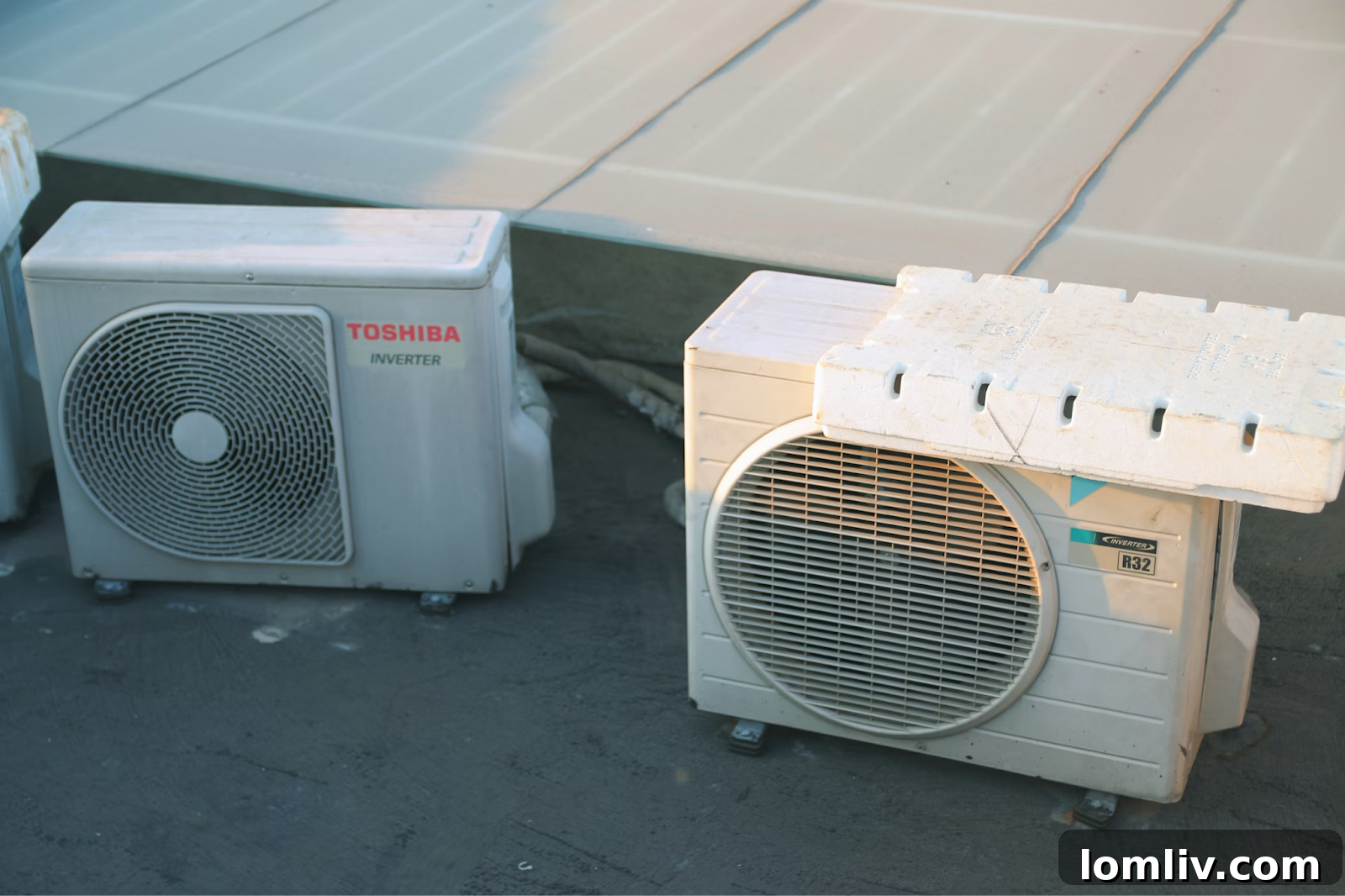
The choice of heating and cooling system is a significant long-term investment that profoundly impacts your home’s comfort, energy bills, and overall liveability. Making an informed decision once ensures it’s the right fit for your home, lifestyle, and New Zealand’s diverse climate. For most Kiwi homes, electric heat pumps stand out as the most efficient and lowest cost-to-run option available. Modern heat pumps are incredibly efficient, typically delivering 3-5 times more heat energy than the electricity they consume. This superior Coefficient of Performance (COP) makes them a highly economical and environmentally friendly choice for year-round comfort. The key to maximising their efficiency and comfort is to “set and forget” them at a consistent temperature, ideally between 18-21°C in winter and 24-26°C in summer, rather than constantly adjusting them. This prevents temperature fluctuations and helps to maintain a stable, comfortable indoor environment with minimal energy spikes.
In New Zealand’s often-humid climate, a quality dehumidifier can be an invaluable companion to your heat pump. Dehumidifiers consume significantly less energy than heat pumps while dramatically improving the perceived comfort of a room by removing excess moisture from the air. Drier air feels warmer in winter, allowing you to set your thermostat lower for the same comfort, and cooler in summer, reducing the load on your air conditioning. By operating a dehumidifier first, especially on particularly muggy days, you can make your heat pump work more efficiently, as it doesn’t have to expend additional energy removing moisture before heating or cooling the air. This combination makes a noticeable and tangible difference to comfort levels, particularly in regions like Auckland where humidity is a constant factor.
Auckland-Specific Climate Solutions: Embracing the Humid Subtropics
Auckland’s unique climate, characterised by warm, humid summers and mild, often damp winters, demands a specific and strategic approach to heating and cooling solutions. Here, the primary focus often shifts from extreme heating needs to quiet, efficient cooling and robust humidity control, which are crucial for year-round comfort and preventing moisture-related issues.
During summer, set your cooling systems around 24-26°C. This range provides comfortable cooling without over-chilling the space, which can be energy-intensive and contribute to higher bills. Crucially, aim to maintain indoor humidity between 40-60%. On cooler summer evenings, consider a “night purge” – opening windows and doors on opposite sides of your home to allow cooler, drier outdoor air to naturally ventilate and cool your home, reducing reliance on mechanical cooling systems. Using ceiling fans can also provide a perceived cooling effect, allowing higher thermostat settings.
When selecting a system, a single split system heat pump is often ideal for smaller to medium-sized individual rooms or open-plan living areas, offering targeted comfort. For comprehensive, multi-room comfort and seamless integration throughout the entire home, a ducted heat pump system distributes conditioned air via discreet ceiling or floor vents. Regardless of the system type, ensure outdoor units are strategically placed away from bedrooms or quiet zones to minimise noise disruption for you and your neighbours. Regular maintenance is key: clean heat pump filters quarterly to ensure optimal performance, efficiency, and to maintain excellent indoor air quality by trapping dust and allergens.
If you’re in Auckland and seeking a precisely sized, quiet, and efficient residential air conditioning system designed to handle our specific conditions, obtaining a local, expert quote from Airmc via this residential air conditioning Auckland link is highly recommended. Professional assessment ensures your system is perfectly matched to your home’s unique needs and the local climate.
Your Seasonal Home Comfort Playbook: Smart Routines for Year-Round Wellbeing
Maintaining a consistently comfortable and healthy home doesn’t require constant, drastic interventions or major expenses. Instead, a consistent seasonal maintenance playbook, incorporating small yet impactful routines, can significantly enhance comfort, preserve your home’s integrity, and often reduce energy bills throughout the year.
Summer Strategies: Embracing the Breeze and Beating the Heat
- Maximise Cross-Breezes: In the early mornings and evenings when outdoor temperatures are lower, strategically open windows on opposite sides of your home to create natural cross-ventilation. This effectively flushes out warm, stale indoor air and brings in fresh, cooler air, naturally cooling your home.
- Strategic Window Shading: Actively close curtains, blinds, or external awnings on sun-facing windows during the hottest parts of the day. This simple action prevents significant solar gain from heating up your interiors, reducing the load on your cooling systems.
- Run Dehumidifiers on Muggy Nights: Even if temperatures aren’t excessively high, high humidity can make summer nights feel oppressive and disrupt sleep. A dehumidifier can dramatically improve sleep comfort by drying the air, making the room feel cooler and fresher.
- Utilise Ceiling Fans: Ceiling fans don’t actually lower the room’s ambient temperature, but they create a wind-chill effect on your skin, making you feel cooler. This allows you to set your air conditioning higher or reduce its use, saving energy while maintaining perceived comfort.
Winter Strategies: Trapping Warmth and Battling Damp
- Pre-heat Living Spaces: Program your heat pump or heating system to pre-heat living areas to a comfortable 18-20°C an hour or so before you typically occupy them. It’s generally more energy-efficient to maintain a consistent temperature than to rapidly heat a very cold room from scratch.
- Close Curtains Before Dusk: As discussed, closing full-length thermal curtains at dusk acts as a vital insulating barrier, trapping accumulated warmth inside and preventing heat loss through cold window panes.
- Wipe Condensation Each Morning: Make a habit of wiping down any window condensation every morning using a clean cloth or squeegee to prevent mould growth, water damage to sills and frames, and to improve indoor air quality.
- Check Door and Window Seals: Regularly inspect weather stripping and seals around all external doors and windows. Replace any worn, cracked, or damaged seals promptly to prevent cold draughts and significant heat loss.
Year-Round Maintenance: The Foundations of a Healthy Home
- Clean Heat Pump Filters Quarterly: Dirty heat pump filters restrict airflow, making your unit work harder, reducing its efficiency, and negatively impacting indoor air quality by circulating dust and allergens. Clean them every three months, or more frequently if you have pets or live in a dusty environment.
- Inspect and Seal Draughts: Periodically re-inspect your home for new or overlooked draughts around electrical outlets, light fixtures, plumbing penetrations, and where walls meet floors. Seal any detected gaps with appropriate caulk, weather stripping, or gap filler.
- Ensure Gutters are Clear: Regularly clean gutters to prevent blockages. Clear gutters ensure rainwater is directed away from your home, preventing overflow, which can lead to moisture ingress into walls, foundations, or subfloor areas.
- Check for Leaks: Regularly inspect all visible plumbing for leaks, both large and small. Even minor, hidden leaks can contribute significantly to dampness, mould growth, and structural damage over time. Address any leaks promptly.
Conclusion: A Holistic Approach to a Healthier Kiwi Home
The journey towards a warmer, drier, and calmer New Zealand home is a comprehensive one, beginning with a clear understanding of current conditions and a strategic, step-by-step approach to improvements. It starts with accurate measurement of internal temperature and humidity, followed by targeted thermal envelope fixes to minimise heat loss in winter and heat gain in summer. Crucially, mastering moisture control at its source through effective ventilation, smart household habits, and appropriate building materials is paramount for long-term home health. Only after these foundational steps are firmly in place should you move to selecting and optimising right-sized heating and cooling systems that complement your home’s improved efficiency.
Auckland’s unique climate, with its pronounced humidity, makes proper ventilation and dehumidification just as, if not more, important than heating in many instances. Always aim to keep indoor relative humidity below 60% to prevent mould and dust mites, and maintain temperatures at or above 18°C for optimal health and comfort, aligning with WHO recommendations. For more complex upgrades, major renovations, or new installations, engaging licensed and experienced professionals is always recommended to ensure compliance, quality, and lasting results. Additionally, proactively check with your local council and energy providers for any available rebates, grants, or subsidies that can help offset the cost of energy-efficient home improvements, making a healthier home more accessible. By adopting these holistic principles, you can transform your home into a truly comfortable, healthy, and energy-efficient sanctuary for years to come.
Frequently Asked Questions About Home Comfort in New Zealand
What temperature should I set my heat pump to in winter?
For optimal comfort and energy efficiency in living spaces, set your heat pump between 18-21°C. The World Health Organisation recommends a minimum of 18°C for the general population to maintain health. It’s best to use a “set and forget” approach rather than frequently adjusting the temperature. This maintains consistent comfort, prevents rapid cooling or heating cycles which consume more energy, and helps prevent condensation buildup by keeping surfaces warmer and air consistently conditioned.
How do I know if my extractor fan is strong enough?
Healthy Homes standards require kitchen extractors to have a minimum capacity of 50 litres per second, and bathroom extractors need at least 25 litres per second, with both venting directly outdoors. A simple test is to hold a piece of tissue paper to the grille while the fan is running; if it’s held firmly against the fan, the suction is likely adequate. If steam lingers in the room after cooking or showering, or the tissue test is weak, consider upgrading your fan or installing a longer run-on timer to ensure all moisture is effectively expelled.
Do plants clean indoor air enough to skip ventilation?
While plants contribute positively to aesthetics, reduce stress, and can improve mental wellbeing, scientific research, including studies by NASA, confirms that typical houseplants do not meaningfully improve indoor air quality by removing significant amounts of pollutants in a standard home environment. Their air-purifying capacity is minimal compared to the large volume of air in a room. Therefore, plants should be used for their aesthetic and psychological benefits, but always prioritise effective source control of pollutants and robust mechanical ventilation systems for maintaining genuinely healthy indoor air quality.
What’s the cheapest effective window upgrade right now?
For an immediate and budget-friendly improvement, DIY shrink-wrap window film is your most cost-effective option for existing single-glazed windows. This film creates an insulating air pocket, significantly reducing heat loss through single-glazed panes for a fraction of the cost of full double glazing. For maximum quick-win performance, combine this film with tightly fitted, full-length, thermally lined curtains and a pelmet to trap an insulating layer of air and effectively block cold draughts, further enhancing warmth and comfort.
How can I easily check for draughts in my home?
A simple and effective method is the “smoke test.” Light an incense stick or a thin candle (carefully!) and slowly move it along the edges of windows, doors, electrical outlets, recessed light fixtures, and where walls meet floors or ceilings. If the smoke wavers erratically, is drawn into a gap, or is pushed away, you’ve identified a draught. This visual method quickly highlights problem areas that need sealing with weather stripping, caulk, or gap filler to improve your home’s thermal envelope.
Is it better to leave my heat pump on low all day or turn it off when I leave?
For optimal comfort and often better energy efficiency, particularly in a well-insulated home, it’s generally more effective to leave your heat pump running at a consistent, comfortable temperature (e.g., 18-21°C) throughout the day, even when you’re out for a few hours. Continuously heating a very cold room from scratch requires a significant energy burst. Maintaining a steady temperature minimises fluctuations, reduces stress on the unit, and helps prevent condensation. If you’re away for extended periods (several days), then turning it off makes sense. For shorter absences, a consistent setting with a slight setback if available is usually the best strategy.