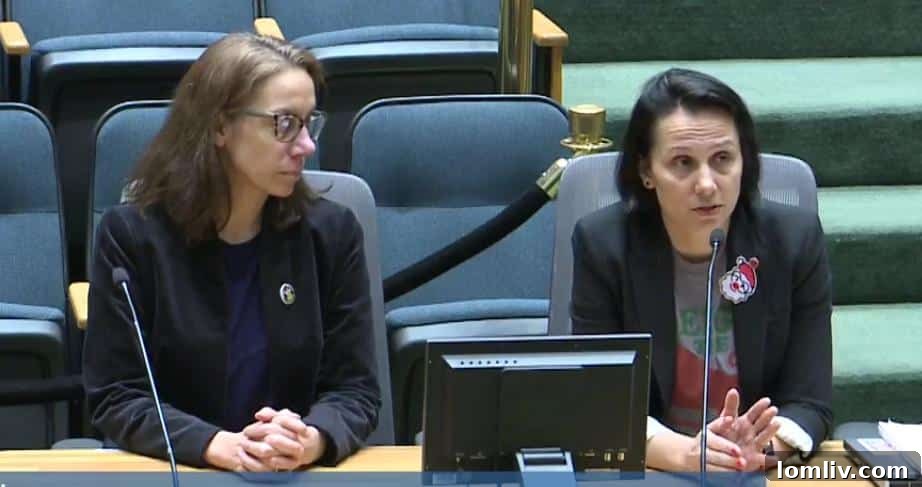
The Dallas City Council is set to revisit a critical decision concerning the future of neighborhood childcare facilities in February. This pivotal discussion centers on whether to continue requiring a Special Use Permit (SUP) for these essential services, particularly within single-family residential zones. The upcoming deliberation follows a public hearing held on December 13, where diverse perspectives from residents and city officials illuminated the complex challenges and urgent needs facing Dallas communities.
At the heart of this debate lies the pressing issue of childcare accessibility in Dallas. City staff reports reveal a stark reality: licensed childcare facilities in Dallas can currently accommodate only about 37 percent of children under the age of five. This significant deficit means that more than half of the city is categorized as a “childcare desert,” a term that describes areas with an insufficient supply of licensed care options. Assistant Planning Director Andreea Udrea underscored this critical shortage, emphasizing that the scarcity extends to adult care homes as well, with only approximately 10 such facilities operating citywide. The recommendation put forth by the City Plan Commission (CPC) to address this crisis stems directly from a thorough analysis of these unmet needs, aiming to streamline the process for establishing vital care services.

The Burden of Special Use Permits on Childcare Facilities
Currently, a Special Use Permit (SUP) is mandated for both childcare and adult care facilities operating in zones designated for single-family residential, commercial services, light industrial, and industrial manufacturing uses. The City Plan Commission (CPC), after careful consideration, has recommended the elimination of this SUP requirement specifically for single-family zones. This recommendation seeks to alleviate a significant regulatory hurdle for potential childcare providers.
Councilman Chad West highlighted the core problem with the existing SUP requirement, describing it as “cumbersome and costly.” He argued that these permits impose an additional layer of bureaucratic complexity and financial strain on facilities that are already subject to extensive state and local regulations. West articulated a clear stance: “The City needs to get out of the way here. If anything, we should seek methods to make it easier for individuals to open licensed childcare facilities.” His perspective reflects a growing sentiment that streamlining regulations could be a crucial step toward expanding access to much-needed childcare services across Dallas.
The SUP process, by its nature, involves a lengthy application period, public hearings, and discretionary approval, adding months, if not years, and substantial legal and consulting fees to the startup costs of a new facility. For small businesses, particularly those looking to operate out of residential homes, these barriers can be insurmountable. Eliminating the SUP would shift the approval process for eligible facilities from a discretionary review to an “allowed by right” status, meaning they could operate if they meet standard zoning and safety requirements, without needing special permission specific to their use. This change could significantly reduce the time and expense involved, encouraging more providers to enter the market and helping to address the “childcare desert” crisis.
During the December hearing, several options were presented to the City Council. One key suggestion included approving the CPC’s recommendation with an amendment that would also allow childcare facilities “by right” in industrial zones. This proposal aimed to provide flexibility and expand potential locations for childcare providers beyond residential areas. However, seeking further public input and considering the widespread implications of such a change, Councilman Paul Ridley suggested deferring the item. The Council ultimately voted 8-7 to postpone the final decision until February 14, granting more time for community engagement and comprehensive review.
Neighbor Feedback: Balancing Access with Community Concerns
The public hearing brought forward a range of perspectives, particularly from residents concerned about the impact of commercial operations in their residential neighborhoods. Debbie Solis, a District 6 resident from the Ledbetter Gardens neighborhood, articulated significant safety concerns. She pointed out that many streets in her community are narrow and lack sidewalks, making them unsuitable for increased traffic and activity associated with childcare facilities.
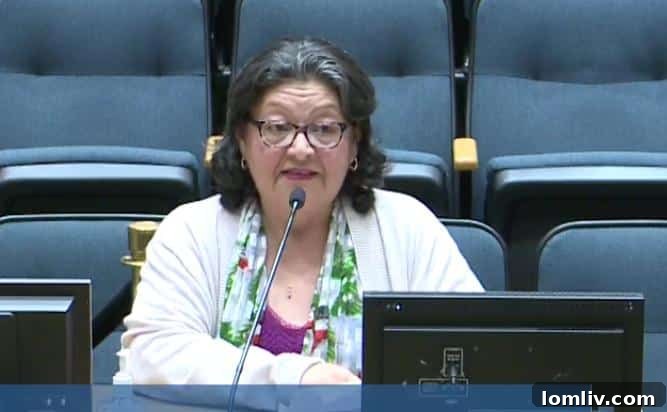
“If we allow daycares without an SUP in my community, it would be a safety concern,” Solis stated. “Not all streets are built to have daycares. Drive around West Dallas and you will understand why we are so concerned.” Her concerns extend beyond traffic and infrastructure. Solis also cited issues with an existing adult residential care facility in her neighborhood, reporting problems with parking congestion and crime, alongside a perceived lack of supervision. She voiced apprehension that removing the SUP requirement could lead to an influx of similar facilities in West Dallas without adequate state or city oversight, potentially eroding the residential character and safety of her community.
Jonathan Vinson, representing Parkland Hospital, spoke on behalf of Annie’s Place, a vital childcare facility located within the Parkland campus. Annie’s Place serves hospital employees and residents attending medical appointments, offering crucial support to a large workforce and the broader community. Vinson expressed concern that if zoning requirements were altered for existing daycare facilities in industrial zones, Annie’s Place could inadvertently become noncompliant, jeopardizing its ability to operate seamlessly. “Our request is to be allowed to continue operating by right,” he emphasized, underscoring the importance of regulatory stability for established providers. He expressed strong support for language that would ensure childcare facilities can continue to operate by right across various existing zoning districts, preserving essential services without unnecessary disruption.
Council Members Weigh In: The Push for Data-Driven Decisions
The City Council’s discussion also delved into the process of public notification and the need for robust data to inform such city-wide policy changes. Assistant Planning Director Andreea Udrea clarified that city staff followed standard procedures for advertising the proposed development code change, including notices in the local newspaper of record and direct notifications to existing childcare providers. However, this level of outreach was deemed insufficient by some council members.

Councilman Paul Ridley, representing District 14, raised significant concerns about the scope and effectiveness of the notification process, particularly noting that neighborhood associations were not directly contacted about this “citywide amendment.” Ridley also critiqued what he described as “anecdotal reporting” and a perceived lack of comprehensive data to support the urgent need for more care facilities. “There has been an outpouring of emails from people in residential neighborhoods saying they weren’t aware of this coming down and they would like additional time to consider its implications so we can hold town halls for that purpose,” Ridley explained, advocating for more inclusive public input.
Ridley stressed the importance of data-driven policy-making, stating, “I’m not necessarily opposed to this ordinance, but I think if we’re going to be true to our pledge to be data-driven we need to be able to justify any development code amendment that affects the entire city and all of the residents in residential areas.” His call for more rigorous data emphasizes the need to quantify the actual demand for childcare, identify specific “childcare deserts” with precision, and understand the potential impacts on traffic, parking, and neighborhood character across various zones. Such data would provide a clearer picture for informed decision-making, allowing the city to implement solutions that are both effective and equitable.
Conversely, Councilman Chad West reiterated his support for the proposed changes, framing the ordinance not as being “against neighborhoods,” but rather “for those who need childcare and cannot obtain childcare now because there are not enough facilities and not enough access to it in their neighborhoods.” West’s perspective highlights the social equity aspect of childcare access, emphasizing that restrictive regulations disproportionately affect working families, especially those in low-income areas or single-parent households. For these families, proximity to affordable and reliable childcare is not a convenience but a necessity, impacting employment stability, economic mobility, and child development outcomes.
The Path Forward: Balancing Community Needs and Regulatory Relief
The deferral of the decision to February 14 provides the Dallas City Council with a crucial opportunity to delve deeper into these multifaceted issues. The debate underscores a fundamental tension: the critical need to expand childcare access for thousands of Dallas families versus the legitimate concerns of residents seeking to preserve the character and safety of their neighborhoods. Striking the right balance will require innovative solutions and a willingness to consider various compromises.
Potential solutions could include not just eliminating the SUP for all single-family zones, but perhaps introducing a tiered approach. This might involve allowing smaller, home-based childcare facilities to operate “by right” with specific operational guidelines (e.g., limits on child capacity, parking requirements, noise restrictions) while maintaining an SUP for larger facilities that might have a more significant impact on neighborhood infrastructure. Alternatively, the city could explore incentives for childcare providers to open in commercial or mixed-use zones, thereby alleviating pressure on purely residential areas. Furthermore, investing in infrastructure improvements in areas identified as “childcare deserts” – such as sidewalks and traffic calming measures – could help mitigate some of the safety concerns raised by residents.
The upcoming February meeting will likely be a landmark discussion for Dallas, as it will determine the regulatory framework for childcare facilities for years to come. The council’s decision will have profound implications for working parents, childcare providers, and the overall economic vitality and social fabric of the city. A truly data-driven approach, combined with extensive community input and a commitment to finding equitable solutions, will be essential in navigating this complex issue and building a Dallas where every child has access to quality care and every neighborhood thrives.