While a good roof joke might offer a moment of levity – perhaps one about it being “on the house” or going “over your head” – the reality of roof damage is no laughing matter. As one of your home’s most vital components, the roof serves as its primary shield against the elements, protecting everything and everyone inside. Unfortunately, it’s also one of the most significant investments, and when problems arise, the costs can be substantial. Understanding common roof problems, their causes, and how to address them is crucial for every homeowner. The best course of action often involves ensuring your roof is covered by a robust homeowners insurance policy or a comprehensive warranty. This guide delves into critical issues we frequently encounter during home inspections, offering insights you can use to safeguard your property.
Your roof is an intricate system, not just a collection of shingles. It includes the decking, underlayment, flashing, ventilation, and gutters, all working in harmony to keep your home dry and structurally sound. Neglecting any part of this system can lead to a cascade of problems, from minor leaks to significant structural damage. Proactive maintenance and timely inspections are your best defense against costly repairs and premature roof replacement. Let’s explore some of the most common and often overlooked roof issues that diligent home inspectors bring to light.
The Perils of Painting Your Roof Shingles
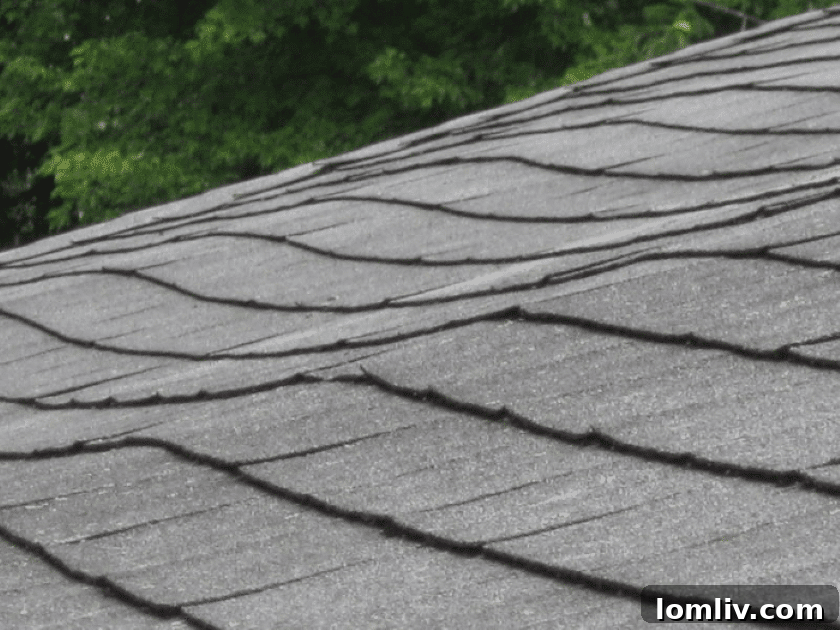
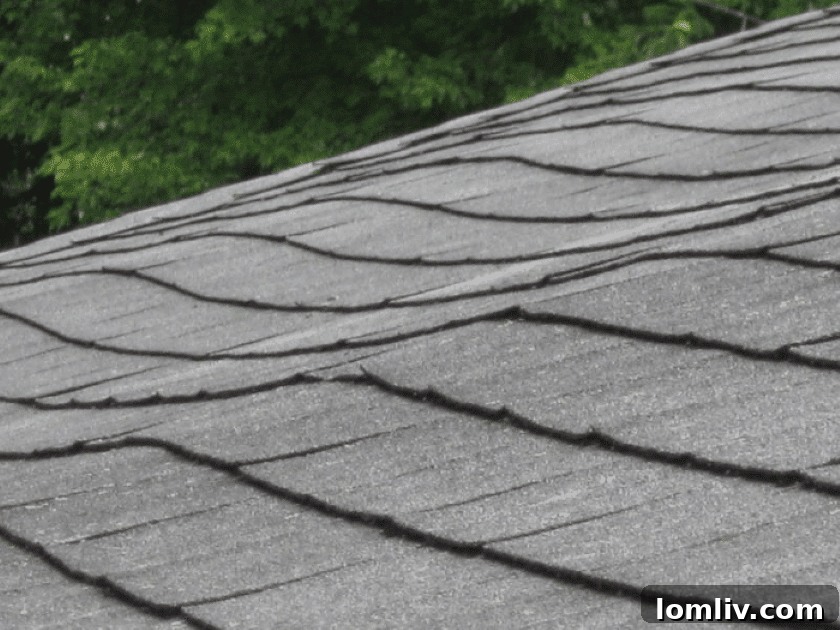
It might seem like a clever shortcut: an aging or discolored roof could appear revitalized with a fresh coat of paint. However, what appears to be a cosmetic upgrade is, in fact, a significant detriment to your roof’s health and longevity. Painting asphalt shingles, in particular, is a practice strongly discouraged by roofing professionals and manufacturers alike, and for very good reason.
Firstly, paint effectively seals the shingle surface, preventing it from breathing. This trapping of moisture underneath the paint layer creates an ideal environment for mold and mildew growth, accelerating the deterioration of the shingle material. The embedded granules on asphalt shingles are designed to reflect UV rays and protect the underlying asphalt. Painting over these granules significantly diminishes their protective function, causing the shingles to absorb more heat. This increased heat absorption can lead to higher attic temperatures, which in turn can escalate your home’s cooling costs and further degrade the roof’s structural integrity over time. Moreover, the paint itself can crack, peel, and blister, creating an unsightly and even more damaged appearance than before.
Watch a home inspector demonstrate issues that painting a roof can cause on TikTok: @greenscenehome – That’s one way to make an old roof look new. But you’re voiding any warranty that the roof may have by doing this.
Perhaps the most critical consequence of painting your roof is the immediate voiding of any existing manufacturer’s warranty. Roofing material manufacturers explicitly state that altering the shingles in this manner renders their warranty null and void. This means if any issues arise with your roof, even those unrelated to the paint, you will be solely responsible for the repair or replacement costs, potentially losing thousands of dollars in coverage. Instead of painting, consider professional cleaning services to remove algae and stains, or, if the roof is truly at the end of its lifespan, invest in a proper repair or replacement with materials designed for durability and aesthetics. Ignoring this advice can lead to greater expense and heartache down the road.
Unveiling Hidden Damage: The Importance of a Thorough Roof Inspection
Many critical roof problems are simply invisible from the ground. A casual glance from your driveway won’t reveal the subtle signs of impending failure or existing damage. This is precisely why a comprehensive roof inspection by a qualified professional is indispensable. An inspector who is willing and able to safely walk the roof surface provides the most detailed assessment, identifying issues that are otherwise impossible to detect.
During a thorough roof walk, an inspector can meticulously examine shingles for signs of cracking, curling, blistering, or excessive granule loss, all indicators of an aging or damaged roof. They can check for proper nailing, assess the condition of sealant strips, and inspect crucial transition points where different roof planes meet or where penetrations like chimneys and vents are located. It’s at these junctions that flashing plays a vital role in preventing water intrusion. Missing, damaged, or improperly installed flashing around chimneys, skylights, and vent pipes is a common culprit for leaks, allowing moisture to seep into the attic and compromise structural elements. For instance, the video shows an inspector finding missing flashing around a chimney cricket, exposing the structure to elemental deterioration and granting easy access for critters.
For roofs that are too steep, too fragile, or too high to be safely walked, modern inspection techniques offer an excellent alternative: drone technology. Drone cameras can capture high-resolution images and video of every square inch of your roof, providing a safe yet incredibly detailed view. This method is particularly effective for large properties or complex roof designs, ensuring no critical area is overlooked. These inspections can reveal subtle issues like displaced shingles, compromised flashing, or even early signs of pest infestations. The presence of materials like steel wool, as noted in the original content, is often a telltale sign of previous or ongoing rodent and squirrel activity, indicating vulnerabilities that need professional sealing beyond simple caulking. Proper flashing installation by a certified roofer is the only durable solution for such critical areas, preventing not only water damage but also unwanted animal guests from turning your attic into their new home.
When Foundation Damage Casts a Shadow on Your Roof
The saying “everything is connected” holds particularly true in home construction. While foundation damage might immediately bring to mind cracked walls or sticking doors, its repercussions can extend far beyond the lowest levels of your home, critically impacting the very top: your roof. A home’s foundation provides the essential structural support for the entire building. When this support system falters due to settling, expansive soils, or water damage, the entire house can shift and settle unevenly.
These shifts in the foundation create immense stress throughout the home’s frame. Walls can lean, floors can sag, and crucially, the framing that supports your roof can twist and become misaligned. This structural compromise can lead to noticeable issues on the roof, such as a visible sag in the ridge line, uneven roof planes, or gaps forming where different sections of the roof meet. This uneven stress can cause shingles to buckle or crack, flashing to pull away from its intended seal, and even the roof decking itself to become compromised. Such damage makes the roof far more susceptible to leaks and premature failure, transforming what might initially appear as a localized roof problem into a symptom of a much larger, systemic issue.
Watch a video on Instagram showing roof damage caused by foundation problems: A post shared by Green Scene Home Inspections (@greenscenehome)
The video linked above dramatically illustrates how severe foundation issues can manifest as significant roof damage. Addressing roof damage that stems from a failing foundation requires a holistic approach. Simply repairing the roof without rectifying the underlying foundation problem is akin to putting a bandage on a broken bone; the symptoms might be temporarily masked, but the root cause will continue to wreak havoc. Early detection of foundation issues through regular home inspections can save homeowners from a cascade of expensive repairs, safeguarding both the structural integrity and long-term value of their property.
New Doesn’t Always Mean Perfect: Roof Details on New Construction Homes
Many homebuyers mistakenly believe that a brand-new home comes with a flawless roof, free from any defects. While new construction typically offers the advantage of modern materials and current building codes, it is by no means immune to installation errors or oversight. In fact, some of the most frustrating roof issues can arise in new homes, often due to rushed construction schedules, inexperienced crews, or simple human error.
The example of missing flashing around a section of a brand-new roof, as highlighted previously, serves as a powerful reminder of this reality. Flashing, whether around chimneys, valleys, skylights, or wall junctures, is a critical component designed to divert water away from vulnerable areas of the roof. If it’s missing, improperly installed, or made from an inferior material, it creates an immediate vulnerability for water intrusion. This seemingly minor detail can lead to significant problems down the line, including wood rot, mold growth in the attic, damaged insulation, and compromised interior finishes – all within a home that’s only recently been completed.
This is where the value of independent inspections, such as a standard home inspection or a phase inspection during the construction process, becomes invaluable. Catching such slip-ups early, especially when the roof is brand new, often means the builder or roofing contractor can correct the problem at no additional cost to the homeowner, typically under warranty. Waiting until damage becomes evident (e.g., a leak appears inside the home) can complicate matters, potentially turning a simple repair into a more extensive and costly remediation. Always ensure your new construction home undergoes thorough inspections at various stages, including a detailed roof assessment, to prevent these “new roof” headaches from ever occurring.
Proactive Roof Care: Protecting Your Investment
Maintaining the integrity of your roof doesn’t always require a professional inspection, though regular expert assessments are highly recommended. There are several proactive steps homeowners can take to extend the life of their roof and prevent common issues. Simple tasks like regularly cleaning gutters and downspouts are crucial. Clogged gutters can cause water to back up, leading to fascia and soffit damage, and even ice dams in colder climates, which can force water under shingles. Trimming overhanging tree branches prevents debris accumulation on the roof, reduces the risk of impact damage during storms, and minimizes abrasive wear on shingles. Furthermore, a simple visual inspection from the ground with binoculars can often reveal early signs of trouble, such as missing shingles, sagging areas, or dislodged flashing.
Beyond visual checks, ensuring proper attic ventilation is paramount. Adequate ventilation helps regulate attic temperature and moisture levels, preventing heat buildup that can prematurely age shingles and condensation that can lead to wood rot and mold. Installing ridge vents and soffit vents, and ensuring they are clear and unobstructed, contributes significantly to your roof system’s overall health. Investing a little time in preventative care can yield substantial savings by delaying the need for major repairs or even a full roof replacement, ensuring your roof continues to perform its essential function effectively for years to come.
Navigating Warranties and Homeowners Insurance for Roof Damage
Understanding your roof’s warranty and your homeowners insurance policy is just as important as physical maintenance. Most new roofs come with both a manufacturer’s warranty, covering defects in the materials, and a contractor’s warranty, covering installation workmanship. These warranties typically last for a specific period, and knowing what they cover (and what they explicitly exclude, like the aforementioned painting of shingles) is vital. Always keep a record of your warranty documents and the details of your roofing contractor.
Homeowners insurance generally covers roof damage caused by sudden, accidental events like severe storms, hail, wind, fire, or falling objects. However, policies usually exclude damage resulting from neglect, poor maintenance, or normal wear and tear over time. For example, a leak caused by years of ignored minor shingle damage might not be covered, while a leak caused by a tree falling on your roof during a storm almost certainly would be. In the event of damage, contact your insurance provider promptly, gather all necessary documentation (photos, inspection reports), and be prepared to work with them and a reputable roofing contractor for assessments and quotes. A clear understanding of your coverage can significantly alleviate the financial burden when unforeseen roof problems arise.
To conclude, whether you’re dealing with an old roof or moving into a brand-new home, vigilance is key. It’s like Rick Astley always said, he’s never gonna let you down, and neither should your roof! But seriously, if roofing worries keep you up at night, don’t hesitate to contact a qualified roofer for a professional inspection and a free, no-obligation quote. They can help you understand your options, work with your insurance provider, and ensure your home’s most critical protector is in top condition. And above all, if you are in the process of buying a home, make it an absolute priority to hire a reputable home inspector who will always walk the roof!