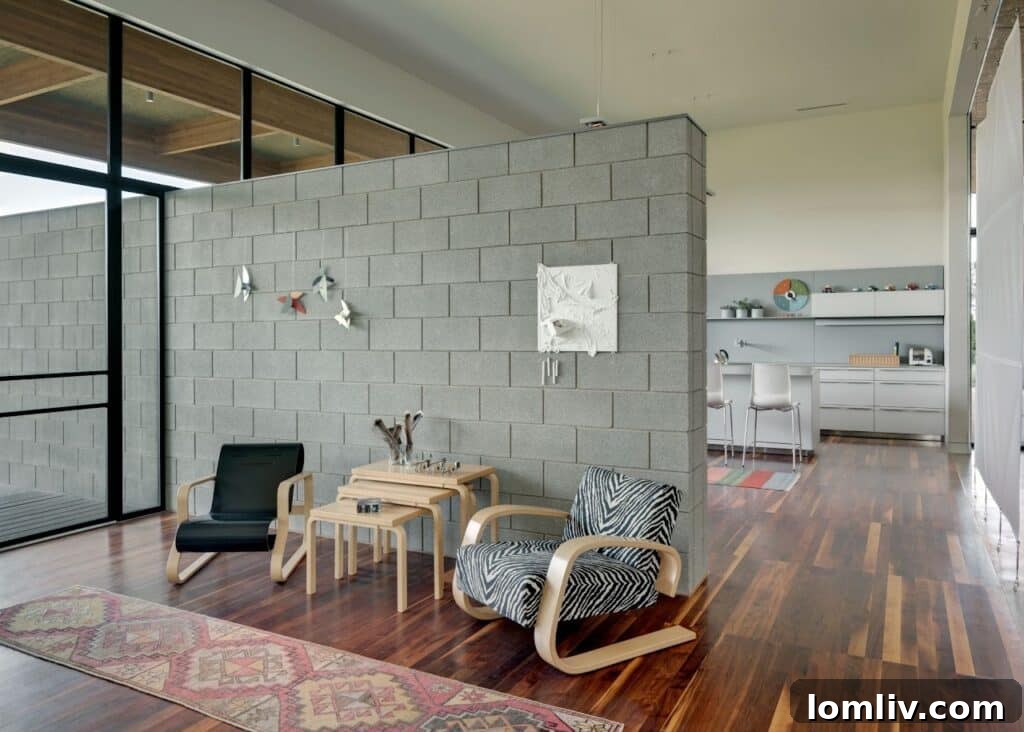

The Fort Worth chapter of the American Institute of Architects (AIA) is thrilled to announce its eagerly anticipated 2023 Homes Tour, marking its first full-scale event since the pandemic. This exclusive tour invites architecture enthusiasts, potential homeowners, and design professionals to explore five distinct and inspiring residential projects designed by talented local architects. Showcasing a remarkable range of styles, scales, and innovative solutions, the tour promises a captivating journey through Fort Worth’s thriving architectural landscape. Join us on Saturday, September 16, from 10 a.m. to 4 p.m., for an unparalleled glimpse into contemporary and renovated homes that redefine modern living in the city.
Each of the five featured projects is thoughtfully designated from A to E, representing a curated selection that highlights the diversity and creativity within the Fort Worth architectural community. The specific addresses for these exceptional homes will be conveniently posted on the official Fort Worth AIA website in the days leading up to the tour, ensuring attendees have ample time to plan their route. Participation is made accessible through the purchase of tickets, priced at $25. You can secure your spot by purchasing tickets online via Eventbrite, or conveniently on the day of the tour at any of the featured homes. This self-guided tour offers a unique opportunity to immerse yourself in the creative vision and meticulous execution of Fort Worth’s leading architects.
House A: The Art of Compact Living by 97w
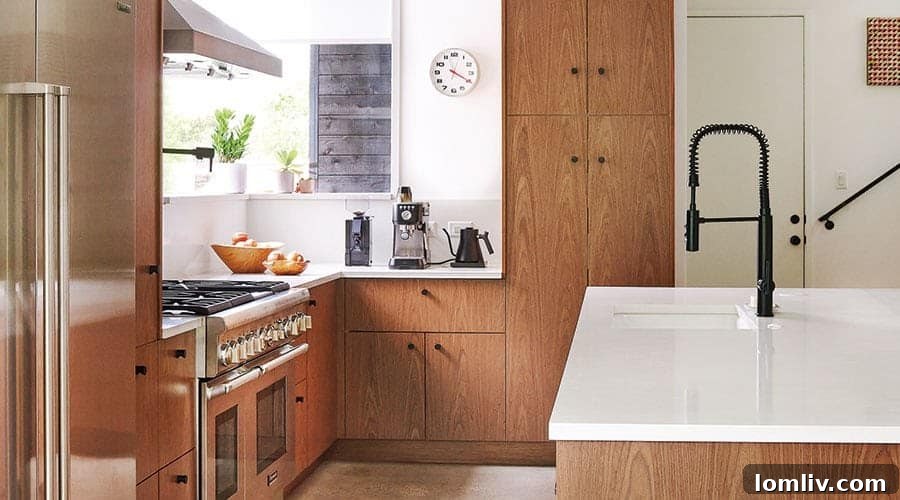
Completed in 2019, House A stands as a testament to intelligent design within a compact footprint. This remarkable residence, spanning just 1,910 square feet on College Avenue, masterfully demonstrates how architectural ingenuity can pack immense value into limited urban space. The project is the innovative brainchild of the esteemed architectural team Jason Eggenburger, AIA, and Steven Halliday, AIA, the dynamic duo at the helm of the firm 97w. The firm’s name itself is a proud nod to Fort Worth’s unique geographical identity, referencing its longitude and embedding a deep sense of local connection into their work.
The home boasts a unique and challenging siting, nestled near the rail tracks between the historically rich neighborhoods of Ryan Place and Hemphill Heights. This urban context presented an opportunity for 97w to create a structure that is both robust and contextually sensitive. Architecturally, the house is characterized by its bold, modernist aesthetic, essentially comprising two powerful blocks thoughtfully stacked one upon the other. This configuration not only defines its striking exterior but also influences its internal spatial dynamics. A charming fireplace graces the ground-level east wall, offering warmth and a focal point for gathering. The second floor is ingeniously designed around a central stairwell, which acts as a vertical conduit for light, drawing in an abundance of soft, northern illumination through strategically placed vertical windows. This design maximizes natural light penetration while maintaining privacy from the urban surroundings. Furthermore, a thoughtfully positioned balcony offers an elevated vantage point, overlooking the bustling street below and providing a tranquil outdoor retreat. House A exemplifies how thoughtful design can transform spatial constraints into unique architectural advantages, creating a highly functional and aesthetically pleasing modern home.
House B: A Timeless Mid-Century Modern Revival by Albert S. Komatsu
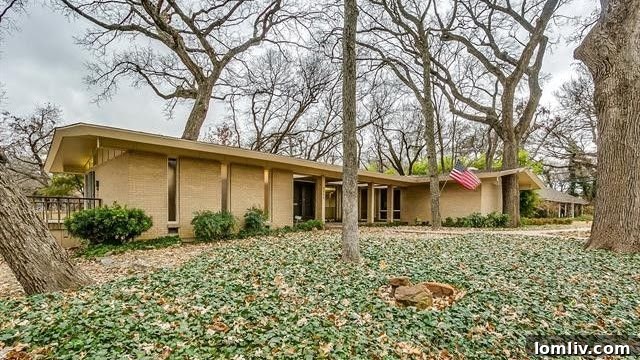
Among the curated selections on this year’s tour, House B proudly stands as the oldest construction, originally built in the distinctive year of 1963. What makes this home truly extraordinary is its recent and comprehensive renovation, masterfully supervised by none other than its original architect, Albert S. Komatsu. For connoisseurs of Fort Worth architecture, Komatsu’s name resonates deeply; his pioneering work has been featured on these pages multiple times, and he is widely celebrated for his iconic contributions to the city, most notably his exquisite design of the Fort Worth Japanese Gardens.
The recent “do-over” of House B was an ambitious undertaking, entailing substantial and meticulous upgrades to both its foundational infrastructure and its intricate design details. The remarkable aspect of this project is that the now 97-year-old architect was re-engaged by the new owners just two years ago, bringing his profound vision and expertise back to a structure he first conceived six decades prior. His work on this renovation showcases an extraordinary vigor, an unparalleled relevance, and a profound respect for his original mid-century modern aesthetic, seamlessly integrating it with contemporary living standards. It’s truly incredible to witness an artist revisit one of their seminal projects 60 years later, breathing new life into it while preserving its soul.
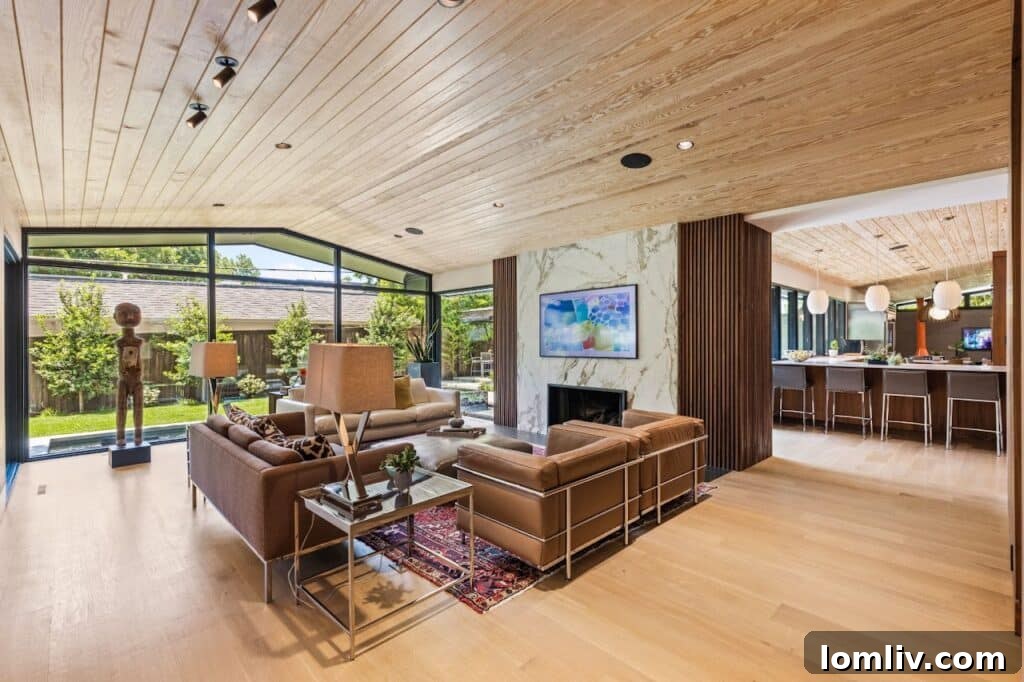
The main living area of House B has been infused with an added layer of luxury and sophistication, now featuring elegant plank flooring that complements the newly refined ceiling. A striking detail is the marble-faced fireplace, adorned with exquisite walnut end caps, creating a refined focal point that harmonizes classic materials with modern finishes. Beyond aesthetics, the renovation also focused on enhancing functionality and future-proofing the home. It now boasts an additional bathroom and a dedicated laundry room, significantly improving daily convenience. Furthermore, to support the demands of modern data-intensive technologies, the entire house has been upgraded with fiber optic cable, thoughtfully paired with CAT8 wiring throughout, ensuring robust connectivity and preparing this timeless residence for decades of technological advancement. House B is a living testament to the enduring appeal of quality design and the remarkable legacy of a visionary architect.
House C: Grand Scale Renovation in Ridgmar by Lindsey Brigati Boren and Butter Lutz
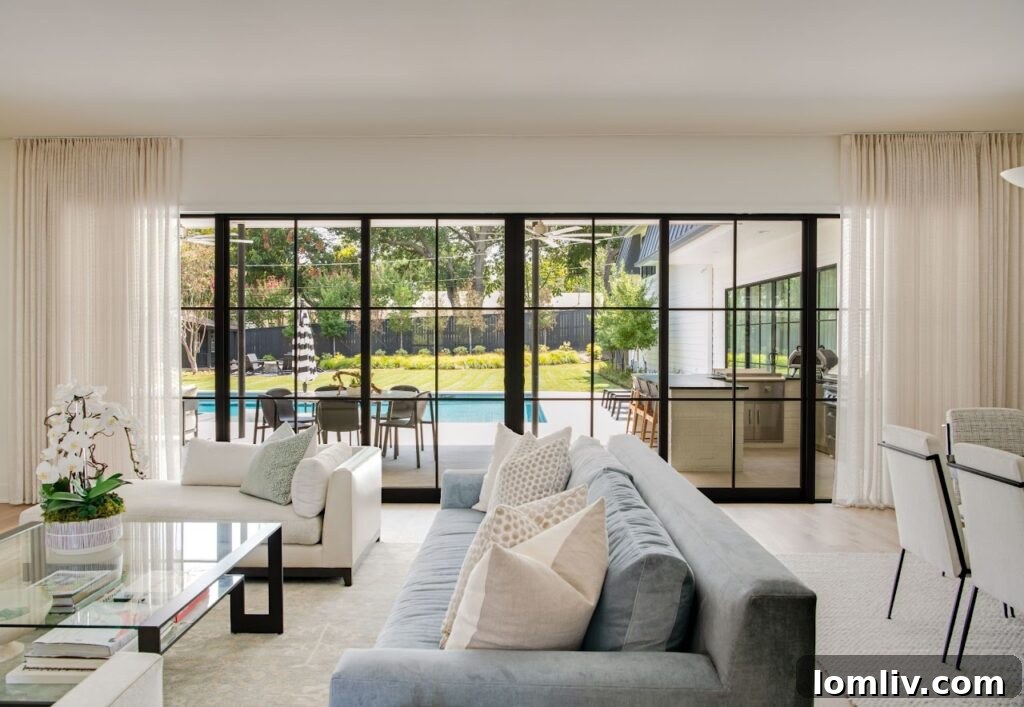
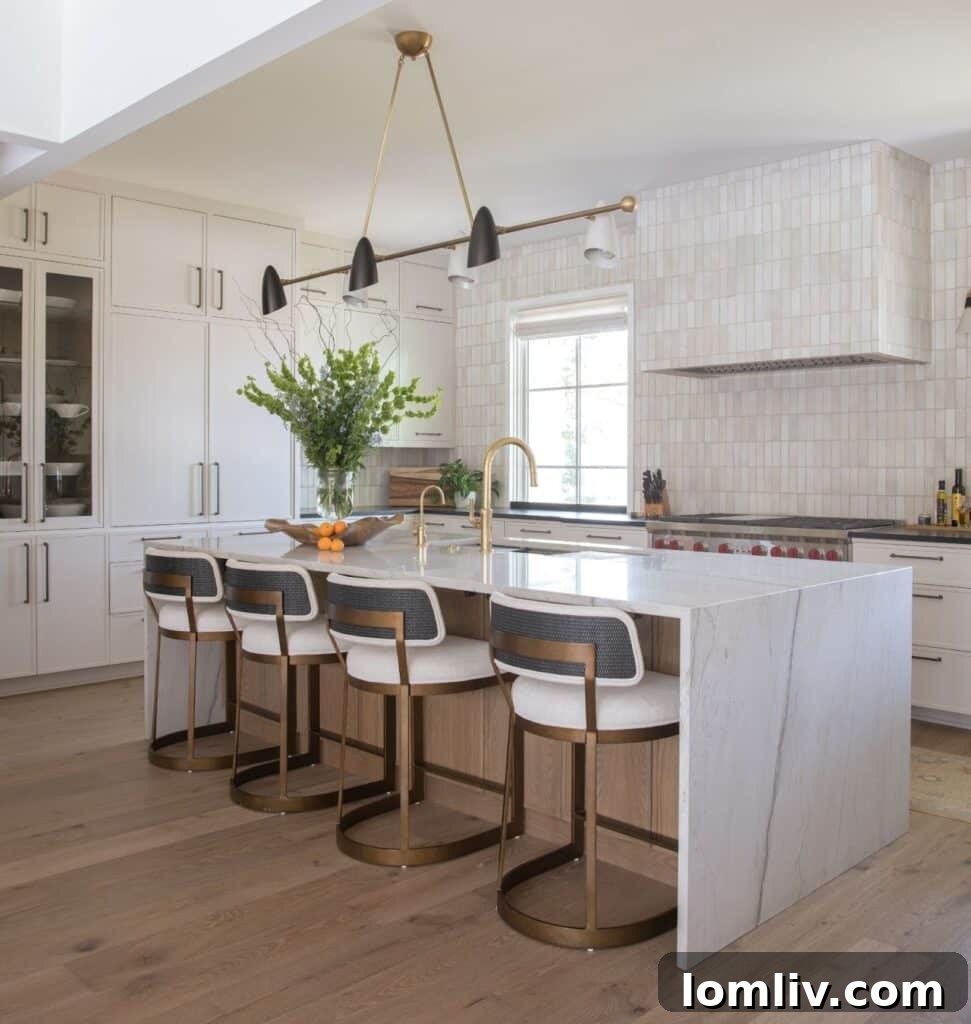
With an impressive footprint of 5,100 square feet, the third featured residence on the AIA Fort Worth Homes Tour, House C, stands as the largest home on display, embodying a blend of expansive luxury and thoughtful design. Located on the picturesque Pamlico Road in the distinguished Ridgmar neighborhood, this project is a magnificent renovation born from a collaborative vision. The transformation was skillfully executed through a partnership between the talented local architect Lindsey Brigati Boren, AIA, and the renowned Austin-based interior design firm Butter Lutz. Their synergy ensured a seamless integration of architectural integrity with sophisticated interior aesthetics.
Despite the extensive scope of the renovation, every effort was conscientiously made to preserve the beloved character and aesthetic of the original structure. The design team meticulously balanced modernization with respect for the home’s heritage. The most significant structural alteration, and perhaps the most impactful, was the strategic raising of the interior ceiling height to a grand 9.5 feet. This seemingly simple change dramatically enhances the sense of space, openness, and natural light throughout the home, elevating the overall ambiance from comfortable to truly luxurious. The revised floor plan thoughtfully centralized the primary communal spaces—the living room, dining area, kitchen, and a comfortable lounge—transforming them into the heart of the home, ideal for both everyday family life and entertaining on a grand scale.
In contrast to the centralized common areas, the bedrooms and essential secondary spaces, such as the laundry room, pantry, powder room, and mudrooms, were intelligently relocated to dedicated side wings. This strategic separation ensures privacy and minimizes noise, creating peaceful sanctuaries for rest and efficient functional zones. A testament to the comprehensive nature of this renovation, each of the four spacious bedrooms now boasts its own en suite bath, offering unparalleled comfort and convenience for residents and guests alike. What is particularly remarkable about this large-scale transformation is the efficiency with which it was completed—this extensive renovation, despite its complexity and size, was brought to fruition in a mere 16 months, a testament to the exemplary planning, coordination, and skill of the architectural and design teams involved. House C is a prime example of how grand homes can be thoughtfully updated for modern living while honoring their original charm.
House D: A Glimpse into the Creative Process by Rebecca Palluth
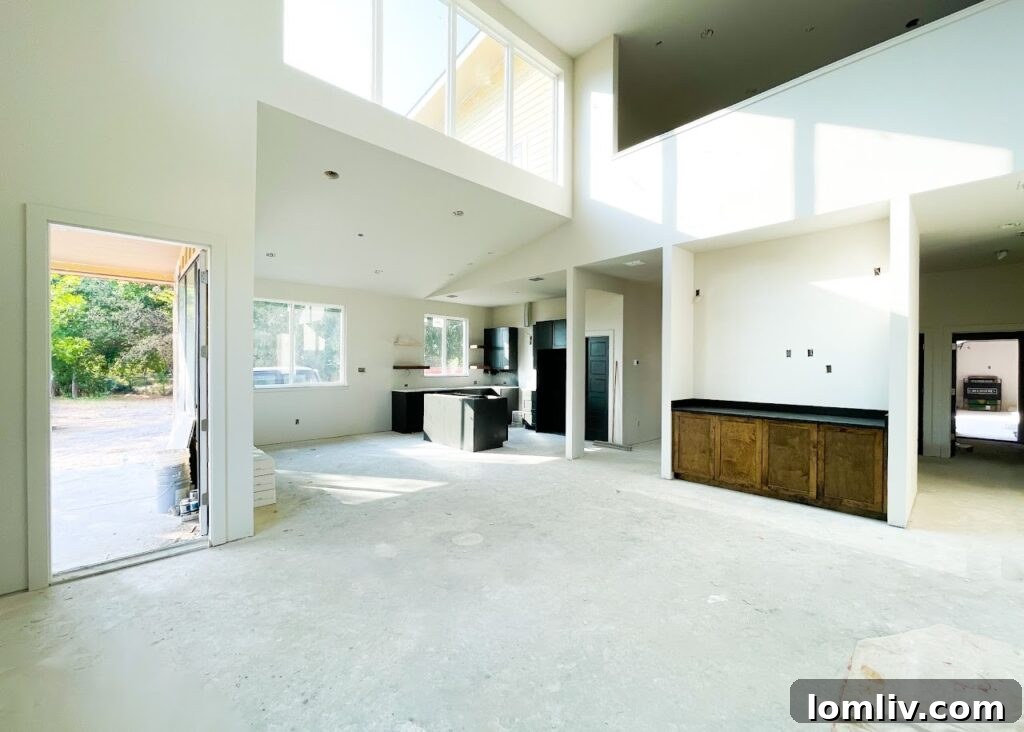
For those who find profound interest in the intricate process of architectural creation and the unfolding of a design vision, the fourth project on the tour, House D by architect Rebecca Palluth, AIA, offers a particularly intriguing experience. This residence, presented in its captivating unfinished state, provides a unique opportunity to appreciate the bones and structural artistry of a contemporary home before its final layers are applied. It is enviably sited, majestically backing up to the serene west bend of the Trinity River, offering breathtaking views and a deep connection to nature.
The home’s location is also strategically positioned within a vibrant building boom occurring around White Settlement Road, an area rapidly transforming into a sought-after urban enclave. This burgeoning district offers the convenience of being within walking distance of scenic hike and bike paths, as well as an exciting array of new restaurants and local amenities, promising a dynamic and active lifestyle for its future inhabitants. Rebecca Palluth’s design for House D is a bold and expressive statement, composed of strong, geometric blocks that are asymmetrically assembled, creating a sculptural and dynamic form. The architecture is further defined by its distinctive sloping roofs, which add visual interest and functionality, potentially hinting at sustainable features such as rainwater harvesting or integrated solar panels.
Crucially, the design incorporates ample fenestration—strategically placed windows and openings—meticulously designed to maximize natural light and, more importantly, to frame and enhance the exceptional views of the Trinity River and its surrounding landscape. At this current stage of construction, the discerning homeowners are actively engaged in the exciting phase of making critical finish decisions, a process that allows for personalized touches in materials, fixtures, and smart home technologies. When fully completed in the late fall of this year, this impressive residence will encompass 3,428 square feet under the roof, featuring four well-appointed bedrooms and four-and-one-half baths, promising a luxurious and bespoke living experience that seamlessly blends modern design with its stunning natural surroundings. House D offers a rare, educational opportunity to witness architectural vision taking shape, from concept to near completion.
House E: Pavilions of Daylight and Nature by Norman Ward
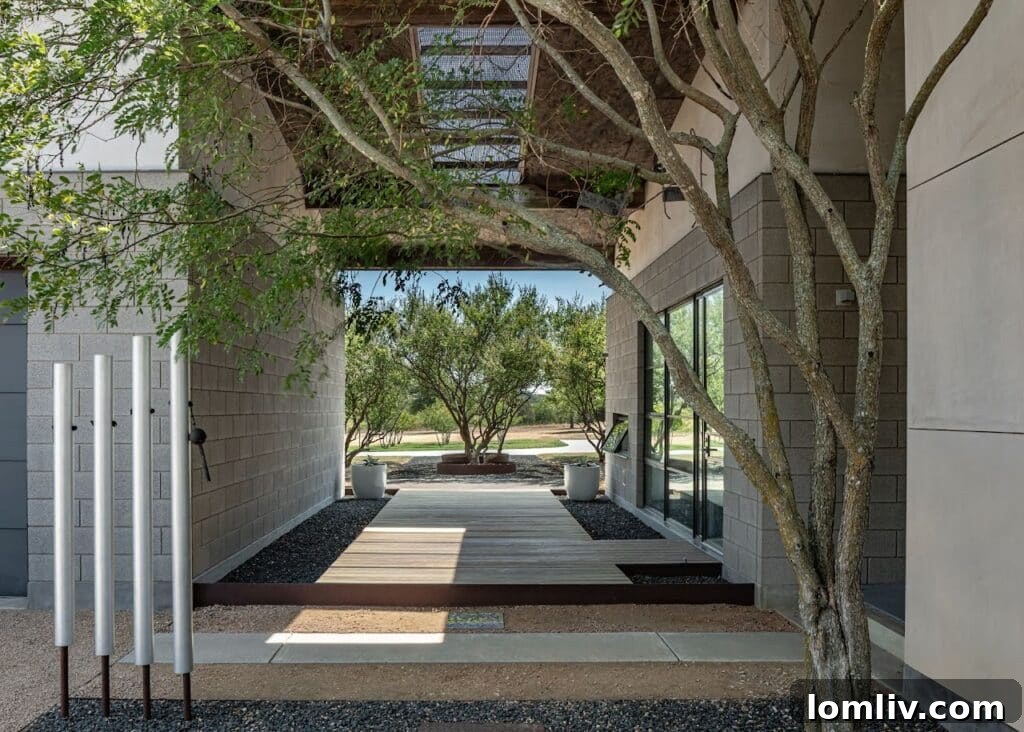
Norman Ward is yet another distinguished name that will undoubtedly be familiar to the discerning readers of daltxrealestate.com, recognized for his thoughtful and deeply contextual architectural contributions. This year’s tour proudly features his 2008 project, House E, a residence that encapsulates his signature philosophy of integrating architecture seamlessly with its natural environment. The house is masterfully conceived as a series of four distinct pavilions, each carefully designed to function as self-contained living spaces. These pavilions are ingeniously linked by breezeways, which the architect poetically describes as ‘containers of daylight,’ serving not just as circulation paths but as transitional spaces that actively engage with the elements, filtering light and air.
Ward elaborates on his profound design approach, stating, “I found new ways of assigning meaning. For the very first time, I discovered a color palette for material selections from the site. And in doing so, found a connection with the hilltop. I am amazed by the ever-changing sun’s light and shadows within my house and breezeways. This gave me an awareness of time. These thoughts are carried forward into my selected works.” This introspective statement reveals a process deeply rooted in observation and a desire to forge an authentic connection between the dwelling and its specific landscape. His method involves drawing inspiration directly from the immediate surroundings, allowing the natural hues and textures of the site to dictate the material palette, thus creating a home that feels inherently part of its environment.
Norman Ward’s design extends beyond the structural elements into the very fabric of the landscape. Demonstrating an alert and almost obsessive attention to the smallest detail, he has meticulously employed native prairie grass, decomposed granite, and basalt gravel to craft a landscape that is both beautiful and ecologically responsible. This thoughtful selection of indigenous materials serves a dual purpose: it creates a stunning outdoor environment that effortlessly captures and manages rainwater, while also faithfully mirroring the natural Texas biome. The result is a home where the boundaries between interior and exterior blur, and every element, from the architectural form to the plant life, contributes to a holistic and deeply sensory living experience. House E is more than a residence; it is a profound dialogue between architecture, nature, and the passage of time, a true masterpiece of integrated design.