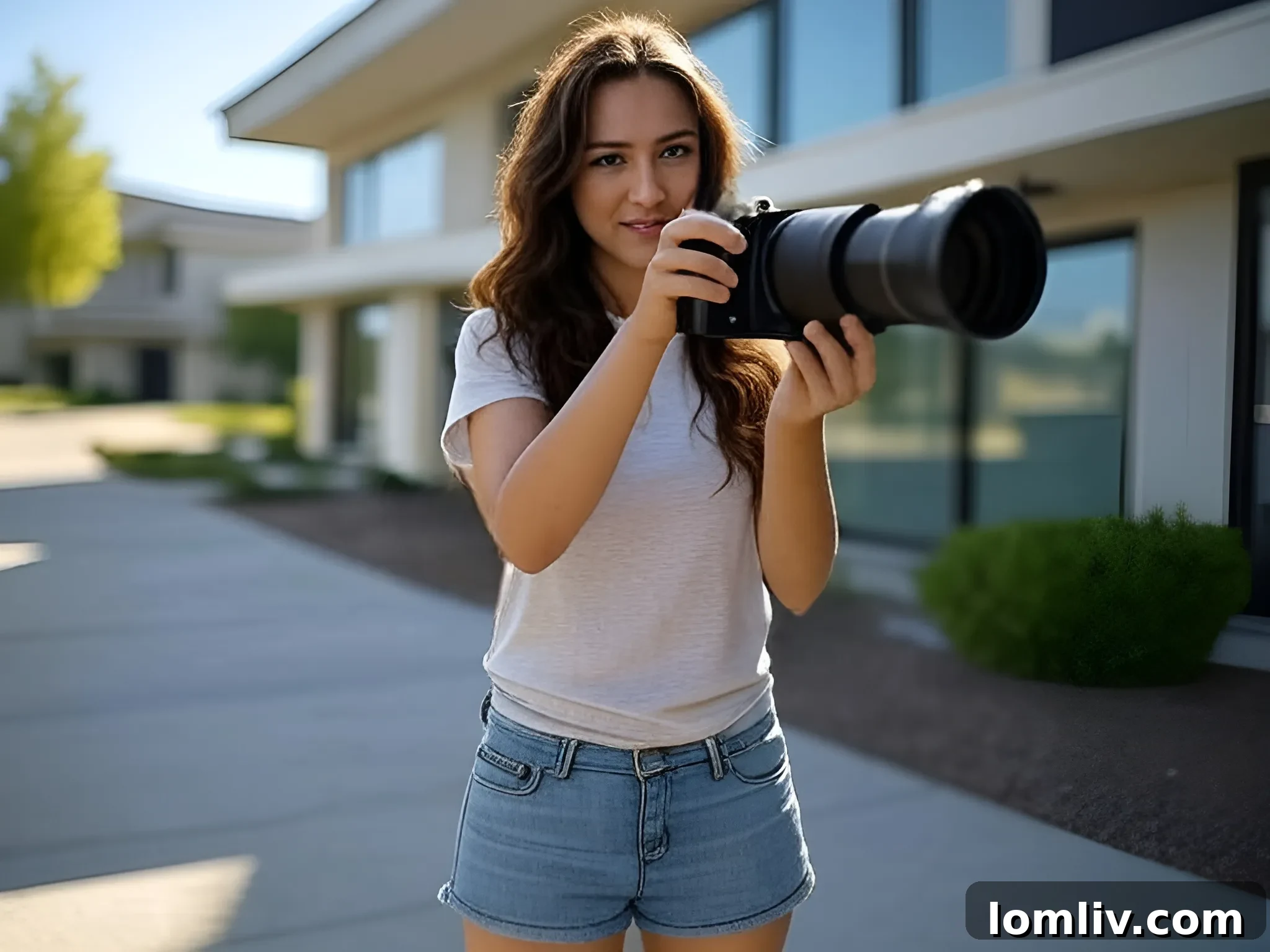
Photography, derived from the Greek words ‘photos’ meaning light, and ‘grapho’ meaning to write or paint, literally translates to “drawing with light.” This profound concept underpins the entire discipline of image capture, making light an indispensable element in photography. In the dynamic world of real estate, where first impressions are paramount and often formed online, high-quality photography is not merely a preference but a critical necessity for successfully selling a home. The visual narrative presented through photographs can either captivate potential buyers or cause them to swiftly scroll past a listing.
In today’s competitive housing market, showcasing a property’s best features through stunning, professional-grade images is crucial. Unfortunately, a significant number of real estate agents and homeowners still struggle with producing visually compelling property photos. This oversight can severely hinder a property’s marketability, leading to prolonged listing times and potentially lower offers. Recognizing this widespread challenge, the accessibility of affordable product photography services has expanded, providing an easier and more budget-friendly pathway to obtaining professional-looking images that truly make a property shine.
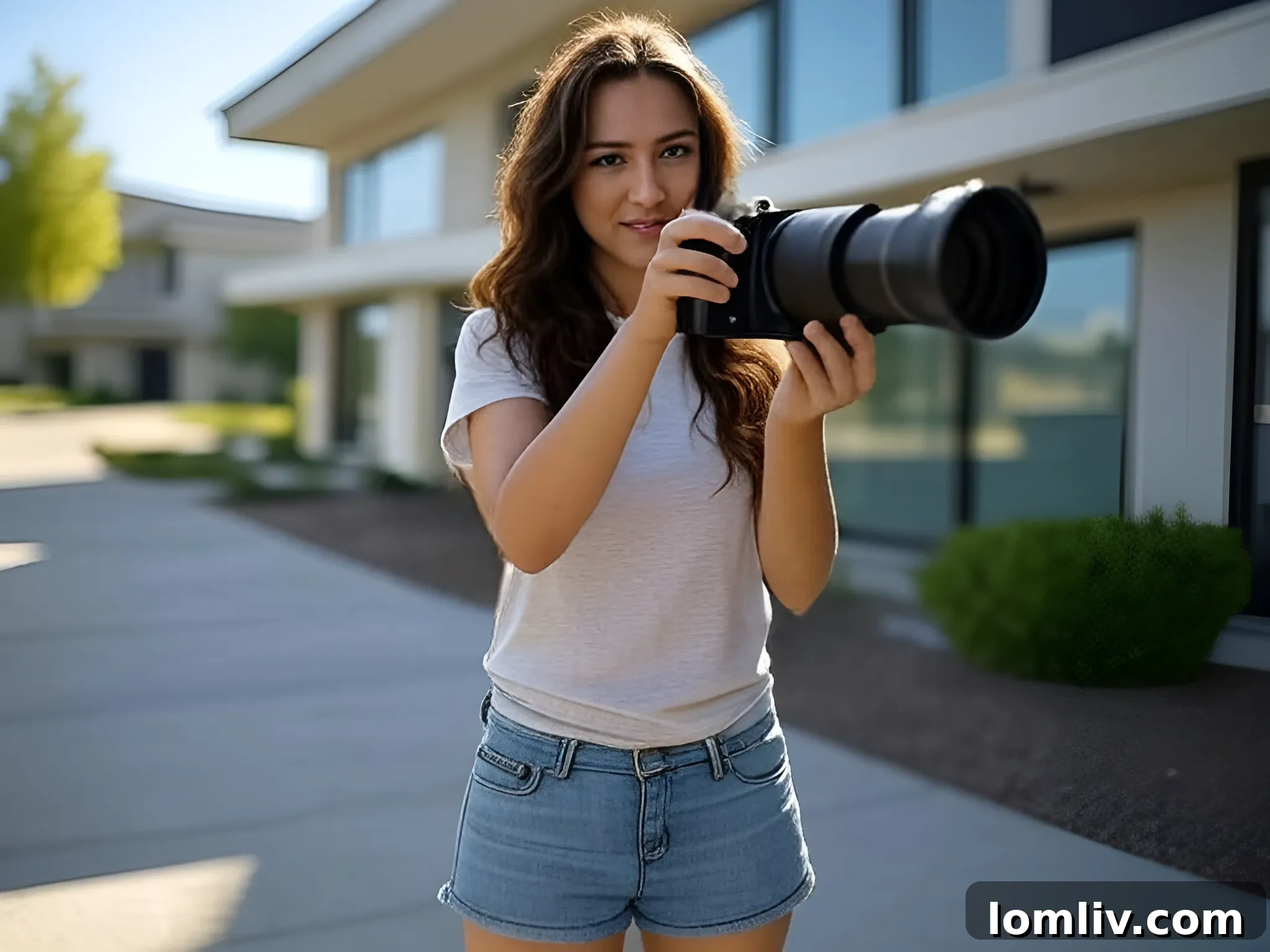
The stark reality is that poorly taken photos of a property will fail to generate genuine interest among prospective buyers. A dark, blurry, or cluttered image communicates a lack of care and professionalism, directly impacting buyer perception and dramatically slowing down the sales process. The digital landscape demands visual excellence, as online listings serve as the initial gatekeepers for virtually every serious buyer. If the online presentation is lackluster, it’s unlikely that a buyer will invest the time for an in-person viewing.
This understanding has led a growing number of savvy real estate agents to enlist the expertise of professional photographers. These specialists possess the skills, equipment, and artistic eye to transform ordinary property photos into captivating visual assets. They understand how to highlight a home’s unique selling points, create an inviting atmosphere, and ultimately, elevate a listing above the competition. But what are the most prevalent pitfalls that even those with seemingly expensive equipment often fall into when photographing homes?
Based on extensive experience and observation, here are some common mistakes that professional real estate photographers consistently identify in property photos displayed across various real estate websites and platforms.
1. Poor Lighting Conditions: The Undermining Factor
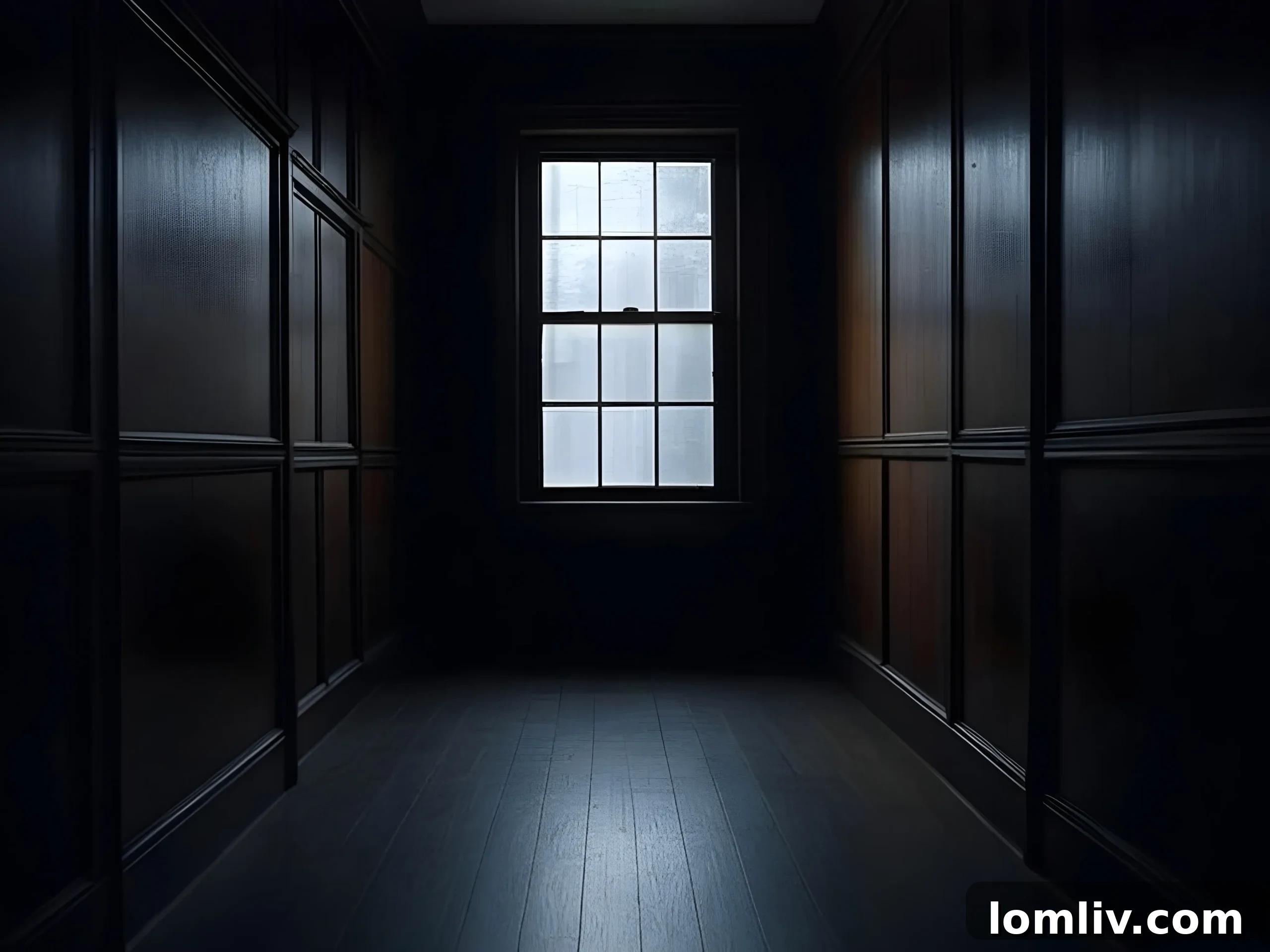
Lighting is arguably the single most critical element in photography, capable of making or breaking an image. In real estate, its impact is even more pronounced. Insufficient light can plunge a room into shadow, making it appear small, gloomy, and unwelcoming, while excessive, unfiltered light can wash out details, create harsh glares, and render the space sterile. Many amateur photographers fail to properly harness or manipulate lighting, leading to suboptimal results.
Professional real estate photographers strategically plan their shoots to leverage optimal lighting conditions. This often involves shooting during the “golden hour” – early morning or late afternoon – when natural light is softer, warmer, and more flattering. However, interior shots require more nuanced control. This means not just relying on natural light but actively turning on all available artificial lights within a room (lamps, overhead fixtures) to create a warm, inviting glow and balance exposure. Understanding white balance is also key to ensure colors appear true to life, avoiding unsightly yellow or blue casts. Good lighting doesn’t just illuminate; it sculpts, defines, and draws attention to the architectural details, spaciousness, and overall ambiance you wish to highlight, making the property intrinsically more appealing and marketable to prospective buyers.
2. Ignoring Clutter: Distractions That Detract
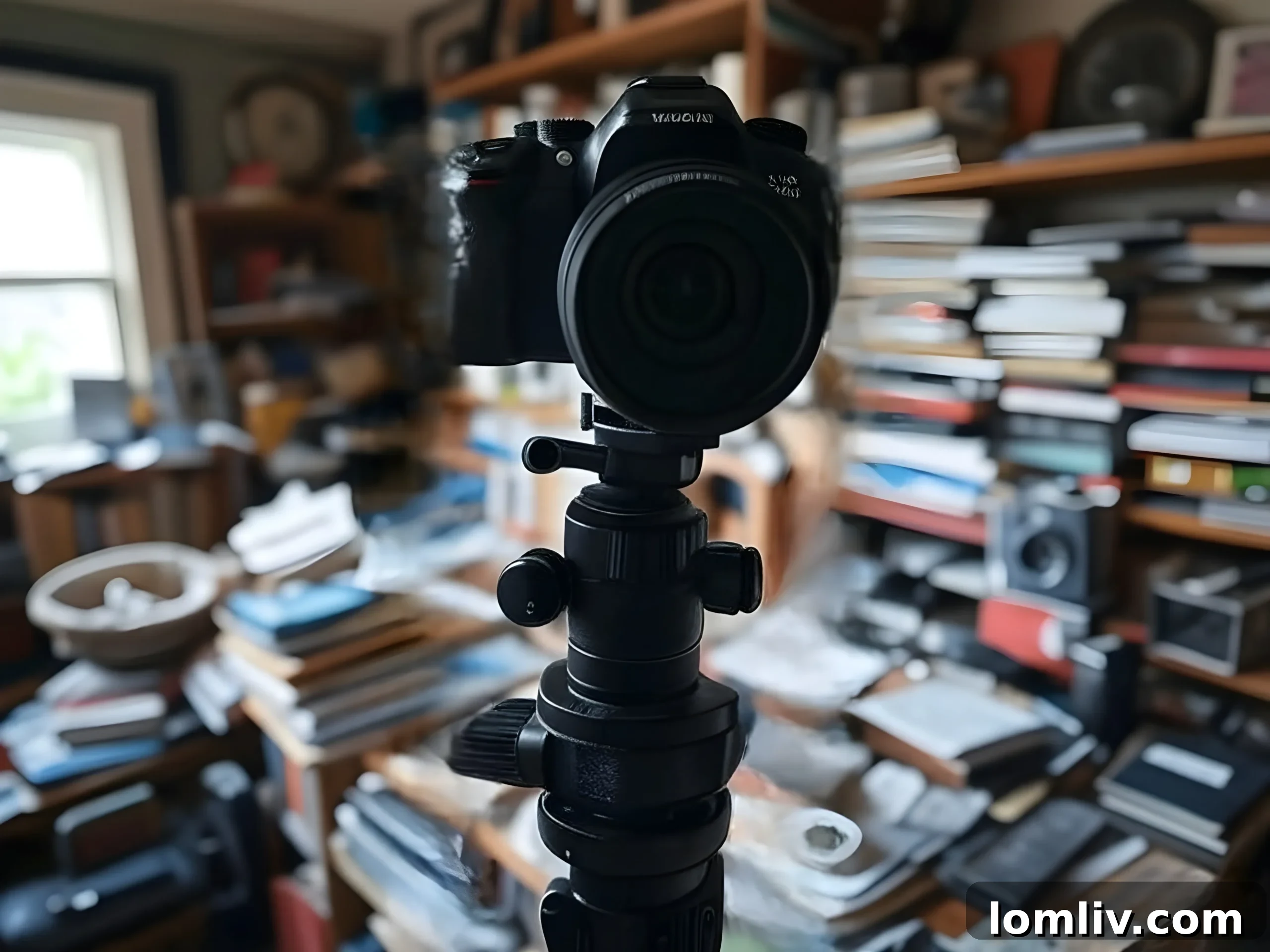
For professional photographers, a cluttered home is a major impediment to capturing compelling images. Even if a room boasts generous dimensions and attractive features, a profusion of personal belongings, visible cables, misplaced accessories, and general disarray will inevitably make the photos look cramped, untidy, and deeply unappealing. Clutter distracts the viewer’s eye from the property’s inherent qualities and makes it difficult for potential buyers to envision themselves living in the space.
Effective real estate photography demands a clean, depersonalized, and often staged environment. This means removing personal photographs, excessive knick-knacks, toiletries from bathrooms, magnets from refrigerators, and any other items that create visual noise. Before a professional photo shoot, photographers almost always instruct homeowners to thoroughly declutter and tidy both the interior and exterior of the house. This includes clearing countertops, making beds, organizing shelves, and even tidying up the garden. A clean and uncluttered space allows the architectural design, quality finishes like hardwood floors, expansive windows, and the overall spaciousness of each room to take center stage, creating an inviting and aspirational impression for potential buyers. It helps present a blank canvas, allowing buyers to project their own lifestyle onto the property, fostering a stronger emotional connection.
3. Using Low-Resolution Images: Sacrificing Clarity and Detail
In the age of high-definition screens and instant gratification, image quality is absolutely paramount in real estate photography. Uploading low-resolution photos to a listing is a critical error that can severely undermine a property’s appeal. Low-resolution images appear pixelated, blurry, and lack the sharp detail necessary to accurately represent the true quality and features of a home. Buyers are increasingly accustomed to crisp, clear visuals, and anything less will immediately diminish their perception of the property and, by extension, the professionalism of the listing agent.
When photos lack clarity, potential buyers cannot discern important details—be it the grain of the wooden flooring, the texture of the kitchen countertops, the intricate design of light fixtures, or the condition of the paint. This lack of detail not only makes the home seem less appealing than it is in person but also conveys an impression of poor quality or neglect. High-quality, high-resolution photos, on the other hand, allow buyers to zoom in, explore textures, and appreciate the craftsmanship and finishes. They instill confidence and generate excitement, enabling buyers to form a more complete and positive mental image of the property, which is vital in a market driven by visual aesthetics and attention to detail.
4. Bad Angles and Composition: Distorting Reality
Beyond lighting and tidiness, the angle from which a photograph is taken and its overall composition profoundly influence how a room is perceived. A common and detrimental mistake in real estate photography is shooting from an ill-chosen, cramped vantage point or an awkward angle. This can inadvertently make spacious rooms appear small, distort architectural features, or crop out critical elements that contribute to the room’s character and functionality. For instance, shooting straight-on at a wall can make a room feel flat and uninviting, failing to convey depth or scale.
Professional photographers meticulously select their angles to maximize the visual impact of each space. Often, the most effective approach is to shoot from a corner of the room or from just inside a doorway, aiming to capture at least two walls. This technique creates a sense of depth and allows for a broader view, making the room appear more expansive and inviting. Utilizing a tripod is also indispensable; it ensures stability, sharpness, and allows for consistent camera height across all shots within a property, typically chest height, which mimics a human’s natural perspective. Good composition also involves ensuring vertical lines are straight, using leading lines to guide the viewer’s eye, and applying principles like the Rule of Thirds to create balanced and aesthetically pleasing images. Thoughtful composition isn’t just about making photos look good; it’s about accurately and attractively conveying the spatial dynamics and overall flow of a home.
5. Ignoring Editing and Retouching: The Unfinished Product
A prevalent misconception among amateur photographers is that a photo taken straight out of the camera is “perfect” and requires no further enhancement. However, editing and retouching are absolutely essential stages in professional real estate photography. Skipping this crucial step often results in images that look dull, unremarkable, or even inaccurate, failing to do justice to the property they represent. Even the best cameras and lenses have limitations, especially when dealing with challenging indoor lighting conditions that create high contrast.
Post-processing goes far beyond simple brightness and contrast adjustments. It encompasses a range of sophisticated techniques that collectively transform raw images into polished, compelling visuals. Key adjustments include correcting exposure to bring out details in both bright and dark areas (often achieved through HDR blending), adjusting white balance to ensure accurate color representation, and sharpening details to enhance clarity. Retouching involves straightening crooked lines (lens correction), removing distracting elements like minor wall blemishes, power outlets, or visible cords, and even enhancing skies in exterior shots to create a more inviting atmosphere. These meticulous adjustments ensure that the final image is clear, vibrant, accurate, and presents the property in its absolute best light. Professional editing elevates the visual quality, making the photographs more attractive and trustworthy to potential buyers.
Conclusion: The Indispensable Value of Professional Real Estate Photography
In summation, the journey from listing a property to closing a sale is significantly influenced by the quality of its visual representation. Professional real estate photography helps properties sell faster and often for a better price. By understanding and actively avoiding common pitfalls such as poor lighting, ignoring clutter, using low-resolution images, employing bad angles, and neglecting essential editing, real estate professionals and homeowners can dramatically improve their market presence. Many affordable services are readily available today, offering comprehensive packages that cover everything from initial staging advice to advanced post-processing. Investing in high-quality photos is not an expense but a strategic investment that quickly attracts a larger pool of potential buyers, creates a powerful and lasting first impression, and ultimately helps a listing stand out in a crowded market. In the visual-first world of real estate, captivating imagery is the key to unlocking a property’s full potential and securing a successful sale.