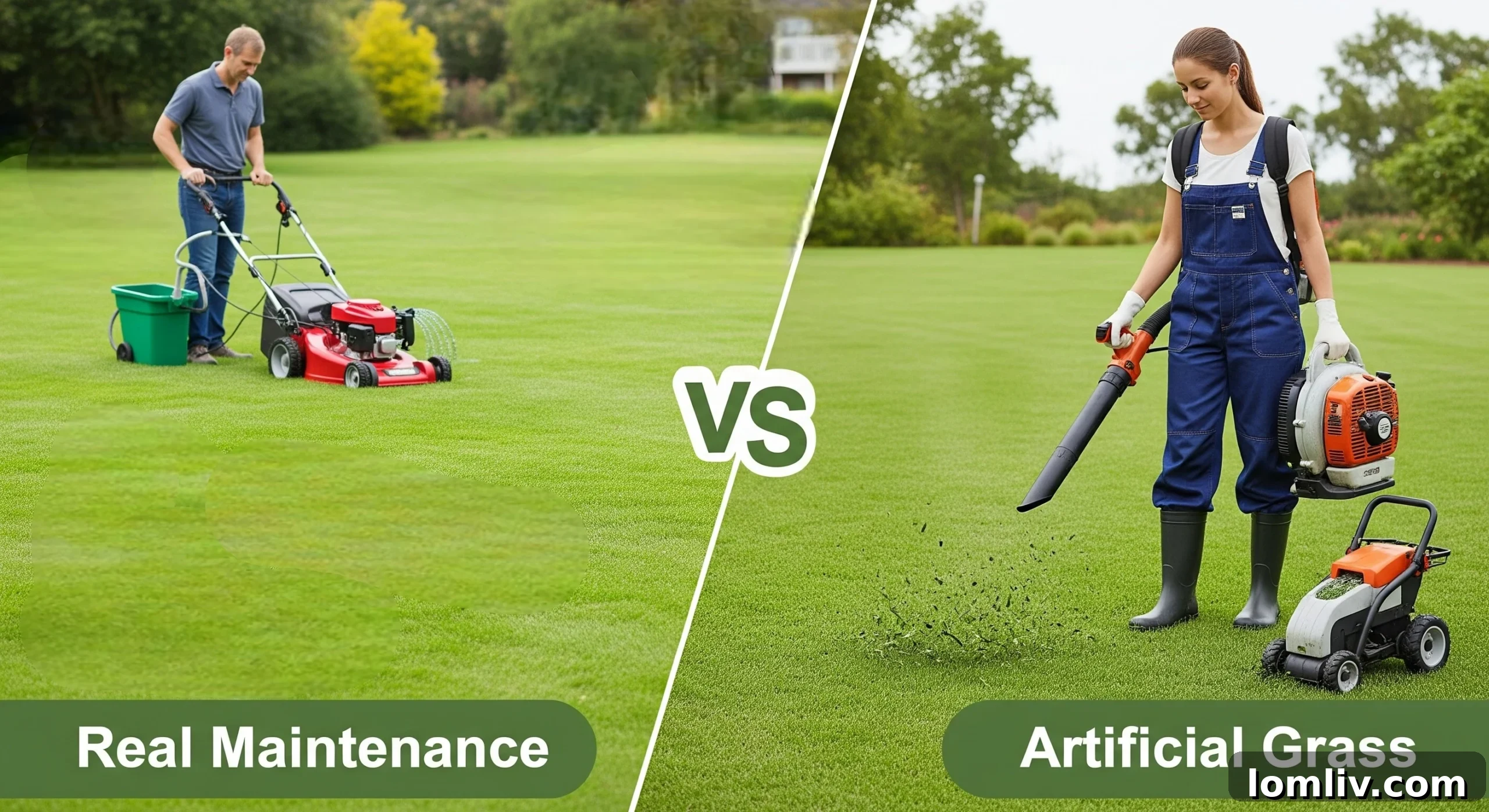
Maintaining a vibrant, green lawn in Texas—especially within the bustling Dallas-Fort Worth (DFW) metropolitan area—presents a unique set of challenges. The intense summer heat, coupled with unpredictable rainfall patterns and increasingly stringent water restrictions, has compelled countless homeowners to critically re-evaluate their landscaping strategies. While the timeless appeal of natural grass, with its organic texture and classic aesthetic, continues to hold sway for many, synthetic turf has rapidly emerged as an attractive, water-efficient, and remarkably low-maintenance alternative.

Each of these landscaping options comes with its own distinct advantages and potential drawbacks. The optimal choice for your DFW home will ultimately hinge on your specific priorities, whether they lean towards long-term durability, captivating aesthetics, budget considerations, or environmental sustainability. This comprehensive guide will meticulously explore these trade-offs, delving into the nuances of both natural grass and synthetic turf. Furthermore, it will spotlight some of the premier artificial turf installers who are actively transforming outdoor living spaces across the expansive DFW region, helping you make an informed decision for your property.
Top Artificial Turf Installers Serving The DFW Metroplex
When you decide to transition to synthetic turf, selecting the right installer is a pivotal step that can profoundly influence the outcome and longevity of your new lawn. Fortunately, the DFW area boasts a robust and competitive market of highly experienced and reputable providers, each offering specialized services to meet diverse homeowner needs.
DFW Turf Solutions
DFW Turf Solutions is a leading name, dedicated to providing high-quality synthetic grass systems that strike an ideal balance between functionality, visual appeal, and ecological responsibility for homeowners throughout the Dallas-Fort Worth metroplex. Their extensive range of turf products is meticulously engineered for exceptional long-term performance, even under the demanding local climate conditions. Featuring advanced UV-resistant properties, their installations cater to a wide array of residential applications, from lush front yards to dedicated pet areas and vibrant children’s play zones, ensuring lasting beauty and resilience.
ToughLawn
ToughLawn distinguishes itself by specializing in robust, yet soft, pet- and kid-friendly turf systems, serving communities across the greater DFW area, with a notable presence in Fort Worth and Arlington. Their expertise lies in recommending and installing turf types specifically engineered for high-activity environments, making them an excellent choice for playgrounds, dedicated dog runs, and backyard sports courts. ToughLawn’s synthetic grass incorporates cutting-edge UV stabilization technology to effectively resist color fading, maintaining its vibrant green hue for years. Their commitment to customer satisfaction is underscored by generous warranties, offering up to 15 years of comprehensive coverage. Furthermore, their knowledgeable team provides invaluable assistance to clients, helping them navigate complex HOA guidelines or local permit requirements when necessary, ensuring a smooth and compliant installation process.
SYNLawn Texas
As a prominent part of a nationally recognized franchise, SYNLawn Texas brings patented turf technology and decades of extensive research and development directly to local installations in DFW. Their state-of-the-art showroom in Carrollton showcases an impressive variety of synthetic grass applications, ranging from professional-grade golf putting greens to innovative rooftop grass systems. SYNLawn places a strong emphasis on eco-friendly turf products, proudly offering options that are 100% recyclable and entirely lead-free. This commitment to sustainability particularly resonates with environmentally conscious homeowners in upscale neighborhoods such as University Park or Highland Park. Beyond residential projects, SYNLawn Texas actively collaborates with local architects and landscape designers, delivering fully customized, high-end solutions that blend seamlessly with bespoke outdoor living designs.
Embracing Synthetic Turf: Key Advantages for DFW Homes
Given DFW’s often unpredictable weather patterns, escalating water bills, and the sheer demand on homeowners’ time, an increasing number of North Texans are making the switch to synthetic turf—and for very compelling reasons:
- Unparalleled Water Conservation: Artificial turf eliminates the need for irrigation entirely, leading to staggering savings of thousands of gallons of water annually. For homeowners grappling with municipal water restrictions during Texas’s intense summer droughts, this environmental benefit translates into significant financial relief and peace of mind.
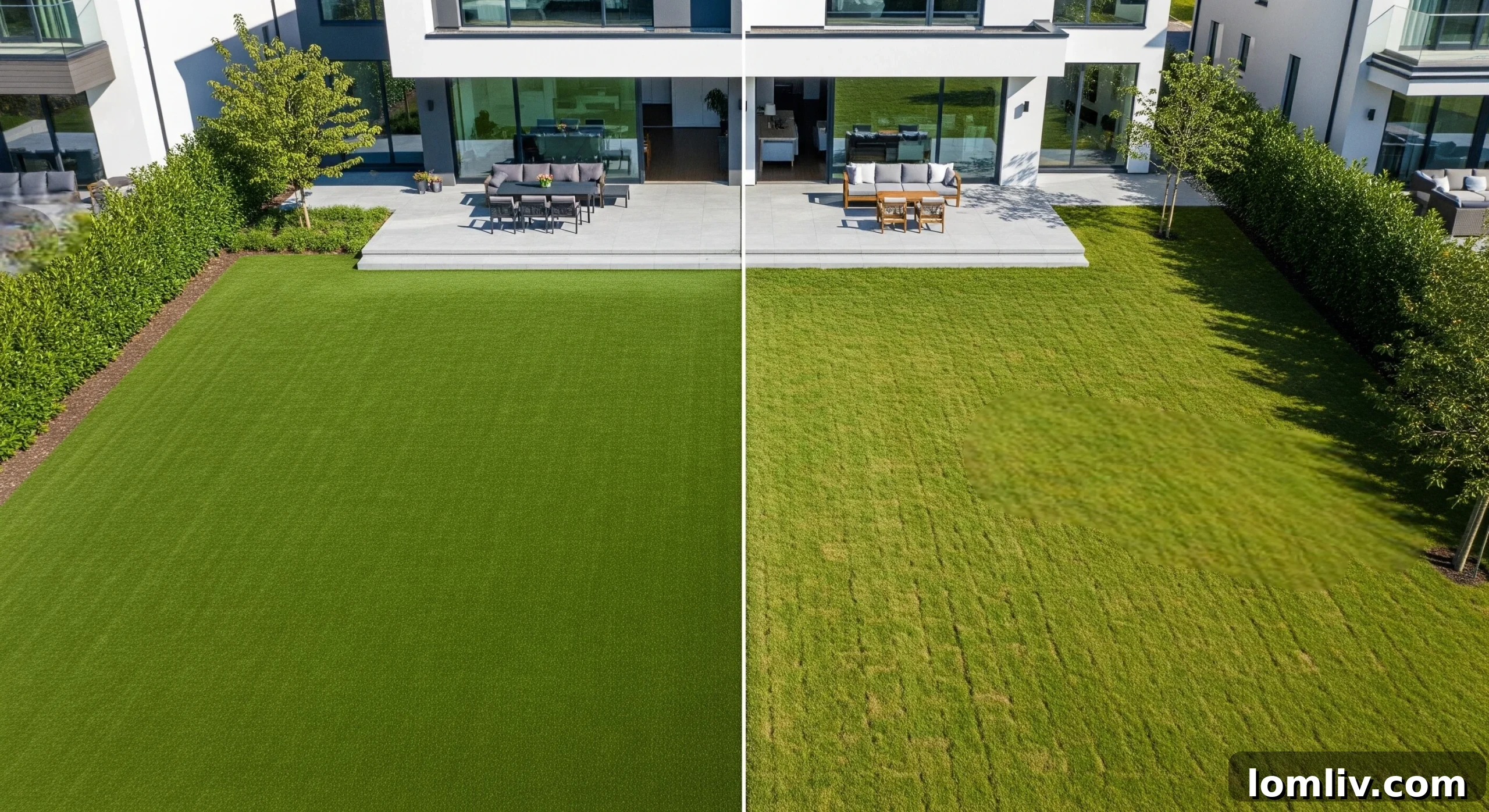
- Exceptional Durability in Extreme Weather: Texas summers are notoriously harsh, marked by blistering heat and intense UV radiation. High-quality synthetic turf is engineered to retain its pristine shape, vibrant color, and structural integrity despite prolonged sun exposure, heavy foot traffic, and even occasional freezes. In stark contrast, natural grass frequently wilts, browns, or develops bare spots under such challenging conditions.
- Remarkably Low Maintenance: Bid farewell to the endless cycle of weekly mowing, precise edging, laborious fertilizing, and seasonal reseeding. Artificial turf dramatically reduces or entirely eliminates most recurring lawn care tasks. This not only frees up valuable time for busy families but also minimizes exposure to potentially harmful lawn chemicals, creating a safer outdoor environment.
- Predictable Long-Term Costs: While synthetic turf typically involves a higher upfront installation cost compared to natural sod, its long-term financial advantages become evident over time. The absence of ongoing water bills, fertilizer purchases, pest control treatments, and professional mowing services leads to substantial savings that, as detailed below, often make it the more economical choice in the long run.
- Significant Allergen Reduction: For individuals suffering from seasonal allergies, synthetic lawns offer a welcome respite by drastically reducing exposure to common allergens such as pollen, mold, and dust mites. Families with children often find that artificial turf enhances outdoor accessibility and enjoyment, allowing kids to play freely even during peak allergy seasons.
- Consistent Year-Round Greenery: Unlike natural grass that can fade, brown, or become dormant with seasonal changes, artificial turf maintains a perfectly manicured, verdant appearance 365 days a year, regardless of drought, heat, or cold.
- Pet-Friendly Solutions: Modern synthetic turfs are designed with pets in mind. They offer superior drainage, are easy to clean from pet waste, and can be paired with infill systems that help control odors, making them an ideal, hygienic surface for furry family members.
- Versatile Design Applications: Beyond traditional lawns, artificial turf offers immense versatility, seamlessly transforming spaces like patios, balconies, rooftops, putting greens, and custom play areas into functional and aesthetically pleasing environments.

The Enduring Appeal of Natural Grass: Beauty, Biodiversity, and Beyond
While synthetic lawns undeniably offer unmatched convenience and modern appeal, natural grass continues to hold a powerful and enduring allure, particularly for traditionalists, environmental advocates, and those who cherish an authentic connection to nature.
- Incomparable Aesthetic Softness and Sensory Experience: There is truly nothing that can replicate the unique feel, the subtle spring underfoot, and the distinct, earthy scent of freshly mowed natural grass. It crafts a rich sensory experience that artificial alternatives, no matter how advanced, simply cannot fully capture. For homes with naturally shaded lots or those equipped with efficient sprinkler and irrigation systems, maintaining a lush, healthy natural lawn remains a perfectly attainable and rewarding goal.
- Natural Cooling Effect: Live grass plays a vital role in cooling its immediate surroundings through a process called evapotranspiration. This natural phenomenon helps create a more comfortable microclimate, a crucial benefit for outdoor activities, play, or for pets during the sweltering Texas summers, significantly mitigating the urban heat island effect.
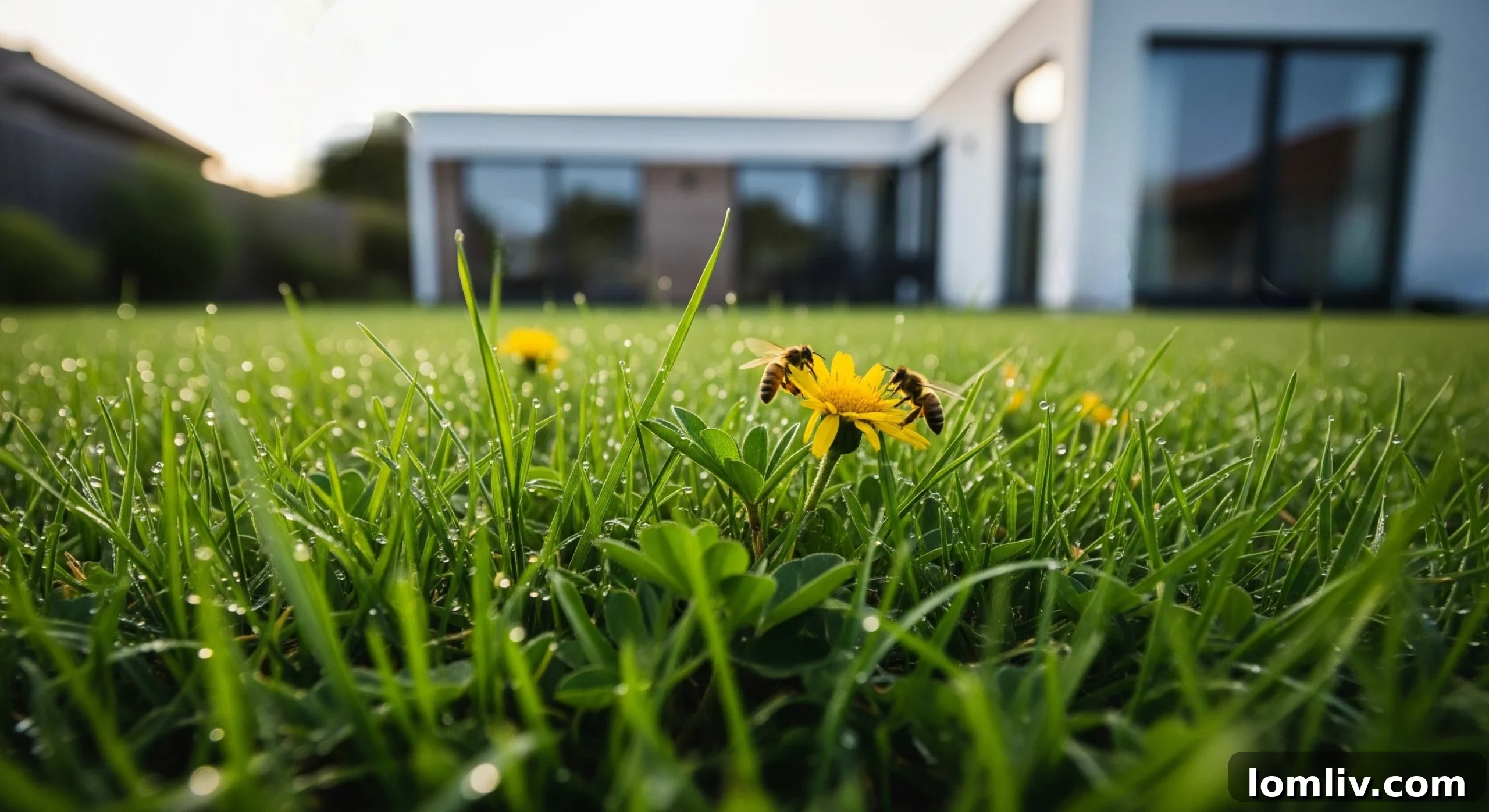
- Essential Ecological Role: Natural grass actively supports local biodiversity, providing vital habitat and sustenance for a myriad of insects, birds, and beneficial microorganisms that artificial turf displaces. For homeowners committed to fostering pollinator-friendly gardening and enhancing their local ecosystem, a living lawn beautifully complements native plants, rain gardens, and other ecologically sound landscaping choices.
- Initial Cost Advantage: The upfront cost of installing natural sod is generally more budget-friendly, with prices typically ranging between $1 to $3 per square foot. While it necessitates ongoing maintenance expenses, the initial financial outlay is considerably less impactful than the higher investment required for synthetic turf, making it accessible for immediate landscaping needs.
- Optimized Soil Health and Water Permeability: Soil covered by natural grass actively promotes superior water infiltration, effectively reducing surface runoff and playing a critical role in recharging local aquifers. This natural permeability is essential for healthy ecosystems and water management. In contrast, artificial turf can sometimes impede natural drainage unless meticulously designed sublayers and advanced permeable backings are specifically installed to ensure proper water flow.
- Natural Air Purification: Live grass contributes to better air quality by absorbing carbon dioxide and releasing oxygen, while also trapping dust and pollutants from the atmosphere.
- Authentic Look and Feel: Many homeowners simply prefer the genuine, organic appearance and tactile sensation of natural grass, finding it more harmonious with traditional landscape designs.
- Biodegradability and Environmental Harmony: At the end of its life cycle, natural grass effortlessly returns to the earth, enriching the soil and contributing to the natural ecological balance, without generating landfill waste associated with synthetic materials.
Understanding the Real Costs of Installation and Ownership in DFW
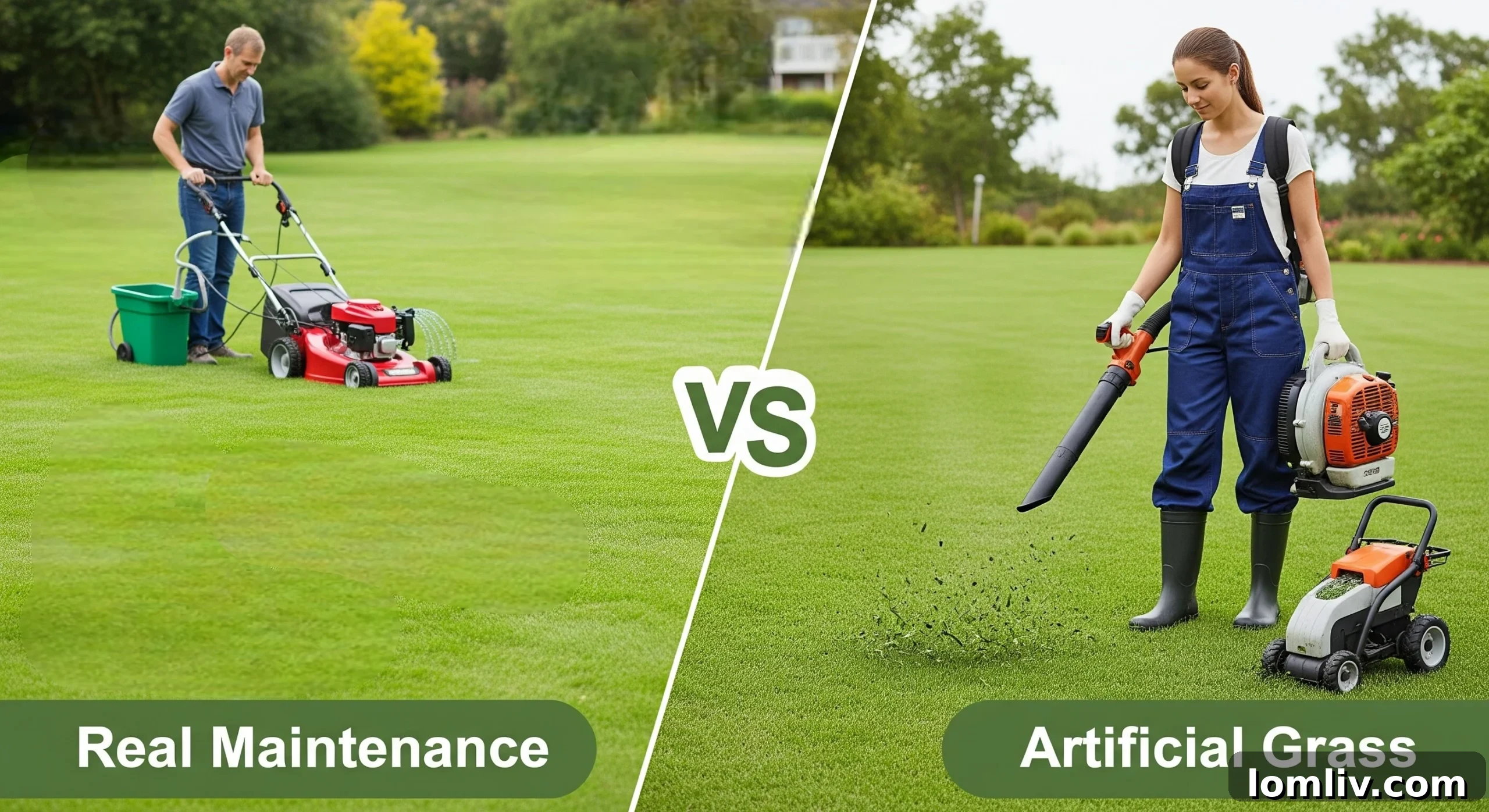
Cost is frequently one of the most influential factors guiding the decision between synthetic and natural turf. A thorough understanding of the true lifetime cost of each option is absolutely critical for making a fiscally sound and satisfying choice for your DFW property.
- Synthetic Turf: Initial Investment vs. Long-Term Savings: As previously noted, the professional installation of artificial turf in the DFW area typically ranges from $8 to $15 per square foot. This comprehensive cost generally includes meticulous site preparation, the laying of robust base layers, and the application of suitable infill materials. For a typical 1,000-square-foot lawn, this could translate to an initial investment of $8,000 to $15,000 or even more, depending on turf quality and project complexity. However, the premium quality turf, with minimal upkeep, boasts an impressive lifespan of up to 20 years. The significant absence of recurring water bills, the elimination of costly fertilizers, pesticides, and professional lawn care services, along with substantial time savings, progressively balances out and often surpasses the higher initial expense over its lifespan. Homeowners can often see a return on investment within 5-7 years.
- Natural Grass: Lower Upfront, Higher Ongoing Costs: Installing new natural sod for the same 1,000-square-foot area will typically cost a more modest $1,500 to $3,000 initially. However, the monthly and annual operational costs accumulate rapidly. Homeowners can reasonably expect to spend $150–$300 per month on water (especially during peak summer), fertilizer, professional mowing services, and other essential care (such as pest control, aeration, and overseeding) during active growing seasons. If unforeseen issues like significant patching, extensive reseeding, or targeted pest control treatments become necessary, these figures can increase considerably. When calculating the cumulative cost over a 10-year period, the total expenditure for maintaining natural grass can, surprisingly, often exceed the lifetime cost of a high-quality synthetic turf installation, particularly in water-stressed regions like DFW.
Environmental And Safety Considerations For Texas Yards
Modern homeowners are increasingly looking beyond mere aesthetics and immediate costs; they are deeply concerned about the environmental footprint of their landscaping choices and the safety implications, particularly for children and pets.
- Artificial Turf: Addressing Environmental Concerns: Critics often raise valid points that artificial turf, if not responsibly manufactured and installed, can contribute to urban heat islands and does not naturally biodegrade at the end of its life cycle. However, significant advancements are being made. Many reputable Texas-based providers now utilize innovative, recyclable, and non-toxic materials for turf blades and backings. Furthermore, new infill options, such as organic blends of coconut fiber, walnut shells, or specialized coated sands, are specifically designed to reduce heat buildup and improve comfort. When installed with proper drainage layers, artificial turf can also effectively mitigate runoff and lessen localized flooding risks in densely populated urban neighborhoods.
- Natural Grass: Promoting Sustainable Practices: While inherently eco-friendly in many aspects, conventional natural lawn care often involves the extensive use of chemical fertilizers and pesticides, which can lead to harmful runoff into waterways and pose potential health risks to families and pets. To counteract these impacts, a growing movement promotes more sustainable practices. Embracing xeriscaping principles, integrating native grass species like buffalo grass or Zoysia (which are naturally drought-tolerant), and adopting organic lawn care regimens can drastically reduce water consumption, minimize chemical pollution, and foster a healthier ecosystem in your backyard.
- Child and Pet Safety Considerations: For artificial turf, ensuring safety means selecting turf products that are certified lead-free and non-toxic, along with infill materials that are safe for both children and pets to play on. For natural grass, transitioning to organic fertilizers and pesticides, or reducing their use altogether, is paramount to creating a safe play environment.

Wrapping Up: Making Your DFW Landscape Decision
For DFW homeowners who are exploring creative alternatives beyond traditional turf altogether, Texas native groundcovers are rapidly gaining popularity as an intelligent and sustainable landscaping solution. Options such as horseherb, frogfruit, and silver ponyfoot are prized for their inherently low-maintenance requirements and exceptional drought tolerance. These verdant, living carpets demand significantly less water than conventional grass lawns, provide crucial support for local pollinators and beneficial insects, and demonstrate remarkable resilience thriving in both sunny and shaded areas of your property.
Ultimately, whether your preference leans towards the modern convenience of synthetic turf, the natural charm and ecological benefits of traditional grass, or the sustainable appeal of native groundcovers, thoughtfully expanding and diversifying your landscaping palette is undoubtedly the smartest strategic move. This approach ensures long-term beauty, enhanced resilience, and sustainable living within the distinctive and often challenging DFW climate. Consider your lifestyle, budget, aesthetic desires, and environmental values to make the choice that best suits your home and contributes positively to your local ecosystem.