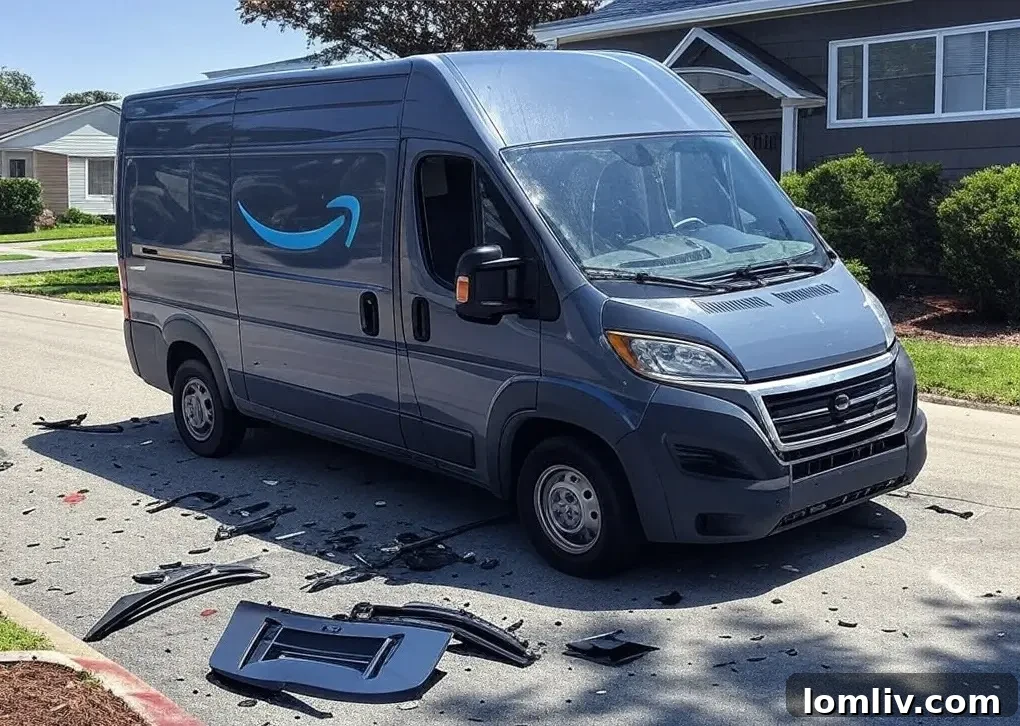
In today’s fast-paced digital world, online ordering has become an indispensable part of daily life for millions. From groceries to gadgets, packages frequently arrive at our doorsteps, making the presence of delivery drivers a common sight. Companies like Amazon, UPS, FedEx, and countless local businesses streamline our lives by bringing goods directly to us. However, with this convenience comes an often-overlooked aspect of property ownership: the potential legal and financial implications if a delivery driver sustains an injury on your property. Many property owners are unaware that they could be held liable for accidents resulting from unsafe conditions. Understanding your responsibilities and taking proactive measures is crucial to protect yourself from unforeseen circumstances and potential lawsuits. This comprehensive guide will equip you with the essential knowledge to navigate the complexities of premises liability and ensure the safety of everyone who steps onto your property, including those hardworking individuals delivering your next online order.
Protecting your property and personal finances from unexpected liabilities requires a clear understanding of the legal landscape. Let’s delve into what you need to know to stay protected.
Understanding Liability: Who’s Responsible When a Delivery Driver Gets Injured?
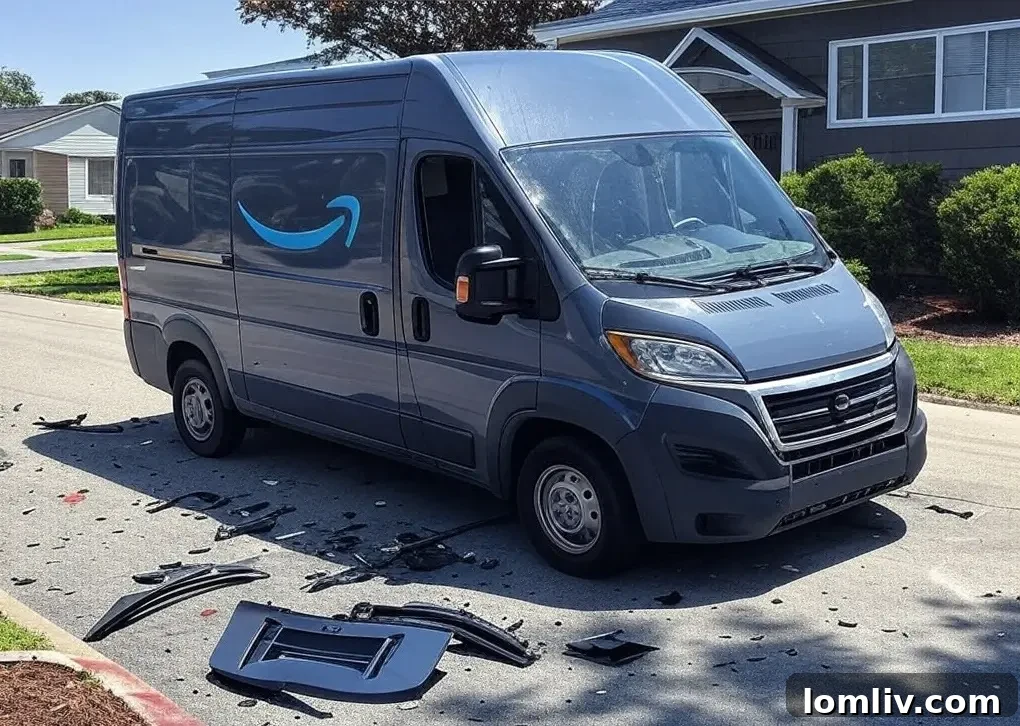
When an accident occurs on your property, one of the most pressing questions is always: Who bears the responsibility? The answer isn’t always straightforward and typically hinges on the specific circumstances and the primary cause of the incident. In legal terms, this often falls under “premises liability,” which dictates that property owners have a duty to maintain a reasonably safe environment for visitors.
- Property Owner’s Liability (Premises Liability): As a property owner, whether residential or commercial, you generally owe a “duty of care” to individuals who enter your property, especially those considered “invitees” – like delivery drivers who are there for a mutual benefit. If unsafe conditions on your property directly lead to an accident and injury, you could be held responsible. Common examples of such hazardous conditions include:
- Icy or Snowy Walkways: Failure to promptly clear snow and ice or apply de-icing agents can create dangerously slippery surfaces.
- Unmarked Potholes or Uneven Pavement: Neglecting to repair or clearly mark damaged walking surfaces, driveways, or steps can lead to trips and falls.
- Poor Lighting: Inadequate illumination in pathways, stairwells, or entry points, especially after dark, can obscure hazards and cause accidents.
- Loose Debris or Obstructions: Leaving tools, gardening equipment, toys, or other clutter in common pathways can create tripping hazards.
- Unsecured Pets: If your pet causes a delivery driver to fall or bites them, you could be held liable.
- Structural Defects: Loose handrails, rotten steps, or damaged flooring that you were aware of (or should have been aware of) can lead to serious injuries.
If the accident was caused by negligence in property maintenance – meaning you failed to take reasonable steps to prevent foreseeable harm – liability may indeed fall on the owner. This is why regular inspections and timely repairs are not just good practice, but a critical aspect of risk management.
- Driver or Delivery Company Responsibility: In contrast, if an accident is primarily caused by the actions or negligence of the delivery driver, or by the policies and practices of their employer, the liability may shift. This could include situations such as:
- Reckless or Distracted Driving: If the driver causes an accident due to speeding, texting, or failing to pay attention while on your property.
- Improper Parking: Parking in a dangerous manner that obstructs pathways or creates hazards for themselves or others.
- Failure to Follow Safety Protocols: The driver not adhering to company safety guidelines or common-sense precautions.
- Vehicle Malfunction: If the accident is due to a mechanical issue with the delivery vehicle that was the company’s responsibility to maintain.
Many large delivery companies, like Amazon, UPS, and FedEx, carry extensive commercial insurance policies that cover their drivers while on duty. This includes commercial auto insurance for vehicle-related incidents and sometimes general liability insurance that may cover injuries sustained by their employees during work. These policies are designed to cover any resulting damages, medical expenses, or lost wages for their drivers, which could help protect property owners from direct liability in cases where the driver or company is at fault. However, it’s essential to understand that proving the driver’s sole fault can sometimes be complex and may require thorough investigation.
The Indispensable Role of Insurance in Protecting Your Property and Finances
Having adequate insurance coverage is your primary line of defense against the significant financial risks associated with accidents and liabilities on your property. Without the right policies, a single incident could lead to substantial out-of-pocket expenses for medical bills, legal fees, and potential settlements. It’s not just about compliance; it’s about comprehensive financial protection.
- Homeowner’s Insurance: For residential property owners, your standard homeowner’s insurance policy is critical. The liability portion of this policy typically covers injuries sustained by third parties on your property, provided the accident resulted from a covered peril or a condition for which you are deemed responsible. This includes scenarios like a delivery driver slipping on an icy patch or tripping over an unseen obstacle. It can help cover medical expenses, legal defense costs, and settlement amounts if a lawsuit is filed.
- General Liability Insurance: For businesses or commercial property owners, General Liability (GL) insurance is non-negotiable. This type of policy is specifically designed to cover injuries sustained by third parties (including customers, vendors, and delivery drivers) on your business premises due to hazardous conditions, as well as property damage for which your business is liable. It’s a broad coverage that protects against claims of bodily injury and property damage arising from your business operations, ensuring you’re not financially crippled by an unexpected accident.
- Commercial Property Insurance: While primarily focused on protecting your business’s physical assets (buildings, inventory, equipment), commercial property insurance can also be relevant if a delivery driver’s actions cause damage to your business property. For instance, if a delivery truck accidentally strikes your building or damages a gate, this policy might cover the repairs, depending on the specifics of the driver’s liability and their company’s insurance.
- Auto Insurance (and Commercial Auto Insurance): If a delivery driver’s vehicle causes damage to your property (e.g., driving onto your lawn, hitting a mailbox), their employer’s commercial auto insurance policy is typically the first line of coverage. These policies are designed to cover vehicle-related incidents involving company vehicles and their drivers while on duty. For a residential property owner, your own auto insurance typically wouldn’t cover damage to your property by another vehicle, but rather damage *your* vehicle might cause.
- Umbrella Policies: Both homeowners and businesses can benefit from an umbrella insurance policy. This coverage provides an additional layer of liability protection beyond the limits of your primary policies (like homeowner’s or general liability). If a claim exceeds the limits of your underlying insurance, an umbrella policy kicks in to provide additional financial safeguard, which can be invaluable in cases of severe injuries or high-value lawsuits.
Regularly reviewing your insurance policies with a qualified agent is essential to ensure your coverage is adequate and up-to-date, especially as your property use or business operations evolve.
How to Effectively Handle an Accident on Your Property: A Step-by-Step Guide
Despite your best preventative efforts, accidents can still happen. Knowing how to react calmly and methodically in the immediate aftermath is crucial for protecting your interests and ensuring proper resolution. Prompt action and thorough documentation are key.
- Prioritize Safety and Seek Medical Attention: The very first step is to assess the situation. If someone is injured, ensure they receive immediate medical attention. Call emergency services (911) if the injuries appear serious. Your priority is the well-being of the injured person. Do not admit fault or make any promises regarding compensation at this stage.
- Immediately Document Everything: Comprehensive documentation is your strongest ally. As soon as it’s safe to do so, begin gathering evidence:
- Take Photos and Videos: Capture clear images and videos of the accident scene from multiple angles. Focus on the specific hazard that caused the accident (e.g., icy patch, pothole, loose step), the surrounding area, any visible injuries, and the condition of the delivery vehicle if involved. Note the date and time these were taken.
- Gather Witness Statements: If anyone witnessed the incident, politely ask for their contact information and a brief written or recorded statement of what they observed.
- Review Security Camera Footage: If you have security cameras on your property, immediately save any relevant footage. This can provide objective evidence of what transpired.
- Note Driver Details: Obtain the delivery driver’s name, contact information, the name of their company, and their vehicle’s license plate number and company identification if possible.
- Record Conditions: Note the weather conditions, lighting, and any other environmental factors at the time of the accident.
- Notify Your Insurance Provider Promptly: As soon as the immediate situation is stable, contact your homeowner’s or general liability insurance provider. File a claim as soon as possible, even if you are unsure about liability. Delaying this step can sometimes complicate the claims process or even lead to denial of coverage. Provide them with all the documentation you have gathered.
- Contact the Delivery Company: If the driver was at fault or was on duty at the time of the accident, reach out to their employer. Explain the situation and provide the details you’ve collected. Their company’s insurance may cover the damages or injuries, especially if it was a vehicle-related incident or a direct result of their operational procedures. This can help initiate their claims process.
- Seek Legal Advice if Needed: There are several situations where consulting a personal injury or property damage lawyer is highly advisable:
- Disputed Liability: If there’s disagreement over who is at fault for the accident.
- Significant Damages: When the injuries are severe, requiring extensive medical treatment, or property damage is substantial.
- Difficulties with Insurance Claims: If you encounter resistance from your insurance company, the driver’s company, or their respective adjusters.
- Lawsuit Threats: If the injured party or their legal representation indicates an intent to sue.
Consulting a lawyer early can help you understand your rights, navigate complex legal processes, and ensure your best interests are protected.
Preventing Accidents Before They Happen: Proactive Property Management Strategies

The most effective strategy to protect yourself from legal and financial issues stemming from a delivery driver’s injury on your property is undoubtedly prevention. By taking proactive steps to maintain a safe environment, you significantly reduce the likelihood of accidents and, consequently, claims against you. Investing time and resources into property safety is a sound investment in your peace of mind and financial security.
- Maintain Your Property with Regular Inspections: A routine maintenance schedule is paramount. Regularly inspect your property for potential hazards and address them immediately.
- Pathways and Driveways: Repair cracks, potholes, and uneven pavement. Ensure all steps and stairs are stable and have secure handrails.
- Snow and Ice Removal: During winter months, promptly clear snow and ice from all walkways, driveways, and entry points. Apply salt or sand to prevent slippery surfaces. This is a critical duty in many jurisdictions.
- Clear Debris: Keep pathways clear of leaves, branches, gardening tools, toys, and any other obstructions that could cause a trip or fall.
- Landscaping: Trim overgrown bushes or trees that might obstruct visibility or pathways.
- Structural Integrity: Periodically check for loose boards, deteriorating fences, or unstable structures that could pose a risk.
- Improve Signage & Lighting for Enhanced Visibility: Adequate lighting and clear signage are essential for guiding visitors and highlighting potential dangers, especially during low-light conditions.
- Illuminate Pathways: Ensure all driveways, walkways, and entrance areas are well-lit, particularly at night. Install motion-sensor lights in darker spots to improve visibility when someone approaches.
- Hazard Warnings: Use clear, visible signs to warn of temporary hazards, such as “Wet Floor,” “Caution: Uneven Surface,” or “Watch Your Step.”
- Entry & Exit Guidance: For commercial properties, ensure clear signage directs delivery drivers to designated loading docks, service entrances, or parking areas.
- Provide Clear Instructions & Manage Potential Hazards: Minimize confusion and potential risks by actively managing your property’s accessibility and potential dangers.
- Designate Safe Routes: If applicable, provide clear instructions or marked paths for delivery drivers, customers, and visitors to follow. This helps guide them away from construction zones or hazardous areas.
- Secure Pets: Always keep pets secured or indoors when expecting deliveries. Even friendly dogs can inadvertently cause a delivery person to fall or be perceived as a threat.
- Control Access: Ensure gates and fences are properly secured, and any areas off-limits to visitors are clearly marked.
- Use Non-Slip Surfaces: Where possible, install non-slip mats or flooring in high-traffic areas, especially near entrances.
Protecting Your Property and Investment: A Proactive Stance
In an era defined by the convenience of online deliveries, the potential for accidents involving delivery drivers on private property is an ever-present consideration for homeowners and business owners alike. While we cannot entirely eliminate the possibility of an unforeseen incident, we can significantly mitigate the risks. By understanding the nuances of premises liability, diligently maintaining your property to eliminate hazards, investing in appropriate and comprehensive insurance coverage, and knowing the proper steps to take should an accident occur, you create a robust shield against potential legal and financial repercussions. Proactive property management, coupled with a solid insurance strategy, is not just about avoiding lawsuits; it’s about fostering a safe environment for everyone who visits your property and safeguarding your invaluable investments. Stay vigilant, stay informed, and prioritize safety.