Clarifying Affordable Housing Commitments in Dallas: Unpacking the Lincoln Katy Trail Project and Beyond
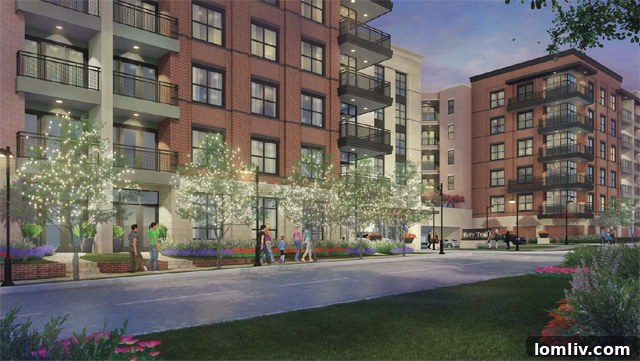
In the vibrant and rapidly developing urban landscape of Dallas, discussions around new real estate projects often center on their impact on local communities, infrastructure, and, increasingly, affordable housing. A recent community meeting regarding the highly anticipated Lincoln Katy Trail project brought these critical issues to the forefront. At last week’s gathering at Turtle Creek Terrace, organized by Lincoln, a prominent question arose concerning the number of affordable housing units promised within the development. The query, directed at the project’s developer, Toll Brothers, sparked a moment of inadvertent misinformation, highlighting the complex nature of affordable housing metrics and the importance of clear, accurate communication in urban planning discussions.
The Initial Misunderstanding: Decoding Affordable Housing Percentages
During the Lincoln meeting, a question from the audience regarding the number of affordable housing units in the Toll Brothers project led to some confusion. In an attempt to provide clarity, I volunteered that the project included a ten percent affordable component. This statement, though well-intentioned, was incorrect. The fast-paced environment of community meetings and the intricacies of development agreements can sometimes lead to such misunderstandings. My commitment to journalistic integrity and accurate reporting compels me to clarify this immediately, ensuring that our readers and the community have the correct information regarding this significant development in Dallas.
Lincoln Katy Trail Project: A Detailed Look at Toll Brothers’ Commitment
Upon further investigation and correction, it’s essential to present the precise figures for the Lincoln Katy Trail project’s affordable housing contributions. Toll Brothers is allocating three percent of their units, totaling approximately nine units, specifically as affordable housing. This commitment is a direct contribution to addressing the need for diverse housing options within the area. However, their strategy extends beyond this fixed percentage. In addition to these dedicated units, Toll Brothers will also accept Section 8 housing vouchers for “over twelve” units. This dual approach signifies a more comprehensive effort to provide housing solutions for a broader range of income levels, blending traditional affordable units with market-rate units accessible through federal assistance programs.
Understanding the Impact of Section 8 Vouchers in Urban Development
The inclusion of Section 8 vouchers, often referred to as the Housing Choice Voucher Program, is a critical component of many affordable housing strategies. This federal program helps very low-income families, the elderly, and people with disabilities afford safe, sanitary, and decent housing in the private market. By accepting Section 8 vouchers, developers like Toll Brothers play a vital role in integrating a wider socioeconomic spectrum into new communities. While the three percent dedicated affordable units provide a baseline, the acceptance of Section 8 vouchers expands the total number of units available below market rates to approximately seven percent. This blended approach acknowledges the multifaceted challenge of affordable housing and leverages both direct allocations and government-assisted programs to create more inclusive neighborhoods.
Differentiating Commitments: The Alliance at Cole and Armstrong Project
My initial inaccuracy stemmed from a mix-up with a completely separate, though equally significant, development project: the Alliance at Cole and Armstrong. This project, also known as Broadstone, is indeed proposing a ten percent affordable housing component. The distinction between these two projects underscores the varied approaches developers take in addressing community needs and local regulations. Both Lincoln and Alliance are pivotal to the evolving landscape of Dallas’s urban core, but their specific commitments to affordable housing differ. It’s crucial for the public and stakeholders to understand these nuances, especially as urban development continues to shape our city.
Community Engagement: The Role of the Oak Lawn Committee and Public Discourse
The discussion around these projects, including the upcoming presentation by Alliance and Lincoln at tomorrow’s Oak Lawn Committee meeting, highlights the indispensable role of community engagement in urban planning. Meetings like the one scheduled at the Melrose Hotel at 6:30 p.m. provide essential platforms for developers, community leaders, and residents to openly discuss proposals, voice concerns, and find common ground. The Oak Lawn Committee, as a vital civic organization, plays a crucial part in reviewing development plans, advocating for community interests, and ensuring transparency. These forums are not just about compliance; they are about fostering dialogue, building trust, and shaping the future of our neighborhoods collaboratively. Public attendance at such meetings is encouraged and vital for a truly representative urban development process.
Upholding Journalistic Integrity: Correcting the Record
The primary motivation for this article is not just to clarify the specific numbers but also to underscore the importance of accuracy in real estate reporting. There is an unwavering commitment to transparency and truth. I do not like being inaccurate, especially when discussing issues as sensitive and impactful as affordable housing. This clarification also serves to propitiate a note from Angela Hunt, a respected community advocate, who promptly corrected my initial ten percent claim by noting that the city had communicated a three percent figure to her. While her correction was accurate regarding the direct allocation, it didn’t account for the Section 8 component, which, when combined, offers a more complete picture of the project’s commitment. This exchange further demonstrates the complexity of these figures and the need for comprehensive understanding of all aspects of development agreements.
Navigating the Complexities of Urban Development Data and Public Information
The nuances surrounding affordable housing figures – distinguishing between directly allocated units and those accessible via vouchers like Section 8 – often lead to confusion. Urban development agreements are frequently multi-layered, involving various funding mechanisms, regulatory compliance, and community benefit agreements. For the public and even seasoned observers, deciphering these details can be challenging. It’s imperative for developers, city officials, and journalists alike to provide clear, holistic explanations that encompass all facets of a project’s impact, particularly concerning social responsibilities such as affordable housing. Our aim is always to present a complete and digestible picture, enabling informed public discourse and effective decision-making.
The Broader Imperative: Addressing Affordable Housing in Dynamic Urban Centers
The discussions surrounding the Lincoln Katy Trail and Alliance projects are emblematic of a larger, more pressing issue facing Dallas and many other rapidly growing urban centers: the increasing demand for affordable housing. As cities expand and property values rise, maintaining socioeconomic diversity becomes a significant challenge. Thoughtful urban planning must integrate strategies that ensure housing accessibility for all income levels. This not only promotes social equity but also fosters healthier, more vibrant communities. Developers, city planners, and community members must collaborate to devise innovative solutions that balance growth with inclusivity, ensuring that the benefits of urban development are shared broadly across the population. The future vitality of Dallas depends on our ability to navigate these complex waters with foresight and compassion.
Embracing the YIMBY Movement for Sustainable Urban Growth
In this context, movements like YIMBY — “Yes In My Backyard” — offer a crucial perspective. YIMBY advocates champion the construction of more housing, including affordable options, as a primary solution to housing shortages and rising costs. This movement contrasts with NIMBYism (“Not In My Backyard”), which often opposes new development, even when it could alleviate housing crises. My personal appreciation for modern and historical architecture is always balanced against the principles of the YIMBY movement. Sustainable urban growth requires not just aesthetically pleasing structures but also functionally diverse and accessible housing for everyone. Supporting responsible development that integrates mixed-income communities is essential for creating truly resilient and equitable cities that can accommodate growth without sacrificing affordability or character.

Beyond the Headlines: My Passion for Real Estate and Urban Development
While the intricacies of affordable housing percentages and development agreements might seem like niche topics, they form the bedrock of my journalistic beat. My focus consistently remains on high-rises, homeowners’ associations (HOAs), and renovation projects. These areas represent the dynamic pulse of urban living and offer endless stories of community, innovation, and challenge. Whether it’s dissecting the latest architectural trends, exploring the impact of HOA policies on residents, or chronicling the transformation of historical properties through meticulous renovation, I am dedicated to bringing these stories to light. My work strives to connect readers with the people and policies shaping their built environment, offering insights into the decisions that define our cities.
Acknowledging Excellence: Real Estate Journalism Awards and Professional Recognition
The commitment to quality reporting in the real estate sector has been consistently recognized by industry peers. In both 2016 and 2017, the National Association of Real Estate Editors (NAREE) honored my writing with significant awards. These accolades include two Bronze awards – one for a piece on how housing styles and interiors leap into the future while exteriors often wallow in the past (2016), and another dissecting the complex and often frustrating topic of property taxes (2017). Additionally, I received two Silver awards during the same period – one for an insightful look into a unique home in Marrakech, Morocco, titled “Flock to the Casbah” (2016), and another examining the fascinating dynamics of second homeownership in Bermuda, and how it serves the rich while protecting local interests (2017). These recognitions are a testament to the dedication to providing engaging, well-researched, and thought-provoking content to the Candysdirt.com audience.
Engage with Us: Share Your Story and Connect with the Community
Beyond writing, I am also enthusiastic about fostering direct engagement within the real estate community. If your organization or development project is interested in hosting a Candysdirt.com Staff Meeting event, I am your dedicated contact. These events are fantastic opportunities to connect with industry professionals, discuss current trends, and showcase innovative projects. We believe in the power of conversation and the exchange of ideas. Whether you have a compelling story about a unique property, a groundbreaking urban development initiative, or even a personal milestone like a marriage proposal that intertwines with the city’s fabric, I want to hear it. Please don’t hesitate to reach out and share your insights. Your stories are what make the Dallas real estate scene so vibrant and intriguing. Feel free to shoot me an email directly at [email protected]. Let’s continue the conversation and explore the fascinating world of real estate together.