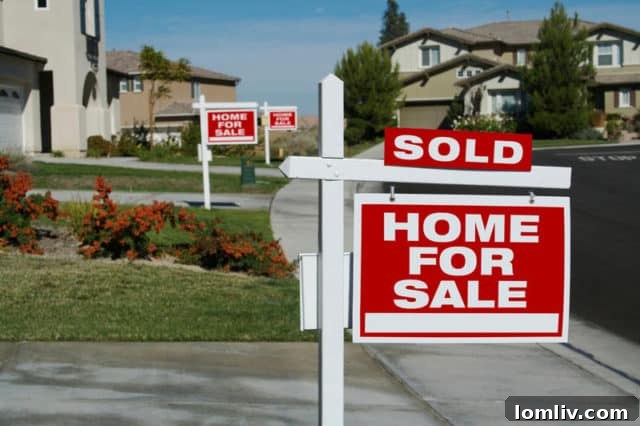
The intricate balance of supply and demand dictates the health of any market, and the real estate sector is no exception. In business, a scarcity of product can lead to both opportunities and significant challenges. Consumers keenly remember the early days of the pandemic, when even essential items like toilet paper became elusive, highlighting the discomfort of low inventory on a national scale. Today, a similar, albeit more complex, scenario is unfolding within the vibrant Dallas-Fort Worth housing market, where a severe inventory shortage is reshaping the landscape for both buyers and sellers.
The pandemic’s far-reaching consequences continue to ripple through the D-FW real estate sector. While attractive mortgage rates persist and home prices climb, an underlying uncertainty about the future trajectory of the pandemic and economic stability has kept many potential sellers on the sidelines. Homeowners are grappling with questions: Is this the absolute best time to sell? What if I sell my home but can’t find a suitable replacement? This hesitancy has collectively fueled a dramatic decline in available homes, intensifying the competitive pressure within the region.
Understanding the D-FW Housing Inventory Crisis
The numbers paint a stark picture of the diminishing supply in the North Texas homes market. According to Zillow’s Weekly Market Report, the Dallas-Fort Worth area experienced a staggering 35.8 percent inventory decline year-over-year, with a further 6.7 percent drop observed in September alone. Data from the North Texas Real Estate Information Systems (NTREIS) corroborates this trend, reporting an even more pronounced 40.9 percent decrease in inventory for September. These figures underscore a market teetering on critically low supply, reminiscent of the empty shelves consumers faced during the initial pandemic panic – a comparison that truly highlights the severity of the current situation.
This dramatic contraction in available homes directly impacts the crucial supply-and-demand formula that governs housing markets. A truly balanced housing market, one where neither buyers nor sellers hold a distinct advantage, typically boasts between 6.0 to 6.5 months of inventory, as benchmarked by the Real Estate Center at Texas A&M University. However, the latest 2020-Q3 Texas Quarterly Housing Report reveals that available inventory in Texas has plummeted to just 2.3 months, a significant 1.3-month decline. The D-FW housing market, therefore, is firmly entrenched in a robust seller’s market, where demand overwhelmingly outstrips supply, leading to rapid sales and upward pressure on prices.
As Rusty Hall of Century 21 Judge Fite in Fort Worth aptly summarizes, “There’s just not enough houses.” This sentiment resonates across the entire region, creating a challenging environment for prospective buyers who often find themselves competing against multiple offers, frequently above asking price, and needing to make swift decisions. For sellers, however, it presents an unprecedented opportunity to capitalize on high demand and favorable market conditions.
Why Aren’t Homeowners Selling? Insights from Zillow
To better understand the reluctance of homeowners to list their properties in such a seemingly opportune market, Zillow conducted a comprehensive survey of 1,000 homeowners between September 29 and October 5. The findings shed light on the primary concerns preventing an influx of new listings:
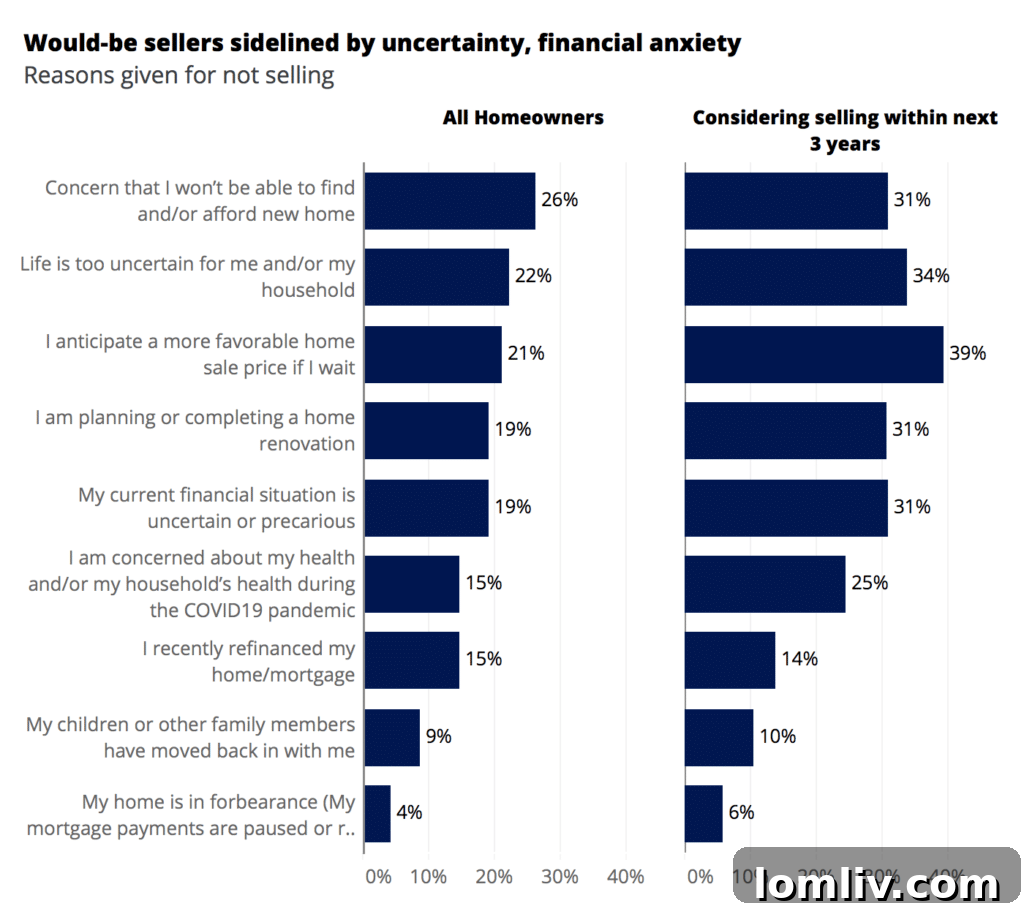
- Concern about Finding a New Home (26 percent): A significant portion of homeowners expressed anxiety over their ability to find or afford a suitable replacement home once their current property is sold. This “chicken or the egg” dilemma is a major contributor to the ongoing inventory shortage. Homeowners are reluctant to become buyers in the same fiercely competitive market, fearing they might be left without a home or forced into a less desirable option.
- General Life Uncertainty (22 percent): The lingering effects of the pandemic have created a pervasive sense of uncertainty regarding employment, economic stability, and future personal circumstances. This broader unease makes homeowners hesitant to undertake a major life event like moving, preferring to maintain stability during unpredictable times.
- Anticipating a More Favorable Sale Price (21 percent): A considerable number of homeowners believe that waiting longer will yield an even better sale price. Given the consistent upward trajectory of home prices in Dallas and throughout D-FW, this expectation is understandable, but it further delays new listings from entering the market, exacerbating the supply issue.
Interestingly, factors such as health concerns related to COVID-19 and participation in mortgage forbearance programs were cited far less frequently as reasons for delaying a home sale. This suggests that while the pandemic initially spurred some caution, the economic and logistical concerns of moving in a tight market now weigh more heavily on homeowners’ minds.
Delving deeper into generational trends, the survey revealed a unique insight: 35 percent of millennials (born 1980-1995) and Generation Z (1996 and later) homeowners indicated that the completion of a home renovation was a primary reason for staying put. This suggests that a younger demographic of homeowners is investing in their current properties, making them more comfortable and less inclined to move, at least in the short term. This trend, combined with the other factors, solidifies the challenges faced by the Dallas-Fort Worth housing market in replenishing its low inventory.
Navigating the Dallas-Fort Worth Real Estate Landscape: Key Reports and Market Trends
Understanding the current state of the D-FW real estate market requires a closer look at various reports and indicators. These provide valuable insights into affordability, rental dynamics, and overall market performance, helping both prospective buyers and sellers make informed decisions.
- Housing Affordability Analysis (Zillow): A Zillow analysis indicates that Dallas-Fort Worth homeowners dedicate approximately 17.7 percent of their income to housing costs, which is slightly above the national average of 17.5 percent. This figure provides a crucial benchmark for affordability, illustrating how housing expenses compare to median incomes. While D-FW remains more accessible than exorbitant markets like San Francisco, where homeowners spend a staggering 34.4 percent of their income on mortgages, it’s significantly higher than affordable pockets like Scranton, PA (10.3 percent). This suggests that while D-FW is a desirable market, rising prices are beginning to strain affordability, especially for first-time buyers or those with lower income brackets. Read more here.
- Zillow Weekly Market Report: As of the October 24 report, the D-FW housing market remains exceptionally strong despite a slight deceleration in pending sales. These sales are still nearly 20 percent higher than figures from 2019, underscoring robust demand. Furthermore, median list and sales prices have surged by over 11 percent, reflecting the intense competition and limited inventory. Zillow spokesman Mark Stayton humorously characterized the market, stating, “Like butternut squash soup just seconds out of the pot, this market is still scalding hot,” an apt description for the current heated climate. This report solidifies the notion that buyers must be prepared for a fast-paced environment and rising prices. Read more here.
- NTREIS Monthly Indicators (September Report): The North Texas Real Estate Information Systems (NTREIS) provides critical local data. Their September report indicated a 2.76 percent decrease in new listings of North Texas homes, totaling 12,193. Simultaneously, pending sales jumped by 8.7 percent to 10,144, showcasing strong buyer activity despite fewer new options. The most telling statistic remains the drastic 40.9 percent shrinkage in inventory, reducing available units to 20,192. This severe imbalance has inevitably pushed median sales prices up by 10.3 percent, reaching $290,000. These figures collectively illustrate a classic seller’s market where fewer homes are entering the market, but those that do are quickly snatched up at higher valuations due to sustained buyer interest. Read more here.
- Apartment List National Rent Report: While home sales soar, the rental market in Dallas tells a slightly different story. According to Apartment List, rents in Dallas decreased by 0.5 percent month-over-month and have fallen by 2.6 percent since March, when the pandemic began. Median rents currently stand at $981 for a one-bedroom apartment and $1,176 for a two-bedroom unit. This decline in rental prices could be attributed to various factors, including an increase in apartment supply, some residents moving to more suburban areas, or potentially even some renters transitioning into homeownership due to attractive mortgage rates in Texas, even amidst the challenging buyer’s market. Read more here.
- National Rent Report (Zumper): Zumper’s national report further elaborates on rental market shifts. Notably, Irving and Plano were identified as two of thirteen cities experiencing record-breaking yearly decreases in one-bedroom median rental prices, dropping 10.7 percent and 8.4 percent, respectively. Nationally, the Bay Area saw dramatic year-over-year rent declines, with San Francisco down a nation-high 20.7 percent and Oakland 19.2 percent. These significant drops in some major metropolitan areas suggest a broader trend of urban exodus or increased flexibility for remote work, impacting rental demand. In the context of D-FW, Dallas ranked as the 34th-most expensive city for renters in September, with Fort Worth at 55th and Arlington at 72nd. The price for a one-bedroom unit in Dallas decreased by 1.6 percent to $1,230, while two-bedroom units saw a 5.2 percent drop to $1,650. This contrasts sharply with the surging home sales market, indicating that while buying might be challenging, the rental landscape offers some reprieve for those not ready or able to purchase. Read more here.
- National Housing Report (RE/MAX): The RE/MAX report highlights the exceptional performance of the Dallas-Fort Worth housing market, with home sales up an impressive 19.6 percent over the previous year. Concurrently, home prices in the region have increased by 10.3 percent. Specifically, the median sales price in D-FW reached $300,000, a notable rise from $271,990 in September 2019. This regional strength mirrors a national trend, where the streak of record-breaking home sales extended to three consecutive months in September, as closings surged by 21.1 percent year-over-year. This report solidifies the narrative of a robust, high-demand market, driven by low interest rates and a persistent desire for homeownership, despite the significant challenge of limited inventory. The national and regional data consistently point towards a resilient market that continues to defy broader economic uncertainties. Read more here.
Looking Ahead: The Future of D-FW Real Estate
The current state of the Dallas-Fort Worth housing market presents a complex picture. For sellers, it’s an advantageous time to list, with high demand and rising prices. However, the subsequent challenge of finding a new home prevents many from entering the market, further exacerbating the low inventory. For buyers, the market demands patience, flexibility, and the readiness to act quickly in a competitive environment. The combination of sustained demand, historically low mortgage rates in Texas, and a constrained supply continues to fuel price appreciation and rapid absorption of new listings.
As the region moves forward, several factors will influence the trajectory of the D-FW real estate market. An increase in new construction could gradually alleviate some of the inventory pressure. A clearer resolution to the pandemic, alongside greater economic certainty, might encourage more homeowners to list their properties. However, for the foreseeable future, the Dallas-Fort Worth area is expected to remain a dynamic and highly sought-after market, with its low inventory levels being the defining characteristic. Staying informed through reliable reports and working with experienced real estate professionals will be crucial for navigating this unique market landscape.