From Sacred to Stylish: The Transformative Power of Church Conversions in Modern Real Estate
The stately architecture of historic churches, once cornerstones of community life, increasingly stands silent and susceptible to the ravages of time and neglect. As congregations dwindle and maintenance costs soar, these magnificent structures often face an uncertain future. Yet, a growing trend in real estate offers a compelling solution: adaptive reuse, particularly the conversion of these sacred spaces into vibrant multi-family residences. This innovative approach not only breathes new life into architectural treasures but also addresses critical urban housing needs, creating truly unique living environments.
The Unfolding Saga of Oak Cliff United Methodist Church
The story of many such buildings often begins with a whisper of concern, much like the one that recently echoed through a Dallas history Facebook group. Someone inquired about the fate of the now-dormant Oak Cliff United Methodist Church, its once-proud facade slowly succumbing to decay. “Anybody know what’s going on with this place?” the group member asked, lamenting, “I’ve been driving by it daily on the way to my school and just watching it deteriorate daily. So sad. They can’t tear it down, thankfully.”
The sentiment was widely shared. Comments poured in, many expressing distress over the visible deterioration. Photos circulated, revealing broken windows and an interior exposed to the elements, a stark reminder of the building’s vulnerability. Others noted that efforts were being made to board up sections, a temporary measure against further decline but a poignant symbol of its abandonment.
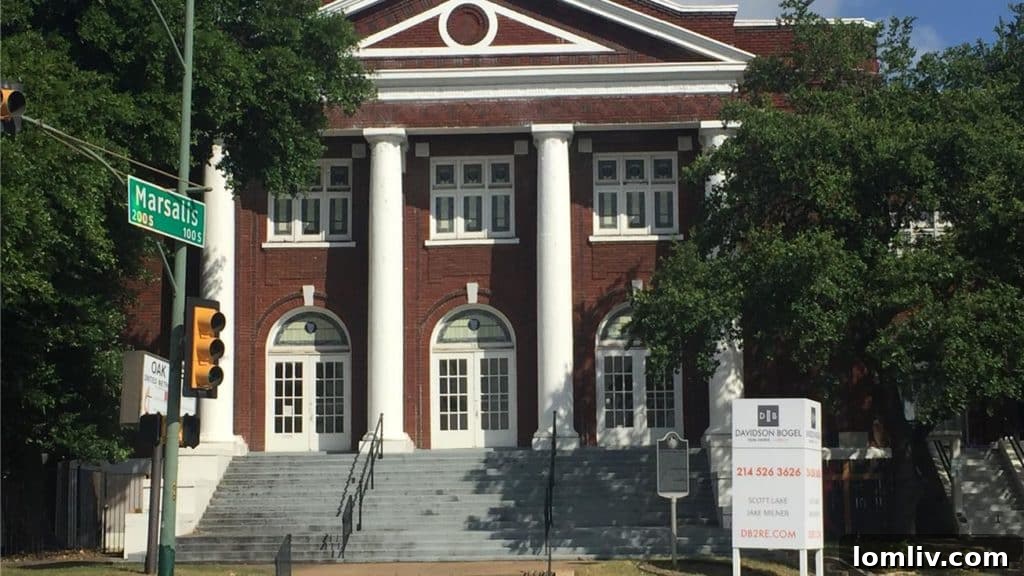
This community concern ignited a search for answers. Past reports in the Oak Cliff Advocate documented the church being put up for sale, following its merger with Tyler Street UMC. Yet, tracing its subsequent history proved challenging. Several charter schools, including Honors Academy and Pegasus School of Liberal Arts and Sciences, briefly occupied the premises, but Pegasus has since relocated downtown, leaving the building once again vacant.
According to the Dallas Central Appraisal District, the property is owned by Victor Ballas, a notable real estate investor with an extensive portfolio of 172 properties in and around Dallas. Despite inquiries to the North Texas Conference of the United Methodist Church, no one seems to know what specific use the building has seen since Ballas acquired it in 2016. This information vacuum highlights a common challenge: historic properties, once divested, can often fall off the radar, their potential for revitalization overlooked.
Further investigation revealed a fleeting listing on the commercial real estate site Crexi.com, indicating that Davidson & Bogel Real Estate had an active listing. However, a direct check of Davidson & Bogel’s own website did not yield the church among their listed properties, adding to the mystery surrounding its current status. This ambiguity underscores the urgent need for a clear vision for such buildings, especially given their historical and architectural significance.
Dallas’s Unsung Architectural Gems: Other Churches Awaiting Transformation
The Oak Cliff United Methodist Church is not an isolated case. A browse through listings by specialized firms like Service Realty, which focuses on church properties, reveals numerous North Texas church structures awaiting new purpose. Many of these possess significant historical value or boast fantastic architecture that could be eligible for preservation. These buildings represent untapped potential for Dallas, offering opportunities to enhance the urban fabric while honoring the city’s past.
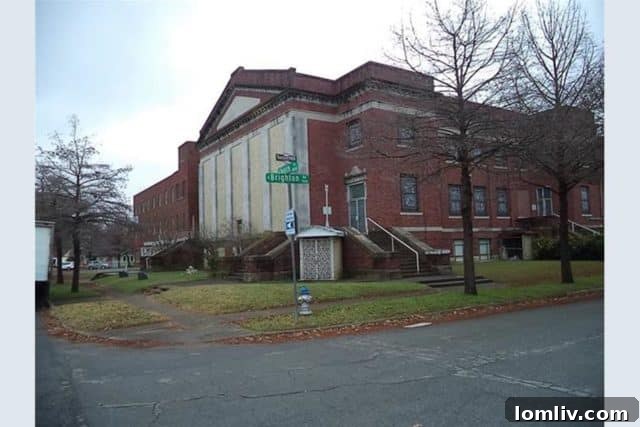
One particularly prominent example is Calvary Baptist Church, another historic Oak Cliff landmark also listed for sale. Its imposing structure and substantial square footage make it a prime candidate for adaptive reuse. These buildings, often characterized by high ceilings, large open spaces, and distinctive architectural details, present a unique canvas for developers with vision.
Beyond the Pews: Envisioning New Futures for Empty Churches
So, what exactly can be done with an empty church? The common suggestions often lean towards charter schools or office buildings. While these are viable options, the most exciting and increasingly popular avenue is residential conversion, especially multi-family housing. We’ve long championed creative church conversions in our community, recognizing their potential to become truly inspiring spaces.
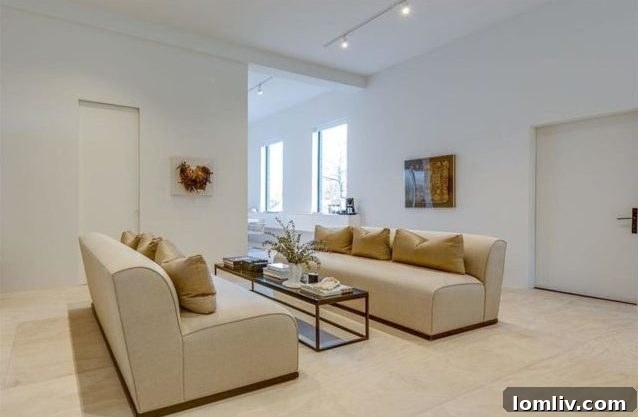
Not every church building, of course, is a suitable candidate for every type of conversion. Some are protected by stringent historic preservation regulations, which, while vital for maintaining architectural heritage, can also present complex development challenges. Yet, the successes we’ve seen are remarkable:
- A North Oak Cliff church transformed into an inspiring live-work space in 2016.
- Another church reimagined as modern office spaces in 2014.
- The former home of St. John’s United Methodist Church in Junius Heights, converted into unique residential units.
- And the Junius Heights Church, featured on a recent home tour, illustrating successful integration into a vibrant neighborhood.
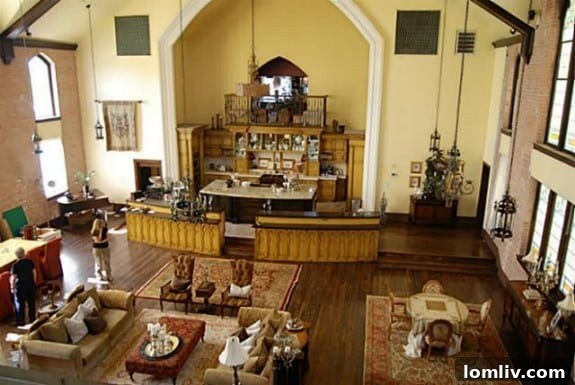
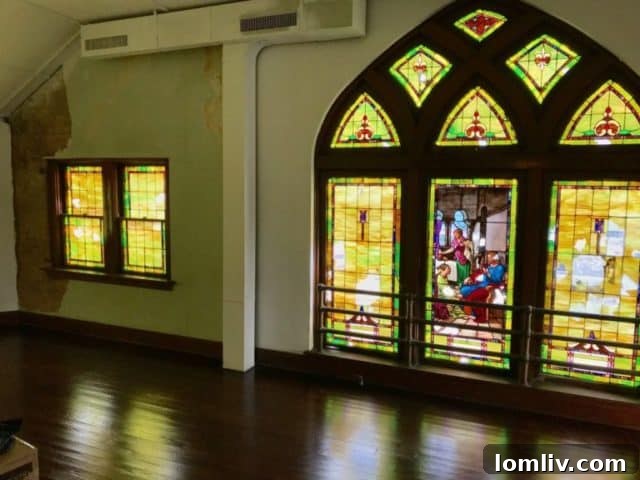
The Multi-Family Renaissance: Churches as Dynamic Residential Spaces
While offices and live-work spaces are certainly viable, the true game-changer in church conversions often lies in their potential for multi-family residential uses. Many of these structures, like the sprawling Calvary Baptist complex, offer expansive square footage that can be intelligently reconfigured into a mix of affordable one and two-bedroom apartments, or even chic studio loft-style units. Imagine living in a space with soaring ceilings, stained-glass accents, and unique architectural details – a far cry from generic modern apartments.
This isn’t a radical concept; it’s a rapidly gaining momentum. Building Design & Construction magazine recently highlighted how developers are “going church-crazy,” recognizing the immense multi-family potential within these often large, centrally located buildings. The allure is undeniable: historic charm combined with modern amenities, all within a uniquely character-rich envelope.
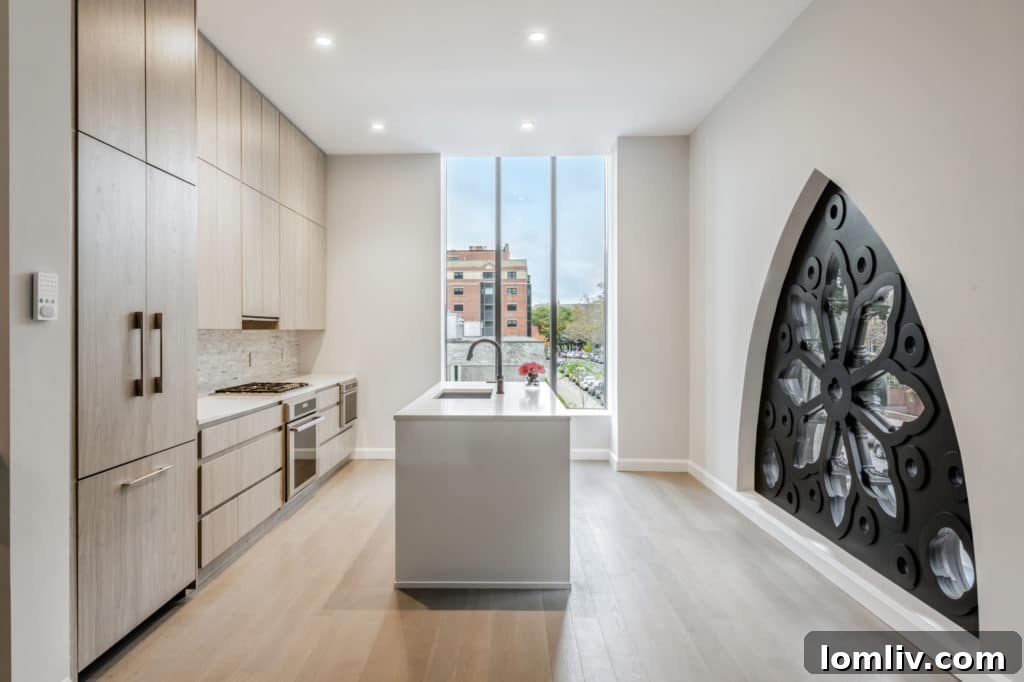
Pioneering Examples of Church-to-Condo Transformations
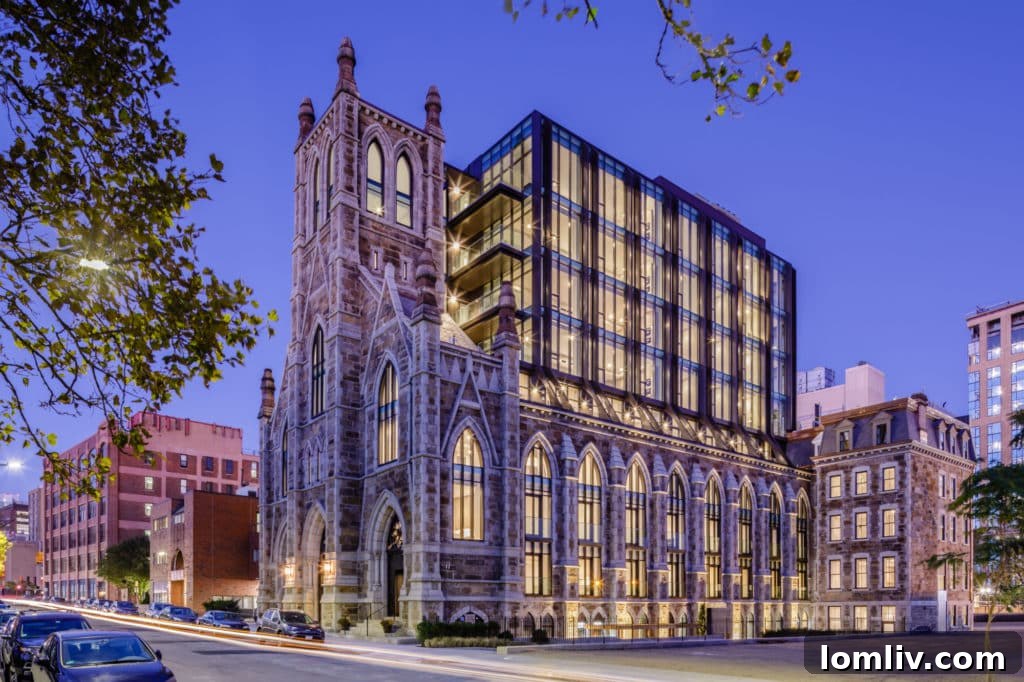
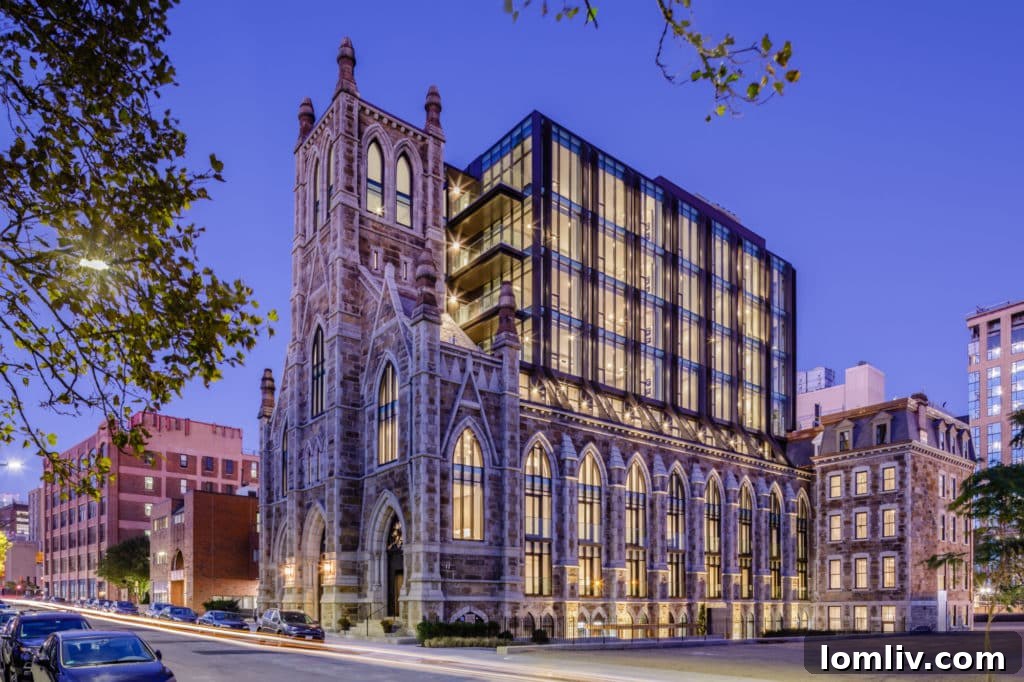
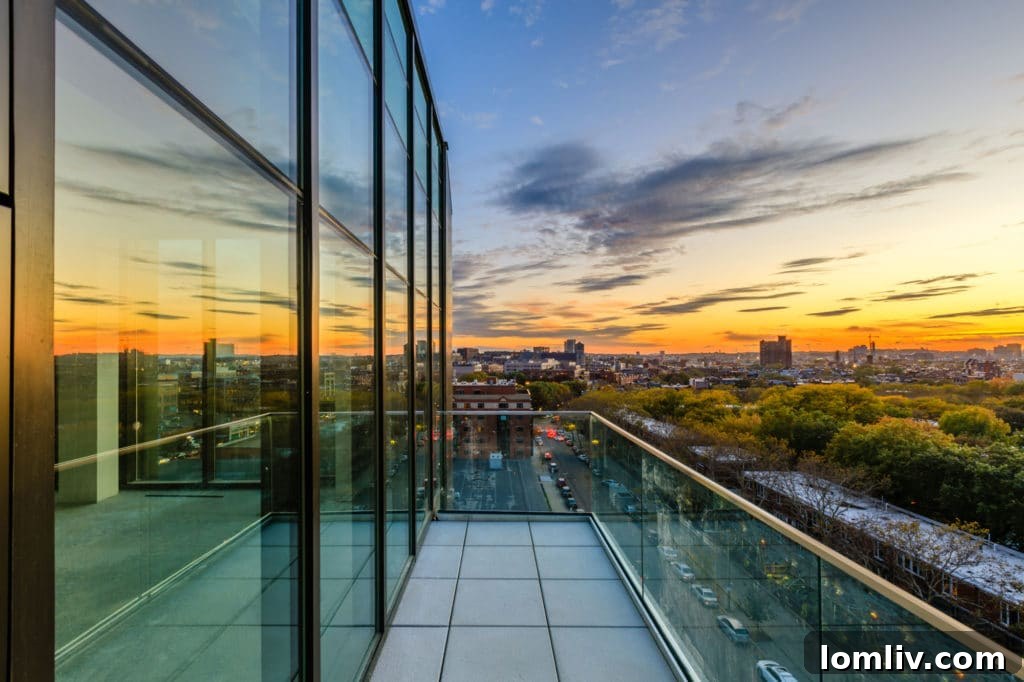
One outstanding example is Finegold Alexander Architects’ 2017 conversion of the 19th-century German Trinity Catholic Church in Boston. This project, now known as The Lucas, transformed the historic edifice into a striking 33-unit development. The architects ingeniously integrated a modern, glass-clad structure that rises up and out from within the original Roxbury Puddingstone walls, crowned by a majestic 100-foot tower. The result is a breathtaking fusion of old and new, offering residents unparalleled living spaces steeped in history yet equipped with all the comforts of contemporary urban life.
This Boston success story is far from an isolated incident. The adaptive reuse of churches for residential purposes is a growing trend, gaining traction and local approvals in major cities across the nation. John Caulfield, senior editor at Building Design & Construction, noted, “There have been several recent examples of this kind of adaptive reuse of churches receiving local approval.” He cited the New York City Community Board 7’s vote in favor of a zoning exemption to convert the 112-year-old, 47,000-square-foot former First Church of Christ, Scientist, on 96th Street and Central Park West, into 39 luxury condominiums. This project exemplifies the scale and ambition of modern church conversions.
New York City: A Hub for Historic Church Conversions
New York City, with its rich architectural heritage and high demand for housing, has become a hotbed for such innovative transformations. Numerous notable conversions dot the city’s landscape, each a testament to creative urban planning and design:
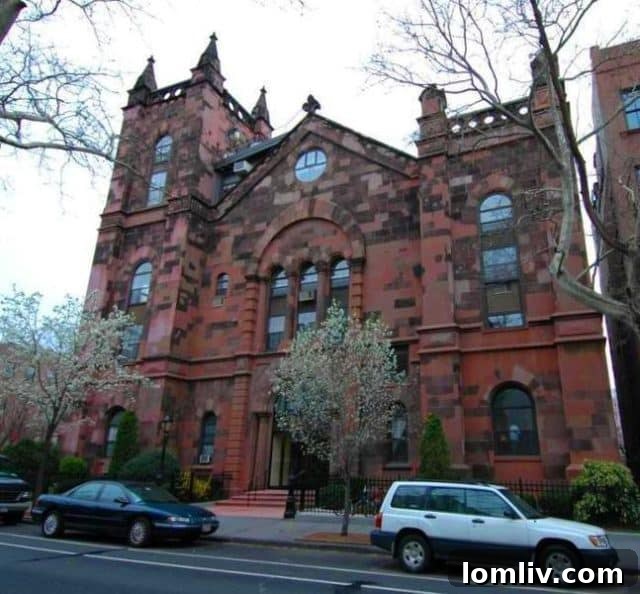
- 450 Clinton, the former Norwegian Seamen’s Church: This building has been masterfully repurposed, retaining much of its original character while offering modern living spaces.
- 360 Court, the former South Congregational Church: Another prime example where historical integrity meets contemporary residential needs.
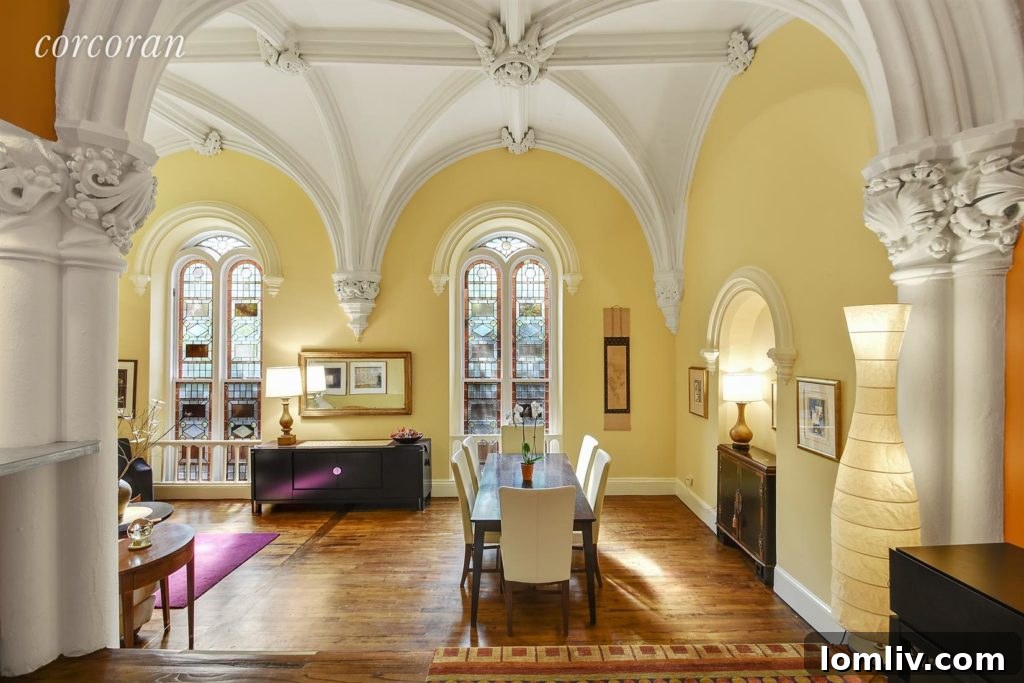
- The Sanctuary, a neo-gothic cathedral on Cumberland Street: This majestic structure has been reimagined as luxurious residences, preserving its grand scale and intricate details.
Philadelphia’s Narberth Place: A Community-Focused Conversion
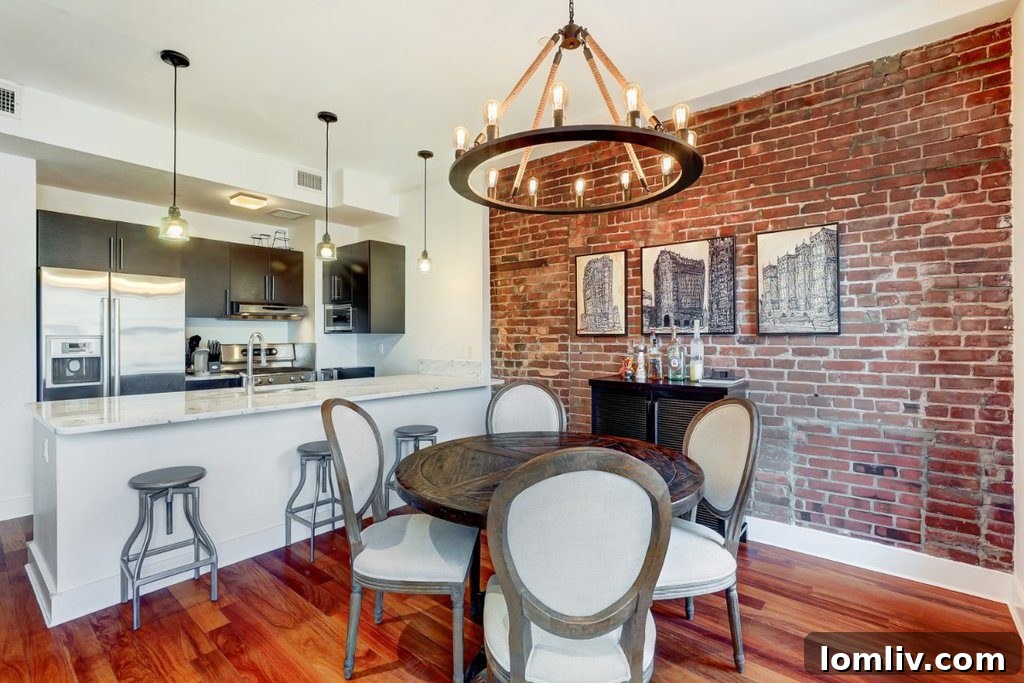
Moving south, Philadelphia offers another compelling case with Main Line reBUILD’s transformation of the historic Narberth United Methodist Church into Narberth Place. This project demonstrates a holistic approach, creating a mix of townhomes and condos across three buildings, including the original parsonage. The developers meticulously preserved original features such as windows, fireplaces, tile work, and lighting, ensuring that the historical essence of the buildings remained intact while offering modern, comfortable homes. This blend of preservation and innovation provides a model for how communities can honor their past while building for the future.
The Future of Historic Structures: A Call for Visionary Development
The examples from Boston, New York, and Philadelphia clearly demonstrate that the conversion of historic churches into multi-family housing is not just feasible but highly desirable. These projects offer a sustainable way to preserve architectural heritage, provide unique living opportunities, and revitalize urban neighborhoods. For cities like Dallas, with its own collection of magnificent but underutilized church buildings, this trend presents a golden opportunity.
Imagine the Oak Cliff United Methodist Church, or the grand Calvary Baptist Church, not as decaying relics, but as vibrant communities, housing new generations of residents who appreciate their unique character. Such conversions require visionary developers, collaborative city planning, and engaged communities willing to embrace innovative solutions. The potential is immense, not only for economic benefit but for enriching the cultural and historical landscape of our cities.
So, we turn to you, our readers: What do you envision for these empty churches? What innovative uses would you propose for the historic structures mentioned today? Share your thoughts and join the conversation about how we can collectively safeguard and repurpose these irreplaceable landmarks for a sustainable future.
About the Author
Bethany Erickson is the education and public policy writer for Daltxrealestate.com and the Director of Audience Engagement for Candy’s Media. She is a distinguished member of several professional organizations, including the Online News Association, the Education Writers Association, the International Academy of Digital Arts and Sciences, the National Association of Real Estate Editors, and the Society of Professional Journalists. A highly acclaimed journalist, Bethany is the 2018 NAREE Gold winner for best series and a recipient of the 2018 Dallas Press Club Hugh Aynsworth Award. You can contact her directly at [email protected].