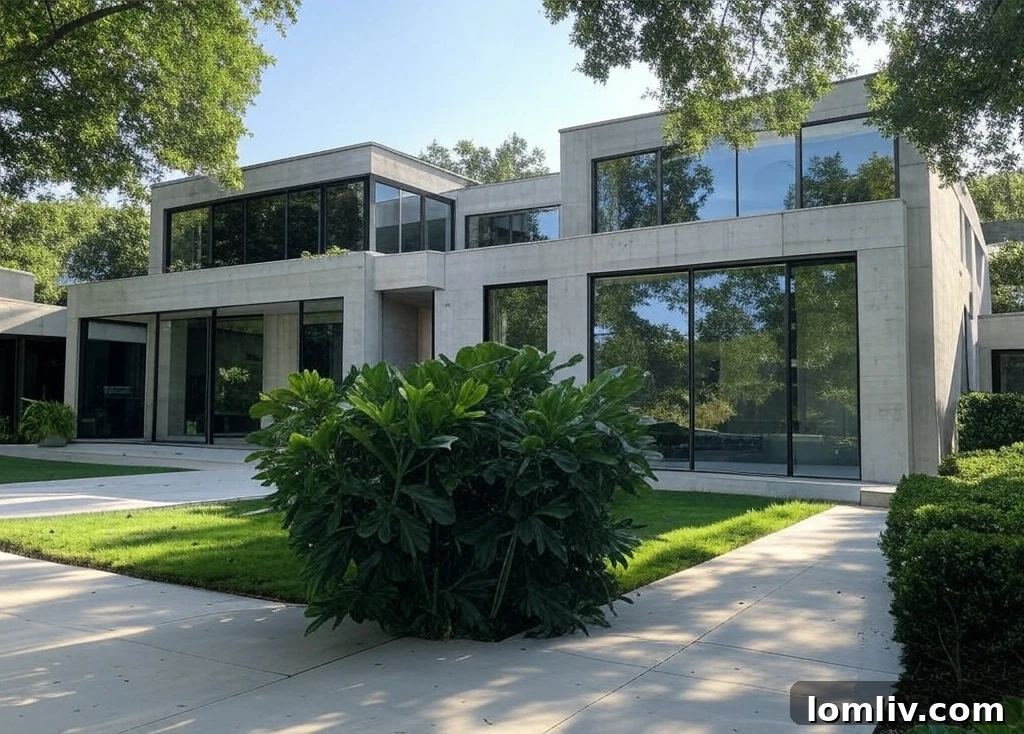
Houston’s dynamic climate presents a unique set of challenges for property owners. From the relentless, scorching summers that push temperatures well above 90°F to the frequent, torrential rains and the ever-present threat of flooding, securing and maintaining a property can feel like a constant battle against the elements. Traditional building materials often succumb to this extreme environment, cracking, warping, or deteriorating at an accelerated rate. However, there’s a proven solution that offers unparalleled resilience and long-term protection: weatherproof concrete. Renowned for its durability, versatility, and inherent strength, concrete is engineered to withstand the harshest conditions Houston can throw at it. Beyond its protective capabilities, concrete also enhances the aesthetic appeal and functionality of both residential and commercial properties, offering a sustainable and attractive investment. In this comprehensive guide, we’ll delve into the myriad ways concrete provides superior, long-term weather protection, making it an indispensable choice for any Houston property owner seeking peace of mind and enduring value.
Why Houston’s Climate Demands Resilient Materials
Houston’s weather patterns are characterized by extremes that put immense stress on building materials. Summers are notoriously hot, with daily temperatures frequently soaring past 90°F (32°C) and high humidity levels exacerbating the feeling of intensity. This prolonged exposure to heat causes less robust materials like wood to warp, crack, and rot, while asphalt surfaces can soften, deform, and break down prematurely. The relentless sun can also fade colors and degrade sealants, diminishing the appearance and integrity of your property.
Equally challenging are the heavy rainfall events and the subsequent risk of flooding. Situated near the Gulf Coast, Houston is prone to tropical storms, hurricanes, and intense thunderstorms that can overwhelm drainage systems and lead to widespread standing water. This poses a significant threat to foundations, landscaping, and the exterior of buildings, leading to structural damage, mold growth, and costly repairs. Unlike materials that absorb water or degrade under continuous moisture, concrete boasts exceptional resistance to both extreme temperatures and high humidity, making it the premier choice for Houston homeowners and businesses. Its inherent strength and stability provide a robust defense against the unique environmental pressures of this vibrant Texan city.
Strategic Concrete Applications for Superior Flood Prevention
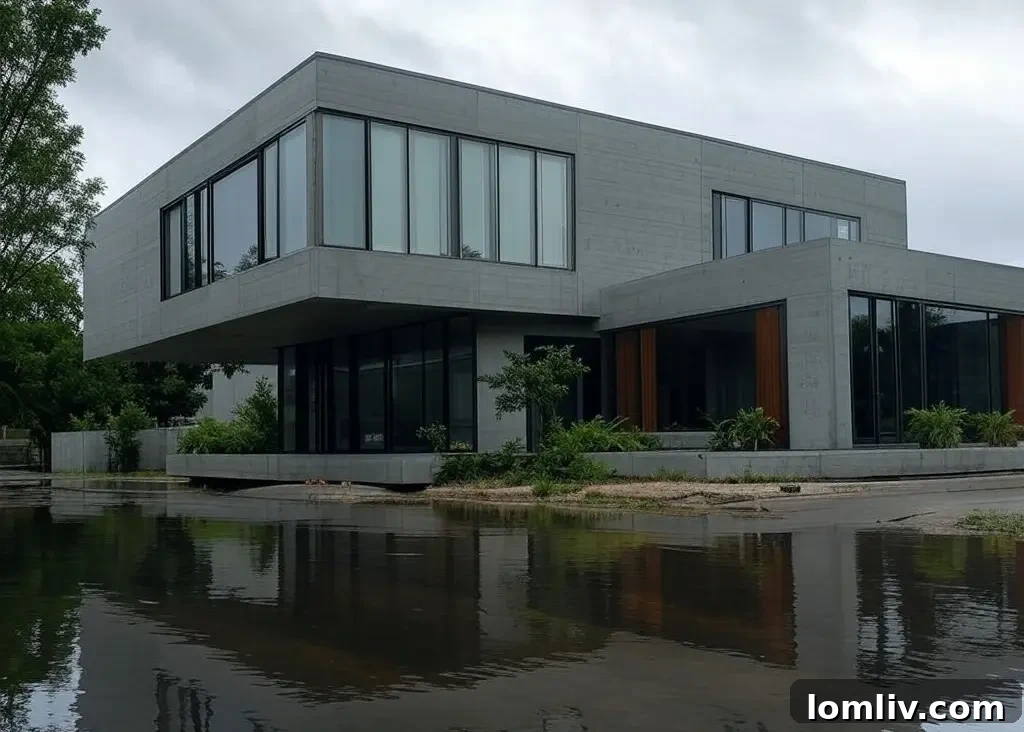
Flooding remains one of Houston’s most persistent and destructive challenges. Property owners face the constant threat of rising waters damaging their homes and businesses. Fortunately, innovative concrete solutions offer effective strategies to significantly mitigate flood risks, safeguarding your investment and ensuring greater peace of mind. By intelligently incorporating various types of concrete and construction techniques, it’s possible to build resilience directly into your property’s infrastructure, turning a vulnerability into a fortified defense.
1. Elevated and Reinforced Foundations
In areas identified as prone to flooding, building a raised concrete foundation is a critical protective measure. This design elevates the entire structure above anticipated flood levels, preventing water from entering the building and causing extensive damage. These foundations are typically constructed with heavily reinforced concrete, integrating steel rebar to provide exceptional stability and resistance against hydrostatic pressure. This robust construction ensures that the foundation remains structurally sound even if the surrounding ground becomes saturated or experiences shifting due to floodwaters. Beyond flood protection, raised foundations can also improve airflow beneath the structure, potentially reducing moisture buildup and enhancing energy efficiency.
2. Permeable Concrete Solutions
Permeable concrete is a groundbreaking innovation designed to address stormwater runoff and mitigate localized flooding. Unlike traditional concrete, its unique composition features a system of interconnected voids that allow rainwater to filter directly through the pavement surface and infiltrate into the underlying soil. This process significantly reduces the volume of stormwater runoff, prevents water buildup on surfaces, and helps recharge local groundwater supplies. Permeable concrete is an ideal solution for driveways, patios, walkways, and parking lots, transforming impervious surfaces into functional drainage systems that work with nature rather than against it. It not only helps prevent flooding but also reduces the burden on municipal storm sewers and can improve water quality by filtering pollutants.
3. Durable Retaining Walls
Concrete retaining walls are indispensable for properties located on sloped land or near waterways, where soil erosion and uncontrolled water flow are common issues. These robust structures are engineered to hold back soil, prevent erosion, and effectively divert water away from critical areas of your property. By channeling runoff into appropriate drainage systems or away from foundations, concrete retaining walls act as formidable barriers against water intrusion. They can be designed in various styles and finishes, offering both practical flood protection and an attractive landscape feature, enhancing both the safety and curb appeal of your property.
4. Advanced Flood Barriers and Perimeter Protection
For direct and immediate flood defense, precast concrete elements can be strategically deployed as standalone flood barriers or integrated into a comprehensive perimeter protection system. These robust structures are designed to withstand significant water pressure and can be rapidly installed or permanently built around homes and businesses. By creating a physical barrier against rising water, precast concrete solutions dramatically reduce the risk of indoor flooding and safeguard valuable assets. This proactive approach offers a highly effective defense mechanism, providing a critical buffer during severe weather events and giving property owners invaluable time to prepare.
Innovative Concrete Solutions for Extreme Heat Mitigation
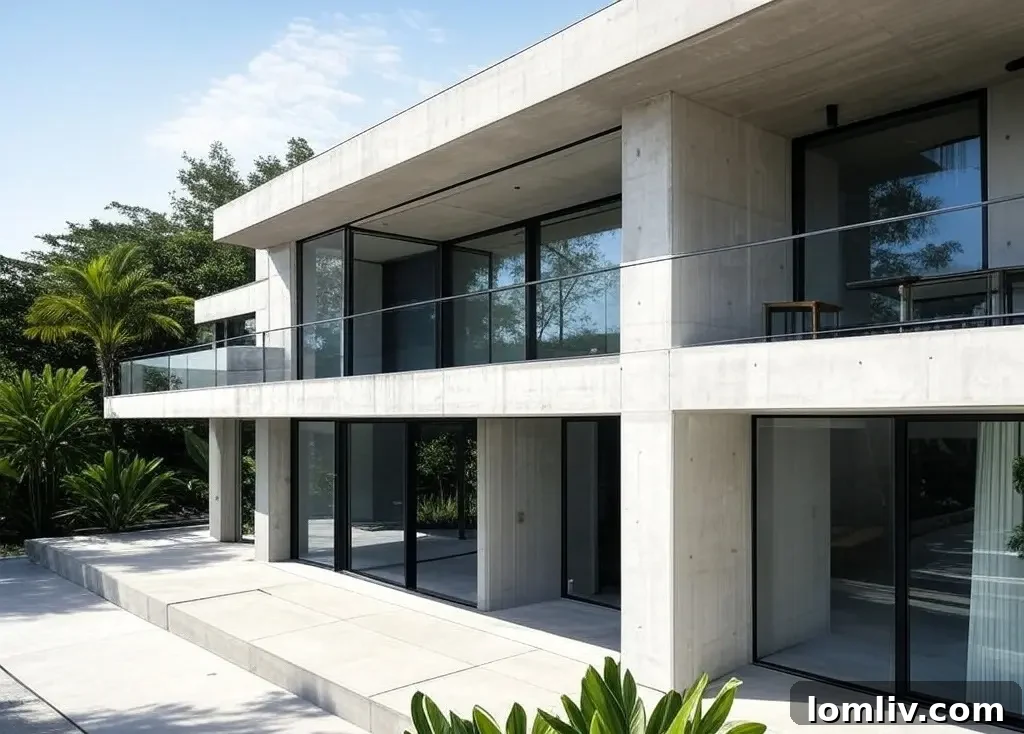
Houston’s sweltering summers not only create uncomfortable living conditions but also lead to exorbitant air conditioning costs. The “urban heat island effect,” where paved surfaces and buildings absorb and re-emit solar radiation, exacerbates the problem. Addressing this requires building materials that can actively help reduce heat absorption and maintain cooler temperatures. Concrete, with its adaptable properties, offers several highly effective solutions to combat extreme heat, transforming hot outdoor spaces and moderating indoor environments.
1. Cool Paving Technologies
Traditional dark-colored pavements absorb significant solar radiation, contributing to elevated ambient temperatures. Cool paving, utilizing lighter-colored concrete or specialized reflective coatings, dramatically alters this dynamic. By increasing the surface’s solar reflectance (albedo), these concrete applications reflect more sunlight and absorb less heat. This not only makes outdoor spaces like driveways, sidewalks, and patios noticeably cooler and more comfortable for walking and recreation but also significantly reduces the overall urban heat island effect. Lower surface temperatures translate directly to cooler surrounding air, benefiting the entire community and reducing the energy load on nearby buildings.
2. Energy-Efficient Concrete Roofing
Concrete is an increasingly popular and highly effective choice for roofing due to its exceptional thermal insulation properties. Whether in the form of concrete tiles or flat concrete roof systems, it acts as a natural barrier against heat transfer. During Houston’s intense summers, a concrete roof helps to block solar heat from penetrating the building envelope, keeping indoor temperatures more stable and significantly reducing the reliance on air conditioning. This leads to substantial energy savings and lower utility bills, making concrete roofing a smart, sustainable investment for any property owner looking to enhance their home’s energy efficiency.
3. Harnessing Concrete’s Thermal Mass
One of concrete’s most advantageous properties in hot climates is its significant thermal mass. Concrete has the ability to absorb and store a large amount of heat energy from the environment and then release it slowly over time. In Houston’s climate, this means that concrete walls and flooring can absorb the day’s heat, effectively slowing its transfer into the interior. As evening approaches and temperatures drop, the stored heat is slowly released. This natural temperature-regulating effect helps to keep your home cooler during the peak heat of the day and can even contribute to a slightly warmer interior during cooler nights, reducing the need for constant HVAC intervention and fostering a more comfortable indoor environment.
4. UV-Resistant Coatings and Sealants
While concrete is inherently durable, prolonged exposure to intense UV radiation from the Houston sun can still lead to surface degradation, fading, and even micro-cracking over many years. Applying a high-quality, UV-resistant sealant or coating to concrete surfaces provides an additional layer of protection. These specialized treatments act as a sacrificial barrier, shielding the concrete from harmful UV rays, preventing color fading, and inhibiting surface deterioration. This not only maintains the aesthetic appeal of your concrete installations but also significantly extends their service life, ensuring they remain robust and attractive for decades with minimal maintenance.
Beyond the Elements: Additional Enduring Benefits of Concrete
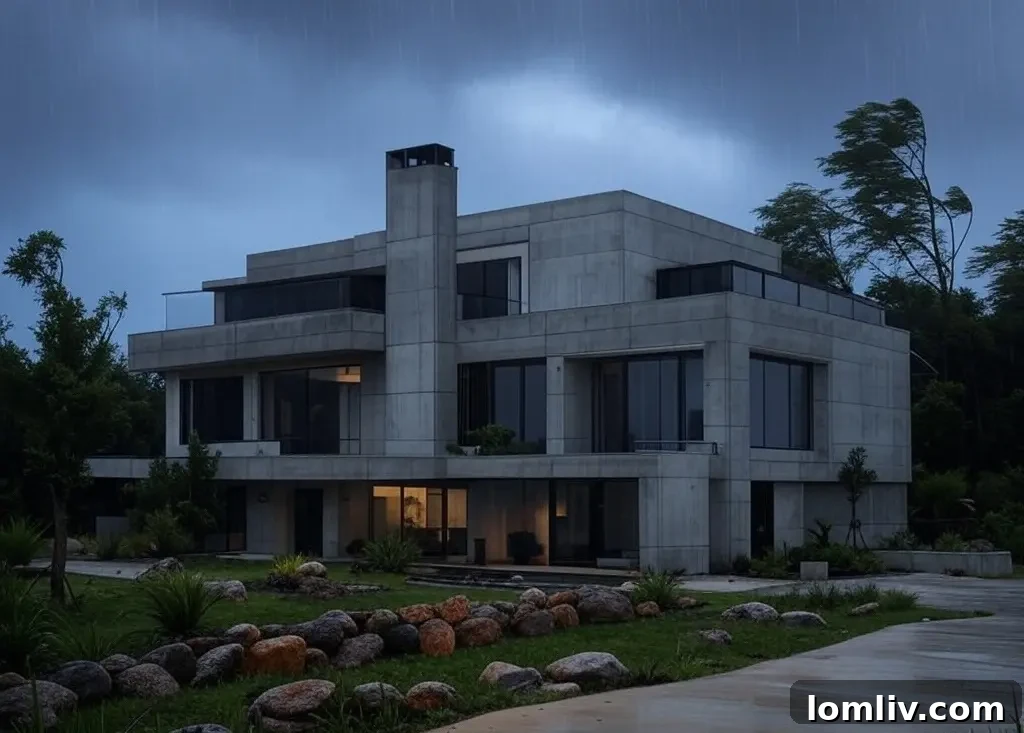
While its resistance to flooding and extreme heat makes concrete an indispensable choice for Houston, its advantages extend far beyond these primary benefits. Concrete offers a comprehensive suite of characteristics that cement its status as a superior building material, providing lasting value, safety, and reduced ownership costs for properties in challenging environments. These additional benefits contribute significantly to the overall resilience and sustainability of any structure.
- Unmatched Wind and Storm Resistance: In a region vulnerable to severe weather events, including tropical storms and hurricanes, the structural integrity of a building is paramount. Reinforced concrete structures possess exceptional strength and rigidity, making them far more capable of withstanding high winds, torrential rain, and the impact of flying debris compared to lighter materials like wood or vinyl siding. This superior resistance translates directly into enhanced safety for occupants and significantly reduces the risk of catastrophic damage, offering invaluable peace of mind when a storm hits.
- Remarkable Long-Term Durability: Concrete is renowned for its incredible longevity. Unlike many alternative building materials that may crack, rot, rust, or degrade over time due to weather exposure, concrete maintains its structural integrity and aesthetic appeal for decades, often outliving the structures it supports. It exhibits minimal wear and tear even when subjected to constant extreme weather cycles, heavy foot traffic, or vehicular loads. This enduring nature means fewer repairs, replacements, and overall a much lower lifecycle cost for the property owner.
- Minimal Maintenance Requirements: One of the most attractive aspects of concrete for busy property owners is its low maintenance profile. Compared to wood, which requires regular sealing, painting, and treatment against rot and pests, or asphalt, which needs frequent patching and resurfacing, concrete demands significantly less upkeep. Occasional cleaning with a pressure washer and periodic resealing (typically every few years, depending on exposure and sealant type) are usually sufficient to keep concrete surfaces in optimal condition and preserve their appearance, saving both time and money.
- Exceptional Fire Resistance: Concrete is an inherently non-combustible material, making it a crucial component in fire-resistant construction. In the event of a fire, concrete acts as a barrier, slowing the spread of flames and providing vital additional time for occupants to evacuate and for emergency services to respond. This inherent fire resistance enhances the safety of the property and its inhabitants, offering protection that other materials cannot match.
- Resistance to Pests and Mold: In Houston’s humid climate, wood structures are susceptible to termites, rot, and mold growth. Concrete, being inorganic, is impervious to these issues. It does not provide a food source for termites or other pests, nor does it support the growth of mold or mildew when properly installed and maintained. This makes concrete a healthier and more durable choice, reducing the need for pest control and mold remediation services.
Making the Right Choice: Tips for Selecting Your Concrete Solution
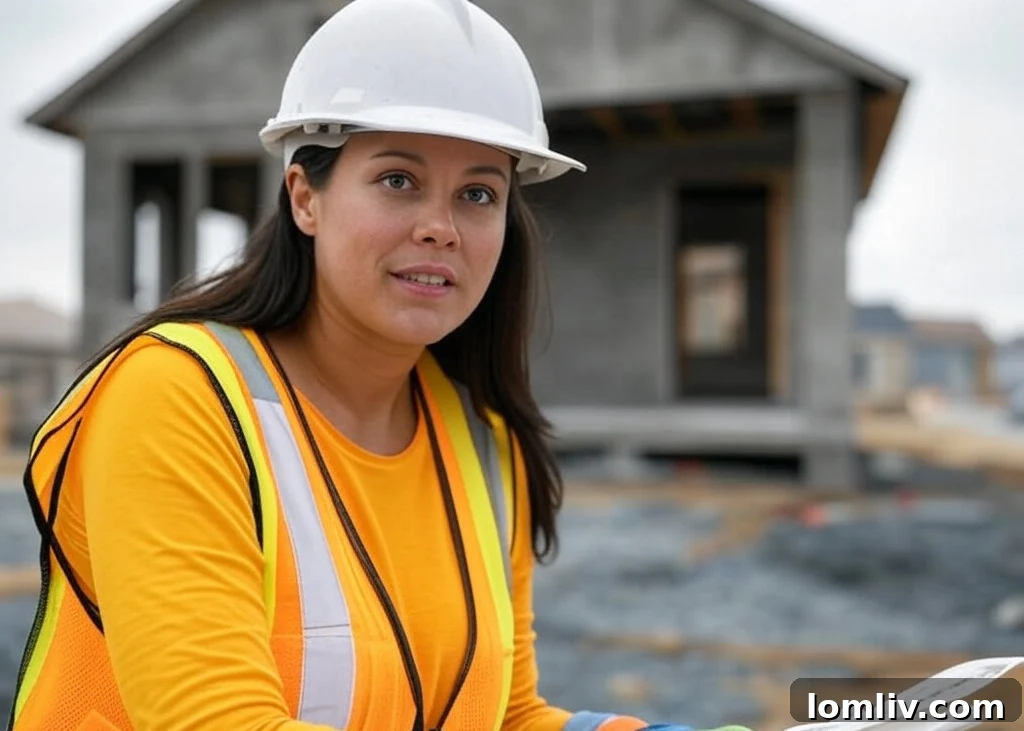
Investing in concrete solutions for your Houston property is a significant decision that promises long-term benefits. To ensure you maximize the return on this investment and effectively address the city’s unique weather challenges, careful planning and informed choices are essential. Following these guidelines will help you navigate the process of selecting and implementing the perfect concrete solutions for your specific needs, guaranteeing optimal performance and lasting satisfaction.
- Engage with Local Concrete Experts: The success of any concrete project hinges on the expertise of the professionals involved. It is paramount to choose a reliable and experienced concrete contractor in Houston, TX. A reputable local contractor will possess an in-depth understanding of Houston’s specific climate challenges, soil conditions, and local building codes and regulations. They will have a proven track record of designing and installing weatherproof concrete solutions that are not only structurally sound but also tailored to withstand the regional extremes. Look for contractors with strong references, proper licensing, and comprehensive insurance.
- Tailor Solutions to Your Property’s Unique Needs: Concrete is incredibly versatile, offering a vast array of designs, finishes, and functional properties. Before making a decision, thoroughly assess your home or business’s specific vulnerabilities and aesthetic aspirations. Do you primarily need flood protection around a low-lying foundation, or are you looking to create cooler outdoor living spaces? Perhaps a decorative stamped concrete patio is desired, or a highly functional permeable driveway. Work closely with your chosen contractor to explore all available options. Select a solution that not only provides the necessary weather protection but also complements your property’s architectural style, functional requirements, and personal preferences, ensuring a cohesive and effective outcome.
- Commit to Regular Concrete Maintenance: While concrete is celebrated for its low maintenance requirements, consistent, routine care is crucial for extending its lifespan and preserving its pristine appearance. Establish a regular maintenance schedule that includes periodic cleaning to remove dirt, grime, and environmental buildup. Depending on the type of concrete and its exposure, resealing every few years is often recommended to protect the surface from moisture penetration, UV damage, and staining. Promptly address any minor cracks or issues to prevent them from escalating into more significant problems. Proactive maintenance will ensure your concrete installations continue to perform optimally and look exceptional for decades to come.
Houston’s demanding climate necessitates building materials that are not just strong, but truly resilient. Concrete stands as the unequivocal ideal solution, offering unparalleled protection against the ravages of flooding, the intensity of scorching heat, and a myriad of other environmental challenges unique to the region. By strategically implementing features such as permeable driveways that manage stormwater runoff, reflective sidewalks that mitigate the urban heat island effect, and robust retaining walls that prevent erosion, property owners can create truly weather-resistant environments. Investing in concrete is an investment in your property’s long-term safety, durability, and aesthetic appeal, ensuring it stands strong, looks beautiful, and provides enduring value year after year in the face of Houston’s ever-changing weather.