For many, the mere mention of a budget meeting conjures images of endless spreadsheets, dense jargon, and an overwhelming sense of apathy. As someone who has attended countless school finance and budget sessions throughout my career, I can attest to their often-numbing nature. These meetings can be incredibly dry, sometimes feeling less like civic engagement and more like a test of endurance – potentially effective as a torture device, as I’ve sometimes jested. Even for someone who genuinely enjoys delving into financial reports and understanding budgetary allocations, the typical presentation format often fails to engage or enlighten. If I were to assign a color to the conventional budget meeting in my calendar, it would undoubtedly be “greige” – that unremarkable, in-between shade of gray and beige that is neither offensive nor inspiring, perfectly encapsulating the mundane.
My expectations for the Dallas Independent School District’s (Dallas ISD) public budget meeting at Cigarroa Elementary were, therefore, understandably low. I anticipated the usual PowerPoints, the awkward silences that punctuate complex financial explanations, and the general feeling of detachment that often accompanies such events. These meetings are crucial for explaining how the district’s money is allocated and highlighting the challenging choices involved in that process, yet their traditional format often alienates the very public they aim to inform. It’s a common challenge for public bodies: how to make vital information accessible and engaging to a diverse audience, fostering genuine understanding rather than passive reception.
Transforming Public Engagement: A Fresh Take on School Budget Meetings
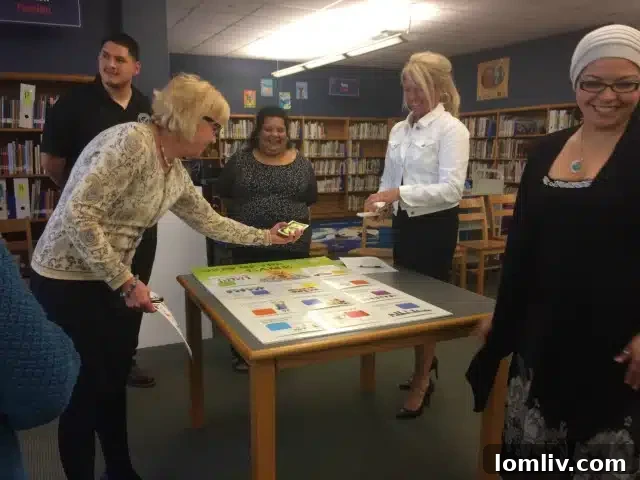
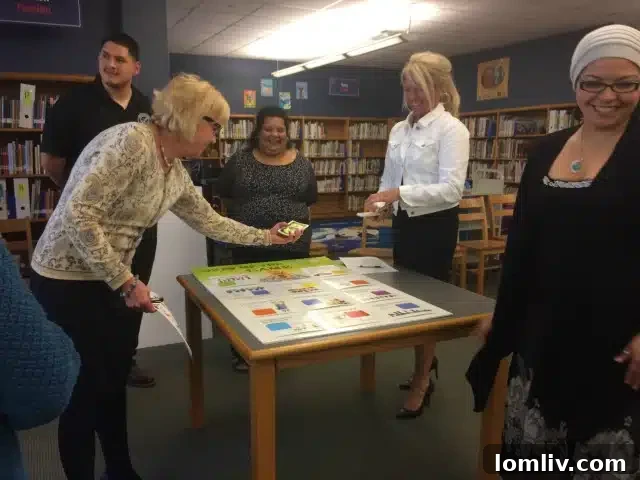
What I encountered at Cigarroa Elementary was a revelation. Far from the drab, passive experience I had braced myself for, this public budget meeting was, quite astonishingly, fun. It was an exceptionally engaging and informative session that stands out as one of the most enjoyable public meetings I’ve ever attended – and that’s saying something, considering no refreshments of the alcoholic variety were involved! The Dallas ISD finance team managed to completely overturn the stereotype of the boring budget meeting, creating an atmosphere of active participation and genuine interest. The secret to their success lay in a brilliant strategy centered around three interactive games designed to demystify district finances and encourage collaborative problem-solving among attendees.
This innovative approach not only made the complex world of school budgeting accessible but also fostered a deeper understanding and appreciation among participants for the intricate decisions school districts face daily. It highlighted a critical need for public institutions to rethink how they engage with their communities on vital financial matters, transforming passive information dissemination into active learning experiences. Such methods are essential for building trust, promoting transparency, and ensuring that community input is truly informed and meaningful. When citizens understand the constraints and opportunities within a budget, they can advocate more effectively and support their schools more robustly.
Game 1: “Show Me The Money” – Unpacking Budget Allocation Perceptions vs. Reality
The first game, aptly named “Show Me The Money,” plunged participants directly into the heart of the district’s financial structure. Each attendee received $100 in fake one-dollar bills, with each dollar representing one percent of the district’s overall budget. The task was simple yet profound: allocate these funds across various hypothetical budget categories based on how we believed the district currently distributes its money. This hands-on exercise was an immediate departure from the passive listening typical of traditional meetings, forcing us to think critically and make informed guesses about the allocation of significant public funds.
The results were fascinating and often surprising. While our group came remarkably close on some budget items, our estimations for others were wildly off the mark. This exercise vividly illustrated the common misconceptions the public often holds regarding where school district funds truly go. For example, participants might initially over-allocate to administrative costs, reflecting a common public perception that bureaucracy consumes a disproportionate share of resources. Conversely, they might under-allocate to essential support services like special education, transportation, or facility maintenance, which often require substantial investment but are less visible to the average citizen. This disparity between public perception and actual allocation underscores the immense value of such interactive learning tools. It served as an invaluable educational moment, revealing the complexities behind budget percentages and challenging preconceived notions about school finance. By actively engaging with the numbers, participants began to grasp the true scale and distribution of educational spending.
This segment of the meeting wasn’t just about guessing; it was about learning and discovery. By physically distributing the “money,” participants gained a tangible sense of the district’s financial priorities and the scale of investment required for various departments and programs. It laid a foundational understanding of the budget’s framework, preparing attendees for the more nuanced discussions that followed. It also fostered a sense of empathy for the district’s financial planners, who must balance myriad competing needs within a finite budget. For those eager to test their own financial acumen, you can try your hand at guessing where the money goes by clicking here (remember, go with your gut, no cheating!). Afterward, you can compare your guesses to our group’s results, which highlight the official district allocations in the colored boxes, by clicking here and here. These visual aids further cemented the lessons learned during the interactive game.

Game 2: The Tough Choices of Budget Cuts and Their Ripple Effects
The second and third games delved into hypothetical scenarios, designed not to reflect an immediate financial crisis or windfall for Dallas ISD, but rather to illuminate the incredibly difficult decision-making processes inherent in budget management. It is crucial to reiterate that the district was not actually facing a $50 million shortfall, nor did it suddenly possess a massive surplus. These exercises were purely pedagogical, crafted to simulate the pressures and priorities involved in real-world financial planning for an educational institution. They aimed to convey the profound responsibility and often agonizing trade-offs involved in managing public funds, especially when faced with fiscal constraints.
Game two presented participants with a stack of program descriptions and the unenviable task of deciding what would be cut in the face of a hypothetical budget shortfall. We had to determine which programs would be eliminated, which would be preserved, which would be cut first, and, conversely, which would be prioritized for reinstatement if funds became available. This segment was genuinely challenging and sparked intense debate. Some decisions were relatively straightforward – for instance, a hypothetical district catering budget might be an “easy” cut, albeit with real-world implications for events and staff morale. Such cuts, while often the first considered, can still impact operational efficiency and community relations.
However, other choices were agonizingly difficult. Faced with options like postponing crucial software and electronics upgrades for a year, which could impact technological integration in classrooms and student readiness for a digital world, or increasing class sizes by just one student, which could profoundly affect teacher workload, individual student attention, and overall learning outcomes, the weight of responsibility became palpable. The group debated the long-term consequences of each cut: Would delaying technology updates put students at a disadvantage? How would larger class sizes affect the most vulnerable learners? These discussions underscored that budget decisions are rarely isolated; they create a ripple effect across the entire educational ecosystem, influencing everything from curriculum delivery to student well-being and teacher retention. Participants emerged from this exercise with a profound and improved appreciation for the arduous process of “tightening the belt” within a large and diverse school district. It underscored that behind every budgetary line item are real people, real programs, and real consequences for students and staff alike. Understanding these dynamics is paramount for fostering informed public discourse on district finances and building a supportive community.
Game 3: The Complexities of Spending a Surplus Strategically
The final game reversed the scenario, allowing us to grapple with the complexities of spending a hypothetical budget surplus. Once again, we were handed 100 fake one-dollar bills, each representing one percent of this theoretical surplus. The task was to judiciously allocate these funds to programs or initiatives that we believed needed additional investment. While seemingly a more pleasant challenge than cutting, deciding how to spend a surplus proved surprisingly difficult. This exercise moved beyond mere survival budgeting to strategic planning, highlighting that even when funds are abundant, tough decisions about prioritization remain.
The challenge lay in prioritizing among numerous worthy causes and understanding where extra funds could have the most significant impact. Should the surplus go towards teacher salary increases to boost morale and retention, addressing a critical need for competitive compensation? Should it fund new STEM initiatives to prepare students for future careers, or expand arts programs that foster creativity and holistic development? What about deferred maintenance on school facilities, ensuring safe and functional learning environments, or investing in new technology for classrooms to enhance educational delivery? Each option had compelling arguments, leading to robust discussions among participants about short-term gains versus long-term investments, equity across different schools, and the overall strategic direction of the district. One particularly insightful suggestion that garnered widespread agreement was the need for more comprehensive information regarding how fully funded each program already was. This data, participants noted, would be immensely helpful in making more strategic and equitable decisions about where additional funds could best serve the district’s mission and its students, preventing overfunding in some areas while neglecting others.
This exercise highlighted that managing a surplus is not merely about finding places to spend money; it’s about strategic investment, equitable distribution, and ensuring long-term benefit for the entire school community. It reinforced the idea that responsible financial stewardship requires not only addressing deficits but also maximizing opportunities when funds are available. Public input, informed by clear data and a deep understanding of district needs, is critical in ensuring that any surplus is utilized in a way that aligns with community values, educational priorities, and the overarching goal of student success. This kind of transparent and collaborative decision-making builds greater public confidence and engagement.
Beyond the Spreadsheet: The Enduring Value of Interactive Engagement
Overall, the Dallas ISD budget meeting was a refreshing and highly effective model for public engagement. It transcended the monotonous slide shows of years past, offering a dynamic and interactive environment that facilitated genuine learning and dialogue. The innovative use of games transformed a typically dry and intimidating subject into an approachable and even enjoyable experience, successfully demystifying complex financial concepts for the average citizen. This approach not only made the information more digestible but also fostered a sense of ownership and personal investment among attendees.
Beyond the structured games, this format provided a unique and invaluable opportunity for attendees to ask informal questions directly to district staff. This type of open, accessible dialogue is often rare in formal public meetings, where questions can feel rushed, formal, or intimidating. The relaxed and collaborative atmosphere encouraged deeper engagement, allowing participants to gain insights and clarify concerns in a way that fosters trust and transparency between the district and its community. It created a space where citizens felt heard and valued, strengthening the relationship between the school district and the taxpayers it serves.
The success of Dallas ISD’s approach offers a powerful lesson for other public institutions seeking to improve community participation and understanding of critical issues. By moving beyond traditional, passive presentation methods and embracing interactive, game-based learning, organizations can empower their communities to become more informed, engaged, and supportive stakeholders. This model not only educates but also builds a stronger sense of shared responsibility and collaboration, ultimately leading to more robust and resilient public services. It proves that civic engagement doesn’t have to be a chore; it can be an enlightening and even entertaining experience.
For those interested in experiencing this innovative approach firsthand, there were two more meetings scheduled on March 29. If you had the opportunity, attending would have undoubtedly been a worthwhile investment of your time. These types of meetings represent the future of public engagement, demonstrating that even the most daunting topics can be made accessible and engaging through creative and thoughtful design, ultimately leading to a more informed and participatory citizenry.