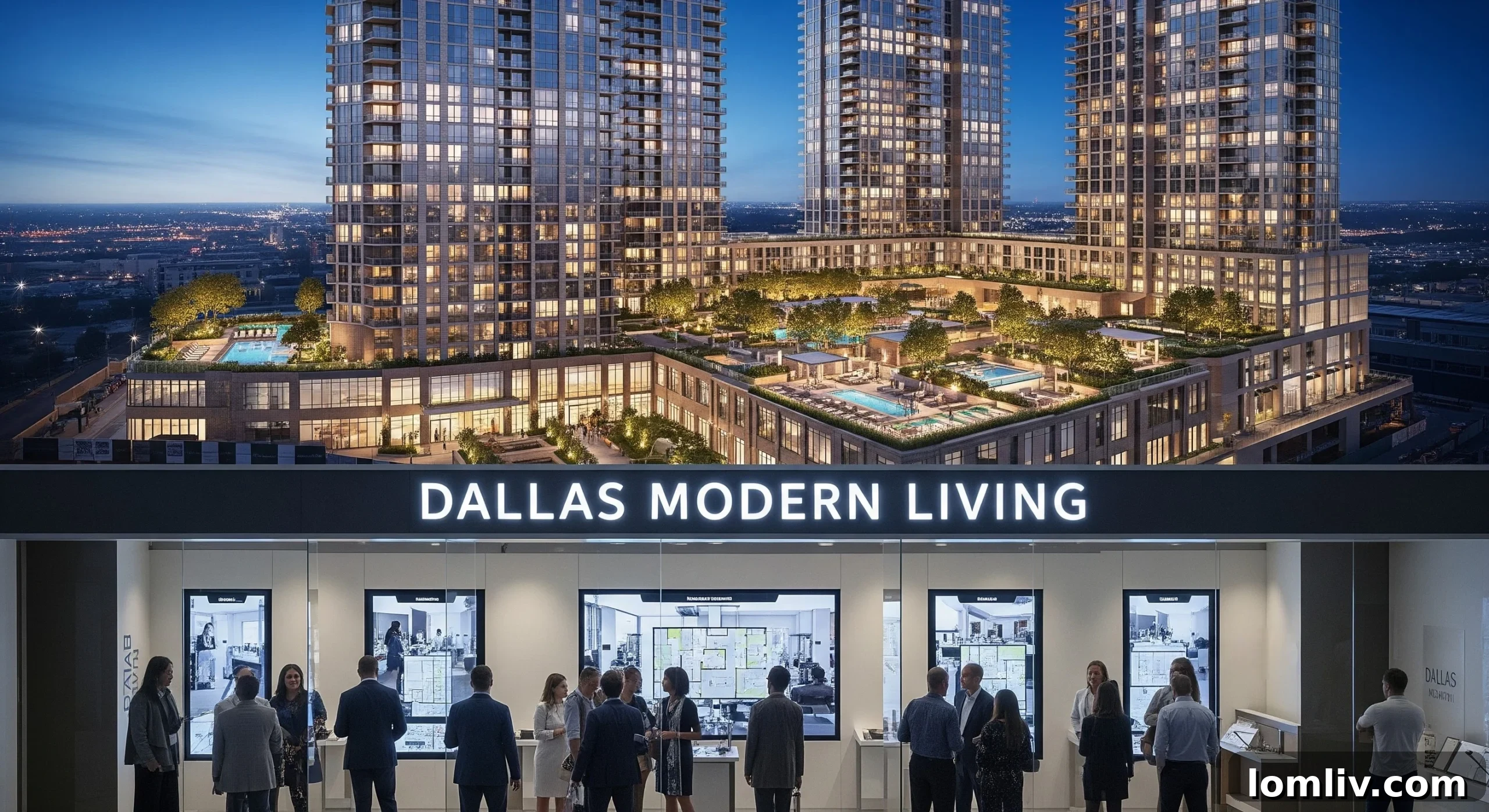
Revolutionizing Real Estate Pre-Sales: The Power of 3D Rendering
Selling a property that exists only on paper is an undeniable challenge. In the dynamic world of real estate development, prospective buyers are asked to commit their hard-earned money, often their life savings, to a concept – a promise visualized through technical blueprints and architectural drawings. For most, these 2D plans are a confusing maze of lines and symbols, failing to ignite excitement or foster a deep connection. This fundamental disconnect often leads to hesitation, stalled pre-sales, and lost opportunities, as buyers struggle to bridge the gap between abstract plans and their future home.
This uphill battle has long plagued developers, but the advent of 3D rendering has undeniably transformed the game. If your pre-sales figures are sluggish, if potential buyers are walking away with the common refrain, “I just can’t picture it,” then it’s time to embrace a superior, more immersive approach that makes the invisible visible.
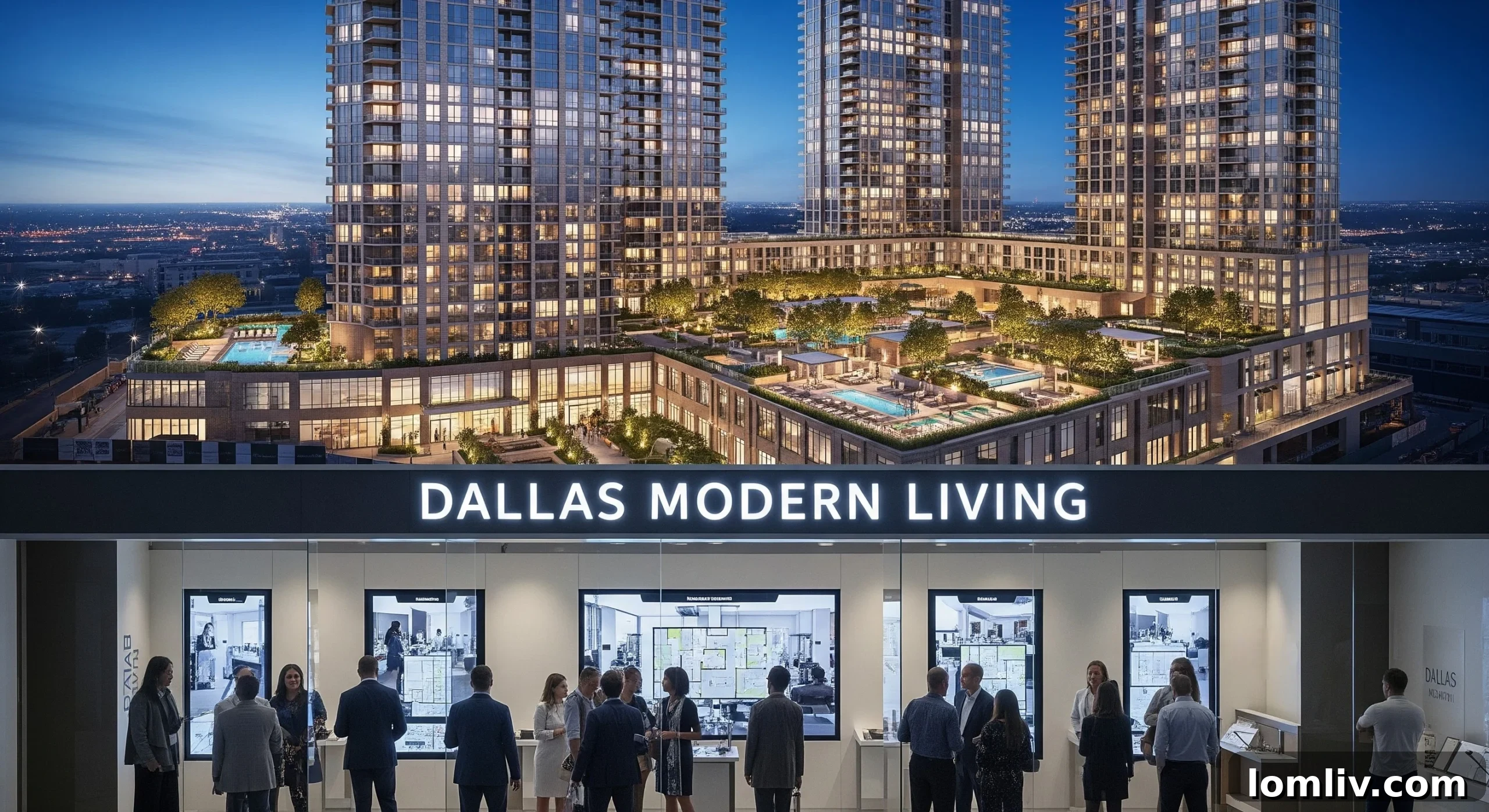
The Core Challenge: Selling the Unseen in Real Estate
Attempting to sell a property that has yet to be built is akin to selling a vivid dream without any tangible proof. It demands an extraordinary leap of faith from buyers, a leap that many are unwilling or unable to make. This pre-sale problem manifests in several critical ways that directly impact your bottom line and project timelines.
Here’s what developers are consistently up against when relying solely on traditional methods:
- Lack of Sensory Experience: There’s no physical space to walk through, no textures to feel, no views to admire from a potential living room. Buyers cannot engage their senses, making emotional connection difficult.
- Blueprint Confusion: Technical architectural drawings, while crucial for construction, often confuse more than they clarify for the average buyer. Scale, spatial relationships, and aesthetic details are lost in lines and dimensions.
- Intense Competition: Your unbuilt project is competing with existing, finished properties that buyers can tour immediately, touch, and instantly visualize themselves living in. This creates an unfair advantage for the competition.
- Absence of Emotional Connection: It’s incredibly challenging to spark genuine emotional interest or desire with technical specifications and abstract floor plans. People buy homes based on feeling, not just facts.
- Delayed Decision-Making: Uncertainty breeds indecision. Buyers often need multiple consultations, extensive discussions with partners, and repeated attempts to “mentally build” the space, significantly slowing down the sales cycle.
While architectural drawings are indispensable for the building process, asking buyers to mentally construct their future home from a series of 2D lines is a monumental request. Each time a prospective buyer shrugs their shoulders and walks away, expressing that they “just don’t see it,” it represents not just a missed sale, but a direct financial loss for your development.
Why 3D Rendering Is a Game-Changer for Property Marketing
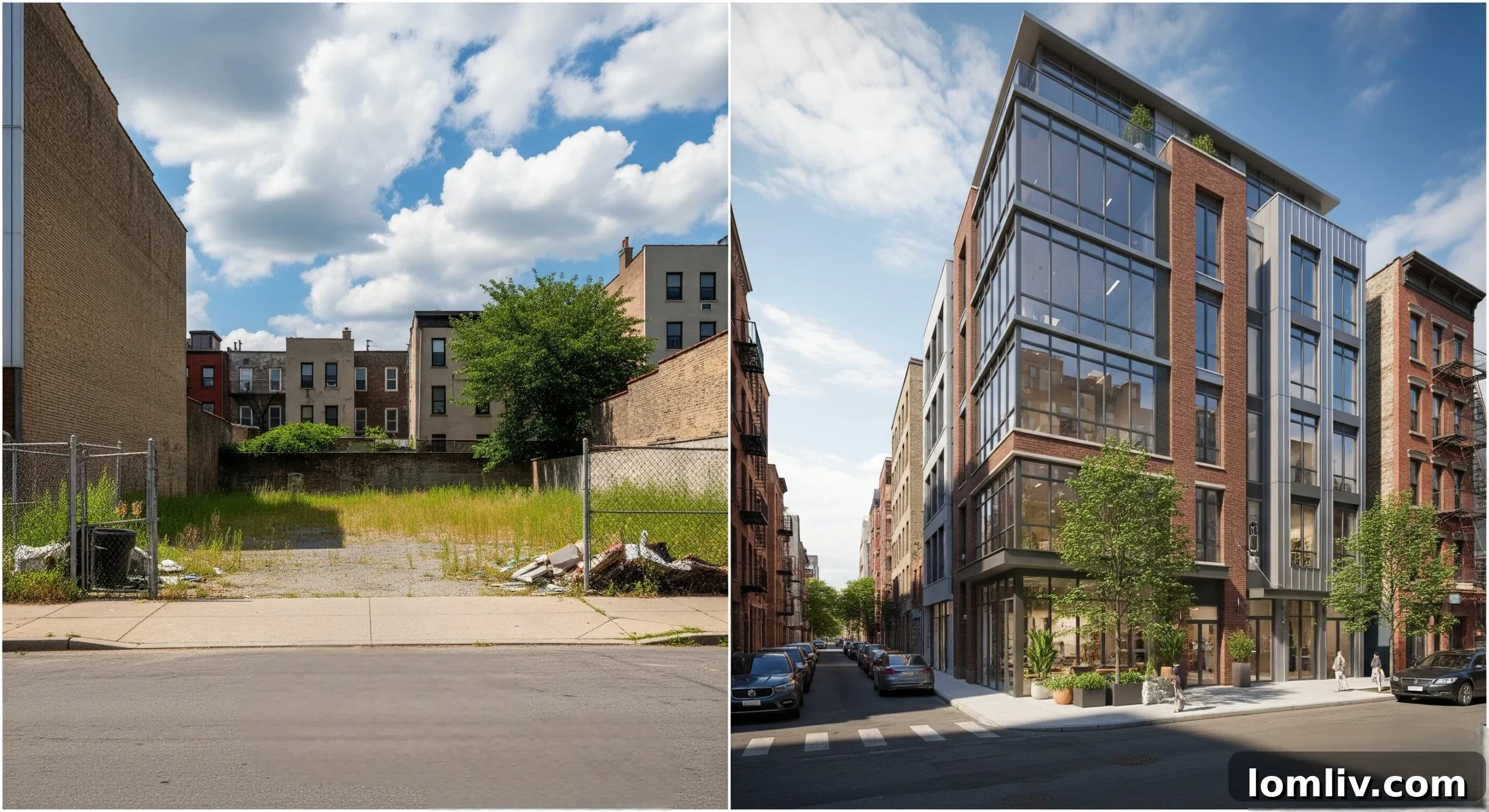
3D rendering goes far beyond merely “dressing up” a design; it acts as an essential bridge. It seamlessly connects the developer’s intricate vision for a property with the buyer’s inherent need to fully understand and believe in what they are purchasing. When individuals can vividly see and experience their potential new home, complete with realistic details, lighting, and finishes—even before construction commences—their confidence soars, dramatically increasing their likelihood of making a commitment.
The technological advancements in 3D visualization have been extraordinary. Today’s photorealistic 3D renders are so sophisticated and detailed that they are often indistinguishable from actual photographs. They present stunning, lifelike images of a property that has yet to be physically constructed, allowing buyers to immerse themselves in a future reality.
How Advanced 3D Rendering Transforms Real Estate Pre-Sales
1. Launch Marketing Campaigns Before Groundbreaking
Why adhere to traditional timelines and wait until costly model units are built? With high-quality 3D rendering, you can initiate your comprehensive marketing campaign the very moment your architectural designs are finalized and approved. This proactive approach generates early buzz, captures market attention, and establishes a strong presence long before the physical structure begins to take shape.
Here’s the extensive array of visual content you can leverage:
- Dynamic Exterior Views: Showcase the building from every conceivable angle, highlighting its architectural grandeur, facade materials, and surrounding landscaping.
- Diverse Interior Options: Present multiple design schemes and furnishing possibilities for every unit type, allowing buyers to visualize various lifestyles.
- Engaging Shared Spaces: Bring communal areas like state-of-the-art gyms, tranquil pools, sophisticated lobbies, and vibrant rooftop terraces to life.
- Contextual Aerial Perspectives: Provide aerial views that integrate the development within its broader neighborhood, illustrating proximity to amenities, green spaces, and transportation hubs.
- Immersive Walkthroughs and Virtual Tours: Offer interactive experiences that allow buyers to navigate the property as if they were physically there, exploring every room and detail at their own pace.
The earlier you commence your marketing efforts with compelling visuals, the greater momentum you will build, translating into stronger lead generation and a more robust sales pipeline.
2. Showcase Customization Options Without Physical Construction
The ability to present a diverse range of design choices without the need for expensive physical construction is one of the most significant advantages of 3D rendering. Want to gauge buyer preference between two distinct kitchen styles, or test the appeal of different floor plan configurations? 3D visualization makes it effortless and cost-effective.
- Eliminate Multiple Model Units: Save millions by avoiding the construction of several physical model units to display different finishes or layouts.
- Highlight High-Margin Upgrades: Effectively showcase premium finishes, smart home integrations, or customizable features, encouraging buyers to invest in higher-value options.
- Attract Diverse Buyer Segments: Tailor visuals to appeal to various demographics, from young professionals to growing families or empty nesters, by presenting different interior design aesthetics.
- Expedite Confident Decision-Making: Empower buyers with clear visual choices, enabling them to make faster, more informed, and ultimately more confident purchasing decisions.
This approach is akin to A/B testing in marketing, but applied to architectural design, allowing developers to optimize offerings based on visualized buyer preferences.
3. Sell an Aspirations and Lifestyles, Not Just Specifications
While specifications (square footage, bedroom count, material lists) are necessary, they rarely inspire a purchase. People don’t fall in love with “two bedrooms, two bathrooms, and granite countertops.” They fall in love with the *feeling* of living in a space, the lifestyle it promises. High-quality 3D rendering excels at painting this emotional picture:
- Envision Everyday Moments: Show the warm morning light filtering into a cozy breakfast nook, creating an inviting start to the day.
- Highlight Functionality: Illustrate a perfectly configured home office setup, catering to the growing demographic of remote workers.
- Picture Leisure and Relaxation: Depict serene evenings spent on a beautifully styled balcony, complete with ambient string lights and a glass of wine.
This isn’t merely selling square footage; it’s selling the aspiration of peaceful Saturday mornings, productive workdays, and tranquil evenings. These lifestyle narratives are what truly resonate with buyers and ultimately seal the deal.
4. Expand Reach to a Global Buyer Audience
In today’s interconnected world, your potential buyers are not confined to a local radius. They could be in other cities, different countries, or even disparate time zones. Expecting them to fly in to tour a construction site or an unbuilt lot is often unrealistic. However, they are highly likely to browse a stunning, interactive 3D walkthrough or explore photorealistic images from the comfort of their own couch.
With a consistent portfolio of high-quality, professional 3D visuals, your marketing collateral will maintain the same impressive impact whether it’s viewed on a tablet in a bustling Tokyo apartment, a desktop in a London office, or within your dedicated sales center downtown. This global accessibility significantly broadens your market and accelerates sales.
5. Streamline and Accelerate the Sales Cycle
A buyer plagued by confusion is a slow buyer, and often, a lost buyer. They will painstakingly pore over floor plans, inundate sales teams with endless questions, deliberate with their partners, and potentially return for further consideration—or perhaps not at all. The beauty of providing a crystal-clear, immersive visual is that it immediately clicks. The buyer “gets it.” Understanding fosters confidence, and confidence propels them forward in their purchasing journey. This direct clarity translates to tangible benefits:
- Faster Decisions: Buyers grasp the concept quicker, reducing deliberation time.
- Fewer Questions: Visual clarity preempts many common inquiries, making sales conversations more efficient.
- More Confident Purchases: Buyers feel secure in their investment when they fully understand what they are buying.
- Improved Cash Flow and Earlier Commitments: A faster sales cycle means deposits and commitments are secured sooner, positively impacting project financing and timelines.
Note:
It’s crucial to understand that simply possessing renderings isn’t sufficient. To achieve these transformative results, your 3D visualizations must be strategically deployed and integrated effectively into your overall marketing and sales strategy.
Best Practices for Maximizing Your 3D Renderings Impact

To truly harness the power of 3D rendering and turn potential into profit, developers must adopt strategic best practices:
Lead with a “Hero Image”
Identify your property’s absolute showstopper feature. Is it breathtaking skyline views, an opulent rooftop lounge, or a strikingly unique architectural element? Make this your “hero image”—the very first visual people encounter on your website, in advertisements, and across all marketing brochures. This initial impression must be impactful and instantly captivating.
Maintain Visual Consistency
Ensure that all your renderings tell a cohesive story. This means maintaining a consistent aesthetic, lighting style, color palette, and overall quality across every visual asset. Cohesiveness not only reinforces your brand identity but also builds critical trust and credibility with potential buyers.
“Zoom Out” to Show Context
Buyers are not just purchasing a unit; they are buying into a lifestyle and a community. Include compelling shots that showcase the surrounding neighborhood, highlight local amenities (parks, cafes, schools), and illustrate convenient transit access. Providing this broader context helps buyers envision their entire life within and around the development.
Facilitate Interactive Exploration
Empower buyers by giving them control. Offer interactive virtual tours or 3D floor plans that allow them to navigate through rooms, zoom in on intricate details, and truly experience the flow and feel of the space. This immersive engagement creates a sense of ownership even before the property is built.
Ensure Visuals Are Always Updated
Architectural designs are dynamic; they evolve, amenities get upgraded, and material palettes might shift. It’s imperative to keep your visual assets current and reflective of the latest vision. Presenting outdated concepts can lead to confusion, disappointment, and a lack of trust.
Quantifiable ROI: 3D Rendering Pays for Itself
Let’s address the financial implications. Investing in high-quality 3D rendering typically constitutes less than 1% of a development’s overall marketing budget. However, its impact on sales and project viability is unequivocally massive and yields significant returns.
Developers who leverage advanced 3D visualization consistently observe:
- Substantially Higher Pre-Sale Numbers: Visual clarity accelerates buyer confidence, leading to more commitments upfront.
- Faster Unit Sales Velocity: Reducing decision-making friction means units move off the market at an accelerated pace.
- Better Pricing for Premium Options: When luxury finishes and upgrades are clearly visualized, buyers are more willing to pay a premium.
- Fewer Misunderstandings and Cancellations: Accurate representations align buyer expectations with the final product, drastically reducing disputes and contract cancellations.
- Reduced Back-and-Forth with Sales Teams: Visuals answer many questions proactively, freeing up sales professionals to focus on closing deals rather than clarifying basics.
- Enhanced Brand Reputation: A portfolio of stunning visuals positions your development as forward-thinking and committed to quality.
Furthermore, because these versatile visuals can be deployed across all marketing channels—from project websites and social media ads to print brochures and sales center displays—the cost-per-use continually diminishes, making it an exceptionally efficient investment.
Common Pitfalls to Actively Avoid in 3D Rendering
While 3D rendering offers immense advantages, it’s vital to navigate potential pitfalls to maintain credibility and buyer trust:
- Do Not Overpromise: Ensure that your renderings accurately reflect the intended final product. If your visuals depict high-end luxury finishes, the actual construction must deliver those exact specifications. Misrepresentation can lead to severe disappointment and legal repercussions.
- Accuracy is Paramount: Renderings must precisely match the real floor plans, dimensions, and architectural blueprints. Any deviation undermines credibility and creates distrust.
- Avoid Generic Looks: In a competitive market, bland, generic spaces fail to stand out. Infuse your spaces with distinct personality and targeted styling that appeals to your specific buyer demographic. Thoughtful interior design in renders goes a long way.
- Lighting is Everything: Even the most exquisitely designed spaces will appear flat, uninviting, and unrealistic without professional, nuanced lighting. Expert 3D artists understand how to manipulate light to create mood, highlight features, and make spaces truly shine.
The Bottom Line: The Future of Real Estate Marketing is Visual
In today’s competitive real estate landscape, 3D rendering is no longer an optional luxury; it is the indispensable cornerstone of any effective pre-sales marketing strategy. The tools and talent are readily available to create visuals that transcend traditional methods and genuinely connect with buyers.
Whether you are developing an intimate boutique project of 10 units or a sprawling complex of 200, photorealistic visuals provide the competitive edge you need to stand out from the crowd, communicate your vision with unparalleled clarity, and ultimately, sell smarter and faster.
Let’s Make the Invisible Visible: Your Project’s Future Starts Now
If you are embarking on a new development project, there’s no reason to wait for the walls to go up before you start selling. Empower your buyers by showing them what their future looks like today. Explore how cutting-edge 3D exterior and 3D interior design services are helping countless other developers transform empty lots and ambitious blueprints into resounding sold-out successes.
Selling a dream becomes infinitely easier, more convincing, and more profitable when you can vividly show exactly what that dream looks like.