Welcome to “Upon Closer Inspection,” an exclusive weekly series presented by the meticulous experts at Green Scene Home Inspections for Daltxrealestate.com readers. Our mission is to educate homeowners on crucial inspection insights, empowering you to protect your most valuable asset.
The chill in the air signals an undeniable truth: winter is indeed coming. And as many of us vividly recall from the severe weather events of previous years, particularly the significant February 2021 winter storm, harsh conditions can arrive unexpectedly and with serious consequences. Now, before the temperatures plummet and the ice sets in, is the absolute best time to proactively prepare your home for the challenges ahead. Ensuring your residence is winter-ready isn’t just about comfort; it’s about safeguarding your investment, preventing costly damages, and ensuring the health and safety of your family.
Proactive home maintenance is key to navigating the colder months successfully. Ignoring potential issues can lead to a cascade of problems, from minor inconveniences to major structural damage requiring extensive repairs. Our detailed guide offers essential tips, drawing on years of professional home inspection experience, to help you fortify your home against winter’s bite. Don’t wait for a crisis; take action now to ensure your home is set up for success.
1. Clear Debris From Roof And Rain Gutters: Your First Line of Defense
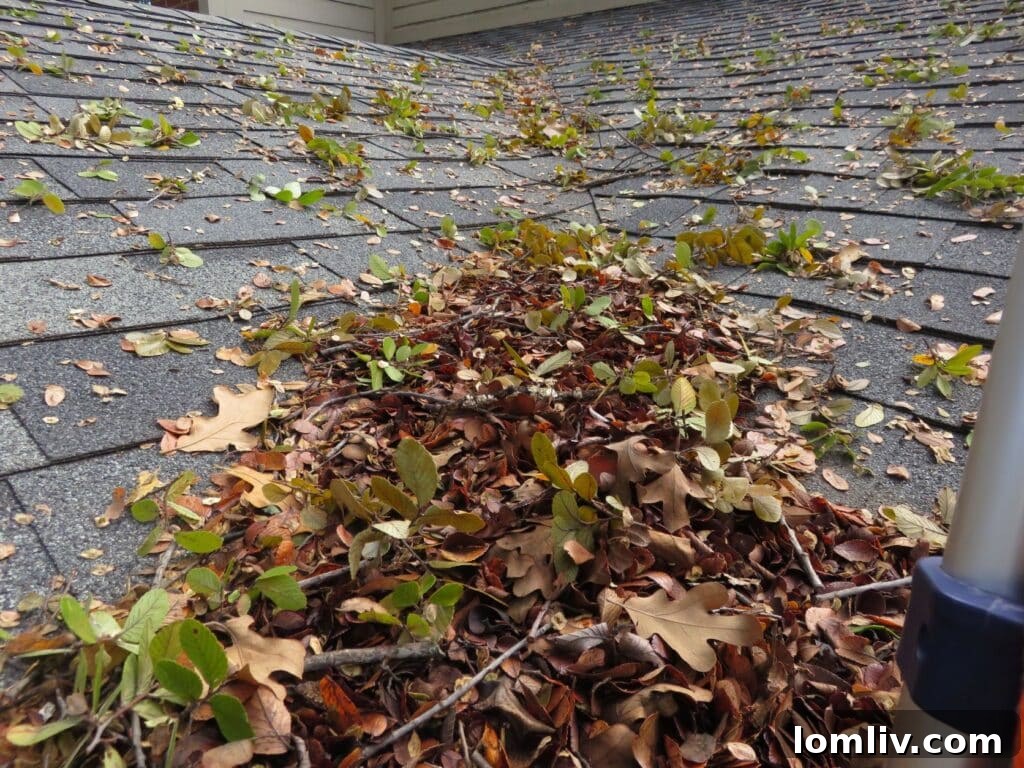
Your roof and gutters play a critical role in protecting your home from the elements, especially during winter. Over time, leaves, twigs, and other organic matter accumulate, creating a host of potential problems. Leaves left to decompose directly on your roof not only stain shingles, diminishing your home’s curb appeal, but also create a moist environment ideal for moss and algae growth. This growth can degrade roofing materials, reduce their lifespan, and even attract pests seeking shelter or food.
Even if strong winds clear some debris from your roof, the majority often ends up in your rain gutters. Clogged rain gutters are a silent threat that can lead to significant damage. When gutters are blocked, rainwater and melting snow cannot drain away properly. Instead, water overflows, cascading down the sides of your house and saturating the soil around your foundation. This can lead to foundation erosion, basement flooding, and even structural cracks over time. Moreover, constant moisture can cause fascia boards – the long, straight boards that run along the lower edge of the roof – to rot, compromising the integrity of your roofline and inviting mold and mildew growth into your home’s exterior. In freezing temperatures, standing water in clogged gutters can turn into ice dams, which can force melting snow and ice under your shingles, leading to severe roof leaks and interior water damage. Regularly clearing your gutters and downspouts is an inexpensive and highly effective preventive measure that safeguards your home’s structure and prevents costly repairs down the line. Consider hiring a professional if you’re uncomfortable working at heights or if your roof is particularly steep.
2. Check For Water Leaks: Prevent a Winter Disaster
Discovering a hidden water leak is never ideal, but finding one during a freeze can quickly escalate into a catastrophic event. Freezing temperatures can cause existing small leaks to expand, pipes to burst, and lead to extensive water damage throughout your home. Early detection is paramount to preventing such a scenario.
One of the most effective ways to detect a possible hidden leak is by monitoring your water meter. To perform this check, ensure all water-using appliances are turned off and no water is running inside or outside your home. Locate your main water meter and note the reading. Wait for at least 15-30 minutes, or even a few hours, then recheck the meter. If the reading has changed, it indicates that water is still flowing somewhere, signaling a hidden leak. This method can pinpoint leaks even if they are concealed behind walls, under floors, or in your crawl space.
Beyond the meter check, conduct a thorough visual inspection of your home. Look for damp spots, discolored areas, or peeling paint on ceilings, walls, and floors. Check under sinks, around toilets, bathtubs, and showers for any signs of moisture. Pay close attention to your water heater, washing machine hoses, and outdoor spigots, as these are common leak culprits. Even a tiny, slow drip can accumulate into significant damage over time, fostering mold growth and compromising structural components. If your water meter indicates a leak, or if you observe any suspicious signs of water damage, do not hesitate. Call a qualified plumber immediately. Addressing leaks promptly can save you thousands in repair costs and prevent the nightmare of burst pipes during a winter freeze.
3. Check Your Plumbing Lines: The Hidden Network of Your Home
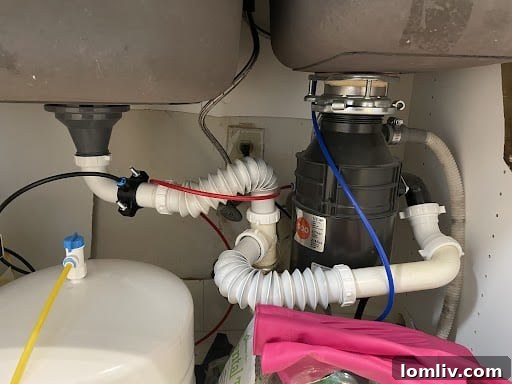
Your home’s plumbing system is a complex network designed for efficient water delivery and waste removal. However, improper installation or the use of substandard materials can lead to chronic problems, exacerbated by winter conditions. If your drain lines resemble a labyrinth designed by Super Mario Bros, with haphazard turns and unexplainable ascents, it’s a clear red flag. Professional plumbing systems are meticulously planned to ensure smooth flow, typically utilizing gravity to their advantage.
Specifically, plumbing lines should NEVER run against gravity. Water naturally flows downwards, and forcing it upwards requires pumps and creates significant strain on the system, leading to inefficient drainage, frequent clogs, and potential backups. Another common DIY plumbing mistake is the use of accordion-style flexible pipes, particularly under sinks. While these might seem convenient for awkward spaces, their corrugated interiors are notorious for trapping food particles, grease, hair, and other debris. This accumulation leads to frequent and stubborn clogs, slow drainage, and unpleasant odors. Over time, these blockages can put pressure on the pipes, increasing the risk of leaks or even bursts, which are especially problematic during freezing temperatures.
Signs of problematic plumbing include persistent slow drains, gurgling sounds from pipes, frequent clogs, foul odors emanating from drains, and visible leaks or damp spots around pipes. Addressing these issues before winter hits is crucial. Frozen pipes are a significant concern; if water isn’t draining correctly, it’s more susceptible to freezing. A licensed plumber possesses the expertise to identify and correct these architectural plumbing deficiencies, ensuring your system operates efficiently and is prepared to withstand the winter without incident. They can recommend proper pipe insulation for exposed lines and advise on any necessary repairs or upgrades to prevent freezing and ensure smooth operation.
4. Have Your HVAC Serviced: Breathe Easy This Winter
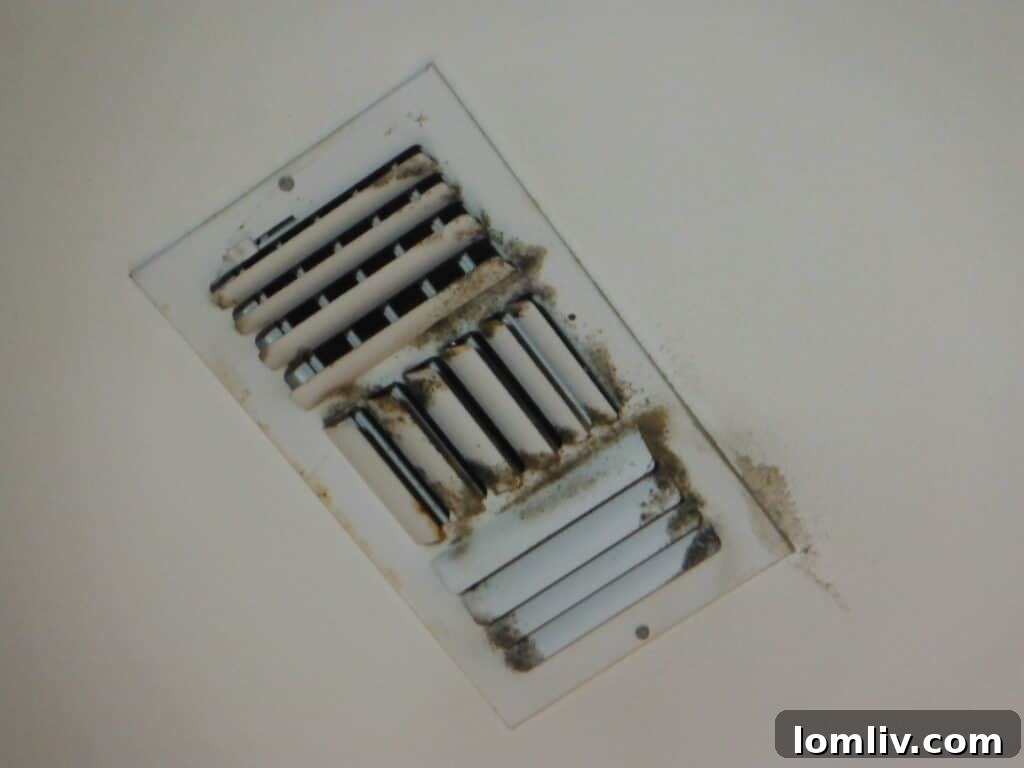
In regions like North Texas, where we experience dramatic temperature fluctuations and often switch between air conditioning and heating within the same week, your HVAC system endures immense stress. This constant shifting creates an ideal environment for humidity and moisture build-up within your system’s components, leading directly to the growth of mold and mildew. If your vents show visible signs of grime, dust, or even mold, it’s a strong indicator that your HVAC system might be circulating compromised air – and your lungs are likely experiencing the same. Poor indoor air quality can exacerbate allergies, trigger respiratory issues, and significantly impact the overall health and comfort of your home’s occupants.
Regular HVAC servicing is not just about keeping your system running; it’s about ensuring it runs efficiently, safely, and provides clean air. A comprehensive “Season Home Health Check-Up” performed by a licensed home inspector or HVAC technician will meticulously examine your entire system. This includes inspecting the furnace, checking heat exchangers for cracks (which can leak carbon monoxide), ensuring proper airflow, cleaning evaporator and condenser coils, checking refrigerant levels, inspecting ductwork for leaks, and replacing dirty filters. A clean, well-maintained system operates more efficiently, reducing energy consumption and lowering your utility bills. It also extends the lifespan of your unit, delaying costly replacements. More importantly, it ensures your heating system is reliable and won’t fail during the coldest days, leaving you in an uncomfortable and potentially dangerous situation.
Beyond the mechanical aspects, a professional inspection will help identify and mitigate conditions that foster mold and mildew, improving your indoor air quality dramatically. Investing in a professional HVAC service before winter arrives is an investment in your home’s energy efficiency, your family’s health, and your peace of mind. A licensed home inspector from Green Scene Home Inspections can conduct a thorough Season Home Health Check-Up, helping you uncover all the ways, both big and small, to keep your home healthy, safe, and comfortable this winter.
By proactively addressing these critical areas – your roof and gutters, potential water leaks, the integrity of your plumbing, and the health of your HVAC system – you can significantly reduce your risk of winter-related home emergencies. Don’t let unforeseen issues dampen your spirits or empty your wallet this season. Take control of your home’s winter readiness today and enjoy the peace of mind that comes with a well-maintained and protected property.