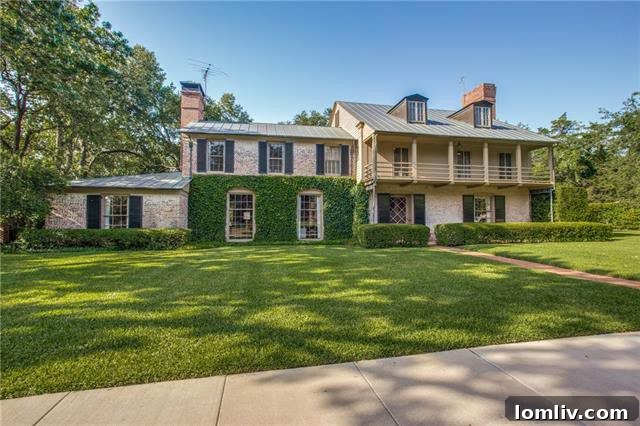
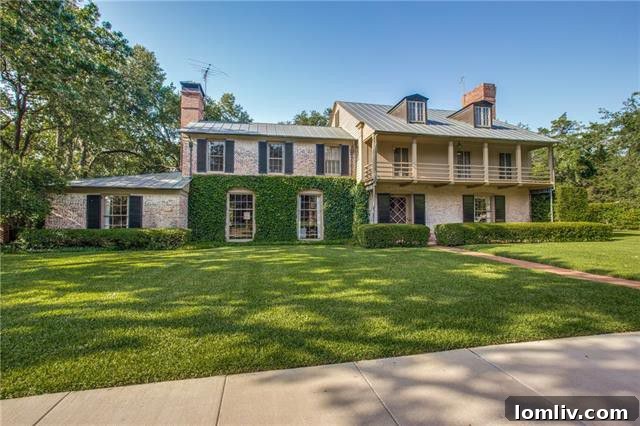
In the exclusive enclave of University Park, Dallas, a legendary piece of Texas architectural history stands proudly at 3805 McFarlin Boulevard. This isn’t just a house; it’s a meticulously preserved 1932 historic Texas ranch, a living testament to an architectural revolution. Designed by the seminal figure of Texas Regionalism, David R. Williams, this iconic property is more than a residence—it’s a profound statement on design, sustainability, and cultural identity.
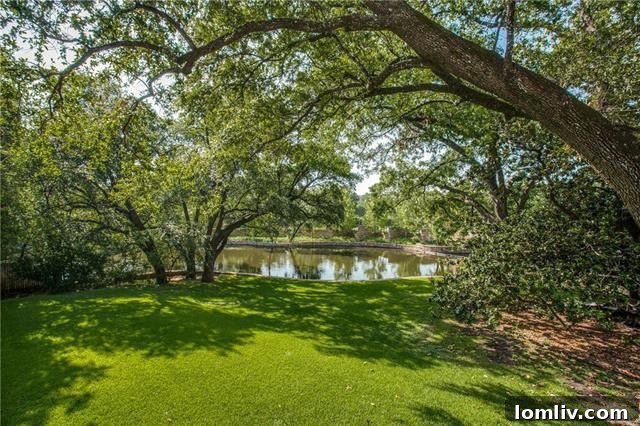
Perched majestically on 1.15 acres, offering breathtaking views overlooking the serene Turtle Creek, this remarkable estate was originally conceived for Elbert Williams, the then-mayor of University Park. For decades, it has been affectionately known as the “Williams House,” a moniker that subtly acknowledges both its esteemed first owner and its pioneering architect, David R. Williams. Whether you attribute its enduring name to the distinguished mayor or the visionary architect, its significance remains undeniable.
David R. Williams: The Father of Texas Regionalism
Architect David R. Williams is widely celebrated as the progenitor of Texas Regionalism, an architectural philosophy that sought to redefine the built environment by harmonizing structures with the unique climate, landscape, and cultural heritage of Texas. This historic Texas ranch on McFarlin Boulevard is often cited as the quintessential embodiment of this innovative style. Williams’ genius lay in his keen observation and profound appreciation for simplicity, demonstrating that true elegance doesn’t require ostentation but rather an intelligent response to place.
During an era when the affluent class often favored architectural styles imported from Europe—echoing French chateaux, English manors, Italian villas, and Spanish haciendas, where “more was more”—Williams, alongside his architectural partner O’Neil Ford, emerged as a transformative force. They were the architectural disruptors of their time, considered “pretty darned eccentric” for their revolutionary approach. Their vision centered on a standard of simplicity in design, coupled with an unwavering commitment to utilizing native materials, fundamentally reshaping the trajectory of American architecture.
As the late Dallas Morning News architecture critic David Dillon eloquently articulated in his 1985 tribute to Williams:
They (the homes designed by Williams and O’Neil Ford) were not nostalgic copies of older houses but abstracted blends of the indigenous forms and materials that showed what the vernacular house might have become had it developed uninterrupted from pioneer days.
The beauty inherent in a ranch home, especially one as historically significant as this particular Texas ranch, stems from the sheer intelligence and logical precision embedded within its design. This innovative approach brilliantly blended lifestyle requirements with climatic realities—a concept that was remarkably ahead of its time and remains relevant today in discussions of sustainable design.
The Quintessential Texas Ranch House
The prominence of this 6,012-square-foot University Park masterpiece was further amplified when Williams received an invitation to the White House during Franklin D. Roosevelt’s presidency. This national recognition cast an enduring spotlight on the home. Following this esteemed visit, Better Homes & Gardens featured the residence in an influential article, formally labeling it a “Texas Ranch House.” Such was the power of the press that this single article ignited a decades-long trend, firmly establishing the style as an American architectural icon.
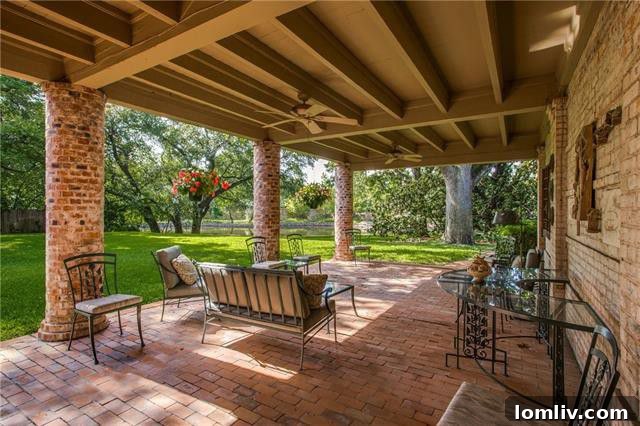
Williams’ architectural philosophy extended beyond aesthetics; it deeply incorporated environmental considerations. He meticulously sited his homes to harness the natural advantages of sun and shade, strategically integrating deep overhangs, expansive wide verandas, and inviting shady balconies. Furthermore, he thoughtfully planned the placement of trees to provide additional natural cooling and shelter. These innovative design elements, which are now recognized as crucial components of modern energy-efficient and sustainable architecture, underscore Williams’ profound foresight and positions him as an environmental pioneer long before the term became commonplace.
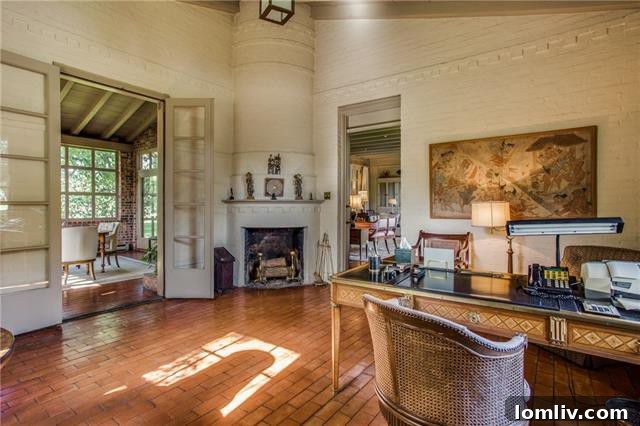
Insights from a Modern Master: Wilson Fuqua on 3805 McFarlin
Renowned Dallas architect Wilson Fuqua recently toured this historic Texas ranch, offering his invaluable and profound insights into its enduring significance and unparalleled craftsmanship. His observations illuminate why this property is not merely a house but a veritable masterpiece:
“David Williams’ ultimate goal was to create an architecture that was intrinsically Texan, deeply rooted in its environment and culture. This house is unequivocally his highest achievement in that endeavor. Its importance to Dallas surpasses that of even the most celebrated regional homes elsewhere—it’s more critical to our city’s architectural legacy than the Gambrel, Greene and Greene House is to Pasadena or Frank Lloyd Wright’s Houses in Oak Park. In Dallas, there are only a handful of homes that even approach this stature, and none truly match its comprehensive genius. While the Earle Hart Miller house on Park Lane exhibits a restrained beauty, it is simple by comparison.
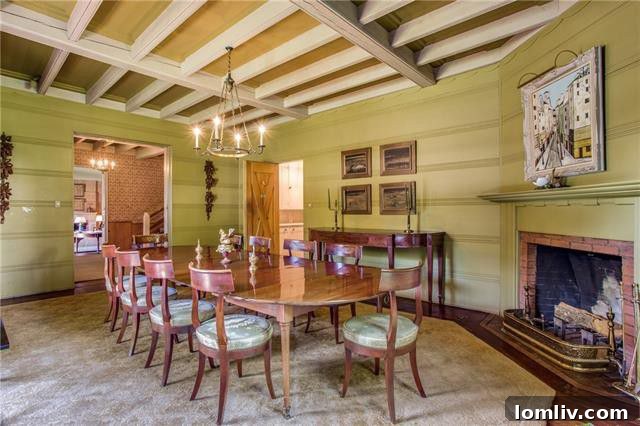
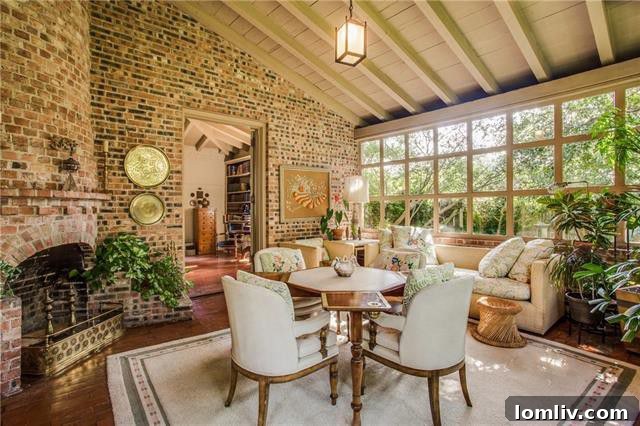
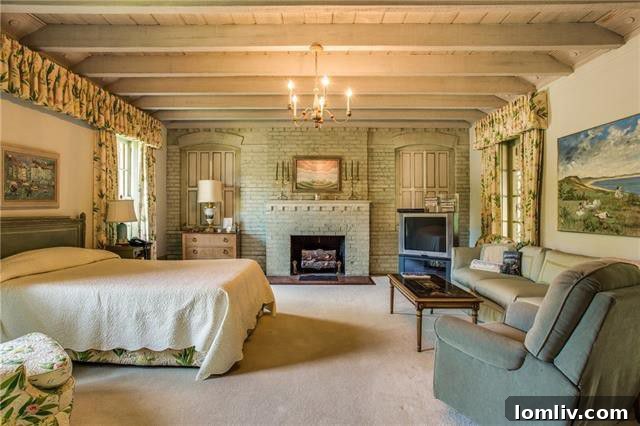
What sets this house apart is its almost original state. It boasts original finishes, immaculately preserved, and is adorned with the most exquisite, elegant neoclassical and Empire furnishings, complemented by beautifully chosen paint colors and charming wallpapers. It is, without exaggeration, the most ingenious and imaginative house I have ever encountered. It stands proudly alongside national treasures like Monticello and Mount Vernon. There are truly few architectural masterpieces of this caliber anywhere in the world.
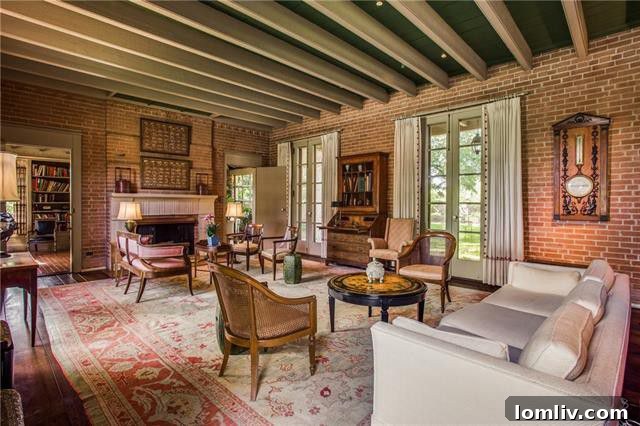
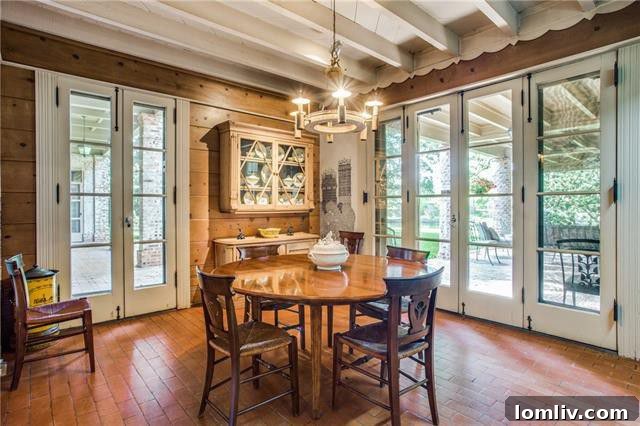
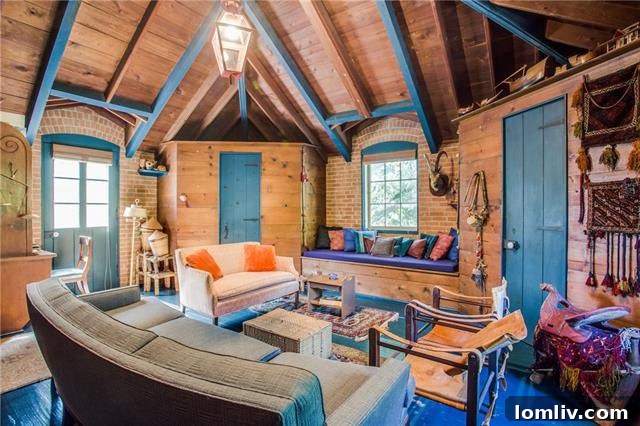
The integrity of its materials is striking. Most of the finishes within the house are either old-growth pine, carefully painted or left in their natural state, or robust brick. The construction is substantial, featuring load-bearing masonry walls, a hallmark of timeless durability. The exterior brickwork and porches showcase a deeply colored, variegated brick with nuanced shading and subtle hints of residual liming, creating a rich, organic texture. In contrast, the interior brick is a solid, luminous light pink Ferris, contributing to a warm and inviting atmosphere.
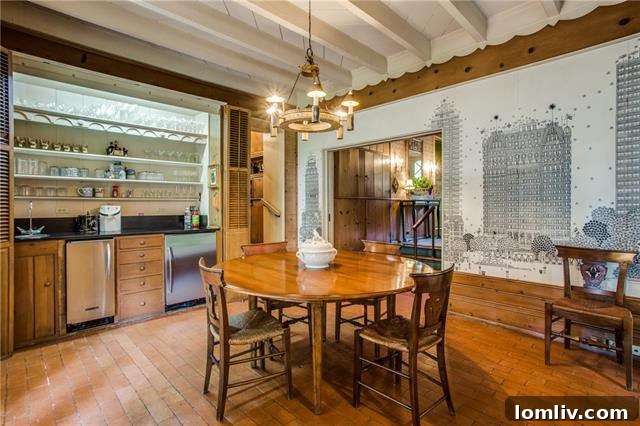
Remarkably, the house appears perfectly maintained but never repainted, a testament to the longevity of old-growth wood and superior oil-based paints, applied with sophisticated techniques such as strie and delicate paint glazes. The wood itself is utilized in the most inventive and interpretive ways, forming architectural details around fireplace walls and door openings, showcasing unparalleled carpentry. All ceilings feature wood laid in a mesmerizing radiating diagonal patterned v-groove. Downstairs, the ceilings expose structural carpenter-finished beams paired with captivating un-sanded rough wood plank ceilings, celebrating raw craftsmanship.
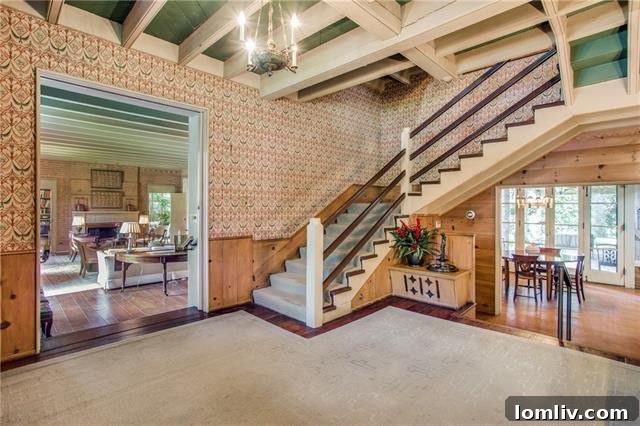
The front stair is an exposed structural beam and finish carpentry masterpiece, truly unlike any I have ever witnessed. The wood joints on the stair are impeccably tight, built with unmatched precision, and each edge is finished with a perfect 1/2” bead, demonstrating meticulous attention to detail. A variety of doors grace the interior; most are built-up planks, while the more substantial doors are constructed with an alternating internal orientation for enhanced stability and visual interest.
Even the back stairs and servants’ quarters are masterpieces in their own right, reflecting the comprehensive commitment to quality throughout the entire estate. The formal floors boast 6-8” oak planks with true dovetail and dowel head joints, signifying exceptional traditional craftsmanship. Other rooms feature broad 10-12-inch wide plank pine floors, adding warmth and character. The proportions of every room are flawless, offering a harmonious balance. Most rooms benefit from abundant natural light streaming in from two sides, enhancing their openness. The 9-foot tall double-hung windows operate as smoothly as the day they were installed, a testament to their superior construction. Finally, the iconic Texas star motif is subtly integrated into the cabinetry doors, delicate ironwork, and even the functional downspouts, offering a continuous homage to its Texan roots.”
The Enduring Value of Historic Home Preservation in Dallas
In a rapidly developing urban landscape like Dallas, the question of valuing and preserving historic homes often arises. There’s a persistent wonder why Dallas doesn’t place greater emphasis on protecting its architectural heritage. While it’s easy to attribute this oversight to pure greed, it’s perhaps more charitable, and constructive, to extend the benefit of the doubt and suggest that a lack of comprehensive education on the profound value of these properties plays a significant role. This educational gap is precisely why initiatives to highlight historic preservation are so crucial for buyers and the broader community.
Historic homes, especially landmark properties like this David R. Williams design, are far more than just sound financial investments. They represent tangible connections to our past, embodying the stories, craftsmanship, and architectural innovation of previous generations. For those who possess the means to acquire a multimillion-dollar landmark house, the decision to demolish it reveals a profound misunderstanding of the true, multifaceted value that a historic property holds. Beyond the monetary aspect, there’s an immense cultural, aesthetic, and sustainable value in preserving these irreplaceable structures.
For inspiring examples of thoughtful preservation, one needs to look no further than the exemplary work done by Mark and Kelly Bunting on their Italian Renaissance home at 3601 Beverly Drive. Their dedication showcases that with vision and commitment, historic properties can be revitalized to meet modern standards while retaining their original charm and integrity.
Dallas is undeniably home to a wealth of resourceful and discerning individuals who deeply appreciate and value homes like this historic Texas ranch. We hold a strong hope that one such custodian will recognize the unparalleled significance of this regionalist masterpiece and ensure its preservation for generations to come.
A Community Treasure: Ideal Candidates for this Architectural Gem
Wilson Fuqua, with his deep understanding of architectural legacy, offers compelling ideas regarding potential buyers for this landmark historic Texas ranch, suggesting its destiny might extend beyond private ownership:
“This property should ideally be acquired by the City of Dallas, Southern Methodist University (SMU), a philanthropic entity like Harlan Crow, The Dallas Historical Society, the City of Highland Park, the Dallas Museum of Art (DMA), the Dallas Arboretum, or the Presbyterian Church. Its grandeur and historical weight make it perfectly suited for institutional or community use. Imagine the possibilities: it would be an extraordinary venue to host out-of-town guests, offering them an immersive experience into our rich history and the unique cultural fabric of our community. This home is more than a residence; it’s an educational and cultural asset waiting to be embraced.”
To experience the timeless allure and architectural brilliance of this historic Texas ranch firsthand, prospective buyers are encouraged to contact Allie Beth Allman. Priced at $13.5 million, it represents not just a purchase, but an investment in an irreplaceable piece of American architectural history, truly a steal for a property of this immense stature and profound legacy.
Karen Eubank is the owner of Eubank Staging and Design. She has been an award-winning professional home stager and writer for over 25 years. Karen teaches the popular Staging to Sell class to area Realtors and is the creator of the online course, The Beginners Guide to Buying Wholesale. Her love of dogs, international travel, history, champagne, and historic homes knows no bounds. Her father was a spy, so she keeps secrets very well! Find Karen at www.eubankstaging.com