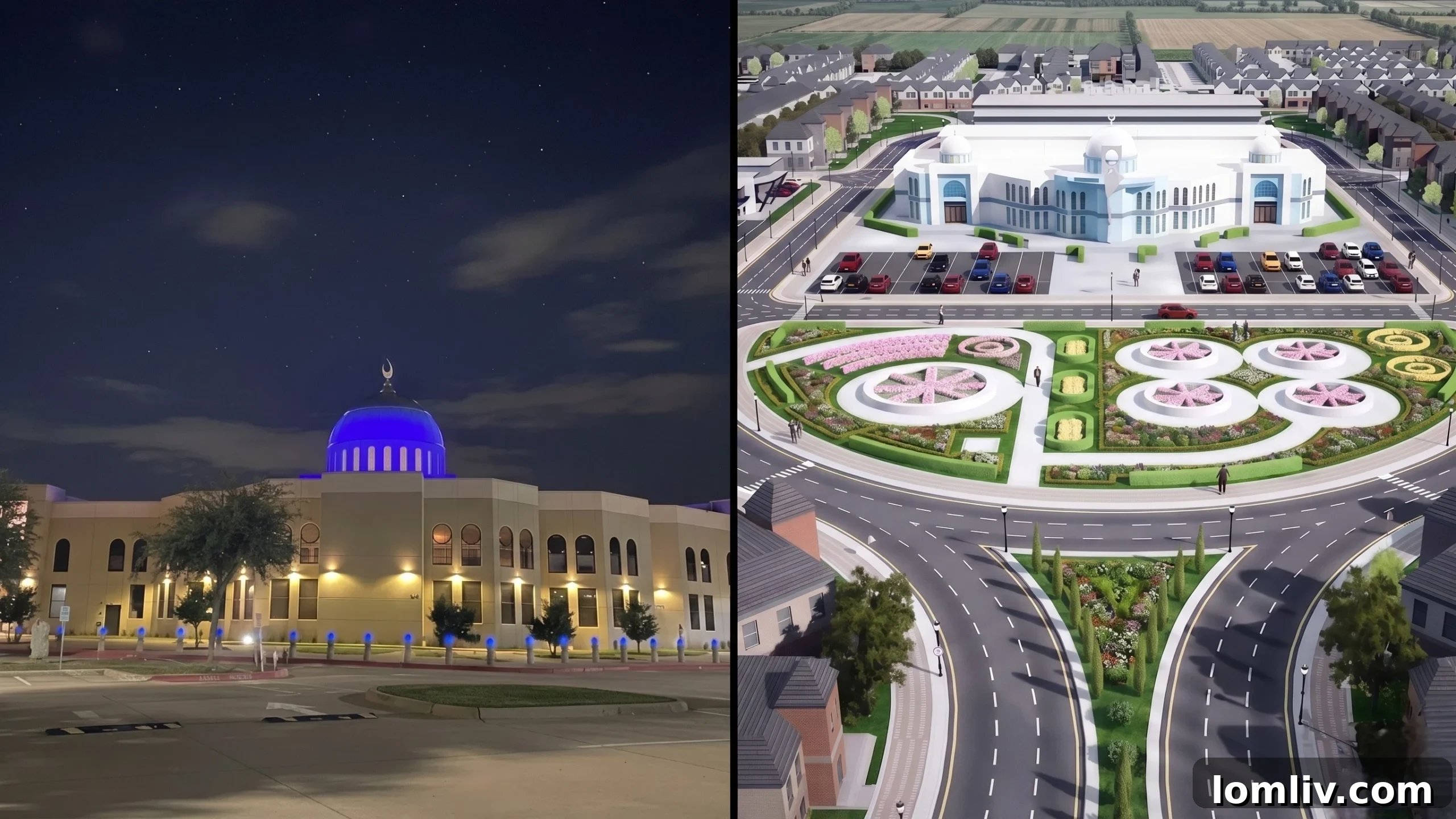
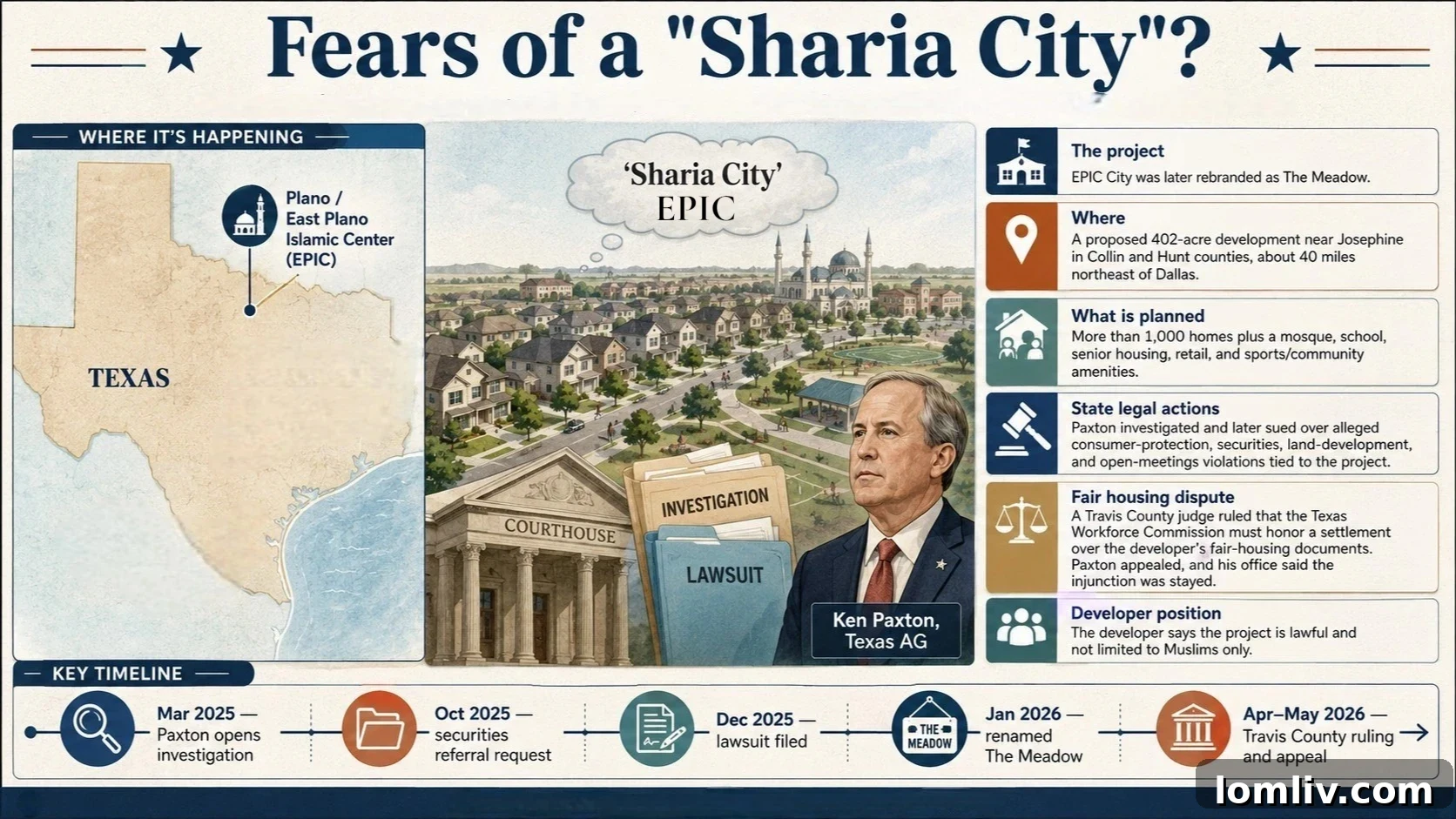
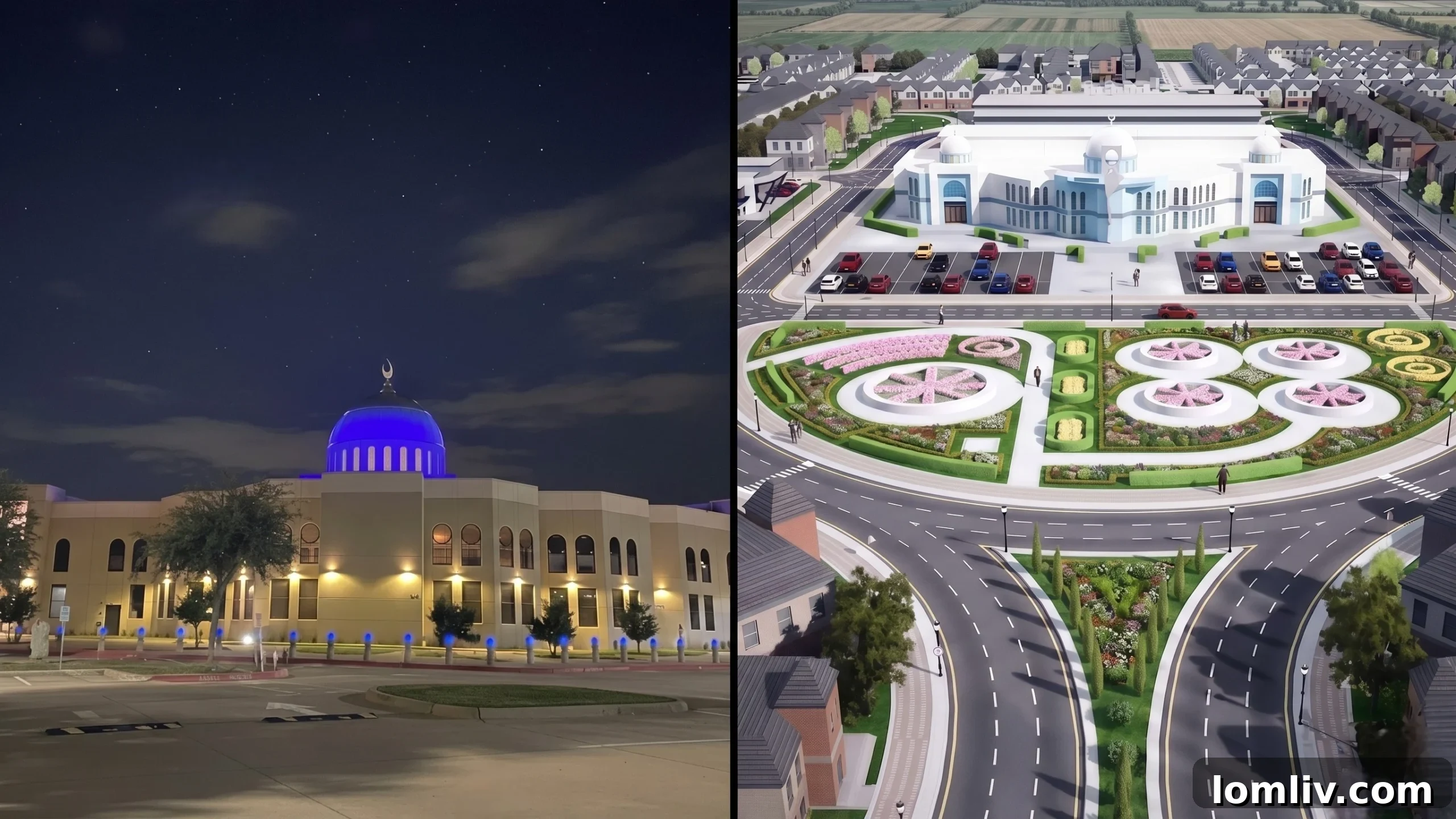
The Meadow: A Texas Community’s Vision Clashes with State Scrutiny
A sprawling 402-acre master-planned community envisioned near Dallas has become the epicenter of a complex legal and political firestorm. Known as The Meadow, and formerly as EPIC City, the development is intricately linked to the East Plano Islamic Center. However, its journey from blueprint to reality is currently stalled in legal limbo after a recent courtroom victory for the developers was swiftly challenged by Texas Attorney General Ken Paxton. The ongoing dispute raises critical questions about fair housing, religious freedom, and the line between regulatory oversight and discrimination.
The latest turn in this saga involves a temporary injunction issued by a Travis County judge. This order would have compelled the Texas Workforce Commission (TWC) to finally act on the developer’s fair housing compliance documents. Yet, an immediate appeal from the Attorney General’s office has paused this injunction, pushing the project back into a state of uncertainty and blocking a crucial step forward for its developer, Community Capital Partners.
What is The Meadow Development?
The Meadow is not just another suburban housing tract; it represents a comprehensive vision for a modern, integrated community. Planned for a large parcel of unincorporated land straddling Collin and Hunt counties, about 40 miles northeast of Dallas near the city of Josephine, the project is designed to be a self-sustaining town. The ambitious master plan includes:
- Over 1,000 homes, featuring a mix of single-family and multifamily residences.
- A central mosque to serve as a spiritual anchor for Muslim residents.
- A private, faith-based K-12 school.
- Dedicated senior housing facilities.
- Expansive commercial and retail space.
- Modern sports facilities and recreational areas.
- A community college campus.
For the developers, The Meadow is an opportunity to build a welcoming neighborhood that caters to the needs of a diverse population while being rooted in Islamic principles of community and family. To state officials, however, the project’s marketing and association have raised significant fair housing red flags, sparking a multi-front campaign that the developers argue is a coordinated effort to stop a Muslim-associated project before a single foundation is poured.
The Heart of the Controversy: Fair Housing Act Allegations
The central legal battlefield for The Meadow is the Fair Housing Act, a landmark federal law, and its Texas state counterpart. These laws explicitly prohibit discrimination in the selling, renting, or advertising of housing based on protected characteristics such as religion, race, and national origin. State officials, led by Attorney General Paxton, have argued that early marketing materials for the project improperly suggested it was intended to be a Muslim-only enclave, thereby violating the spirit and letter of these laws.
Community Capital Partners has vigorously denied these accusations. The developers maintain that while the community is designed with amenities that would appeal to Muslim families, such as a mosque and a faith-based school, it has always been intended to be an open and inclusive community. They have repeatedly stated that The Meadow will welcome residents of all faiths and backgrounds, and they have committed to full compliance with all state and federal fair housing regulations.
A Tangled Web of Lawsuits and Injunctions
The path for The Meadow has been fraught with legal obstacles, creating a complex and challenging environment for the developers.
A Fleeting Victory in Court
In a significant but short-lived win, Judge Laurie Eiserloh of Travis County issued an order on April 28. This ruling did not deliver a final verdict on the discrimination claims but addressed a key procedural roadblock. The judge found that the developers had demonstrated a “probable right to relief” and ordered the Texas Workforce Commission (TWC) to act on the fair housing materials that had been submitted months prior. The TWC was given a 14-day deadline to either approve the documents—which included revised marketing materials and anti-discrimination policies—or provide clear, written, and objective reasons for their rejection.
This court order stemmed from a September 2025 conciliation agreement between the TWC and Community Capital Partners. The agreement mandated that the developers undergo fair housing training and submit their revised policies for TWC approval. The developers filed a lawsuit after alleging that the state agency accepted their documents but then failed to review or respond to them, effectively halting their progress indefinitely.
The Attorney General’s Appeal Halts Progress
The developer’s victory was immediately neutralized when Attorney General Paxton’s office filed an appeal with the Fifteenth Court of Appeals. Under Texas law, such an appeal by a state agency automatically pauses the lower court’s injunction. The Attorney General’s office framed the judge’s order as an attempt to force the TWC to “unlawfully approve” the documents while a parallel federal investigation remained open, arguing that the state needed to await the outcome of that inquiry.
Federal Scrutiny: Diverging Paths of HUD and the DOJ
Adding another layer of complexity, The Meadow has been the subject of two separate federal investigations with starkly different outcomes. In February, the U.S. Department of Housing and Urban Development (HUD) launched its own investigation, stating it was examining allegations of religious and national-origin discrimination related to the project’s marketing, financing structure, and sales process. That investigation is still active.
In contrast, the developers received a more favorable result from the U.S. Department of Justice (DOJ). In June 2025, the DOJ concluded a civil rights investigation into the project and officially closed the case without filing any charges. This decision was made after Community Capital Partners provided affirmations that any future development would be open and welcoming to all people, regardless of their background.
Beyond the Courtroom: Local Hurdles Pile Up
The legal challenges at the state and federal levels are not the only obstacles facing The Meadow. The project has also been boxed in by crucial land-use and utility fights at the local level, making it nearly impossible to move forward with construction.
Utility Services Under Fire
In March, Attorney General Paxton secured a temporary injunction against the Double R Municipal Utility District No. 2A (MUD), the entity that was intended to provide essential water and wastewater services for the development. For any large-scale community, access to reliable utilities is a fundamental requirement. Without a functioning MUD, the project cannot proceed, effectively putting it on indefinite hold.
Hunt County Denies a Critical Permit
Simultaneously, Hunt County officials disapproved a preliminary plat application for The Meadow on March 24. A plat is a map that legally defines property boundaries and is a necessary step before development can begin. The county cited a list of technical deficiencies related to engineering, wastewater plans, water service, and administrative paperwork. However, the county’s resolution explicitly stated that its decision was not based on religion, national origin, the intended residents of the development, or any unrelated litigation, a move likely intended to preempt claims of discrimination.
Conclusion: The Future of The Meadow Hangs in the Balance
The state of Texas has every right and responsibility to enforce its fair housing, securities, utility, and platting laws. The critical question at the heart of The Meadow controversy, however, is whether these powerful legal and regulatory tools are being applied fairly and consistently. When enforcement actions become entangled with heated political rhetoric about “Sharia cities” and suspicions about religious communities, the line between legitimate oversight and discriminatory practice can become dangerously blurred.
The guiding principle must be simple: laws should be applied equally to everyone. Enforcement should be based on proven violations, not on speculation or fear. Civil rights and public safety regulations should never become a selective veto used to decide who gets to build a neighborhood and who does not. For now, The Meadow remains a vision on paper, trapped in a battle that will not only decide its own fate but may also set a powerful precedent for community development and religious freedom across Texas and beyond.