
Moving to Austin, Texas? The Ultimate 2024 Relocation Guide from Real Residents
Considering a move to Austin, Texas? You’ve likely heard the buzz. Known as the “Live Music Capital of the World,” this booming metropolis has a reputation for vibrant culture, endless sunshine, and a thriving tech scene. But glossy magazine articles and top-ten lists only scratch the surface. To understand what it’s truly like to call Austin home, you need to hear from the people who have already packed their bags and made the leap. We’ve gathered insights and real-world experiences from recent transplants to create a comprehensive guide on what to expect when moving to Austin.
Why Austin Continues to Be a Top Relocation Destination

Austin’s magnetic pull can be distilled into three core attractions: a dynamic job market, a one-of-a-kind culture, and an unparalleled lifestyle. These elements combine to create a compelling case for individuals and families looking for a change.
- Explosive Career Growth and a Diverse Job Market: Affectionately dubbed “Silicon Hills,” Austin is a major tech hub, attracting talent from California, New York, and across the globe. Industry giants like Apple, Google, Tesla, and Oracle have massive campuses here, creating a constant demand for skilled professionals. Beyond tech, the city boasts a robust job market in healthcare, government (as the state capital), education, and the creative industries. Many newcomers report that Austin offers the career opportunities of a major coastal city but with a more relaxed and collaborative atmosphere.
- A Welcoming Culture and Thriving Community: One of the most common refrains from new residents is how friendly and open Austin feels. It’s a city where striking up a conversation with a stranger at a coffee shop or a brewery is the norm. The community spirit is palpable, with countless neighborhood meetups, farmers’ markets, live music venues, and city-wide festivals like Austin City Limits (ACL) and South by Southwest (SXSW). This vibrant social fabric makes it relatively easy for transplants, from young professionals to growing families, to build a new social circle and feel connected.
- An Active, Outdoor-Centric Lifestyle: For those escaping harsh winters, Austin’s climate is a game-changer. The city’s design and culture encourage residents to be outside. The Ann and Roy Butler Hike-and-Bike Trail around Lady Bird Lake is the city’s green heart, constantly bustling with runners, walkers, and cyclists. Kayaking, paddleboarding, and swimming at Barton Springs Pool are local rites of passage. Just a short drive away, the Texas Hill Country offers a stunning landscape of rolling hills, wineries, and state parks for weekend adventures. Newcomers frequently say they are more active and spend significantly more time outdoors than they ever did before.
The Reality Check: What Newcomers Wish They Knew Before Moving
While the positives are numerous, life in Austin comes with its own set of challenges. Most new residents agree that some aspects of the city only become fully apparent after you’ve lived here for a few months.
The Soaring Cost of Living
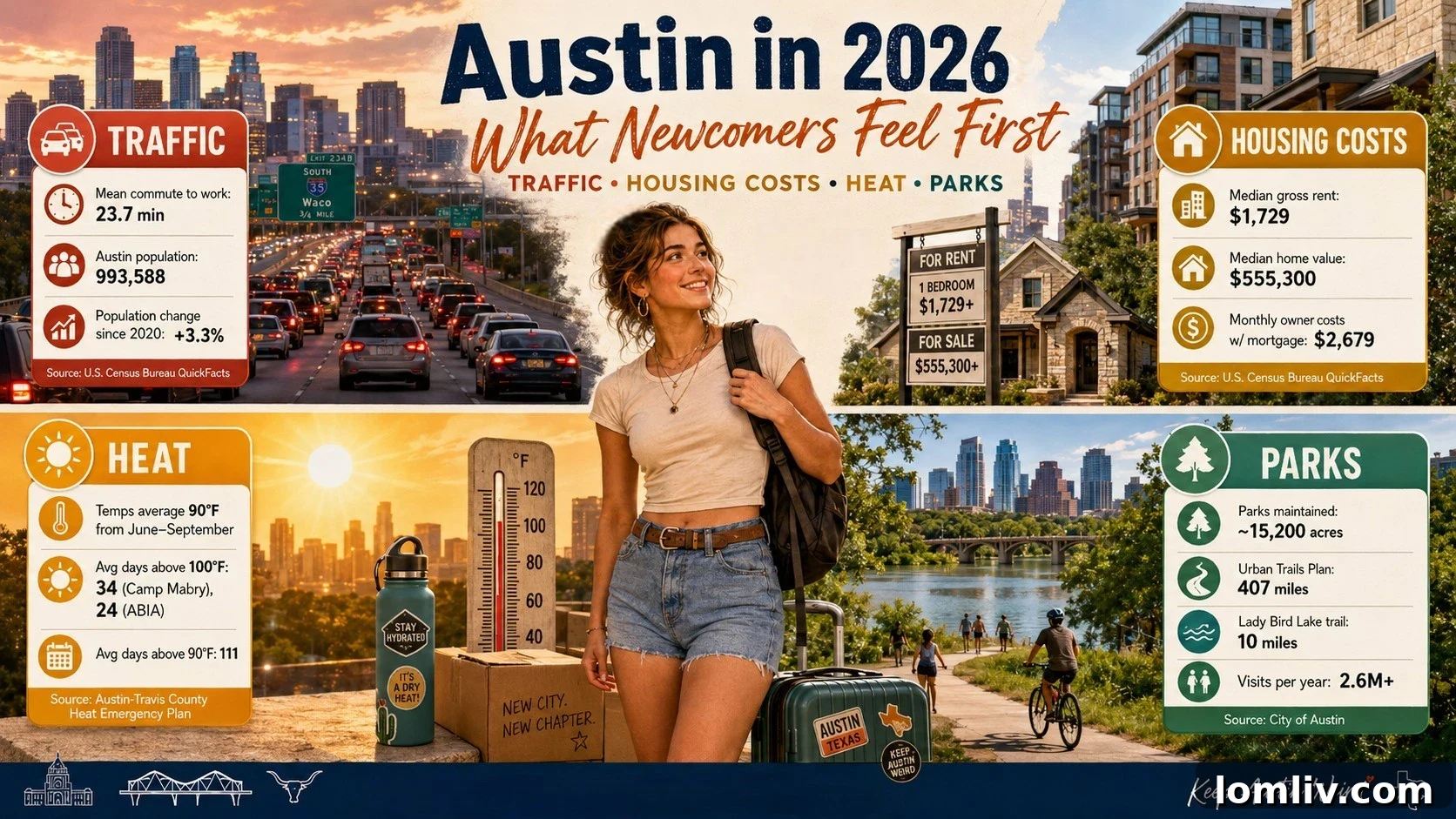
Austin is no longer the affordable Texas gem it once was. Those who relocated five or more years ago often speak of a significant drop in housing costs compared to cities like San Francisco or New York. However, the secret is out. Recent arrivals face a fiercely competitive and expensive housing market. Bidding wars for homes are common, and rental prices, especially in desirable central neighborhoods, have skyrocketed. Many newcomers have had to recalibrate their expectations, choosing to live in a smaller space, accept a longer commute, or explore burgeoning suburbs like Round Rock, Cedar Park, Leander, or Buda to find a balance between affordability and quality of life. Property taxes in Texas are also notably high, a factor that often surprises out-of-state buyers.
The Infamous Austin Traffic
Ask any transplant what their biggest surprise was, and “the traffic” is almost always the top answer. For a city of its size, Austin’s infrastructure has struggled to keep up with its explosive population growth. People moving from cities with extensive public transportation systems, like Chicago or Boston, are often shocked by how car-dependent Austin is. The main arteries—I-35, MoPac (Loop 1), and US-183—become gridlocked during peak hours. A commute that looks like 20 minutes on a map can easily stretch to an hour or more. This reality heavily influences where people choose to live. Savvy residents strongly advise living as close to your workplace as possible or ensuring you have a viable remote work setup to avoid the daily grind.
The Weather: A Tale of Two Extremes
The mild, sunny winters are a major selling point. However, newcomers consistently underestimate the intensity of a Texas summer. From June through September, daily temperatures frequently soar above 100°F with high humidity, creating a sweltering environment that can be a shock to the system. Recent arrivals often describe their first August as a brutal adjustment period where life moves from one air-conditioned space to another. Furthermore, “cedar fever” in the winter can be a severe issue for allergy sufferers, and the state is prone to occasional extreme weather events, including flash floods and, in recent years, surprising winter ice storms that can shut down the city.
Finding Your Niche: A Newcomer’s Guide to Austin Neighborhoods
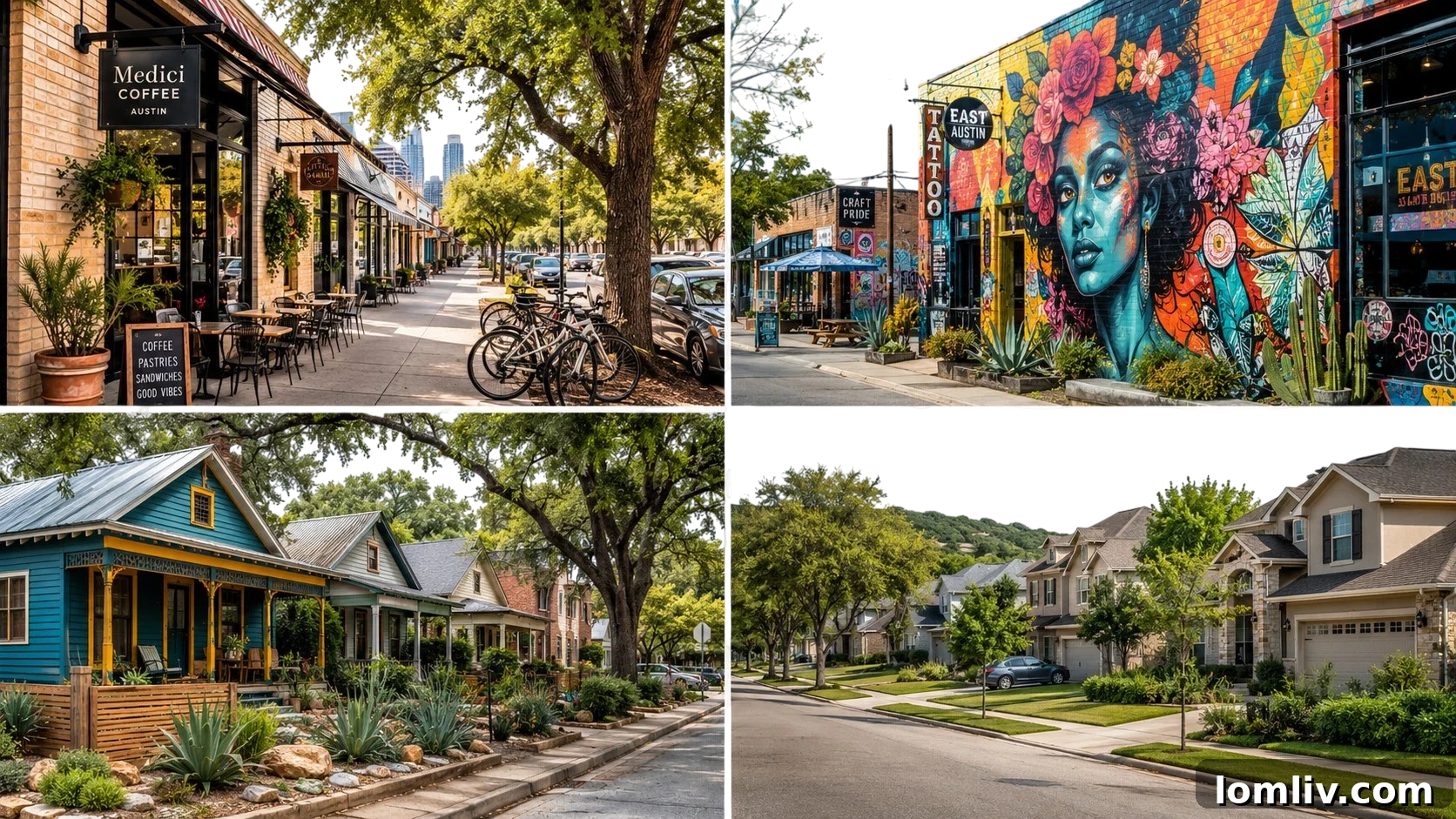
Austin is a city of distinct neighborhoods, each with its own personality and vibe. Where you choose to live will profoundly shape your experience. Here’s a breakdown based on feedback from those who have recently settled in.
- Downtown & Central Austin: Ideal for young professionals, students, and anyone who craves an urban lifestyle. Areas like Downtown, Clarksville, and West Campus offer unparalleled walkability to restaurants, bars, music venues, and offices. Newcomers love the vibrant energy and convenience but warn of high rent, constant noise, and the perpetual challenge of finding parking.
- East Austin: Widely considered the “coolest” part of town, East Austin is a hub for creativity, culinary innovation, and community spirit. It’s known for its colorful murals, unique boutiques, craft breweries, and some of the best barbecue and tacos in the city. Transplants are drawn to its eclectic and diverse vibe but also note that rapid gentrification is changing the area’s landscape and driving up prices.
- South Austin (78704 and beyond): Home to the unofficial “Keep Austin Weird” slogan, South Austin is a beloved area with a laid-back, funky character. Neighborhoods like Zilker, Bouldin Creek, and South Congress are popular for their proximity to parks and green spaces while still being close to downtown. Families and long-time residents appreciate South Austin’s blend of old-school charm and modern amenities.
- North Austin & The Domain: This area has transformed into a second city center. It’s the heart of the tech corridor and home to The Domain, a massive outdoor shopping and dining complex. Neighborhoods here are newer, more manicured, and appeal to families and tech workers looking for modern housing and excellent schools without the central city’s congestion.
- The Suburbs (Round Rock, Cedar Park, Leander): For those prioritizing space, top-rated schools, and a quieter lifestyle, the surrounding suburbs are a popular choice. Round Rock is known for its family-friendly amenities and the Dell headquarters. Cedar Park and Leander offer access to the MetroRail line for commuters and are consistently ranked as some of the best places to raise a family. The trade-off is a longer commute into Austin for work or entertainment.
Actionable Advice for a Smooth Move to Austin

Relocating is a major undertaking. Those who have successfully navigated the move to Austin offer these recurring pieces of practical advice.
- Visit Multiple Times in Different Seasons: A spring visit during SXSW paints a very different picture than a trip in the scorching heat of August. If possible, spend time here during the peak summer to see if you can handle the climate. A short-term rental for a month can be a valuable investment to truly understand traffic patterns and neighborhood vibes before committing to a lease or mortgage.
- Create a Comprehensive Budget: Your budget needs to account for more than just rent or a home payment. New residents are often surprised by high property tax bills, summer utility costs (your AC will run non-stop), and transportation expenses. Factor these in to get a realistic picture of your monthly spending.
- Plan Your Logistics Far in Advance: The moving process itself can be complex, especially when coming from out of state. Housing can be secured quickly, so timing your move is crucial. Research and book reputable moving services in Austin well in advance, particularly if you plan to move during the busy summer months when demand and prices are at their highest.
- Be Proactive About Building Your Community: Many transplants admit the first six months can feel isolating as you build a social life from scratch. Don’t wait for community to find you. Actively seek it out. Join a local sports league, volunteer for a cause you care about, find a running group, attend industry meetups, or take a class. Austin is full of friendly people, but you have to make the first move.
The Final Verdict: Is Austin Your Next Hometown?
The people who are happiest with their decision to relocate to Austin share a common trait: they arrived with their eyes wide open. They understood the trade-offs. They weighed the incredible career opportunities against the rising cost of living. They balanced the brutal summer heat and frustrating traffic against the vibrant culture and year-round outdoor lifestyle. Ultimately, they decided those compromises were worth it for their specific goals and stage of life.
If you’re considering a move to Austin, do your homework. Go beyond the hype and listen to the real stories of those who have already made the journey. Compare their experiences with your own priorities and non-negotiables. Austin isn’t a perfect city, but for those who align with its unique energy and are prepared for its realities, it can be an exceptional place to build a life.