Imagine the transformative potential of $300 million. This significant investment is precisely what Dallas’s revered Fair Park stands to gain, earmarked for essential expansion and extensive improvements, contingent upon the successful passage of a pivotal referendum scheduled for the November 8 ballot. This prospective funding represents not just a financial injection, but a monumental opportunity to reimagine and revitalize one of Dallas’s most iconic cultural and historical landmarks.
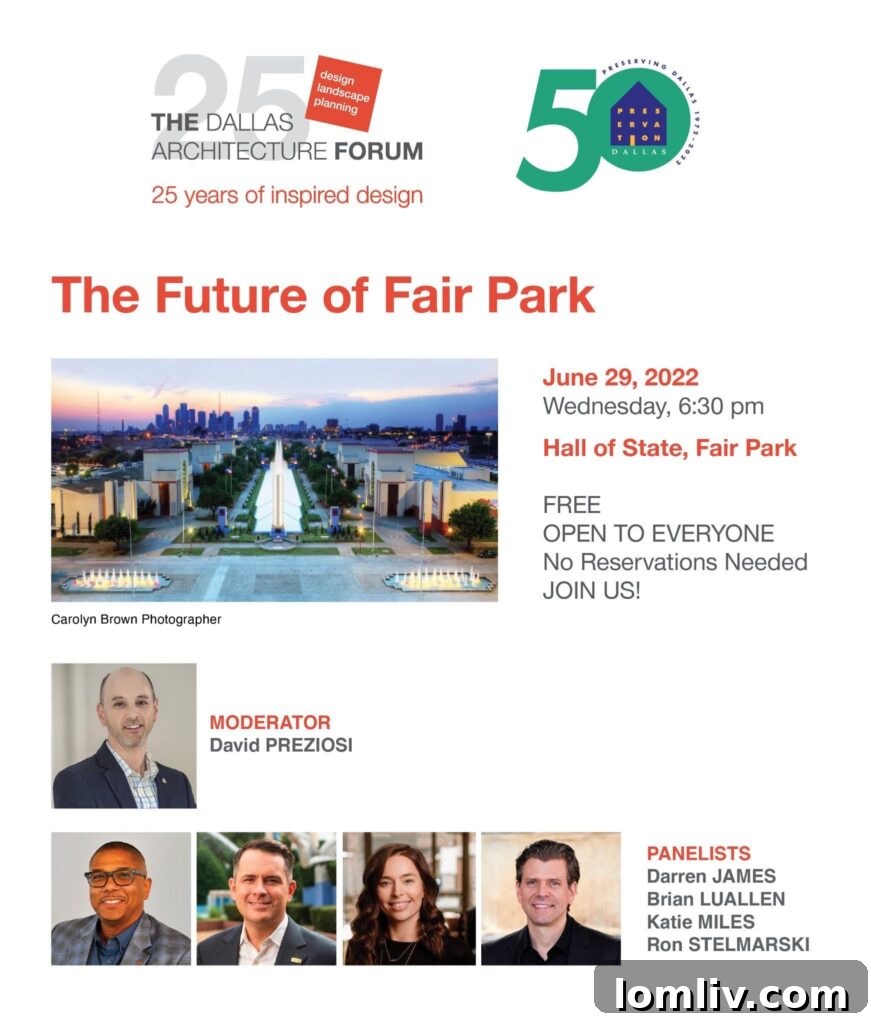
Understanding the profound implications of this referendum, key supporters and stakeholders of Fair Park are actively engaging the community. A recent free panel discussion, held at 6:30 p.m. on Wednesday, June 29, at the historic Hall of State, served as a vital platform. The primary objective of this gathering was to thoroughly educate Dallas residents on the far-reaching benefits a “yes” vote could unleash for the future of this indispensable Dallas institution. Beyond the immediate funding, the discussion also delved into the intricacies of Fair Park’s comprehensive master plan, emphasizing its enduring historical, architectural, and cultural significance as a nationally recognized historical landmark. Attendees were provided with a clear vision of how this investment aligns with long-term goals for community enrichment and preservation.
“It might sound straightforward, but the strategic roadmap for Fair Park’s future has been publicly accessible for a considerable period,” commented Brian Luallen, the astute CEO of Fair Park First, when prompted to articulate his aspirations for the park’s evolution. He underscored the point, stating, “The detailed master plan was officially adopted nearly eighteen months ago, providing a clear blueprint for our endeavors.” This statement highlights the proactive and transparent approach taken by Fair Park First in charting the course for the park’s revitalization.
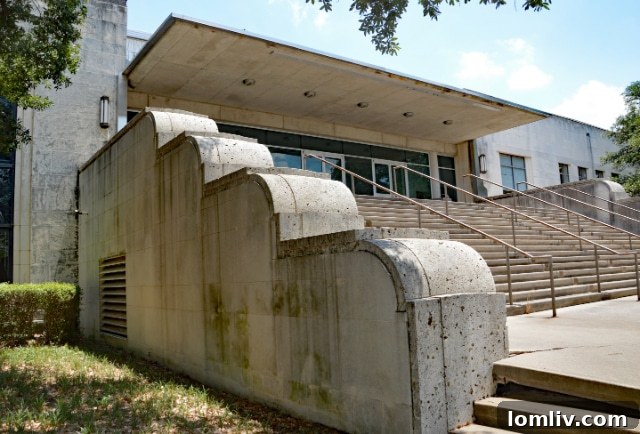
While the June 29 meeting didn’t reveal any groundbreaking new initiatives, Luallen clarified that the event’s purpose was to foster an open dialogue. The nonprofit organization, Fair Park First, sought to actively listen to the insights and concerns of both the public and key stakeholders. Simultaneously, they aimed to furnish comprehensive information, underscoring precisely why Fair Park represents a truly worthy and indispensable investment for the city. If the measure receives voter approval, the proposed upgrades for Fair Park would be financed through a dedicated 2 percent increase in hotel occupancy taxes. This funding mechanism would also contribute to a much larger, nearly $1 billion renovation project for the Kay Bailey Hutchison Convention Center Dallas, illustrating a cohesive strategy for improving Dallas’s major public venues.
“Our team holds an immense passion for recognizing and reinforcing Fair Park’s critical importance from a historical standpoint,” Luallen articulated with conviction. “Beyond its rich past, Fair Park possesses an extraordinary potential to emerge as a colossal social contributor, seamlessly weaving itself into the fabric of our daily lives and deeply embedded within our unique culture. By realizing this vision, we can genuinely showcase that intrinsic spirit of warm hospitality for which Texas is so widely celebrated and admired.” This sentiment encapsulates the dual ambition of preserving history while forging a dynamic future for the park.
The recent COVID-19 pandemic inadvertently highlighted an untapped potential within Fair Park. As public spaces became more vital for safe recreation, a significant shift occurred: more Dallas residents began utilizing Fair Park as a genuine community park. This marked a departure from its traditional perception solely as a major tourist attraction or a venue for grand events. Families were seen enjoying leisurely walks, hosting intimate picnics on its sprawling lawns, and finding entertainment by the serene lagoon. This grassroots rediscovery underscored the long-standing promise of transforming Fair Park into a vibrant community hub, a vision that, as Luallen explains, still requires concerted effort and strategic development to fully capitalize upon and deliver to the residents of Dallas.
“Despite these positive shifts, we are keenly aware that we’re still not optimally connecting the diverse communities surrounding Fair Park,” Luallen acknowledged, highlighting an ongoing challenge. He continued, explaining that “the upcoming development of the new LOOP trail is designed specifically to significantly enhance accessibility, making it far easier for people from various neighborhoods to reach and enjoy the park.” Looking ahead, the vision extends beyond mere accessibility. “We are actively exploring opportunities for strategic commercial and residential development in the vicinity, alongside collaborations with nonprofit organizations dedicated to creating much-needed affordable housing options. We anticipate a considerable increase in the area’s population as these plans unfold. While our internal focus has been heavily weighted on park conservancy and ensuring the park’s ecological health, we are equally committed to being an exemplary neighbor and, crucially, to protecting the long-standing legacy residents who have called this area home for generations.” This comprehensive approach aims to ensure that Fair Park’s revitalization benefits all aspects of the surrounding community.
The panel discussion featured an impressive lineup of experts and leaders, providing a multi-faceted perspective on Fair Park’s future. Brian Luallen, CEO of Fair Park First, shared his organization’s strategic vision. He was joined by Darren James, the esteemed President of the Fair Park First Board, who offered insights into governance and long-term planning. Katie Miles, a Senior Interior Designer at Overland Partners, contributed her expertise on creating vibrant and functional interior spaces within historic contexts. Rounding out the panel was Ron Stelmarkski, Design Director at Perkins&Will, who shared perspectives on architectural design and urban development. Moderating this insightful event was David Preziosi, Executive Director of the Texas Historical Foundation, a fitting choice given his deep commitment to preservation. The entire event was graciously hosted by the Dallas Architecture Forum, in a collaborative effort with Preservation Dallas, reinforcing the broad community support for Fair Park’s future.
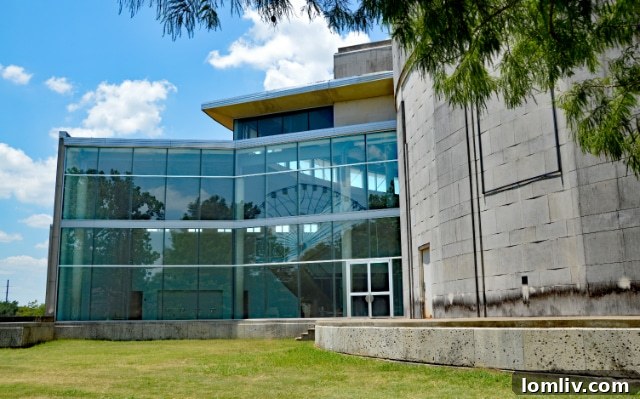
A Glimpse into Fair Park’s Storied History
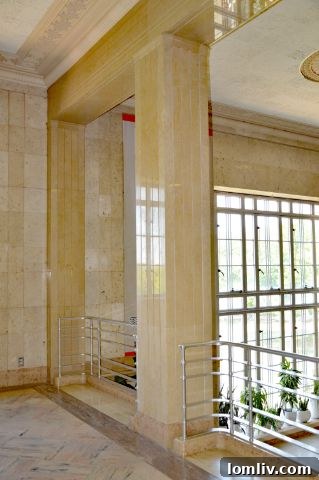
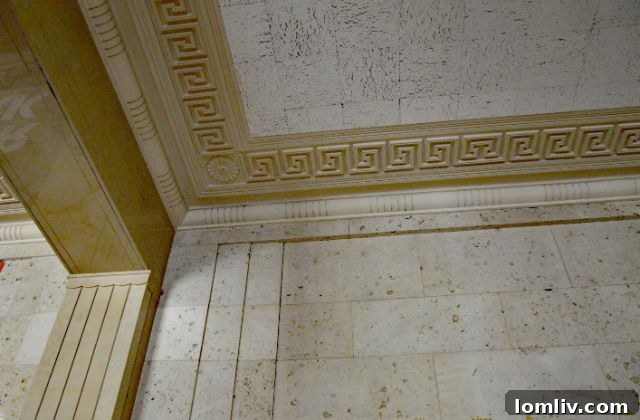
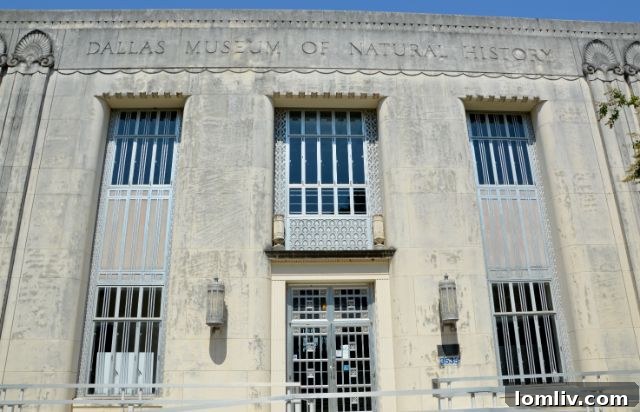
Fair Park, a true architectural marvel and a repository of Dallas’s rich heritage, was originally conceived and primarily designed for a singular, grand event: the 1936 Texas Centennial Exposition and World’s Fair. This monumental undertaking saw the creation of an unparalleled collection of Art Deco exhibition buildings, making it the largest concentration of such architecture in the world. As detailed by historic preservation specialist Jay Firsching in his meticulously researched article for Daltxrealestate.com, the park’s initial purpose shaped its very fabric. However, the years following this initial burst of development saw periods of neglect and, regrettably, the loss of significant historic structures, such as the once-magnificent Ford Building, which has vanished from the landscape. Alarmingly, as Brian Luallen points out, the area has not received a substantial capital investment of this magnitude since that inaugural Texas Centennial, leaving much of its infrastructure and historic buildings in a state of disrepair.
Addressing the complex and often sensitive history of Fair Park, Luallen candidly admits, “Fair Park has unfortunately been a bit of a political hot potato for many years, stemming from its profoundly inequitable history, particularly concerning race.” He elaborated on a painful chapter in Dallas’s past, explaining, “The city’s use of eminent domain during the 1960s and ’70s had a devastating impact, displacing hundreds of working-class Black families from their homes in the surrounding communities. That specific historical wound is one that still resonates deeply within the community.” Luallen highlighted the initial skepticism faced by Fair Park First: “Early on, when we began our efforts, there were a lot of very legitimate questions and concerns about whether our initiatives would lead to further displacement of homes. We have tirelessly worked to build credibility and trust within these communities, but it remains a significant challenge. The fundamental question we grapple with is: how do you truly heal and revitalize a property that has endured such prolonged neglect and been the site of such profound historical injustices for so long?” This honest assessment underscores the organization’s commitment to addressing past wrongs while building a more inclusive future.
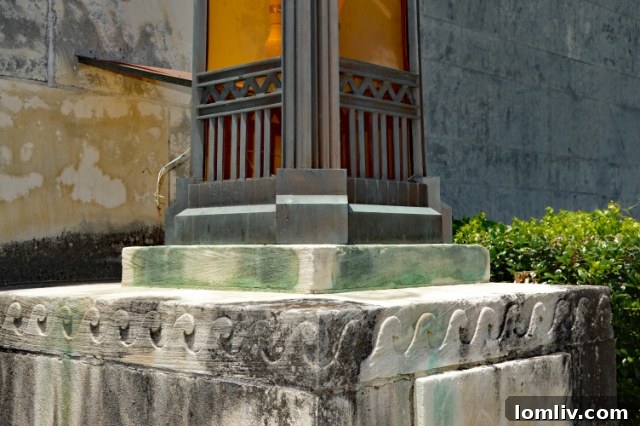
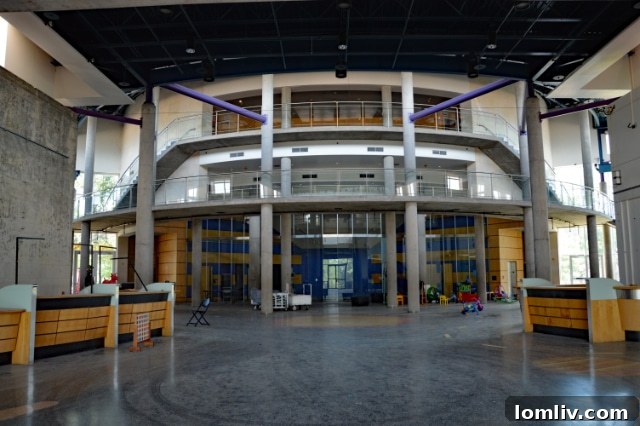
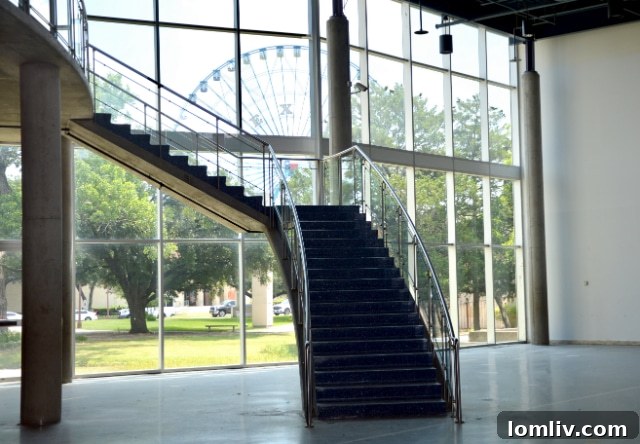
The haphazard development of the site over many decades, as Luallen critically noted, occurred in a “piecemeal fashion, severely lacking a truly thoughtful, overarching process. There wasn’t a significant amount of contemplation dedicated to identifying what crucial elements were missing that make other successful urban parks function so effectively and harmoniously.” This lack of holistic planning led to inconsistencies and missed opportunities for Fair Park to reach its full potential as a cohesive public space.
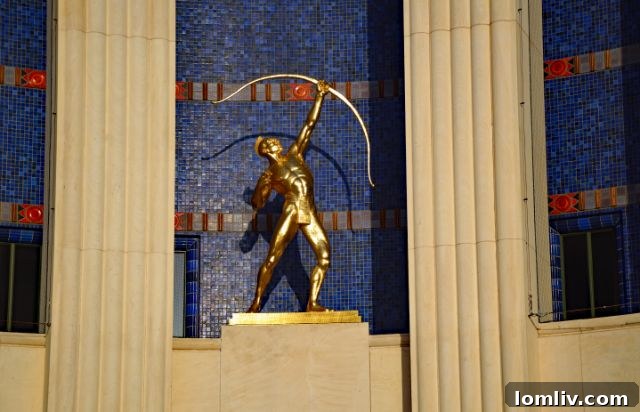
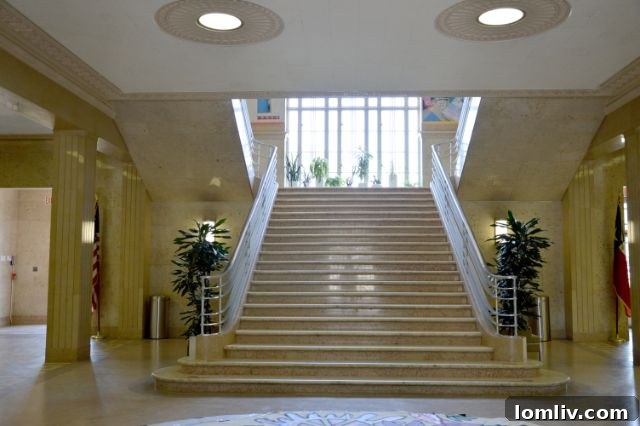
David Preziosi, a staunch advocate for historical preservation, shared his ardent desire to witness the magnificent buildings and intricate artwork of Fair Park fully restored to their original 1936 appearance. He envisioned a return to a time “when the buildings stood pristine, without visible cracks, and the artwork gleamed in its full glory.” Preziosi highlighted a recent success story, stating, “The exemplary Hall of State restoration has already made an incredible and undeniable difference, serving as a powerful testament to what is achievable.” He further emphasized Fair Park’s deep historical roots, noting, “Fair Park has served as the state fairgrounds since the 1880s, and remarkably, there are still structures on the site that predate even that era. It’s also important to remember that the original reconstruction of the fairgrounds for the centennial itself was undertaken within a very tight timeframe.” These insights underscore both the challenges and the immense potential for further restoration.
The recent public meeting provided a crucial platform for comprehensive discussions that touched upon a wide array of vital topics concerning Fair Park’s future. Central to these conversations was the exciting prospect of developing a vibrant community park within its expansive grounds, designed to serve daily needs and enhance local quality of life. Discussions also extended to the critical need for improved parking infrastructure, recognizing its role in making the park more accessible, and the broader upgrades required for essential park-wide infrastructure. Furthermore, a significant portion of the dialogue focused on Fair Park’s evolving and increasingly important role in hosting large-scale, international events, such as the highly anticipated World Cup in 2026, positioning Dallas on a global stage.
“This was a fantastic opportunity for members of the public to come and gain valuable insights into the exciting developments happening at Fair Park, understand the ambitious plans for its future, and learn more about the upcoming election, which is critical for securing additional support for preservation efforts,” Preziosi commented enthusiastically. He added, “It truly offered a concise yet informative snapshot of our progress and aspirations. Fair Park is an unparalleled and incredible resource, not just for the city of Dallas, but for the entire state of Texas. We firmly believe it houses the largest and most significant collection of Art Deco exhibition buildings found anywhere in the world, making its preservation and enhancement a global responsibility.”
Unlocking Fair Park’s Economic Powerhouse Potential
Fair Park First operates with a substantial annual budget of approximately $20 million, effectively managing and maintaining the extensive grounds. Currently, the historic Dallas landmark attracts a remarkable influx of around 6 million visitors each year, a testament to its enduring appeal and diverse offerings. This robust visitor count already positions Fair Park as a significant regional draw, but the vision for its future is even more ambitious and expansive.
“Over time, my clear vision is that Fair Park will fundamentally transform into an exemplary community park, seamlessly integrated with the convenience of an on-site hotel,” Luallen predicted, painting a picture of a revitalized destination. “These key developments will undoubtedly elevate us to the next level of public engagement and operational excellence. We anticipate that well before the much-anticipated World Cup arrives in 2026, our annual guest numbers will surge to an impressive 8 million visitors per year. Achieving that milestone represents a truly sustainable and robust point for a park of this monumental size and significance, ensuring its long-term viability and impact.”
The economic footprint of Fair Park is undeniably substantial, contributing significantly to Dallas’s prosperity. The park’s annual economic impact for the city is estimated at a staggering $296 million. This impressive figure represents a comprehensive cumulative total encompassing all revenues generated, salaries paid to its workforce, the value of services procured, and a multitude of other economic benefits. These include critical tax revenues such as sales tax and, notably, hotel room tax, which directly benefit municipal coffers. Beyond direct financial contributions, Fair Park serves as a powerful magnet for tourism, contributing an average of 150,000 room nights to Dallas’s annual tourism economy. This consistent demand for lodging underscores its role as a premier destination, supporting local businesses and employment within the hospitality sector.
A significant portion of the recent public discussion was dedicated to the much-anticipated and widely discussed community park. This visionary project is heralded as a cornerstone initiative, passionately championed by Fair Park First, aiming to redefine the park’s utility and appeal for everyday Dallasites.
“The operational model that has demonstrated consistent success and resilience at Fair Park is founded on a critical balance: ensuring year-round activation, maintaining a constant and engaging call to action for visitors, and fostering robust, mutually beneficial partnerships with diverse organizations that can truly thrive within this unique environment,” Luallen explained, outlining the core philosophy driving the park’s management. He further elaborated on the panel’s focus: “What we were primarily discussing [on Wednesday] was the tangible implementation of these ambitious plans. Before now, no one could definitively tell you, with any real authority, precisely where the community park was slated to be developed, nor could they articulate its exact scope or character. Our unwavering focus now is on delivering concrete, measurable results that the community can see and experience. Moreover, we are enthusiastically lifting the veil on some groundbreaking concepts that have emerged from an exceptionally robust and intensive planning process. I firmly believe that until this very moment, there hasn’t been such a bold, comprehensive, and clear vision for what Fair Park can truly evolve into—a must-see destination that not only enhances the quality of life for the city’s residents but also captivates visitors from around the globe.”