Exploring the Top Homebuilding Trends Shaping Dallas-Fort Worth in 2016
The Dallas-Fort Worth real estate market concluded 2015 with record-breaking success, marking its best performance in three decades. This remarkable growth positioned Dallas as one of the nation’s leading markets for new home construction. North Texas is home to an impressive array of highly skilled and innovative builders who are constantly pushing the boundaries of residential design and functionality.
To provide an exclusive look into the future of home design, we’ve consulted with some of the region’s most esteemed builders. They’ve shared their expert predictions for the dominant homebuilding trends of 2016, along with stunning photographs illustrating how these cutting-edge concepts are being brought to life in their projects. Prepare to be inspired by the insights and visual showcases that define the evolving landscape of modern homes!
1. “Barnitecture”: Blending Rustic Charm with Modern Sophistication
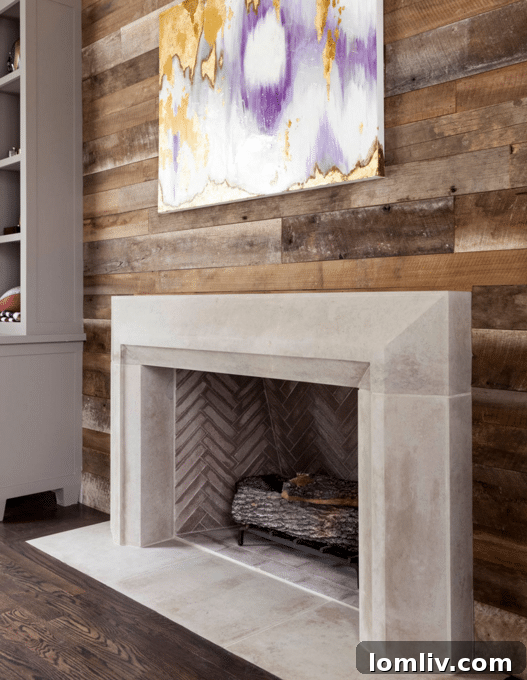
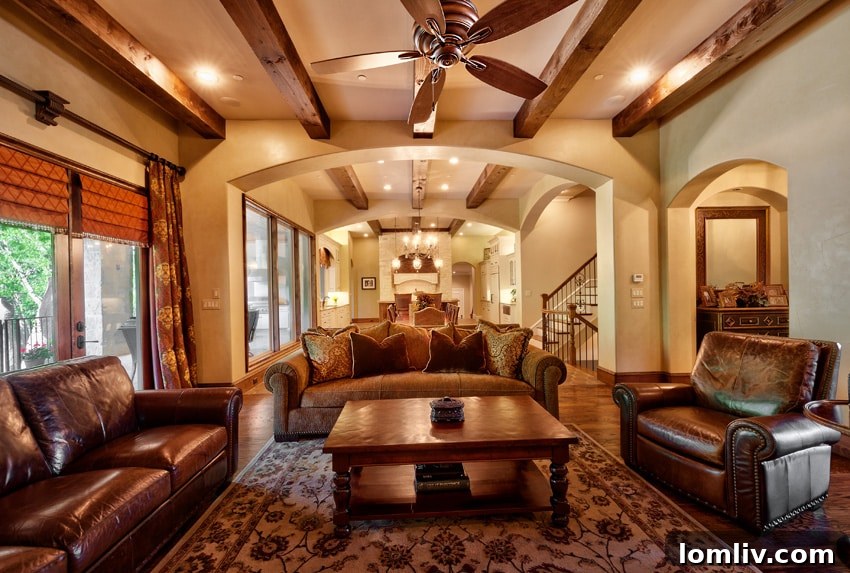
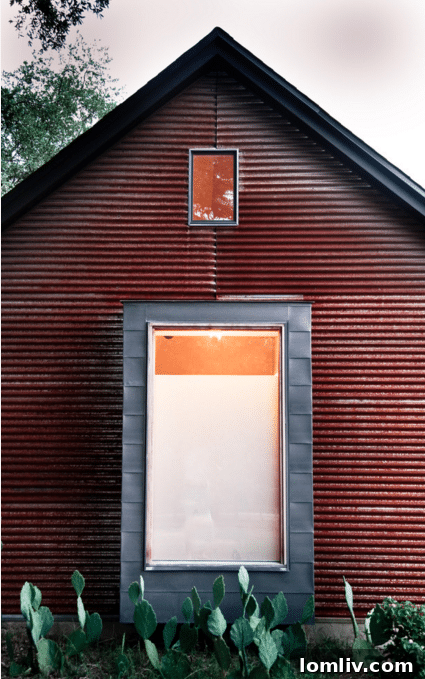
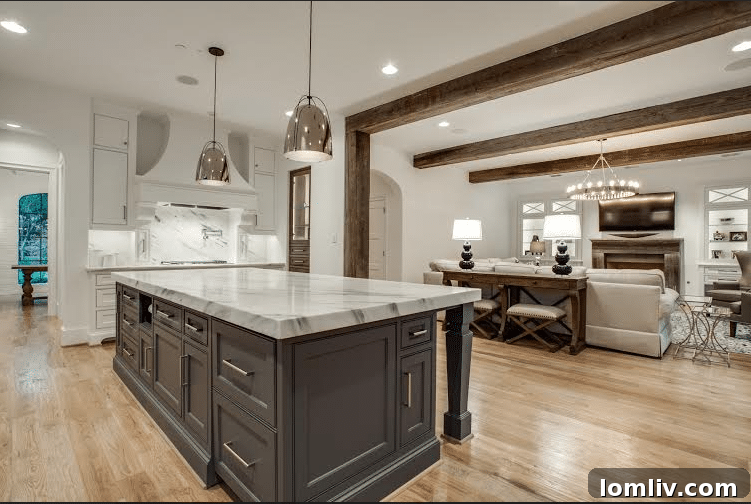
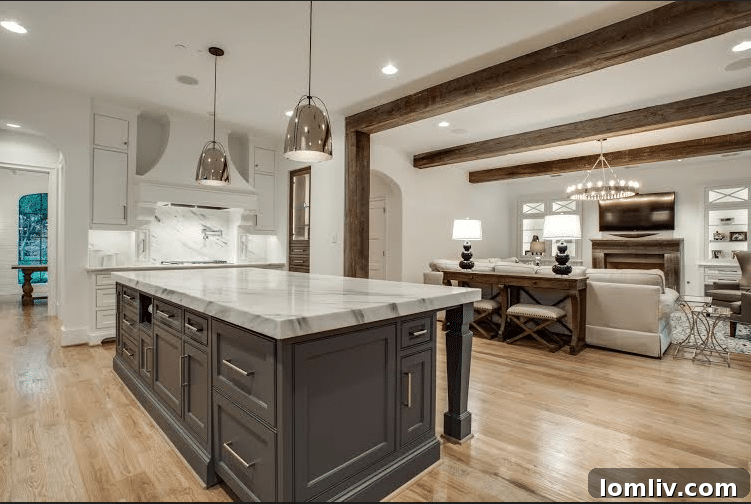
In 2016, “rustic” emerges as a dominant buzzword in home design, with builders noting a strong client desire for a harmonious blend of old and new elements. This distinctive aesthetic, affectionately dubbed “barnitecture,” places reclaimed timber at its core. This versatile material is not just a trend; it’s a statement, appearing in everything from grand entrance doors and robust flooring to eye-catching ceiling beams, dramatic accent walls, and custom-built features throughout the home.
A hallmark of barnitecture is the surging popularity of sliding barn doors. These aren’t limited to rustic, repurposed wood pieces; they’ve evolved to encompass sleek, modern interpretations crafted from elegant glass and sturdy metal, offering both functional space-saving benefits and a striking visual appeal in any room, from master suites to pantries and home offices.
Mark Danuser, President and Owner of Tatum Brown Custom Homes, elaborates on this trend: “This style masterfully mixes contemporary elements with barn-like structures. We recently completed a home where we incorporated reclaimed timber, salvaged from the bottom of a riverbed, alongside contemporary German cabinetry. Clients are increasingly seeking spaces that feel deeply personalized, and a hardwood floor with such a rich history truly tells a story. This approach has become incredibly popular as homeowners strive for unique narratives within their living environments.” The appeal lies in creating spaces that feel both refined and deeply rooted, offering a sense of history and warmth within a modern context.
2. Traditional Style with Cleaner Lines: The Rise of Soft Contemporary Influence
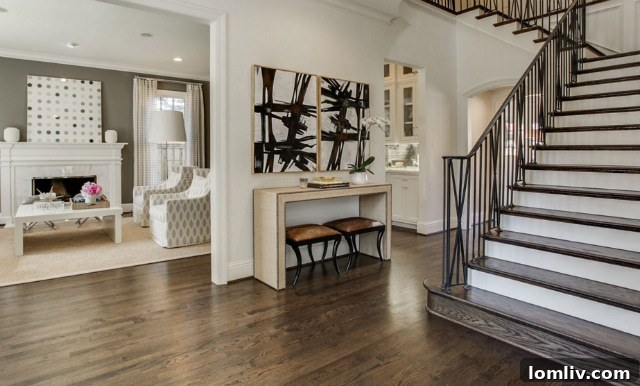
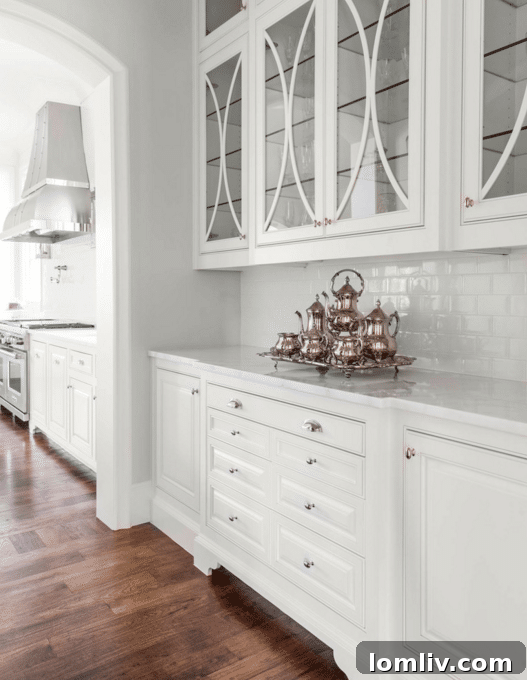
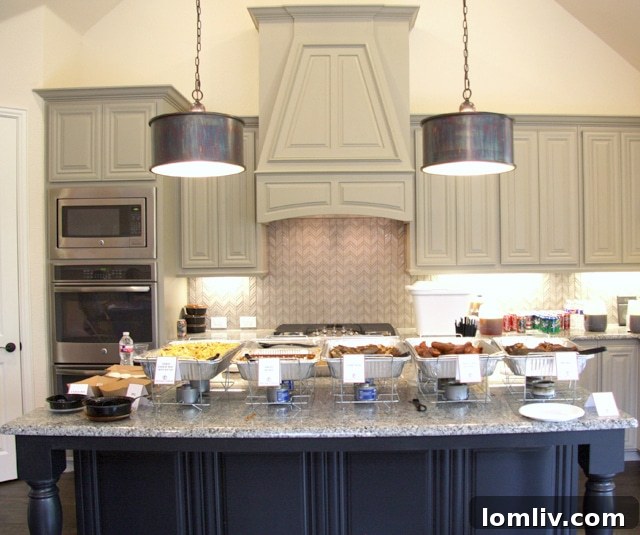
The enduring popularity of traditional home styles is undergoing a significant evolution, influenced by the “soft contemporary” trend that has gained momentum in recent years. Builders are observing a distinct shift as clients increasingly request traditional homes with simplified aesthetics: cleaner lines, a more curated selection of materials, and reduced embellishment. This fresh take on tradition seeks sophistication through subtlety.
This refined approach manifests in various design elements. Staircases, for instance, are now featuring unadorned iron balusters, replacing the more ornate, decorative wood newel posts of the past. Fireplace mantels are adopting smaller, sleeker profiles, moving away from intricate carvings to embrace a minimalist elegance. Cabinetry and built-ins are trending towards lighter color palettes, often white or soft grays, complemented by smaller, understated pulls and handles, reinforcing a sense of spaciousness and modernity.
Saad Chehabi, President and CEO of S&R Development, highlights this shift: “Most new construction is leaning towards simpler, more open designs – large, expansive spaces that remain chic and tastefully executed. We are seeing a preference for crisp white walls and trim, high-end floor-to-ceiling steel windows that flood interiors with light, and contemporary bathrooms featuring oversized windows, exceptional finishes, minimalist cabinet designs, and sophisticated hardware. It’s about achieving grandeur through thoughtful simplicity.” This style has become exceptionally popular across the Dallas-Fort Worth area, reflecting a broad desire for homes that feel both classic and current.
Robert Elliott, Owner of Robert Elliott Custom Homes, affirms this demand: “I find that approximately 90 percent of my clients are seeking to achieve this precise look. I have proactively collaborated with trim supply companies over the past couple of years to develop custom molds for door trim and crown moldings, specifically designed to help my clients realize this clean, updated traditional aesthetic.”
Beyond interior details, classical architecture itself is being reimagined with a streamlined sensibility. Tom Greico, Designer and Builder at Greico Modern Homes, predicts the future: “Whether you call it Texas Modern or Hill Country Modern, I am convinced that the next major design trend will be a beautiful fusion between the clean, crisp lines of modern design and the rich, textural qualities often found in Old World-style homes. This blend offers a unique character that resonates deeply with local tastes.”
3. Harnessing the Texas Sun: The Rise of Solar Energy
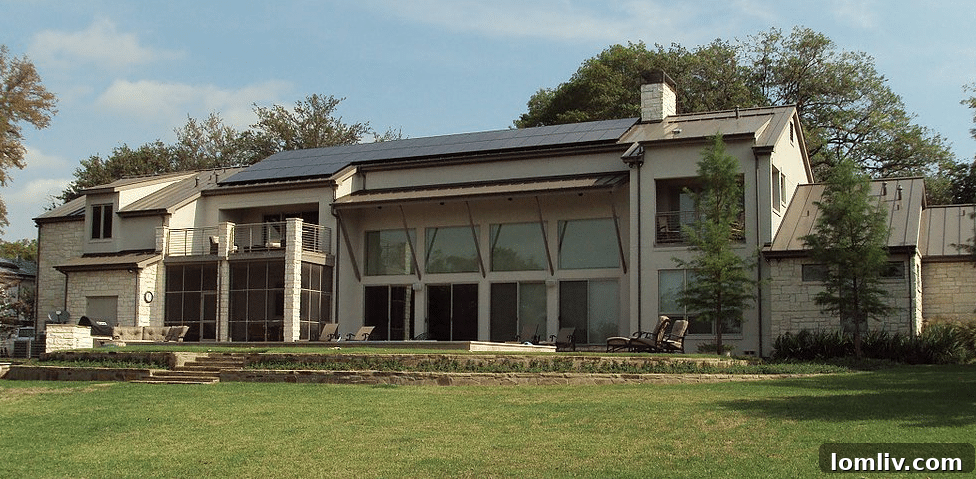
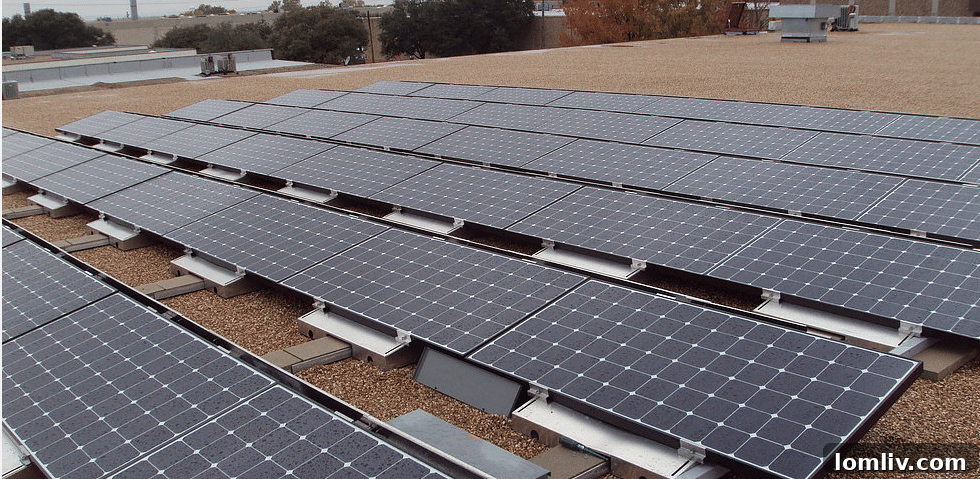
Following last year’s discussions with our builders on the growing client demand for eco-friendly home elements, this trend continues to intensify in 2016. Homebuyers are increasingly prioritizing sustainable features such as advanced foam spray insulation, energy-efficient tankless water heaters, and high-performance air conditioning units with Seasonal Energy Efficiency Ratings (SEER) of 16 and above, often featuring variable speed technology. Beyond these standard upgrades, our builders are implementing a range of innovative solutions to create truly green homes.
Tom Greico explains a holistic approach to sustainable design: “We firmly believe that green architecture is as much about correct home orientation and thoughtful design as it is about locally sourcing materials. For instance, strategically designing a home to provide shaded courtyards and facilitating cross-ventilation throughout the interior can significantly reduce the need for air conditioning during North Texas’s more temperate months, offering both comfort and energy savings.”
Given that North Texas enjoys an average of 232 bright, sunny days a year, solar energy is a particularly natural and appealing fit for homeowners seeking to minimize their environmental footprint and reduce utility costs. Mark Danuser notes a significant uptake in solar installations: “We’ve integrated solar panels into three or four of our most recent projects, particularly on larger homes. With the prevalence of numerous televisions, computers, and heavy-duty washers and dryers, these homes can be substantial power consumers. Clients are keenly focused on achieving the highest possible energy efficiency, and as a direct result, solar energy has dramatically gained momentum.”
Many builders are now proactively incorporating solar considerations into their designs, even if immediate installation isn’t planned. Greico adds, “The homes we design, especially those with flat roofs, are uniquely suited for solar panel integration. We’ve been pre-wiring our houses during construction, anticipating future solar installations to ensure our clients have a seamless path to energy independence when they’re ready.” This foresight ensures homes are future-proofed for evolving energy solutions.
4. Dramatic Entryways: Making a Grand First Impression
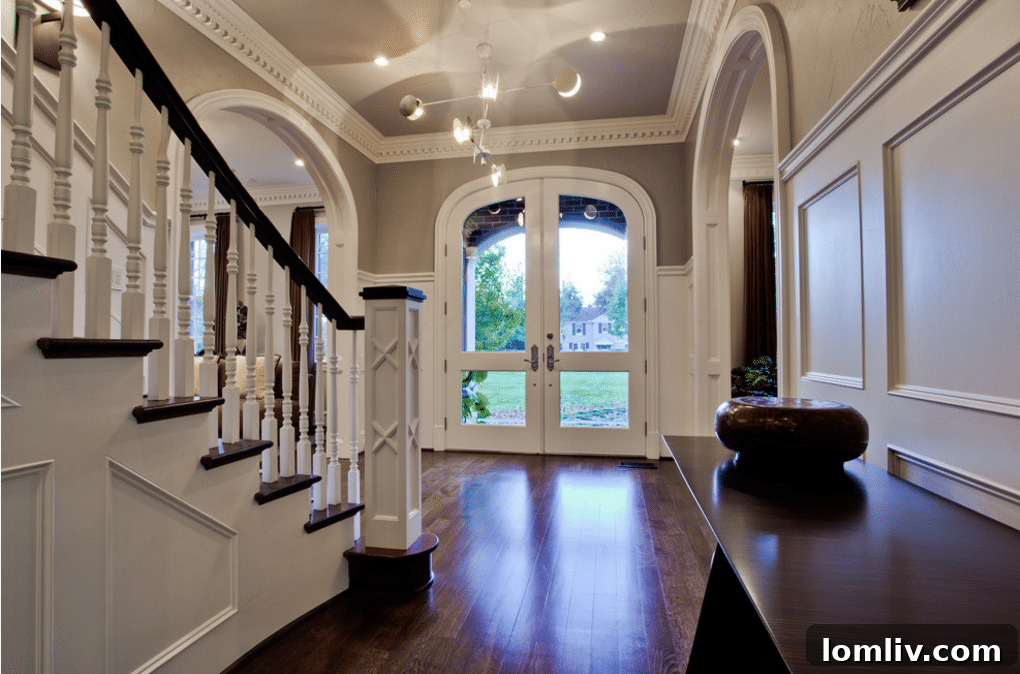
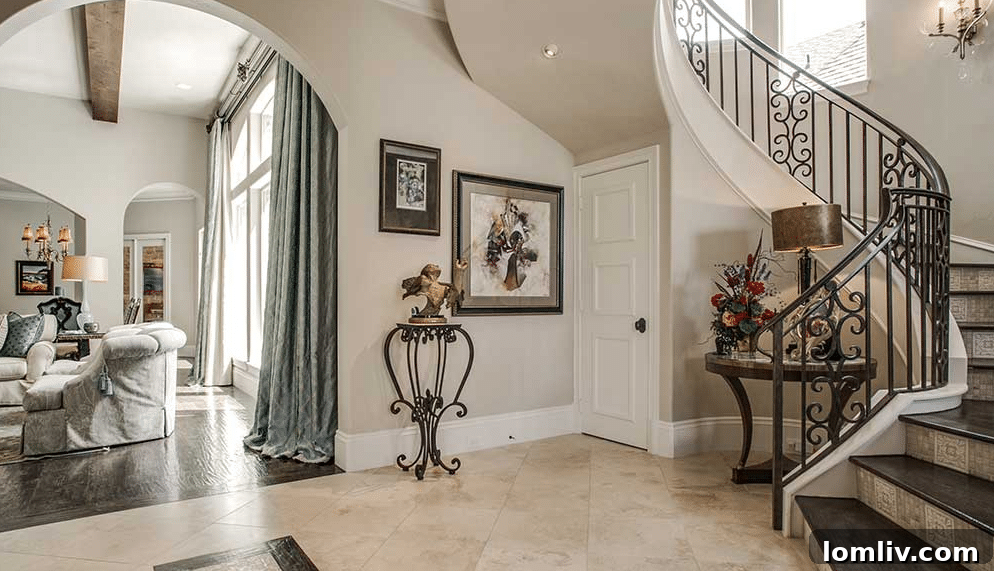
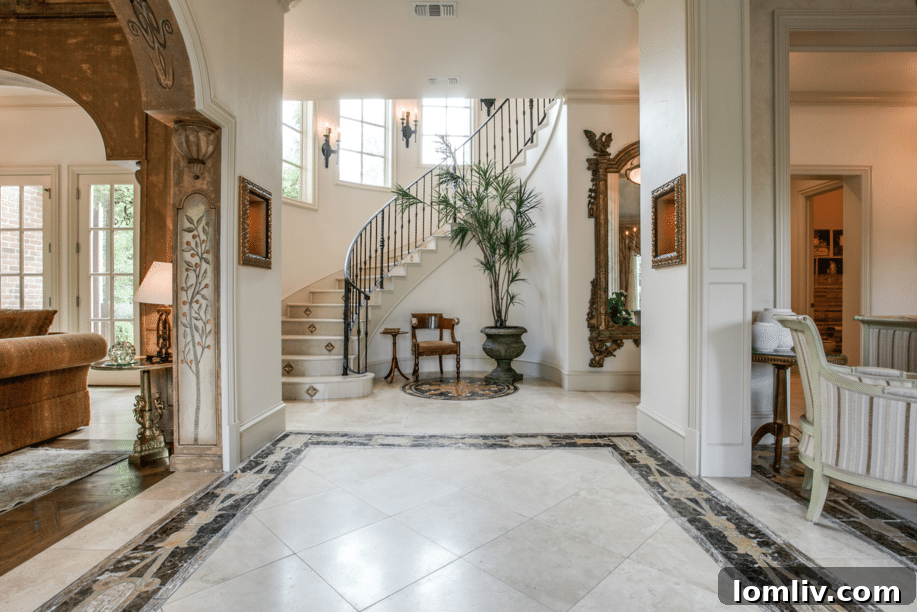
The entryway to a home serves as its initial handshake, setting the tone for the entire residence and creating a lasting first impression. Dallas-area homebuilders report a significant surge in interest for dramatic entryways in 2016, as homeowners seek to extend a truly “Texas-sized welcome” to their guests. This trend is characterized by the strategic incorporation of high-end flooring, dazzling light fixtures, and memorable architectural elements designed to create an immediate “wow” factor.
Imagine opulent marble tile meticulously inlaid with rich hardwood, sparkling oversized chandeliers that command attention, and grand arching doorways framing exquisite steel-and-glass front doors. These elements combine to create an experience of grandeur and sophistication right at the threshold.
Even in properties with a smaller overall footprint, homeowners are investing in entryways that feature luxurious materials. This area is recognized as a prime location where a few carefully chosen, expensive pieces can make a monumental impact, elevating the home’s perceived value and aesthetic appeal. It’s about making a powerful statement from the moment one steps inside, reflecting the homeowner’s taste and style in a captivating manner.
5. Steel Windows and Doors: Strength, Style, and Seamless Views
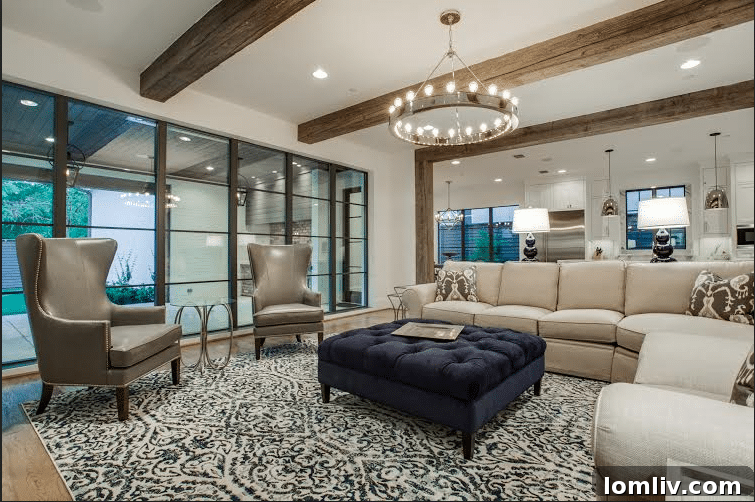
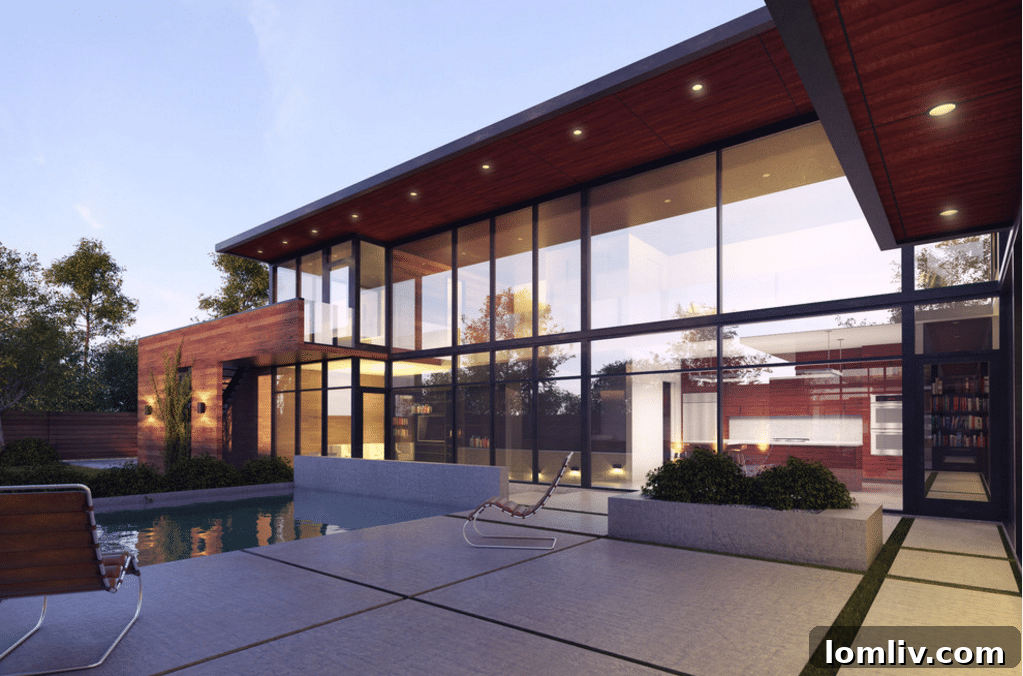
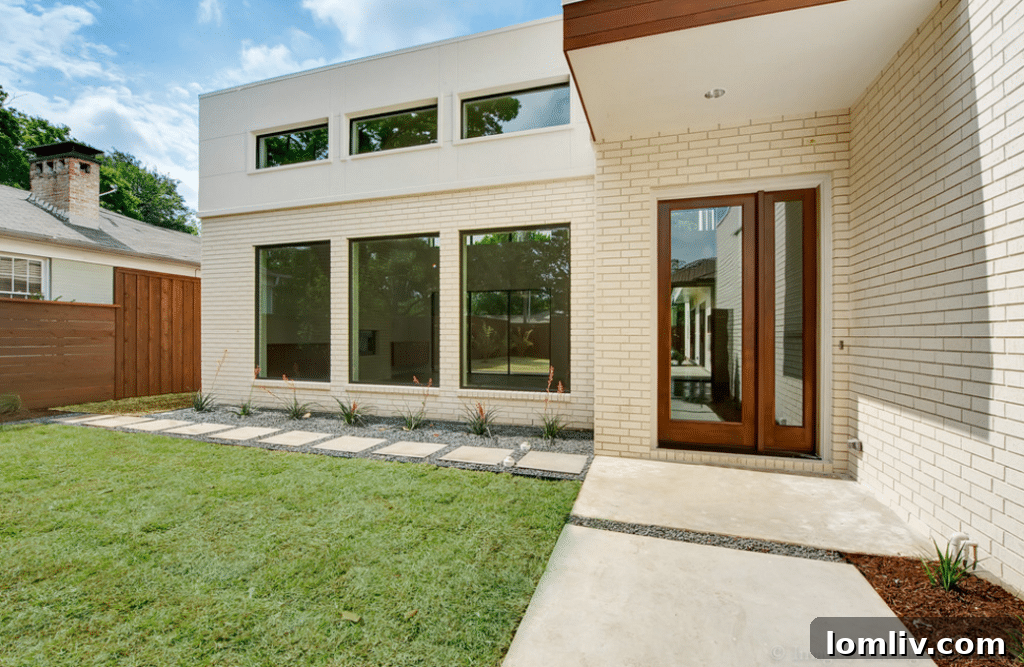
Building upon the concept of dramatic entryways, the integration of steel-and-glass doors and windows is emerging as one of 2016’s most compelling homebuilding trends. These architectural elements are not merely functional; they are powerful design statements that redefine the aesthetic and ambiance of a home.
Mark Danuser highlights their universal appeal: “Steel windows and doors offer a look that is incredibly streamlined, simple, and inherently elegant. What’s remarkable is how seamlessly they integrate into every architectural genre. We’ve even installed them in a Mediterranean-style home, and despite the more traditional finishes, the steel windows and doors fit perfectly, providing a modern edge. There’s a widespread desire for floor-to-ceiling windows that maximize natural light, regardless of whether the home leans traditional or contemporary in style. Steel frames make this aspiration a stunning reality.”
The distinctive appearance of steel windows and doors, characterized by their narrow sight lines, creates a sophisticated and uncluttered aesthetic. Beyond their visual appeal, the inherent strength, exceptional durability, and remarkable versatility of steel frames render them not only a unique design component but also a long-lasting investment, promising longevity and minimal maintenance.
Robert Elliott shares his extensive experience with this trend: “We have been incorporating steel windows and doors into our designs for several years now, recognizing their transformative power. They offer an excellent way to infuse a traditional home with a distinctly current and fresh feel. We are strong advocates of integrating select steel windows and doors to complement the wood windows we predominantly use, as very few projects can accommodate the expense of steel throughout the entire home. This selective application allows for impactful design without prohibitive costs, creating a harmonious blend of materials that speaks to both tradition and modernity.”
6. Open Concept Floorplans: Uniting Spaces for Modern Living
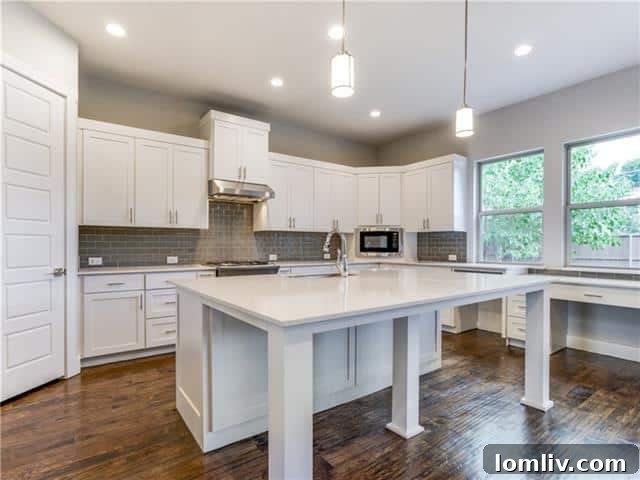
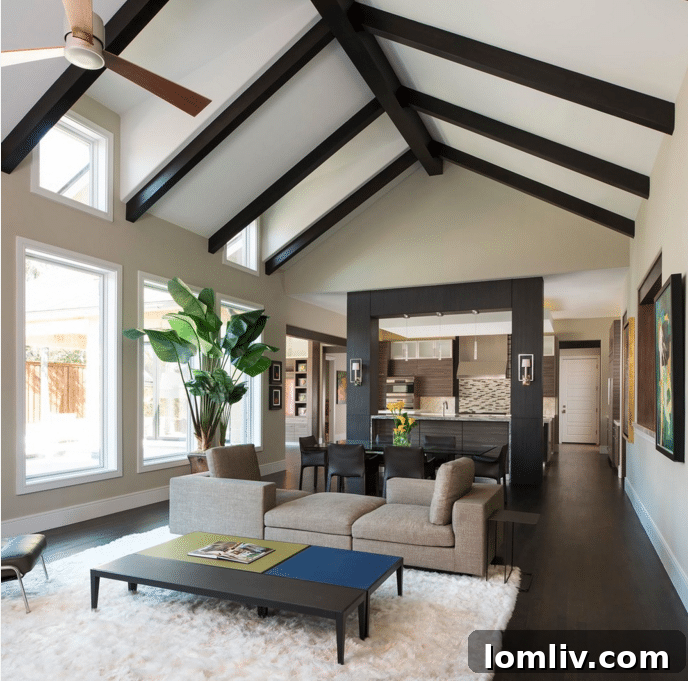
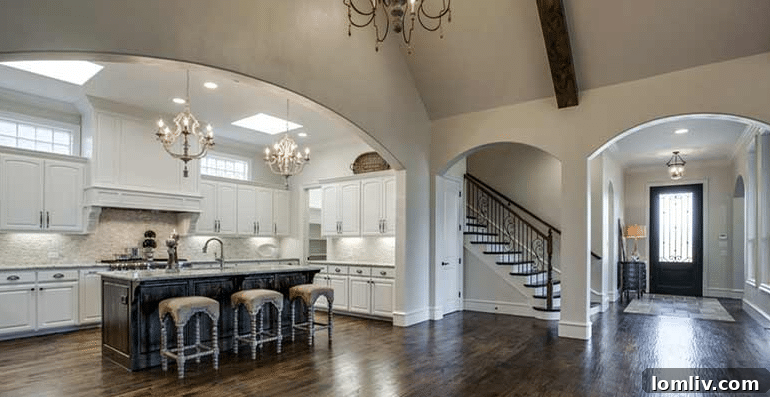
While open concept floorplans are not a new phenomenon in home design, builders report that in 2016, they have solidified their position as an absolute “must-have” on a greater number of homebuyers’ lists than ever before. This enduring popularity stems from a desire for homes that facilitate interaction, offer a sense of spaciousness, and adapt to diverse lifestyles.
Jeff Dworkin, President of JLD Custom Homes, describes the evolving specifics: “We consistently observe clients requesting open concept layouts featuring expansive kitchen islands that serve as both culinary workstations and informal gathering points. Almost all of our current floorplans integrate a combined living room and kitchen, typically spanning the full length of the home’s rear, creating a grand, unified space. Furthermore, we are enhancing kitchen openness by incorporating large, eat-on islands and systematically removing traditional bar-height countertops, promoting a more fluid and inclusive design.”
Homebuilders note a strong demand for flexible floorplans that maintain clear sight lines from the kitchen into other common areas, such as the living and dining rooms. This connectivity ensures that family and guests can interact effortlessly, whether cooking, dining, or relaxing, fostering a sense of togetherness.
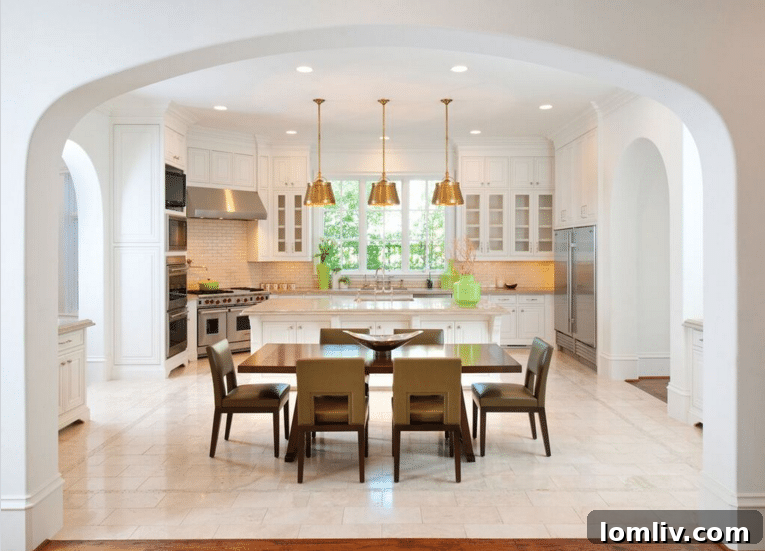
Tom Greico elaborates on how these open spaces are artfully designed: “We approach the home’s layout as a carefully choreographed progression of spaces and volumes, each leading organically to the next, culminating in a magnificent great room. An interesting trend we’re noticing is that many clients still highly value a formal eating space, but they prefer it to be open to – though not necessarily fully integrated within – the great room. These formal dining areas often manifest as elegant alcoves situated off the main axis of the great room, frequently featuring a slightly lower ceiling height to subtly delineate the space and provide an intimate atmosphere without sacrificing the overall open feel.” This balance between openness and defined purpose creates highly functional and aesthetically pleasing homes.
7. Smartphone Home Automation: The Connected Home Experience
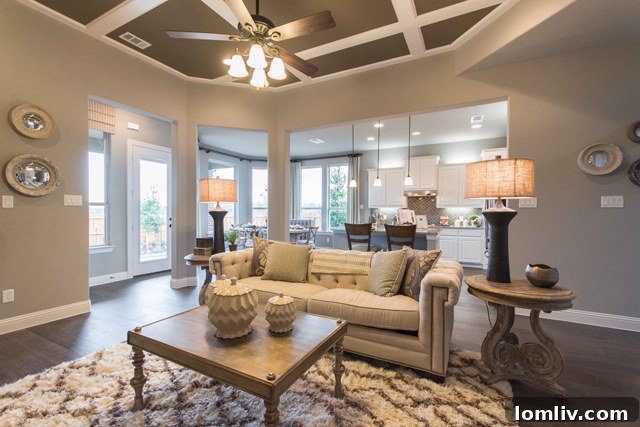
Last year, home automation was identified by our builders as a top homebuilding trend, with buyers widely requesting control over thermostats, lighting, pool equipment, security systems, surveillance cameras, appliances, and garage doors. In 2016, this trend evolves further, with homeowners demanding full, seamless control of their entire residence through intuitive smartphone applications, as noted by Les Owens, President of LRO Residential.
Owens explains the advanced integration: “We are actively collaborating with sophisticated AV platforms such as Lutron and Control4, which empower clients to manage numerous aspects of their home effortlessly. This includes comprehensive security systems, HVAC (heating, ventilation, and air conditioning), both interior and exterior security cameras, and even automated window coverings for enhanced privacy and energy efficiency. Naturally, we also integrate practical features like driveway gates and garage doors, which can send alerts directly to your smartphone if they’ve been left open, offering peace of mind. We recently completed a three-story home with eight televisions, and the need for traditional remotes has been entirely eliminated, as all audio-visual controls are conveniently accessible via the owners’ smartphones.”
The earlier mentioned trend of grand steel windows also plays into home automation. For homeowners seeking privacy in these light-filled spaces, automated shades controlled by smartphone apps are a perfect solution, with companies like Lutron offering cutting-edge products in this area. Mark Danuser emphasizes the pervasive nature of this technology: “Everything now seems to have an app, even digital locks on the house. A common inquiry we receive is the ability to remotely control thermostats from brands like Lennox AC and Nest. Home automation is an enormous trend, and its influence grows exponentially each year. Once you experience the convenience of managing your home from your phone, it’s truly difficult to imagine going back to less integrated systems.” The allure of effortless control and enhanced convenience continues to drive the smart home revolution.
8. Comfortable Year-Round Outdoor Living Areas: Expanding the Home’s Footprint
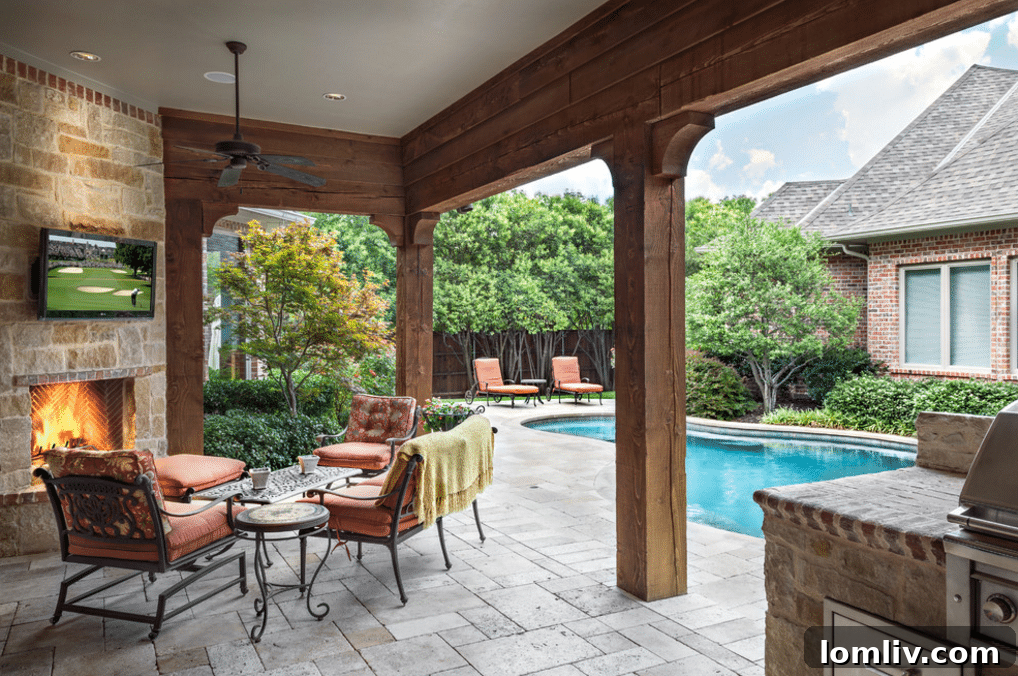
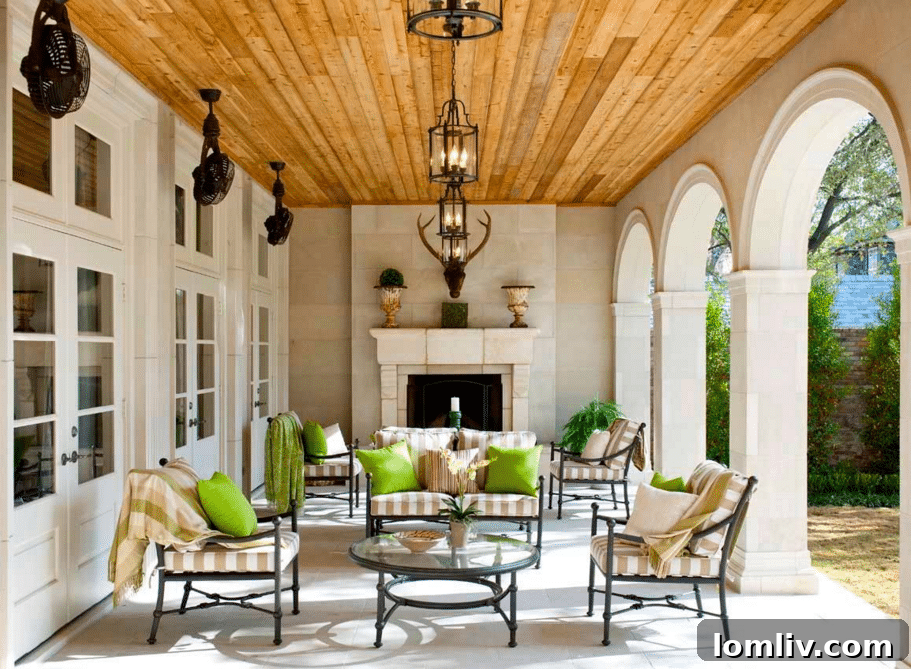
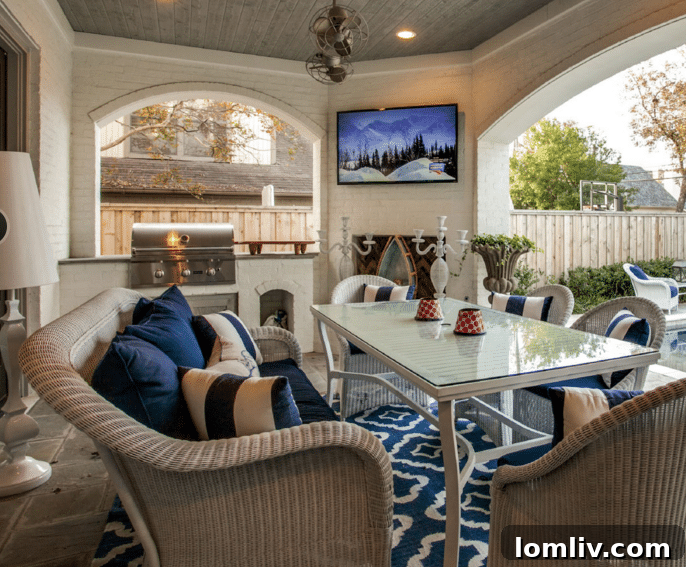
The interior living space of a home is no longer the sole focus; in 2016, our homebuilders confirm that the demand for outdoor living areas capable of providing comfort year-round is exceptionally strong. Homeowners are increasingly viewing their exterior spaces as extensions of their indoor environments, seeking to maximize their usability and enjoyment across all seasons. This requires thoughtful design and the integration of amenities that cater to various weather conditions.
To achieve this coveted year-round comfort, outdoor living spaces are being equipped with a range of sophisticated features. Ceiling fans are essential for circulating air and providing a cooling breeze during the warm Texas summers. As temperatures drop, outdoor fireplaces and built-in heaters ensure cozy warmth, extending the usability of these spaces into cooler months. Furthermore, auto-rolling screens are becoming a popular addition, offering protection from insects and creating a sense of enclosed intimacy on crisp winter evenings or during mosquito season.
Mark Danuser elaborates on these popular enhancements: “We are now designing most homes with integrated roll-down screens, which are invaluable for combating summer mosquitoes and simultaneously allow for a comfortable sense of enclosure on cooler winter nights. Many of our clients are also opting to install porch ceiling heaters, effectively transforming a large porch into an additional, fully functional living area even in the depths of winter. This trend is particularly evident when clients invest in impressive large sliding and stacking door units that seamlessly connect their interior spaces to these well-appointed outdoor living areas.”
When clients choose expansive floor-to-ceiling steel windows or innovative movable glass walls, the distinction between interior and exterior spaces beautifully blurs, creating a fluid and continuous flow. Tom Greico captures the essence of this integration: “In Dallas, there are many months where you can effortlessly open up the glass doors, inviting the outdoors in for entertaining or simply enjoying a casual morning around the house. We invest considerable effort and resources into making our yards beautiful; it seems a shame to keep them out of view and separated from our daily lives. These integrated outdoor spaces allow us to fully appreciate and utilize our landscaped environments.” This trend truly elevates the concept of home, expanding its boundaries into nature.
9. Transitional Interiors: A Harmonious Blend of Styles
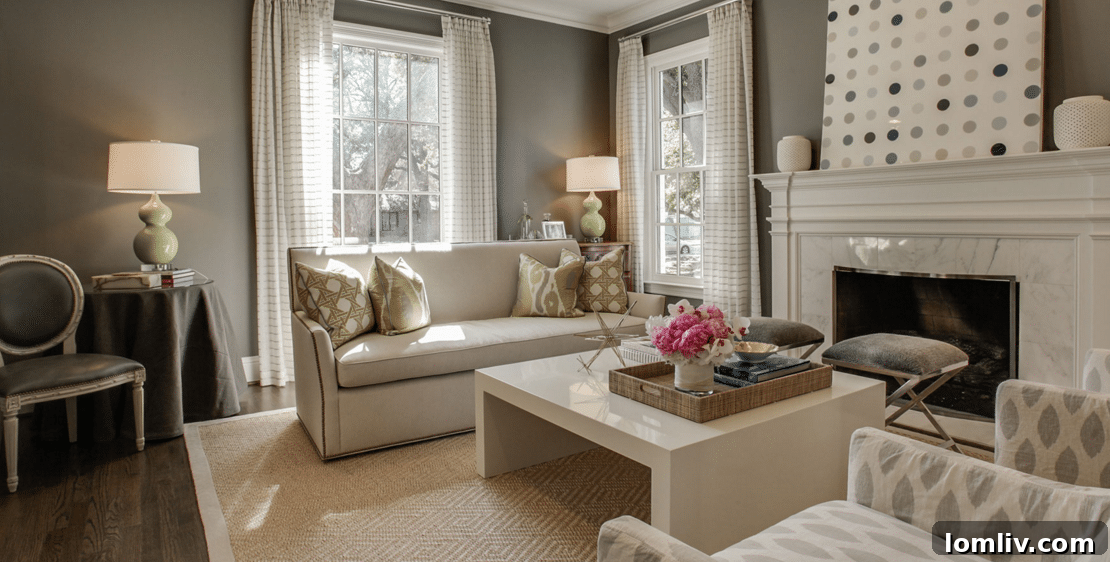
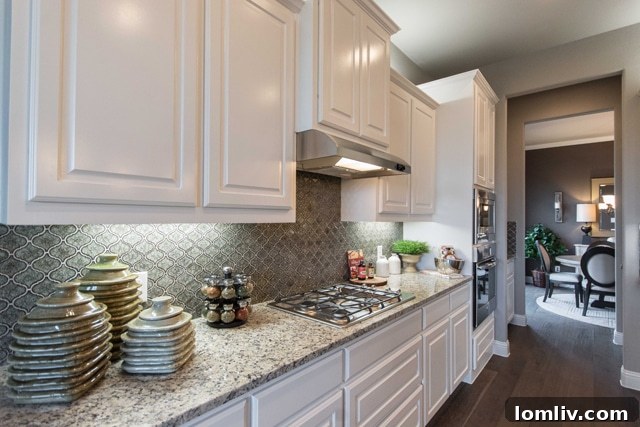
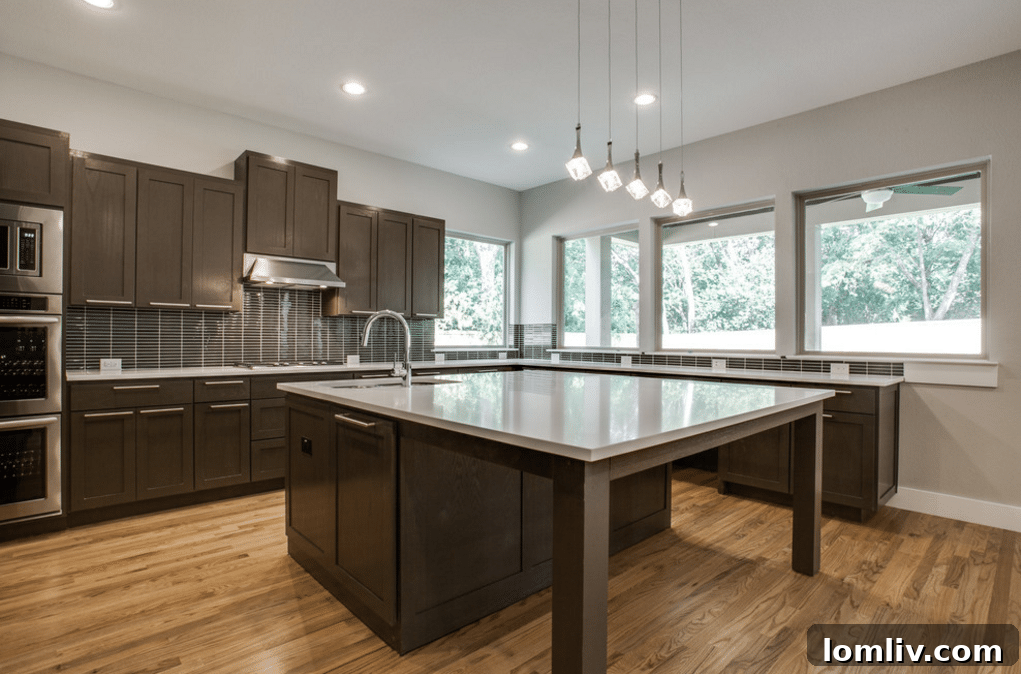
The term “transitional” can often be ambiguous in design discussions, but when our homebuilders refer to transitional interiors as a major trend for 2016, they pinpoint a distinct style: a seamless and harmonious fusion of traditional and more contemporary architecture, finishes, materials, furniture, and décor. This approach strikes a delicate balance, offering the best of both worlds.
Robert Elliott emphasizes the enduring appeal of this style: “Transitional design perfectly captures the current aesthetic preferences in the Dallas area, and it is poised to remain popular for a very long time. It provides a wonderful opportunity for individuals who have historically favored traditional styles to indulge in a bit of creative fun, allowing them to experiment with modern and contemporary finishes without fully abandoning their classic sensibilities. Life is meant to be enjoyable, and if you’re going to spend the majority of your life in your home, it should be an exciting and pleasurable experience, both in its construction and in daily living.”
Characteristically, transitional color palettes are predominantly light and neutral, creating a serene and timeless backdrop. Architectural lines are typically simple and clean, avoiding excessive ornamentation. This understated foundation is crucial for achieving the balancing act inherent in transitional style, which masterfully marries the comfort, richness, and inviting warmth of traditional design with the crisp, uncluttered aesthetic of contemporary style. The result is a home that feels tailored, fresh, sophisticated, and utterly livable, appealing to a broad range of tastes by offering both familiarity and a touch of modern flair.
10. Bathtubs in Center Stage: The Master Suite Spa Experience
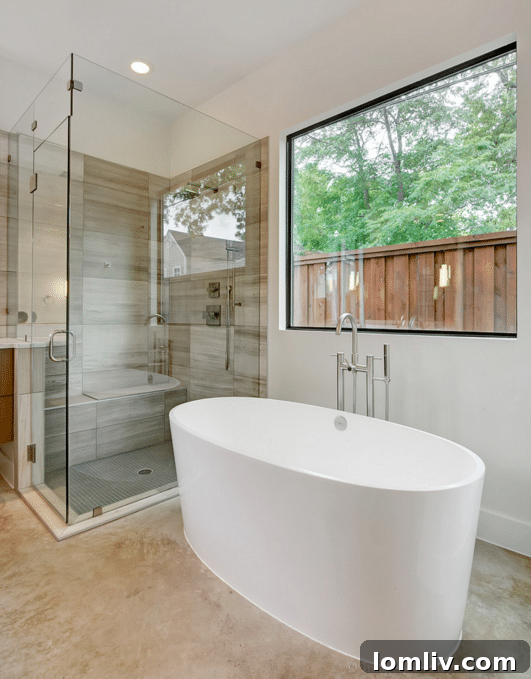
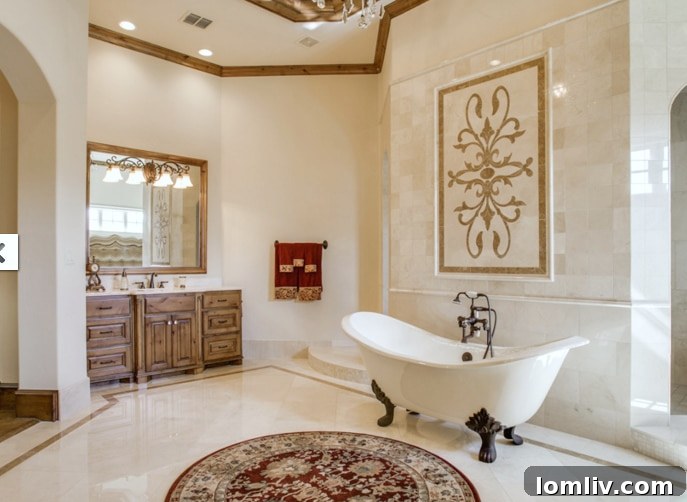
The final significant homebuilding trend identified for 2016 places the bathtub squarely in the spotlight as a primary design element within master suites. Our builders report a considerable surge in interest for elegant freestanding tubs, strategically positioned within the bathroom to create a maximum “wow” factor and cultivate a luxurious, spa-like ambiance. These tubs are no longer mere fixtures but become sculptural focal points, inviting relaxation and indulgence.
In homes embracing the “barnitecture” or transitional design styles, a classic clawfoot tub frequently appears on wish lists, offering a charming blend of vintage appeal and modern comfort. These iconic designs perfectly complement the desire for personalized, character-rich spaces. Whether sleek and contemporary or richly traditional, the placement and style of the bathtub are now integral to the overall design narrative of the master bathroom, transforming it into a private sanctuary.
Discerning homeowners are seeking out luxury brands renowned for their exquisite craftsmanship and superior materials in freestanding bathtubs. Popular choices include Victoria + Albert, celebrated for their beautifully sculpted volcanic limestone tubs; Kohler, offering a wide range of sophisticated designs; Venzi, known for modern aesthetics; Kardiel, providing contemporary and mid-century inspired options; and AKDY, offering innovative and stylish choices. These brands represent the pinnacle of design and comfort, ensuring the bathtub truly becomes the star of the master suite.
The trends for 2016 in Dallas-Fort Worth underscore a dynamic and evolving approach to homebuilding, prioritizing personalization, sustainability, technological integration, and a harmonious blend of classic comfort with modern aesthetics. From the rustic elegance of barnitecture to the sleek control of smart homes, these trends reflect a desire for residences that are not just functional, but deeply inspiring and perfectly attuned to contemporary lifestyles.
What are your top predictions for homebuilding trends in 2016? Share your thoughts and insights in the comments below!