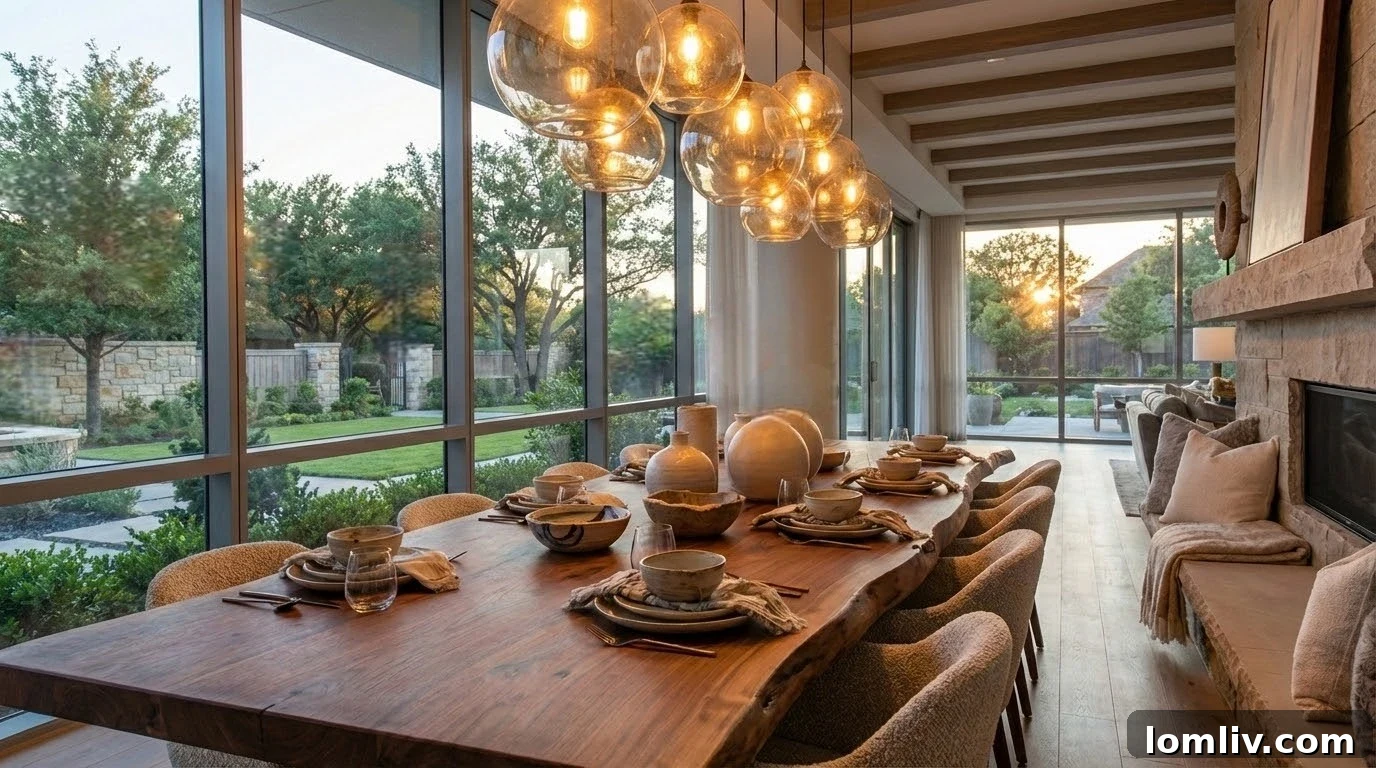
In the vibrant real estate landscape of Dallas, where open-concept living defines modern homes, the dining area transcends its traditional role. No longer merely a space for meals, it becomes the visual heart of your property, seamlessly connecting the entry, living room, and kitchen. For homeowners preparing to sell, or simply looking to elevate their living experience, strategically staging this central zone is paramount. An inviting, thoughtfully designed dining area can significantly impact a buyer’s first impression, transforming a house into a potential home where they can envision hosting cherished gatherings and creating lasting memories.
Understanding the critical importance of this space, especially in a competitive market like North Texas, is the first step toward unlocking its full potential. Recent data from the MetroTex Association of Realtors consistently highlights that Dallas homes featuring well-defined and appealing dining spaces often enjoy shorter times on the market. Buyers are not just looking for square footage; they are seeking lifestyles and homes that resonate with their aspirations for connection and hospitality. By implementing a few strategic design principles – anchoring the space with a substantial table, introducing a unique focal point, and employing professional staging techniques – you can swiftly prepare your dining area to captivate prospective buyers and leave an indelible mark.
1. Anchor Your Open-Concept Dining Room with the Perfect Table
In an open-concept home, the dining table is far more than just a piece of furniture; it is the fundamental anchor that grounds the entire space. This central element plays a pivotal role in defining the room’s proportions, establishing its overall design aesthetic, and signaling that the area has been meticulously curated with intention and purpose. Without a strong visual anchor, open dining spaces can often feel disjointed, appearing like an afterthought rather than a deliberate and inviting hub.
Lightweight, generic rectangular tables, especially those with slender tapered legs, frequently look undersized and out of place in highly visible, expansive open-plan layouts. To truly provide stability and visual weight to such a significant area, you need a dining table constructed from robust materials and boasting a distinct texture. This substance communicates quality and permanence, immediately elevating the perceived value and sophistication of the home.
For interiors that lean towards modern farmhouse, urban loft, or transitional styles – prevalent in many Dallas homes – sourcing industrial dining tables from reputable suppliers like Knox Deco offers an ideal solution. These pieces are specifically designed to serve as a powerful structural anchor. They commonly feature solid, reclaimed hardwood tops, often showcasing natural imperfections and rich grain patterns, paired with heavy-duty cast iron or steel bases. This combination provides the essential visual weight and inherent durability required to command attention and define an open space without being overwhelming. Such tables don’t just fill a room; they give it a sense of gravitas and history.
Some of the most impressive industrial designs even incorporate hand-forged crank mechanisms that allow for smooth adjustment of the table surface, transitioning effortlessly from standard seated heights to standing cocktail levels. The undeniable stability and artisanal quality of such a table immediately communicate craftsmanship and luxury. It serves as an unequivocal statement piece, not only fulfilling its functional purpose but also making the surrounding room feel visually secure, well-planned, and deeply inviting – a true testament to thoughtful design.
Sizing and Shape Guide for Optimal Layouts
Selecting the correct dimensions and shape for your dining table is crucial to ensure it effectively anchors the room without overwhelming it or hindering traffic flow. A well-proportioned table enhances both aesthetics and functionality.
- For 4 to 6 Seats: Tables ranging from 60 to 72 inches in length are ideal. This size maintains a proportionate presence within a mid-size dining area, providing ample space for diners without dominating the room. It allows for comfortable conversation and easy access to all guests.
- For 6 to 8 Seats: The sweet spot for most open-concept configurations falls within the 72 to 84-inch range. This length comfortably accommodates larger families or dinner parties, making it a versatile choice for those who frequently entertain. It offers sufficient surface area for dining and decorative elements without feeling cramped.
- Crucial Walkway Clearance: Always ensure you leave 36 to 48 inches of clear space on all sides of the dining table. This generous clearance is vital for guaranteeing safe and comfortable traffic flow around the table, allowing guests to pull out chairs, move freely, and access adjacent areas without obstruction. It also contributes significantly to the perceived spaciousness of the room.
- Shape Guidance for Visual Harmony: Rectangular dining tables are exceptionally effective at grounding open layouts. Their linear form reinforces sightlines and provides a clear definition within an expansive space. Conversely, round or oval tables are perfect for softening smaller square nooks or designated dining areas within an open plan, promoting intimacy and encouraging conversation with their circular flow.
To further layer texture and complete the anchoring effect, consider pairing your substantial dining table with upholstered bench seating or sturdy wooden chairs. This combination adds visual interest without introducing unnecessary clutter. Above the table, hanging warm, Edison-style pendant lighting, perfectly centered, not only provides essential illumination but also adds a lovely touch of intimacy and ambiance, especially after dark. This thoughtful layering creates a cohesive and inviting dining experience.
2. Introduce One Unexpected Focal Point That Truly Captivates
Every truly memorable and authentically curated space possesses at least one element that immediately sparks curiosity and leaves a lasting impression. This “wow” factor is key to making your dining area stand out, especially in a competitive real estate market. The most effective approach is to commit to a single, unexpected focal point, allowing all surrounding elements to recede visually and support this central piece, rather than competing with it. This strategy ensures the room feels dynamic and thoughtfully designed, not merely decorated.
When a dining area is already grounded by the robust textures of raw iron hardware and warm wood – common in industrial or rustic Dallas homes – introducing historical display pieces can create a strikingly powerful visual dynamic. Sourcing display-quality decor, such as authentic or reproduction medieval armor from specialty retailers like Medieval Collectibles, offers a unique avenue for achieving this. These pieces can include wall-mounted helms, ornate decorative shields, or even full standing suits of armor, each telling its own silent story.
These distinct and unusual elements serve to echo and amplify the oxidized iron and distressed textures that are naturally present in industrial or rustic design aesthetics. By carefully matching these aged finishes to existing metal tones within the room – perhaps the table base, lighting fixtures, or chair frames – the contrast appears completely intentional and harmonious. The result is a sophisticated and intriguing space that feels deeply personal and historic, without veering into the territory of a sterile museum exhibit. It’s about blending an antique sensibility with contemporary living, creating a dialogue between the past and present that buyers will remember.
Practical Placement Guidance for Maximum Impact
Strategic placement is crucial to maximize the visual impact of your chosen historical decor while ensuring it enhances, rather than obstructs, the functional flow of your dining space. Thoughtful positioning ensures your focal point truly shines.
- Effective Wall Mounting: Positioning a decorative shield or a distinctive helm above a sturdy sideboard or console table makes a bold and strong statement. To maintain its prominence, ensure the surrounding wall space remains clear and uncluttered, allowing the piece to breathe and command attention without visual competition.
- Corner and Entry Placement: A half or full suit of armor, gracefully positioned in a corner of the dining room or at a study entry adjacent to the dining area, naturally draws the eye. This placement allows the piece to command attention and convey a sense of grandeur without impeding foot traffic or making the room feel confined.
- Adhering to Scale Rules: For standard 9-foot ceilings, it’s generally advisable to keep vertical displays, such as a suit of armor or a large wall-mounted piece, under 6 feet in height. This guideline helps maintain proper room proportions, preventing the focal point from making the ceiling feel lower or the room feel top-heavy.
- Ensuring Finish Harmony: If your dining table bases or lighting fixtures feature dark iron or matte black finishes, selecting historical decor with oxidized, blackened, or aged steel finishes creates a cohesive and appealing tonal relationship. This intentional matching of metallic textures ties the room together, making the unique piece feel integrated rather than disparate.
- The Essential Role of Restraint: To ensure your focal point retains its commanding impact and prevents the space from feeling overwhelmed, limit complementary pieces to one or two items maximum. The goal is to highlight a single, exceptional piece, not to create a crowded gallery. Less is often more when it comes to creating truly memorable design moments.
3. Stage Your Dallas Dining Room Like a Seasoned Professional
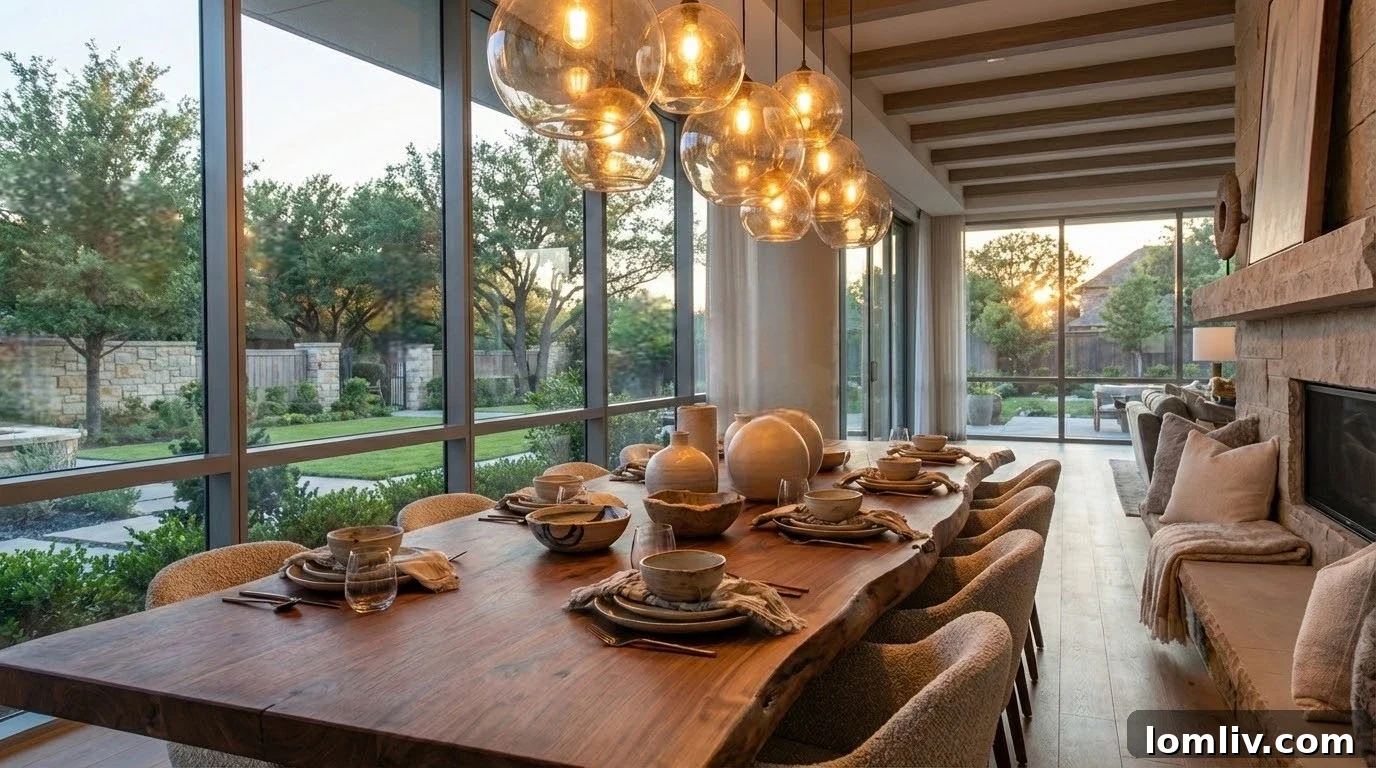
In competitive real estate markets like Dallas, properties move swiftly, and every detail matters. Among the many spaces buyers evaluate, dining rooms consistently rank as one of the primary decision-making areas. According to the National Association of Realtors (NAR), the living room (91%), primary bedroom (83%), and dining room (69%) are the most commonly staged rooms by home sellers and real estate agents. This statistic underscores the dining room’s crucial role in influencing buyer perception and overall property appeal.
The core objective of professional staging is not to embark on a complete redecoration of the home. Rather, it is a refined art of properly framing and highlighting the architectural elements, existing statement furniture, and intrinsic charm that are already working well within the space. Staging aims to present the home in its best light, allowing potential buyers to easily connect with the property and visualize their future life within its walls.
The impact of staging is undeniable. A staggering eighty-three percent of buyers’ agents reported that staging a home made it significantly easier for a buyer to visualize the property as their future residence. This crucial ability to project oneself into a home is often the tipping point in the buying decision. Beyond visualization, staging also offers tangible financial benefits. According to the National Association of Realtors, 29 percent of real estate agents indicated that staging sellers’ homes led to a notable 1 to 10 percent increase in the dollar value offered. These small, targeted changes make a monumental difference, allowing potential buyers to form a deep and immediate connection with the property, ultimately enhancing its market value and desirability.
Quick Staging Moves for Maximum Impact in Your Dining Area
These targeted adjustments are designed to dramatically improve how your dining area translates, particularly on camera for online listings, and during in-person showings, ensuring it leaves a powerful, positive impression.
- Embrace Neutral Table Linens: Swap out any bold patterns or overly vibrant colors for sophisticated white, cream, or warm linen runners. These neutral tones ground the space, provide a clean backdrop, and allow your statement dining table and any carefully chosen decor to truly stand out without visual competition.
- Opt for Minimal Centerpieces: Less is definitely more here. Choose a low wooden bowl filled with natural elements, a tasteful cluster of three candles at varying heights, or a single, elegant stem in a clean, understated vessel. This ensures that sightlines remain unobstructed in listing photos and during showings, promoting an open and airy feel.
- Ensure Consistent Metal and Wood Tones: Conduct a thorough audit of all metallic and wooden elements in the room. Verify that table bases, pendant hardware, chair frames, and decorative accents all pull from the same visual family. This consistency creates a harmonious and polished look that speaks to meticulous design and attention to detail.
- Thoroughly Clear the Floor: Remove any visible cords, extra chairs pushed haphazardly against walls, and rugs that interrupt the natural walkway flow. A clear floor immediately expands the perceived footprint of the room, making it feel more spacious, organized, and inviting.
- Warm Up the Lighting: Replace any cool-white or stark bulbs with warm equivalents, ideally in the 2700K to 3000K range. This ensures that photographs, particularly professional listing photos, read as inviting and cozy rather than clinical or cold, creating a welcoming ambiance.
- Leverage Your Focal Point Strategically: Position your unique decor element, whether it’s the medieval armor or another striking piece, so that it appears subtly in the background or as an intentional design element within primary listing photos. This adds depth, character, and a memorable detail that distinctly differentiates your property from others on the market.
Putting It All Together: A Masterclass in Open-Concept Dining Room Design
Crafting a standout open-concept dining space, especially in a discerning market like Dallas, is about more than just filling a room; it’s about intelligent design and strategic presentation. It begins with establishing a solid foundational anchor, progresses to introducing a single, unforgettable accent piece, and culminates with a handful of smart, professional staging touches. This comprehensive framework forms the blueprint for a space that not only functions beautifully but also deeply resonates with anyone who enters it.
The dining areas that genuinely capture attention and linger in the memories of guests or potential buyers are rarely the ones overloaded with an abundance of decor. Instead, they are the spaces meticulously put together with the highest level of intention, a keen eye for good style, and a clear understanding of purpose. It’s about creating an experience, not just a tableau.
Starting with a substantial, well-chosen dining table immediately sets the design tone for the entire open living area, conveying quality and thoughtful planning. Introducing an unconventional conversation piece, whether it’s historical armor or a unique piece of art, allows the space to show off real personality and provides a memorable talking point. Finally, applying professional staging techniques ensures that this entire setup photographs beautifully for online listings and stands up to the critical eye of any prospective buyer during in-person showings. In a design-savvy market, a thoughtfully designed and strategically staged dining area does far more than just host meals; it significantly improves the perceived value and overall appeal of the entire property, transforming it into a home that truly stands apart.