In a world rapidly evolving, certain individuals dedicate their lives to safeguarding the irreplaceable legacies of our past. These are the unsung heroes who ensure that our historic buildings and residences stand robustly for future generations to admire and inhabit. Among these remarkable preservation architects, Marcel Quimby, FAIA, shines as a beacon of passion and expertise. This article embarks on a compelling series spotlighting leading preservationists, beginning with the extraordinary journey of Marcel Quimby, a woman whose destiny in architecture and preservation was seemingly charted from her earliest years.
Marcel Quimby’s formative experiences were shaped by a childhood spent traversing continents, courtesy of her father’s career in the oil business. Living in places like Libya and England profoundly impacted her perspective, laying a robust foundation for her lifelong passion for architecture and, more specifically, the intricate art of preservation. These early international exposures cultivated a deep appreciation for diverse historical contexts and the enduring power of built heritage.

“I cherished the freedom we enjoyed,” Quimby reminisces. “I could cycle through the historic streets of London, immersing myself in the ancient areas of town, the venerable churches, and the rich tapestry of its history. By nature, I am incredibly curious; at just 12 years old, I was the one who knew where all the water cut-off valves were, always eager to explore every door. My desire was to truly understand how things worked, to peel back the layers and comprehend their inner mechanisms.” This intrinsic curiosity, coupled with an early exposure to centuries-old European architecture, undeniably fueled her future calling.
Pioneering Pathways in Architecture and Preservation
By the time her family settled in Lafayette, Louisiana, for high school, Marcel Quimby’s career aspirations were crystal clear: she was determined to become an architect, a conviction held despite never having personally met one. This unwavering resolve led her to the University of Louisiana at Lafayette, where she embarked on her architectural education with formidable dedication.
Marcel Quimby holds a distinguished place in history as the first woman to graduate from her program before subsequently becoming licensed. Her trailblazing achievement underscores the challenges and barriers women faced in the architecture profession at the time. After completing her studies, she moved to Dallas, Texas, where she immediately secured a position at the renowned architectural firm, HOK. This early career move proved pivotal, not just for her professional growth, but for her developing interest in a more inclusive work environment.
“I was particularly drawn to HOK because they already had another woman on staff,” Quimby explains. “I was growing weary of consistently being the first woman in every professional setting I encountered. HOK also boasted an interior design division predominantly staffed by women, which fostered a far more normalized and integrated atmosphere. This sense of belonging was crucial for me as I launched my career.” Her choice highlighted the often-overlooked importance of diverse and supportive workplaces for pioneering professionals.


Marcel Quimby dedicated 13 years of her career to HOK. While the firm was not primarily focused on preservation, she strategically sought out projects that incorporated preservation components, allowing her to hone her burgeoning expertise. During this period, her personal life also intertwined with her professional aspirations as she moved to the historic Winnetka Heights neighborhood in Dallas. This move further intensified her involvement in preservation efforts, leading her to delve deeply into the intricacies of landmark designations and the rigorous requirements for inclusion on The National Register of Historic Places. These experiences provided invaluable insights into the practical application of preservation principles within urban environments.
After gaining substantial experience at HOK and two other firms, Quimby made the bold decision to, as she aptly puts it, “walk off the cliff” and establish her own venture: Marcel Quimby Architecture and Preservation. This leap of faith was backed by years of diligent work and a growing reputation. By this time, she had cultivated an extensive network of professional connections and had become widely recognized as a “go-to gal” for any project involving historic preservation in the region. Her initial significant project under her own banner was the ambitious restoration of the Sears Complex on Lamar Street, a landmark that would solidify her firm’s standing.
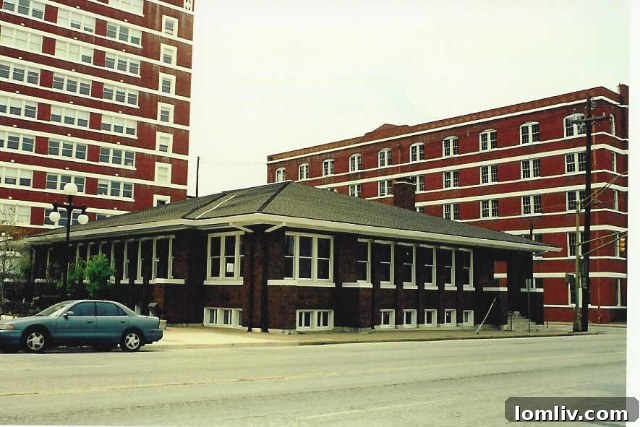
“It was a charming Prairie-style building that once served as a showroom for farm implements,” Quimby describes. “A tech company had leased the space and required an architect to complete the renovation. The original architects for this historic structure were the esteemed firm of Lang and Witchell.” This project was not merely a renovation; it was an adaptive reuse that breathed new life into an industrial relic, transforming it into a vibrant space while honoring its architectural heritage.
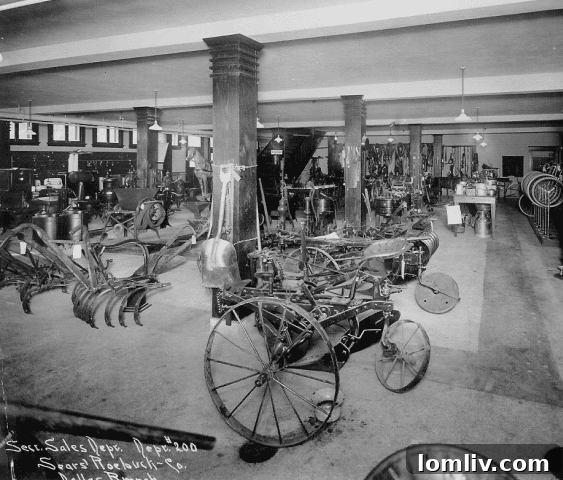
the lower level of 1401 South Lamar Street.
This landmark project marked the genesis of the transformative Southside on Lamar development. The successful preservation and adaptive reuse of the Sears Complex earned Marcel Quimby her very first Preservation Achievement Award from Preservation Dallas, a testament to her vision and meticulous work. This early recognition validated her decision to specialize in preservation and set the stage for many more accolades.
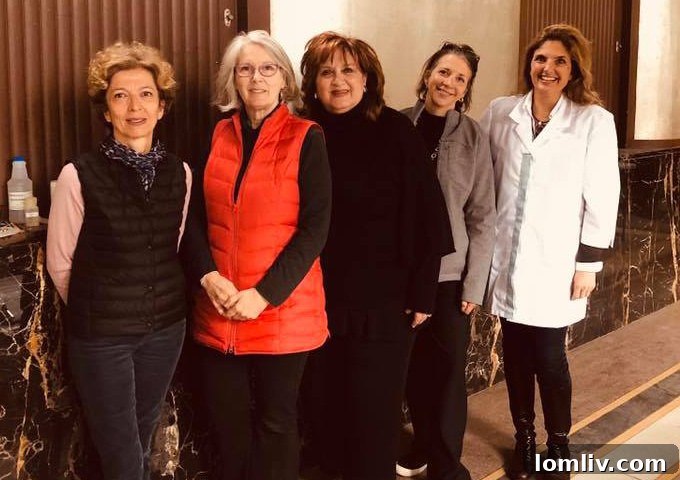
The Grand Restoration of The Hall of State at Fair Park
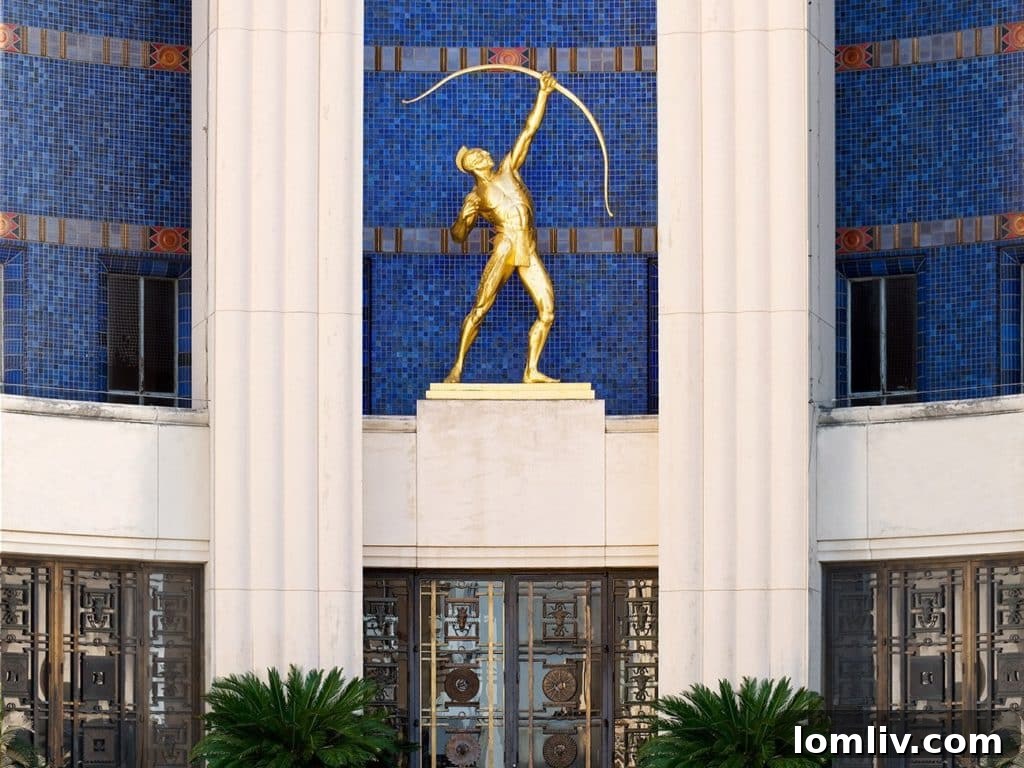
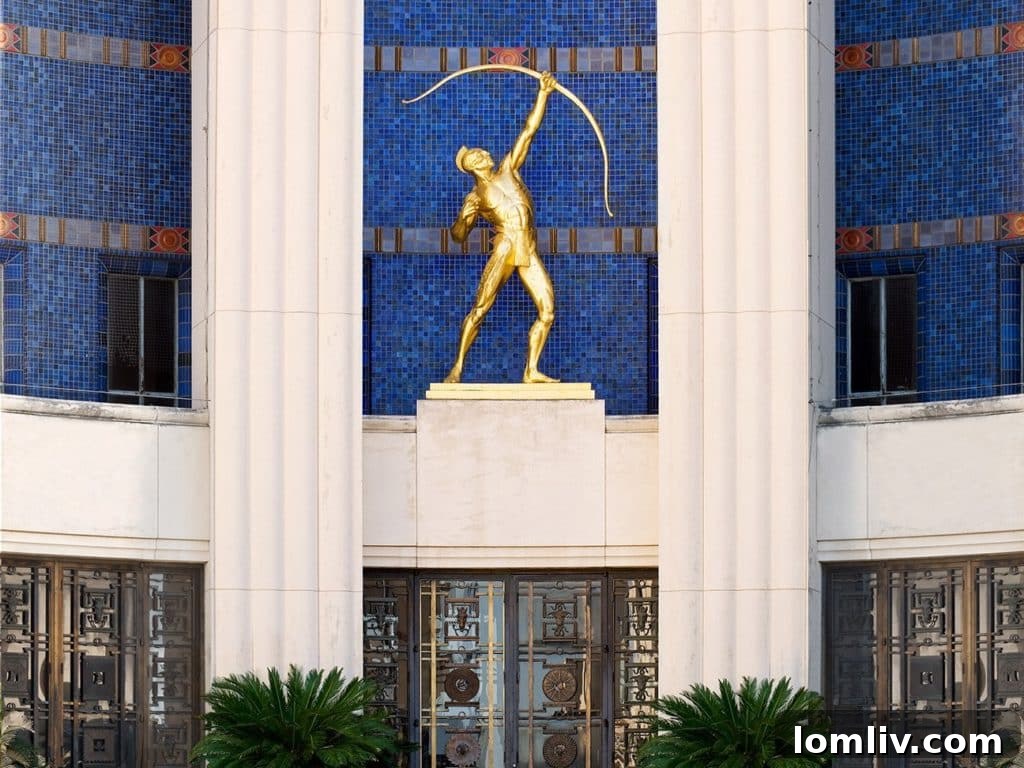
In 2007, Quimby embarked on a significant collaborative journey, teaming up with Nancy McCoy for a decade under the firm Quimby McCoy. Following this, she joined Gensler, one of the world’s leading architectural firms. It was during her tenure at Quimby McCoy that she initiated what would become one of her most iconic and challenging projects: the comprehensive restoration of The Hall of State at Fair Park, a true jewel of Dallas architecture.
Her work on The Hall of State continued seamlessly when she transitioned to Gensler, where she admirably led the entire preservation endeavor as the designated Historic Preservation Specialist. This role underscored her unparalleled expertise and the profound trust placed in her to meticulously restore a building of such immense historical and cultural significance to Texas.
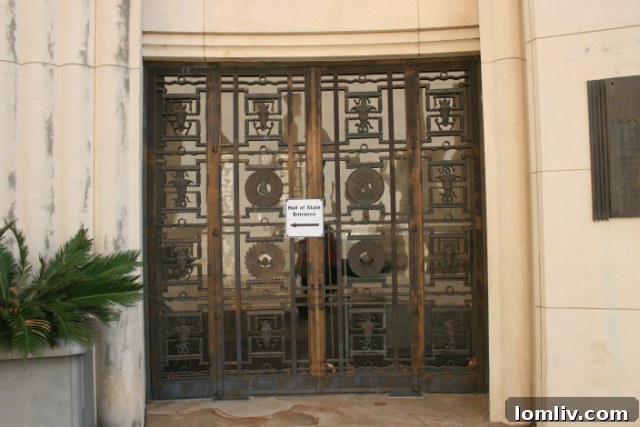

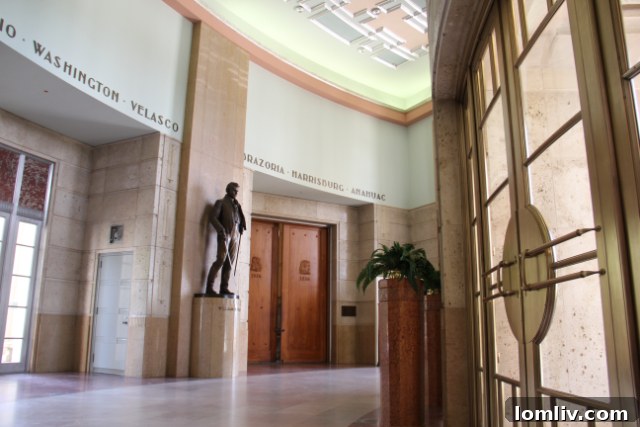
“It was an absolute privilege to work on that project,” Quimby states with evident pride. “The Hall of State stands as one of my all-time favorite buildings, a true masterpiece of its era. While we undertook significant restoration efforts in areas like the Hall of Heroes and the auditorium, our primary focus was on upgrading the critical mechanical systems. Addressing the major, often unseen, components is paramount. If you neglect the fundamental infrastructure – imagine the catastrophic consequences if aging wiring isn’t replaced – the entire building could face devastating damage, or even burn down. Preservation extends far beyond surface aesthetics; it’s about securing the very lifeblood of a structure for centuries to come.” This emphasis on infrastructure highlights a key philosophy in comprehensive preservation.
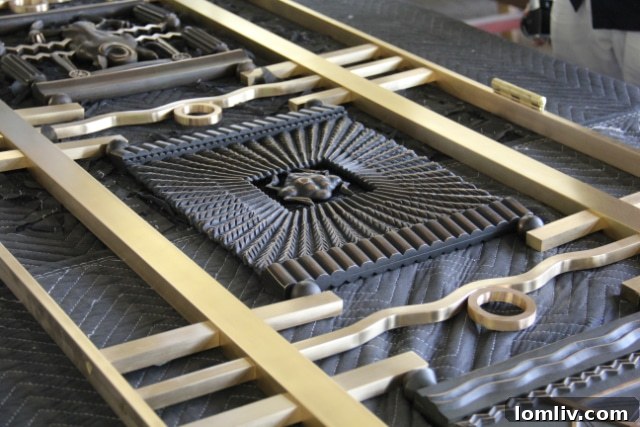
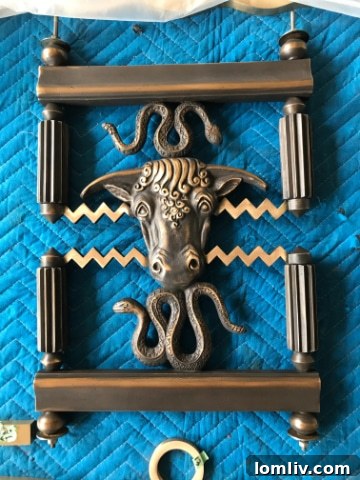
“Many of the interior finishes had significantly deteriorated over the decades,” Quimby elaborates. “The magnificent bronze elements, originally bright and gleaming, had dulled considerably, and no one living remembered their pristine appearance from 1936. Our mission was to meticulously resurrect that original grandeur. The building now boasts a vibrancy and richness of color far exceeding its recent past; the last time it looked this splendid was likely sometime in the 1940s.” The team’s approach was rigorously scientific and historically informed. “We collaborated with a conservatory team, undertaking months of intensive research. This investigative process – understanding the original finishes, deciphering why specific materials were chosen, and interpreting their historical context – is something I deeply cherish. It’s akin to architectural detective work, revealing the true narrative of the building.”
Almost immediately after the exhaustive restoration work was completed, the infamous Texas power grid failure struck, causing damage to the Hall of State’s sprinkler system. However, demonstrating the resilience and meticulous planning inherent in such projects, the good news is that The Hall of State will be fully repaired and ready to once again welcome visitors by the time The State Fair of Texas joyfully opens its gates, a testament to the dedication of Quimby and her team.
Celebrating Diverse Triumphs in Historic Preservation
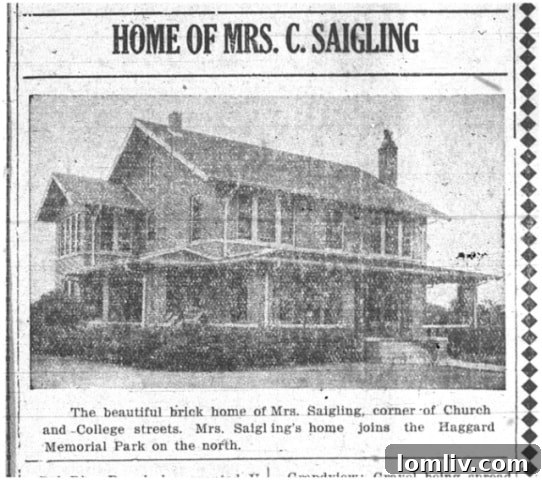
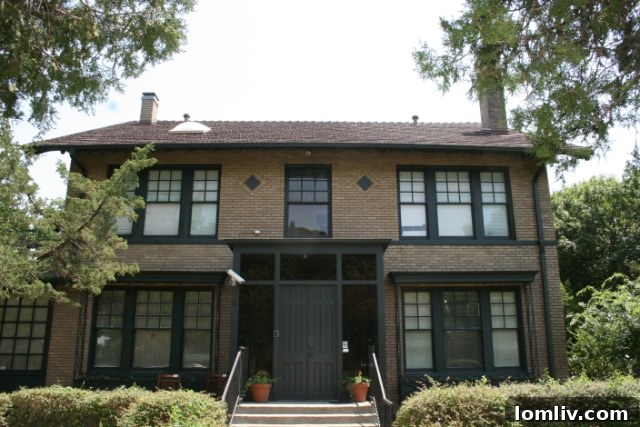
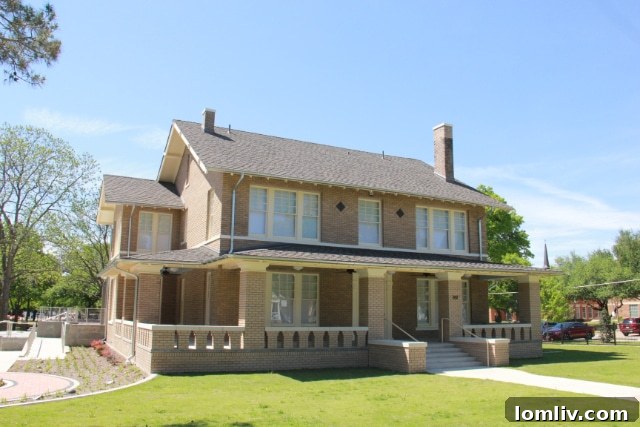
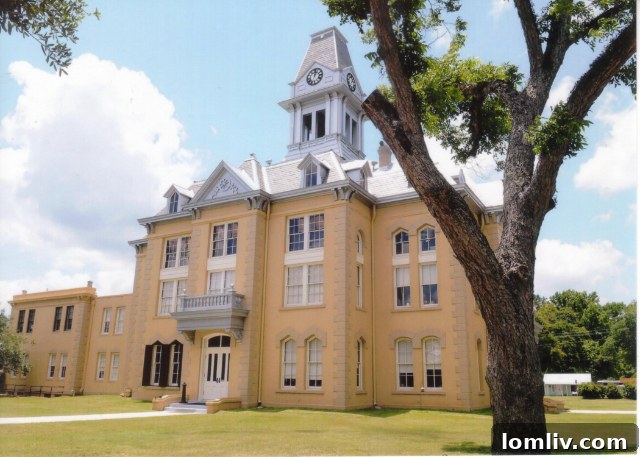
While the original Sears building project at Southside on Lamar remains a cherished endeavor for Marcel Quimby, her impressive portfolio boasts numerous other triumphs that rank among her top ten favorite projects. These include the rustic Sharrock farmstead, the vibrant Kessler Theater, the elegant Saigling House nestled within Plano’s Haggard Park, and the resilient Newton County Courthouse.
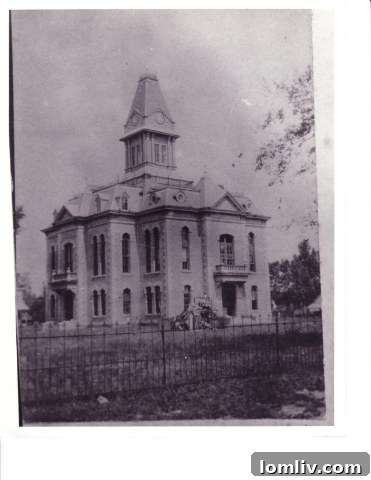
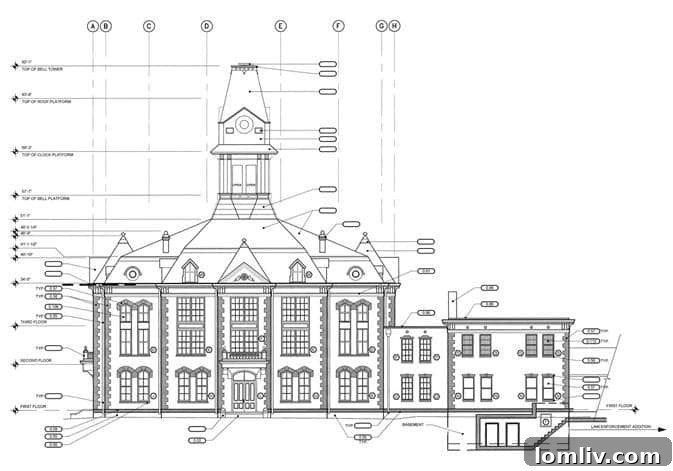
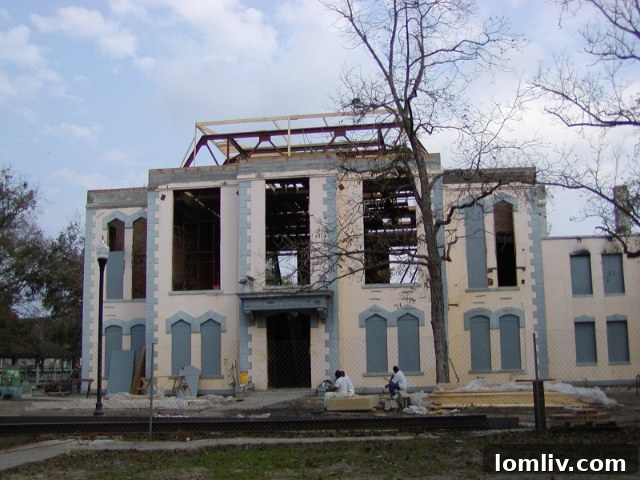
The 1903 Newton County Courthouse stands out as one of Quimby’s initial large-scale and profoundly impactful projects. This historic edifice suffered an devastating electrical fire that nearly consumed it entirely. Miraculously, the county judge intervened, halting the bulldozers that were poised for demolition. It was a roofing firm working on the damaged structure that suggested Marcel Quimby’s unique expertise for the monumental task of restoration, recognizing her specialized skill in breathing life back into severely damaged historic buildings.
“The process was incredibly fascinating and challenging,” Quimby recalls. “We meticulously sifted through mounds of burnt debris, engaging in what we term ‘building forensics,’ to identify any salvageable fragments that could guide us in creating authentic replicas. We would uncover a small piece of original baseboard or a section of a handrail, and these minute clues were invaluable in reconstructing the building’s authentic interior.” This intricate detective work, combining historical research with material analysis, is a hallmark of truly dedicated preservation.
Despite the immense difficulties, the project was ultimately immensely rewarding. The hard work and dedication paid off, and the Newton County Courthouse now stands as a gorgeous testament to preservation, once again serving its community with renewed splendor and a rich sense of history.
Navigating the Complexities: Property Rights Versus Preservation
The field of historic preservation is inherently fraught with challenges, and Marcel Quimby, through her extensive career, has certainly encountered her fair share. These challenges often pit deeply held convictions against each other, requiring diplomacy, education, and innovative solutions to bridge divides.
“We are incredibly fortunate to reside in communities rich with historic areas, encompassing both residential neighborhoods and vibrant commercial districts,” Quimby observes. “However, our activism in preservation must extend beyond mere designation. We must actively consider and implement strategies to help property owners sustain and occupy these buildings. That crucial piece—making it economically viable and appealing for owners to preserve and maintain their historic properties—is often overlooked. A building, historic or otherwise, ultimately needs to be self-sustaining. These irreplaceable historic structures are precisely what bestow our cities and neighborhoods with their unique, distinctive character and soul.”
Yet, Quimby and her dedicated peers frequently confront individuals whose visions for development are fundamentally at odds with preservation goals. These individuals often harbor different objectives, driven by economic pressures or a simple lack of awareness. This divergence often stems from a significant lack of education and, consequently, a diminished appreciation for the profound value embedded within historic structures. Without understanding their cultural, architectural, and economic significance, historic buildings can be seen as liabilities rather than assets.
“We constantly grapple with the inherent tension between individual property rights and the collective benefit of preservation, and a significant portion of what we witness is indeed driven by deeply held property rights,” Quimby explains. “People often approach us expressing profound affection for their historic homes, yet they hesitate to take the vital additional step of seeking landmark designation. This reluctance often stems from fears that designation might restrict future modifications or impede potential demolition, thereby preventing the property from being lost forever to redevelopment.”
“I believe there are several interconnected issues at play,” Quimby continues thoughtfully. “Many people are simply undereducated regarding the immense value that preservation brings, not only to individual properties but to entire communities. They may be receiving inaccurate information, or perhaps, they are simply not yet sufficiently interested in the long-term benefits of protecting our shared heritage.” Addressing this educational gap, providing clear information on benefits like tax incentives, increased property values, and enhanced community identity, remains a critical aspect of advocacy for preservationists.
Despite these persistent challenges, Marcel Quimby’s dedication remains unshaken. With over 40 years of profound experience in the business, she remains knee-deep in active projects, with the concept of retirement entirely absent from her vocabulary. Her enduring passion fuels her commitment to each new endeavor.
“The most rewarding aspect of my profession is that every single project is unique and special, offering a continuous opportunity for learning something new,” Quimby enthuses. “It’s a career that is inherently fun, deeply rewarding, incredibly intriguing, and perpetually stimulating. You have the distinct privilege of making truly good things happen for generations to come. Just consider the tangible results: The Hall of State now looks more magnificent than it has in over 80 years. The Saigling House stands beautifully revitalized. The Newton County Courthouse has been granted a vibrant new lease on life. To have the opportunity to meaningfully improve a neighborhood or an entire community through the power of preservation – it genuinely doesn’t get much better than that!” Her work is not just about buildings; it’s about enriching lives and solidifying the cultural bedrock of society.
To learn more about Marcel Quimby’s invaluable contributions to historic preservation, you can connect with her directly here.