Beyond blueprints and budgets, the journey to your dream home often begins with a fundamental question: how much personal involvement, creative freedom, and structural elegance do you envision for your living space? For many, the allure of a timber frame home is undeniable. With their soaring ceilings, exposed wooden beams, and a timeless aesthetic that feels both ancient and modern, timber frame structures resonate deeply with those seeking warmth, strength, and character in their dwelling.
You’ve likely admired timber frame home kits in architectural magazines or online galleries, captivated by their inherent beauty. The distinctive way massive timbers interlock, creating robust and visually stunning skeletal frameworks, speaks to a heritage of craftsmanship. But when the time comes to transform this admiration into a tangible project, a crucial decision point emerges: Do you opt for the efficiency and predictability of a pre-designed timber frame kit, or do you embark on a bespoke journey, meticulously crafting every detail with an architect from the ground up?
This isn’t merely a stylistic preference; it’s a profound choice that impacts every facet of your home-building experience. It touches upon financial investment, project timeline, your desired level of involvement, and ultimately, how much of your unique personality you wish to imbue into the finished residence. This comprehensive article delves into the distinct advantages and considerations of each option. By exploring the nuances of timber frame kits versus custom builds, you’ll gain a clearer understanding of which path best aligns with your vision, practical needs, and lifestyle aspirations.
The Resurgence and Appeal of Timber Frame Kits
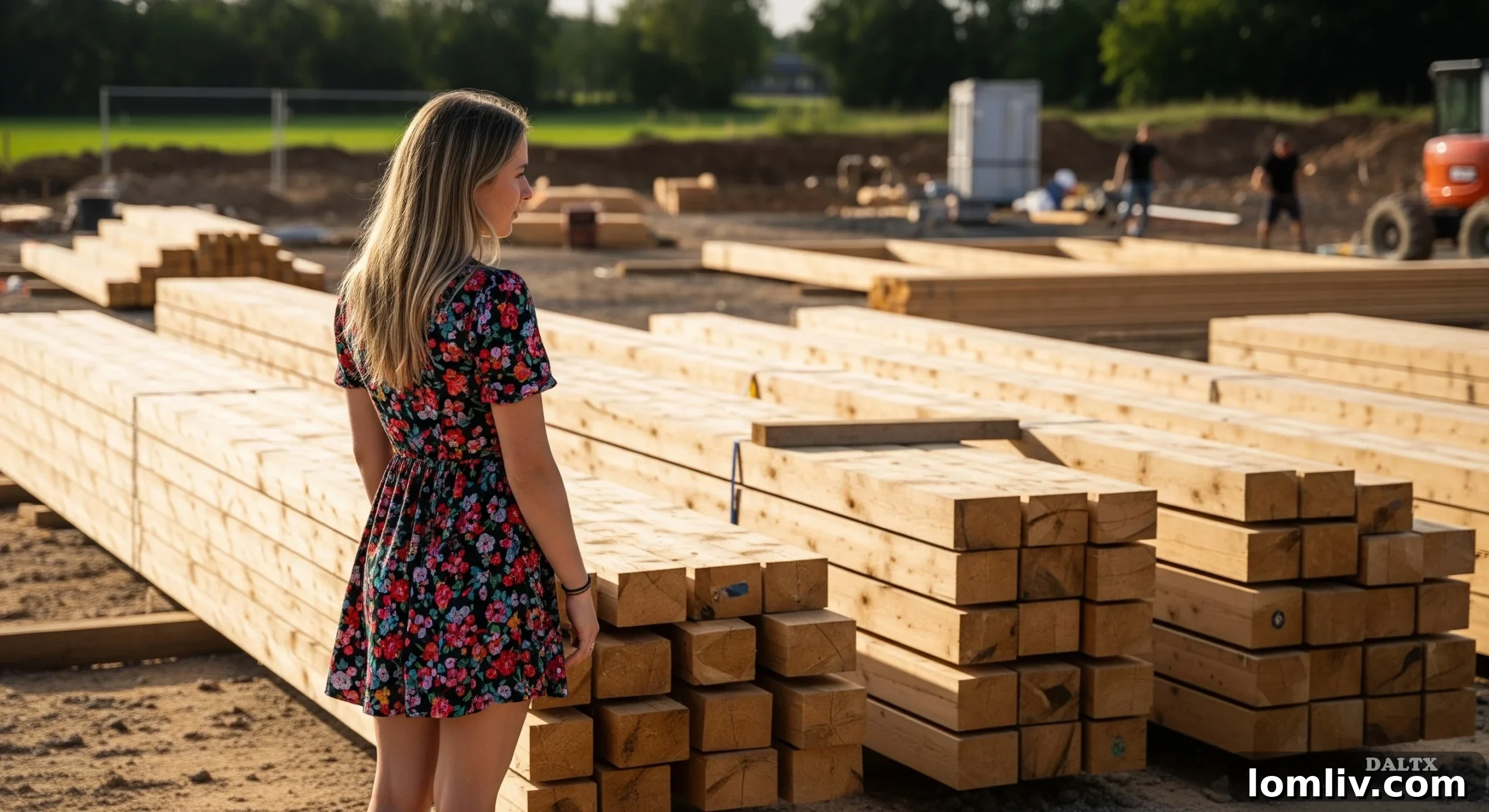
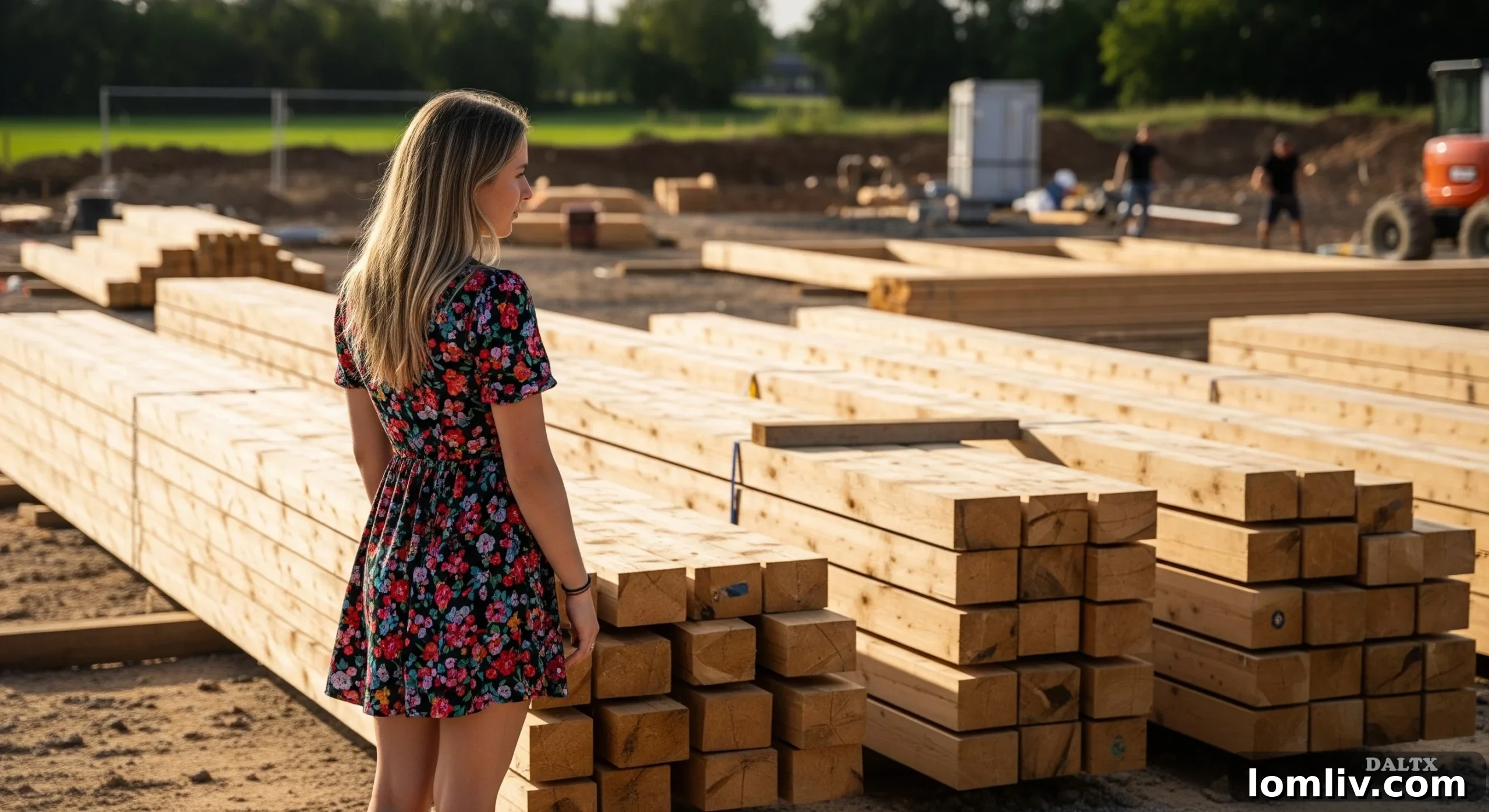
A timber frame kit provides a comprehensive package of essential structural components, typically including precisely pre-cut beams, posts, and joinery, along with detailed assembly instructions. Since all major structural elements are engineered, cut, and prepared off-site, the construction process on-location becomes significantly faster, cleaner, and less prone to errors. This streamlined approach offers considerable advantages for both professional contractors and aspiring homeowners, mitigating much of the stress associated with traditional building methods.
The versatility of these kits extends beyond entirely new constructions. An increasing number of homeowners are integrating timber frame elements into existing structures. Incorporating exposed ceiling beams, intricate roof details, or distinctive gable accents can dramatically transform the ambiance and aesthetic of a space without necessitating a complete demolition. This adaptability highlights the enduring appeal and broad application of timber frame aesthetics.
The growing popularity is reflected in market trends. Recent industry reports indicate a robust and steady expansion within the timber frame home market. Valued at approximately $562 million this year, projections suggest a remarkable climb to an estimated $1.12 billion by 2034. This significant growth underscores a widespread and increasing appreciation for the distinctive look, tactile feel, and inherent practicality of timber frame construction. What specific factors are fueling this surging demand? Let’s delve into the compelling reasons why many homeowners are choosing the efficiency and quality of pre-cut timber frame kits.
Precision Engineering Meets Timeless Craftsmanship
Unlike some building approaches that promise convenience but deliver a generic outcome, timber frame kits offer a unique blend of efficiency and authenticity. While the components are pre-cut and meticulously planned, stepping into a finished timber frame structure built from a kit evokes a profound sense of quality and human artistry. The visible grain of the wood, the elegant precision of the joinery, and the way natural light interacts with the robust framework all serve as powerful reminders of genuine craftsmanship.
The beauty of a kit lies in its ability to preserve traditional timber framing techniques without the on-site complexities. You don’t sacrifice the inherent artistry; you simply bypass the challenges of on-site measurement, cutting, and error correction. Compared to fully custom builds, kits significantly reduce the time-consuming back-and-forth between designers and builders, minimizing guesswork, material waste, and potential construction headaches. The result is a structure that feels warm, intentional, and handcrafted, all while benefiting from modern engineering and streamlined processes.
Accelerated Timelines and Enhanced Predictability
One of the most compelling advantages of timber frame kits is the dramatic reduction in construction time. Since the intricate fabrication and joinery work for the frame occur in a controlled workshop environment, on-site assembly can commence almost immediately once foundational work and permits are secured. This prefabrication shaves weeks, if not months, off the overall project timeline, a critical benefit, especially in regions susceptible to adverse weather conditions.
Consider areas like North Texas, where severe spring and summer storms are a common occurrence. Lingering thunderstorms and flooding, as witnessed recently in May and July, can bring traditional outdoor construction to a standstill. Any building method that minimizes reliance on fair weather for major structural work offers significant relief from potential delays and associated costs. Timber frame kits provide this invaluable advantage, ensuring your project stays on schedule and within budget, even when Mother Nature is uncooperative.
Financial Clarity and Budgetary Assurance
The inherent pre-design of timber frame kits brings unparalleled transparency to the financial aspects of your project. You largely circumvent the expenses associated with iterative custom architectural drafts, extensive engineering consultations, and last-minute design revisions. This predictability makes the budgeting process significantly simpler and empowers homeowners to adhere more closely to their financial plan.
Many reputable kit providers offer either a fixed price or a very closely estimated cost for their structural packages. This clarity extends to builders, who have a precise understanding of the materials they will receive, eliminating much of the uncertainty that can plague custom projects. Consequently, the likelihood of encountering unexpected material costs or labor overruns is substantially reduced, offering greater peace of mind throughout the construction journey.
Sustainable Building Practices
In an era increasingly focused on environmental responsibility, timber frame construction stands out as a remarkably sustainable choice. Wood is a renewable resource, especially when sourced from sustainably managed forests. Timber frame kits often utilize advanced cutting techniques that minimize waste, and any off-cuts can often be recycled or repurposed. This contrasts sharply with resource-intensive materials like concrete and steel, which have higher embodied energy and a larger carbon footprint. Choosing a timber frame kit not only creates a beautiful home but also contributes to a healthier planet by locking carbon in the structure for its lifespan.
The Unmatched Freedom of Custom Timber Frame Design
Over recent years, timber frame construction has indeed gained considerable momentum, demonstrating remarkable resilience even amidst fluctuating interest rates and evolving economic landscapes. Industry professionals have witnessed this shift firsthand: a growing number of architects are favoring timber frames over traditional concrete or brick structures, developers are increasingly embracing the aesthetic and efficiency of exposed wood, and homeowners are actively seeking residences that transcend mere functionality to truly embody their unique lifestyles.
It is precisely at this intersection of personal vision and architectural possibility that custom timber frame builds truly shine. For individuals who possess a highly specific vision or unique functional requirements that cannot be contained within a predefined template, the custom route offers unparalleled freedom and meticulous personalization. This approach allows for a home that is not just built, but truly sculpted to fit every desire.
Here’s why, despite the efficiencies of kits, many discerning individuals continue to choose the bespoke journey of a custom timber frame home:
When Your Architectural Vision Cannot Be Compromised
Some dreams are simply too grand or too intricate to conform to pre-existing designs. A custom timber frame home allows for truly unique architectural expressions. Imagine sprawling layouts that seamlessly integrate with the natural contours of a challenging hillside, or grand interior spaces defined by dramatic, custom-carved timber arches that become the heart of the home. If your concept relies on precise, one-of-a-kind details, specialized timber species, or unique structural elements tailored to an exact aesthetic, a custom build is the only way to fully realize that uncompromised design. It’s about building a piece of art that you can live in.
Harmonizing with the Unique Qualities of the Land
Building sites rarely present a perfect, flat canvas. Perhaps your chosen lot features a significant incline, boasts breathtaking panoramic views from specific angles, or, as is increasingly common, sits within a designated flood zone. In such scenarios, construction transcends mere assembly; it becomes a thoughtful dialogue with the inherent characteristics of the land. This involves strategic placement of windows to maximize natural light and views, a foundation meticulously shaped to navigate challenging topography, and a timber frame designed to interact symbiotically with its surrounding environment.
While kits offer some flexibility, they often struggle with these highly site-specific demands. Custom architectural plans, conversely, are born from an intimate understanding of the land, allowing for creative solutions that not only overcome environmental challenges but also transform them into unique design opportunities. This ensures the home is not just built *on* the land, but truly *of* the land.
A Deep Personal Connection to the Building Process
Opting for a custom timber frame home means immersing yourself deeply in every phase of its creation. This collaborative journey involves close partnerships with experienced architects, structural engineers, and skilled builders. You will be actively engaged in numerous decision-making processes, from refining floor plans to selecting specific timber finishes, and from overseeing construction milestones to revising details as the vision evolves. The timeline for a custom build typically unfolds at a more deliberate pace, allowing for careful consideration and meticulous execution.
This level of intensive involvement is not for everyone. However, for those who aspire to create a residence that is a profound extension of their identity, a custom approach offers an unparalleled degree of connection and personal investment that pre-designed kits, by their very nature, cannot replicate. It’s about witnessing your dream materialize step-by-step, knowing that every detail reflects your choices and aspirations.
Navigating Your Decision: Which Path to Your Timber Frame Home is Right for You?
Choosing between a timber frame kit and a custom build transcends simple aesthetics; it’s a profound decision that shapes not only the appearance of your future home but also the entire journey of its creation. It’s about envisioning how you want the building process to unfold and, most importantly, the sense of arrival and belonging you’ll experience when you finally step into your completed residence.
Perhaps you gravitate towards a project with inherent clarity and a well-defined structure—a blueprint already meticulously laid out. There’s undeniable comfort and efficiency in that. The process is streamlined, and the timeline is typically expedited. You’ll have a clear understanding of expectations, fewer complex decisions to navigate, and fewer potential delays. If this promise of predictability and speed resonates with you, a timber frame kit might be the ideal fit, offering a beautiful home with less on-site complication.
Conversely, you might have always harbored a unique vision: a home precisely shaped around your personal flow through space, or one designed to capture the specific quality of afternoon light in your living room. Such a distinctive residence demands a more considered approach, a slower, more iterative process. It calls for greater personal investment and a willingness to engage deeply with every detail. While it asks more of you in terms of time and involvement, the reward is a home that gives back immeasurably in personal relevance and unique character.
Financial considerations are, of course, central to this decision. Timber frame kits often provide a more definitive cost estimate early in the process. The structural components are largely fixed, simplifying budgeting and mitigating unforeseen expenses. Custom builds, however, offer a broader financial spectrum. Costs will fluctuate based on the complexity of your design, the number of revisions, the exclusivity of materials, and the extent to which you push the boundaries of architectural detail. The more unique and elaborate your vision, the higher the potential investment.
Furthermore, the nature of your building site is a critical determinant. If your property features a steep incline, challenging soil conditions, or is situated near a significant body of water, a standard kit might prove unsuitable. The timber frame must be engineered to flawlessly integrate with its environment, not the other way around. Custom designs excel in these scenarios, allowing architects and engineers to develop bespoke solutions that turn site-specific challenges into architectural triumphs.
As you weigh these options, consider these forward-looking questions:
- Will the design you choose continue to serve your evolving needs and lifestyle a decade from now?
- Will the home be easy and cost-effective to maintain, ensuring its longevity and value?
- Will it still evoke that profound sense of “rightness” and personal comfort over the years?
It’s also worth noting that the choice doesn’t have to be strictly binary. Many individuals successfully opt for a hybrid approach—a blend of structural stability and personal expression. This might involve starting with a kit’s core frame and then customizing interior layouts, finishes, or specific architectural features. This fusion offers the best of both worlds: a degree of efficiency and speed combined with opportunities for unique personalization.
Ultimately, your decision is about more than just construction methods; it’s about crafting an identity. It’s about creating a home that not only shelters your life but also deeply reflects it—a sanctuary for the quiet moments, a vibrant hub for busy days, and a steadfast presence through all the seasons in between.