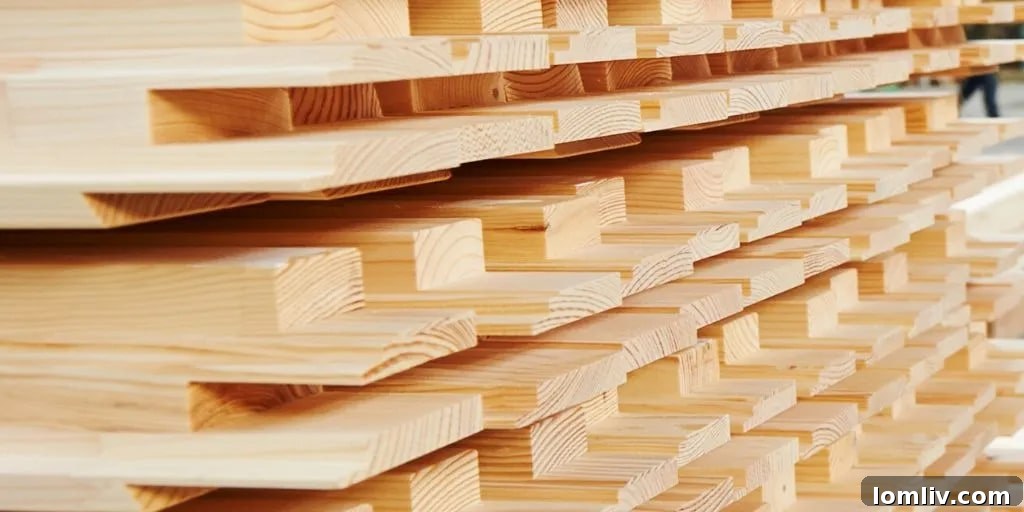
In the wake of unprecedented global challenges stemming from the COVID-19 pandemic, few could have anticipated that one of its most persistent and impactful economic ripple effects would manifest in the skyrocketing price of lumber. What began as a health crisis quickly transformed into a complex web of supply chain disruptions, labor shortages, and unprecedented shifts in consumer demand, ultimately pushing the cost of essential building materials to historic highs. This dramatic surge has not only presented significant hurdles for the construction industry but has also directly contributed to the escalating prices of new homes, impacting homebuyers across the nation and particularly in booming markets like Texas.
The conversation around the soaring cost of materials, especially timber and wood products, has become a daily staple, reflecting widespread concern about project delays and the overall affordability crisis in housing. While this issue resonates profoundly in rapidly growing regions like the Dallas-Fort Worth metroplex, its roots and consequences are truly national, demanding a closer look at the forces that converged to create this unique market dynamic. Understanding the trajectory of lumber prices requires an exploration of the initial economic responses to the pandemic, the subsequent demand explosion, and the enduring challenges faced by the supply chain.
The Unforeseen Boom: When a Slump Never Materialized
At the onset of the COVID-19 pandemic, as economies worldwide grappled with severe lockdowns and immense uncertainty, a prevalent sentiment among businesses was one of impending recession. Companies across various sectors, including the lumber industry, braced for a significant economic downturn. This widespread expectation led many to adopt cautious, even conservative, strategies, drastically cutting back on material purchases and inventory. The prevailing wisdom was that a prolonged slump would eventually be followed by a gradual, measured return to pre-pandemic economic activity. However, reality unfolded in an entirely unexpected manner, setting the stage for the current crisis.
The initial response to the pandemic saw numerous sawmills globally either reduce operations or come to a complete halt, largely due to health protocols, labor shortages, and a projected drop in demand. Logging crews faced similar challenges, hindering their ability to harvest timber. Concurrently, many home renovation projects and new construction initiatives were temporarily paused or scaled back, further reinforcing the belief that demand for wood products would remain subdued. This collective slowdown in production and inventory management was based on a flawed premise, as consumer behavior and market dynamics were about to pivot dramatically.
As virus-related restrictions began to ease and economies cautiously reopened, an unforeseen surge in demand for housing and home improvement projects swept across the globe. Driven by historically low interest rates, a newfound emphasis on living spaces due to remote work, and a significant migration of buyers to more affordable or desirable states like Texas, the housing market experienced an unprecedented boom. Construction companies, eager to recover lost ground and capitalize on the robust demand, quickly ramped up their operations. However, they were met with a stark reality: depleted stockpiles of lumber and a supply chain ill-equipped to meet the sudden, explosive demand.
The expected slump in demand never fully materialized; instead, a V-shaped recovery in housing demand collided head-on with a critically constrained supply chain. This imbalance created a perfect storm, transforming what could have been a gradual economic recovery into an intense period of scarcity and soaring prices, culminating in the crisis we observe today. The industry’s cautious response to an anticipated downturn inadvertently fueled an unprecedented price surge when demand unexpectedly exploded, leaving builders and homebuyers grappling with the consequences.
Lumber Prices and the New Construction Conundrum
The soaring cost of lumber has cast a long shadow over the new construction sector, exacerbating an already critical housing shortage in many parts of the country, most notably in high-growth metropolitan areas like Dallas-Fort Worth. This isn’t merely a scarcity of existing homes for sale; it’s a profound challenge in bringing new housing units to market, directly impacting affordability and accessibility for countless families.
Addressing the lumber supply deficit is far more complex than simply “flipping a switch” to increase production. The lumber industry operates within a delicate ecosystem influenced by numerous factors. Firstly, the natural growth cycle of trees dictates a long lead time, meaning increased demand cannot be met with immediate raw material output. Furthermore, environmental regulations play a crucial role, limiting harvesting in certain areas and often requiring extensive permitting processes. Politically, shifts towards environmentally conscious policies can introduce further restrictions on logging practices. Additionally, trade policies, such as the tariffs imposed on Canadian softwood lumber by the Trump administration, have historically added to the cost of imported timber, further tightening domestic supply and driving prices upward. These interconnected factors create a rigid supply environment that struggles to respond quickly to sudden shifts in market demand.
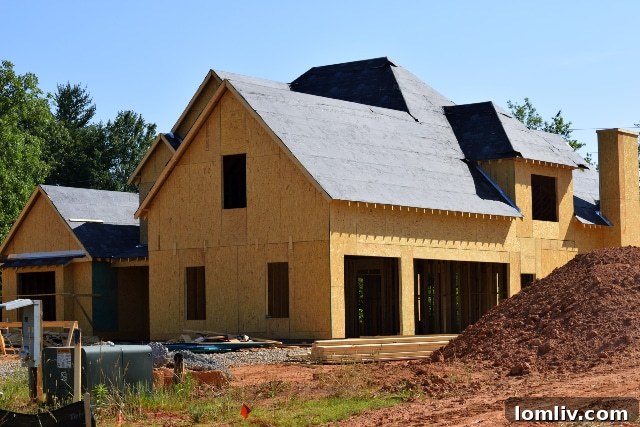
The tangible impact on new home construction is staggering. The National Association of Home Builders (NAHB) estimated that at its peak, skyrocketing lumber prices alone added nearly $36,000 to the overall cost of a new single-family home. This additional burden significantly impacts affordability, pushing homeownership further out of reach for many prospective buyers and contributing to inflationary pressures across the housing market.
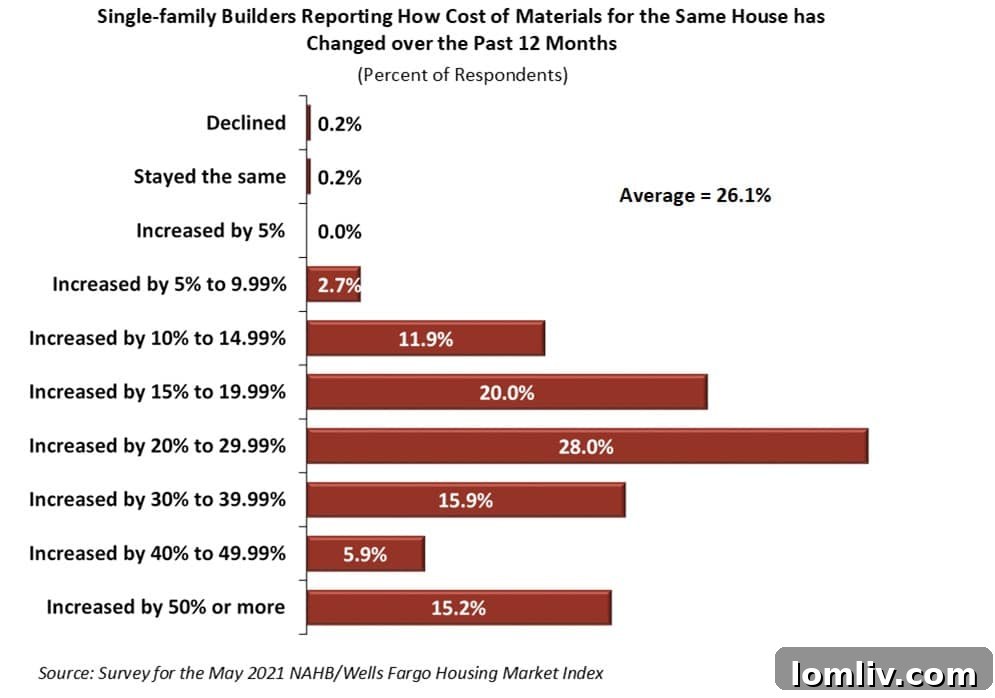
Lumber is not just one component among many; it is the fundamental ingredient in virtually every aspect of a modern home. From structural framing that forms the backbone of a house to siding, trusses, floor joists, subflooring, sheathing, and even interior cabinetry – wood products are indispensable. Builders face an almost insurmountable challenge in finding viable alternatives. While other materials like steel framing or concrete construction exist, they often come with their own set of drawbacks. These alternatives can be significantly more expensive, require specialized labor and construction techniques, and may not offer the same user-friendliness or aesthetic appeal that builders and homebuyers have come to expect from traditional wood construction. Consequently, despite the price volatility, lumber remains the material of choice, underscoring the construction industry’s vulnerability to its market fluctuations.
Examining the Volatility: What Does the Future Look Like for Lumber?
The journey of lumber prices over the past couple of years has been nothing short of extraordinary, marked by unprecedented peaks and subsequent corrections. On May 7, 2021, lumber prices reached an astonishing zenith, hitting $1,686 per 1,000 board feet. This figure stands in stark contrast to the price on May 7, 2020, when the same quantity of lumber cost a mere $332. This represents an astronomical increase of over 500% in just 12 months – a rate of escalation that is, by any economic measure, unsustainable and deeply disruptive to the construction sector.
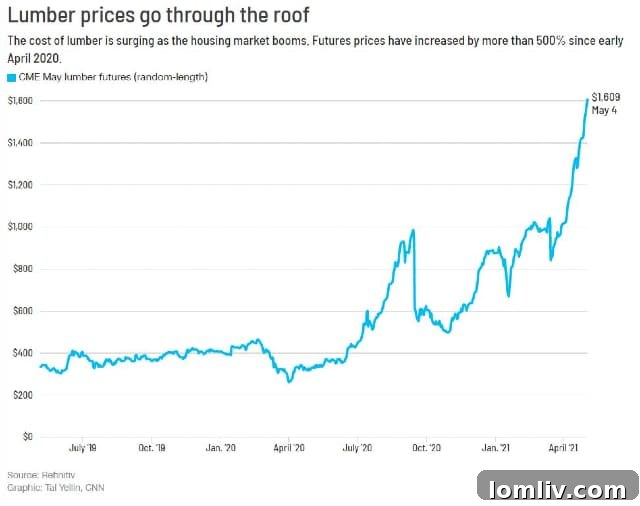
While the initial explosive growth caused alarm, signs of stability, or at least a softening of prices, have begun to emerge. For instance, on June 11, Business Insider reported a notable drop in lumber prices for the eighth consecutive day. While this downward trend offered a glimmer of hope, the price, still hovering around $1,059 per 1,000 board feet, remained significantly higher than pre-pandemic levels. To put this into perspective, on June 11, 2019, before the pandemic began to reshape global economies, the price was a modest $373.80. This comparison highlights that even with corrections, the market has settled into a new, elevated equilibrium.
Looking ahead, many industry experts and economists widely agree that lumber prices are unlikely to revert to their pre-COVID-19 levels. The extensive losses incurred by companies and manufacturers across the globe during the pandemic have fundamentally altered their operational models and pricing strategies. Producers are now factoring in increased costs for labor, transportation, and raw materials, as well as the imperative to maintain more robust inventories to mitigate future supply chain disruptions. This shift means that even if supply and demand achieve a state of equilibrium, the underlying cost structure has permanently changed, prompting those in power to manipulate prices sufficiently to recoup the significant losses absorbed throughout 2020 and beyond.
Current estimates suggest that lumber prices will likely stabilize and hover around $800 to $1,000 per 1,000 board feet for the foreseeable future. This new baseline has profound implications for the housing market. With such elevated material costs embedded in new construction, the prospect of a substantial drop in new home prices anytime soon appears increasingly dim. The ripple effect of these sustained high lumber prices will continue to influence housing affordability, construction timelines, and the overall trajectory of the real estate market. The pandemic, therefore, has not only reshaped how we live and work but also fundamentally altered the economics of building the places we call home, leaving a lasting legacy on the affordability and accessibility of housing for years to come.