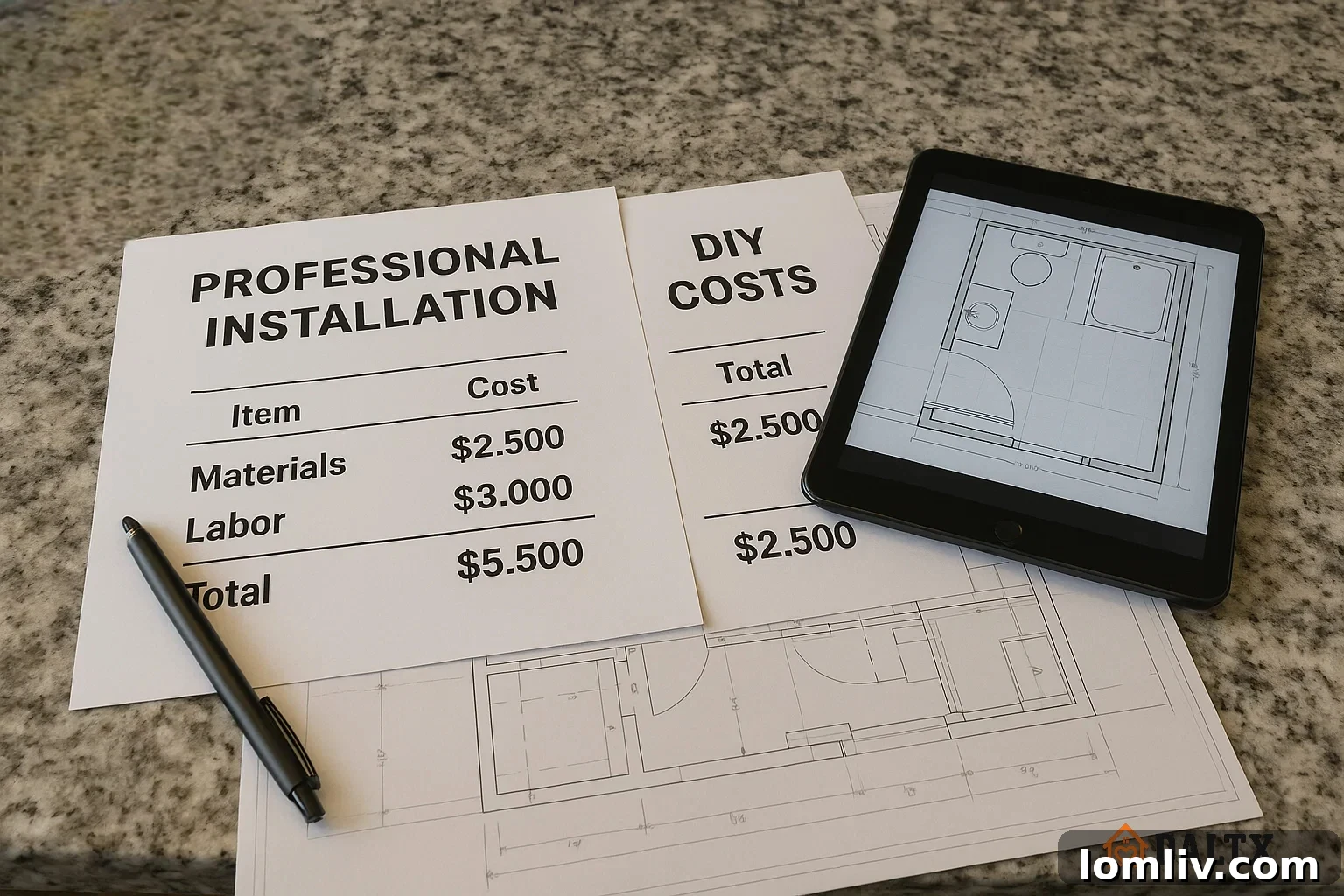
A shower door is more than just a functional barrier; it’s a pivotal design element that significantly influences the aesthetic and practicality of your bathroom. Far from merely preventing water splashes, a well-chosen and expertly installed shower door can elevate the entire ambiance, making the space feel polished, expansive, and inviting. While the thought of tackling such an installation might initially seem daunting, especially if you’ve traditionally relied on professionals for home improvement tasks, it’s an entirely achievable DIY project. With the right tools, a meticulous plan, and a willingness to learn, you can successfully install your own shower door. This undertaking not only leads to substantial financial savings but also instills a profound sense of accomplishment and a heightened confidence that only comes from creating something tangible with your own hands.
Unlocking Significant Savings: The Cost-Benefit of DIY Installation
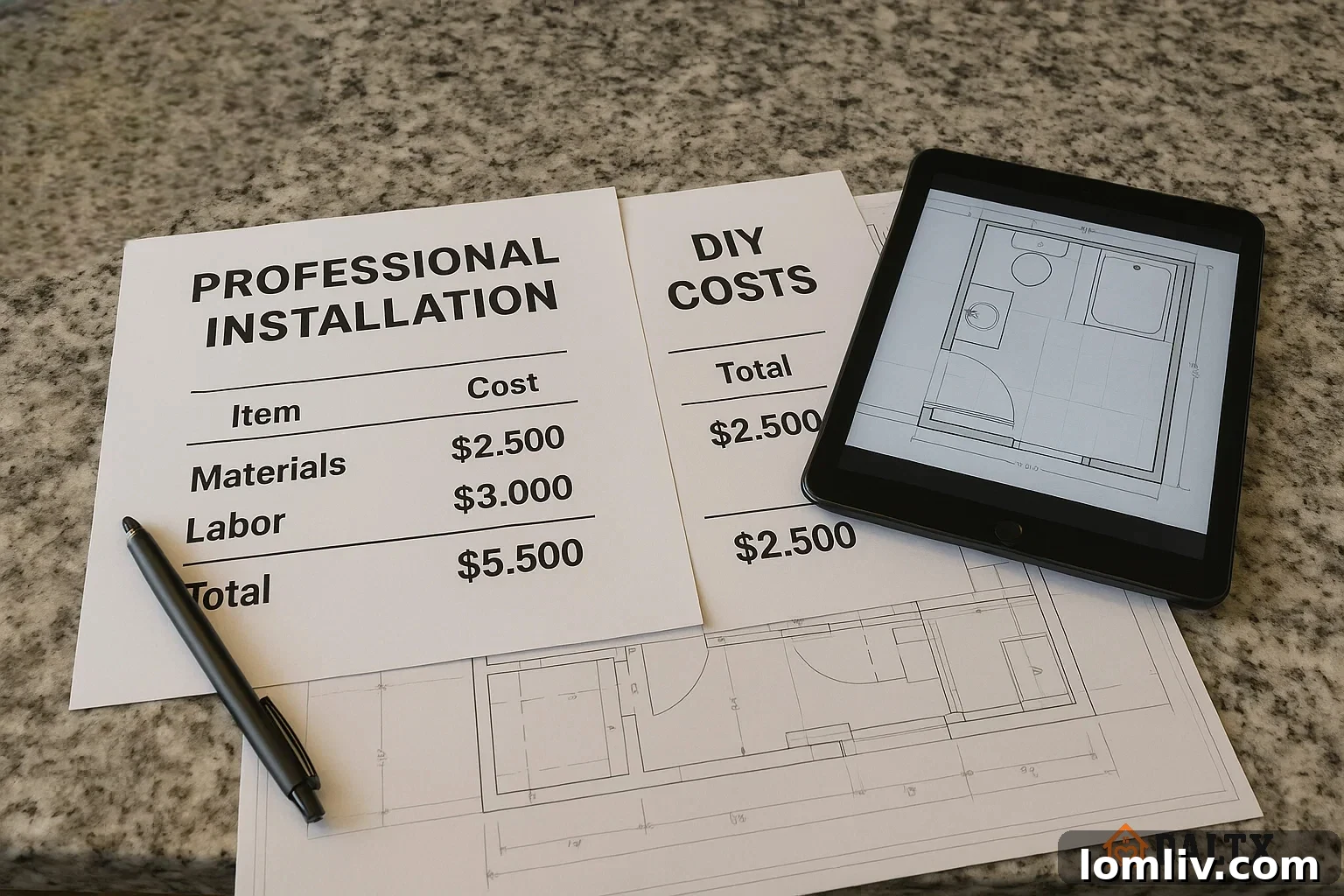
The financial implications of a shower door installation can be a major consideration for any homeowner. Hiring a professional installer often comes with a hefty price tag, and these costs can escalate rapidly if your bathroom walls aren’t perfectly plumb or if you opt for luxurious, heavy glass doors. For instance, a basic framed shower door kit might cost anywhere from $200 to $600 for materials alone. Stepping up to a more contemporary frameless setup can see material costs climb to $600, $1,500, or even more, depending on the glass thickness, hardware quality, and overall design complexity. On top of these material expenses, professional labor typically adds several hundred dollars, often ranging from $300 to $800, to the total project cost, sometimes even higher for intricate installations or unforeseen site challenges.
By choosing to install the shower door yourself, you effectively eliminate this entire labor component, which can represent 30% to 50% of the total project expense. This immediate saving is a powerful incentive for the DIY approach. The money you save can then be intelligently reallocated. Perhaps you can invest in thicker, more durable tempered glass for enhanced safety and a premium feel, or upgrade to superior quality hardware that offers better longevity and a more refined aesthetic. Alternatively, you can simply keep the cash, banking it for your next home upgrade or using it to fund other small but impactful improvements around your house. Imagine using those freed-up funds to install a quieter, more efficient bath fan, brighter, energy-saving LED vanity lights, or to purchase premium-grade caulk and sealants that guarantee a longer-lasting, watertight finish. It’s not merely about cutting costs; it’s about making smarter financial decisions that empower you to achieve a bathroom that not only looks stunning but also functions flawlessly for years to come, maximizing both value and enjoyment.
Cultivating Skills and Boosting Confidence with DIY Projects
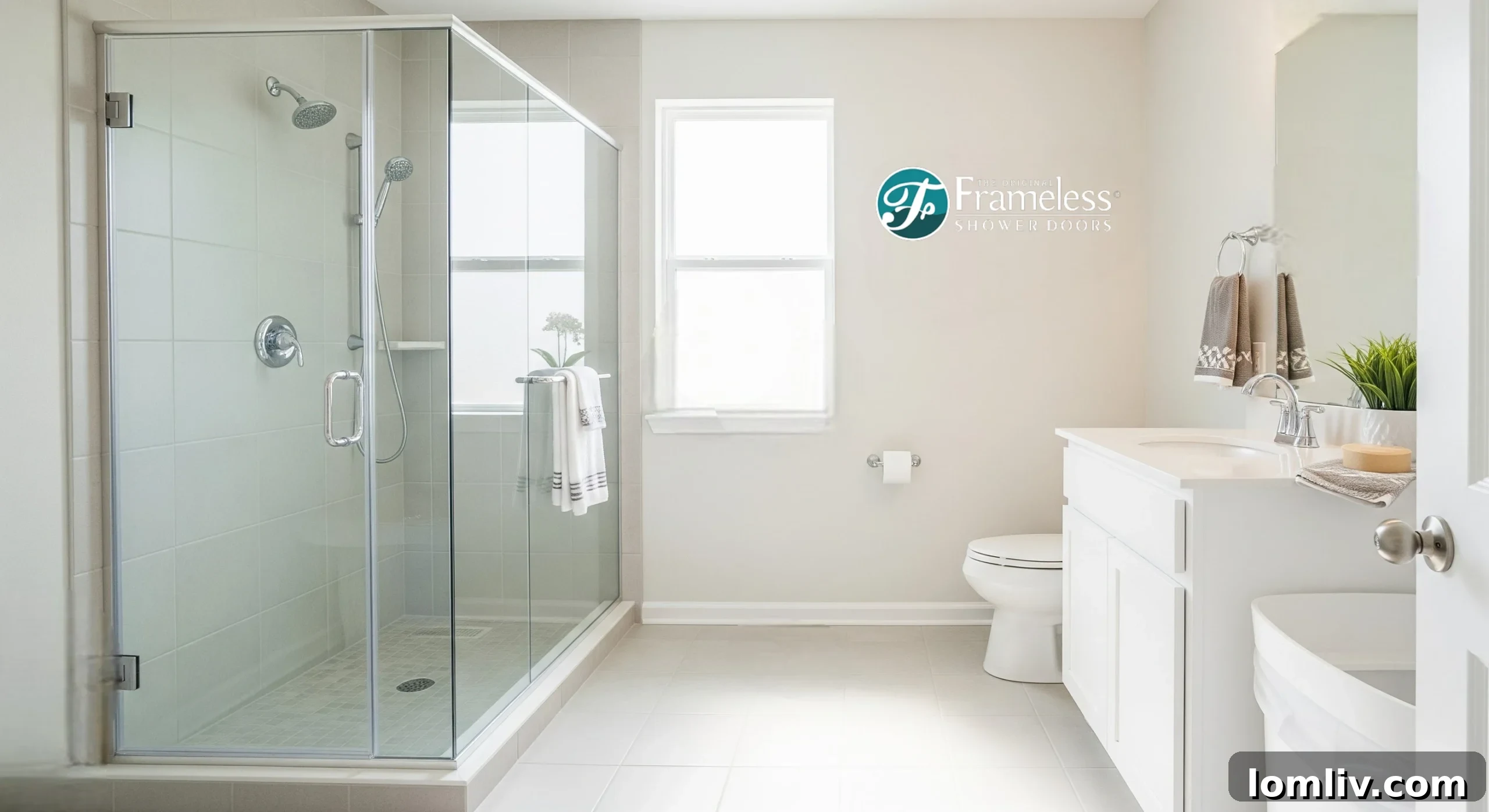
Engaging in any DIY project is a valuable educational experience, and installing a shower door stands out as an excellent opportunity to expand your practical skill set without the commitment or complexity of a full-scale bathroom remodel. The process, while requiring precision, is surprisingly manageable and straightforward when approached systematically. By diligently reading the manufacturer’s instructions and taking your time with each step, you can often see the rewarding final results of your labor in as little as a single afternoon or over a relaxed weekend.
Thorough preparation is paramount. Before even opening the box, make it a priority to download or locate the installation manual specific to your shower door model. Many manufacturers also provide extremely helpful, step-by-step video tutorials online. Watching these videos can demystify complex steps, clarify visual details, and provide crucial tips that might not be immediately obvious from written instructions alone. For an even deeper dive into best practices and to build a solid foundation, you might consider exploring online resources that offer practical help for DIY bathroom projects. This proactive research ensures you are fully aware of critical details such as the exact drill bit sizes required for different materials, the correct sequence for assembling parts, and the precise locations where sealant needs to be applied to ensure a watertight seal. As you progress through the installation, you’ll naturally acquire and refine a host of valuable, reusable skills that extend far beyond this single project. These include the art of accurate measurement, the technique of drilling into delicate tile surfaces without cracking them, and the finesse required to lay a clean, professional-grade silicone bead. Each successful step you complete builds not just a shower door, but also a growing sense of self-reliance and competence that will undoubtedly carry over to your next home improvement endeavor, making future projects feel less intimidating and more achievable.
Essential Tools and Meticulous Preparation for a Flawless Install
Successful shower door installation hinges critically on thorough preparation and having the right tools readily available. This proactive approach not only streamlines the entire process but is also fundamental to preventing frustrating and costly leaks down the line. Before you even think about unboxing your new shower door, gather every necessary item. Investing a little time upfront to organize your workspace and confirm you have everything will save you considerable time and potential headaches during the actual installation.
- Tape Measure: Precision is non-negotiable. Use a high-quality tape measure to confirm the width and height of your shower opening at multiple points – top, middle, and bottom. This crucial step helps identify any subtle inconsistencies or out-of-square walls, which are common in many homes and must be accounted for to ensure a proper fit.
- Level: Your level will be your best friend throughout this project. It is essential for checking that your walls are perfectly plumb (vertically straight) and that your shower curb is perfectly level (horizontally flat). You will use this tool almost constantly to ensure tracks, hinges, and glass panels are installed with absolute accuracy, preventing skewed appearances and potential functional issues.
- Drill: A reliable power drill is indispensable. If you’ll be drilling into ceramic, porcelain, or natural stone tile, you must use a specialized carbide- or diamond-tipped drill bit. Standard bits will not suffice and will likely damage your tile or burn out. Always, without exception, use the exact drill bit size specified in the manufacturer’s instructions to ensure proper fit for screws and anchors.
- Caulk Gun & 100% Silicone Sealant: A high-quality caulk gun is needed for precise application. The sealant itself must be 100% silicone, specifically formulated and labeled for kitchen and bath use. This type of silicone offers superior adhesion, flexibility, and mold/mildew resistance, ensuring that all seams remain watertight and hygienic in a high-moisture environment.
- Stud Finder: Whenever possible, aim to anchor your shower door hardware directly into wall studs for maximum stability and security. Use a stud finder to locate these structural supports. If studs are not present behind the desired hinge or track locations, you will rely on the wall anchors (typically plastic or metal expansion anchors) that are included with your shower door kit.
- Safety Gear: Your safety is paramount. Always wear safety glasses to protect your eyes from debris, dust, and potential glass shards. Cut-resistant gloves are also highly recommended. Tempered glass, while strong, is extremely heavy, and its edges—even when finished—can be surprisingly sharp. If tempered glass ever shatters, it breaks into small, dull fragments, but these fragments can still pose a cutting hazard.
- Extras and Ancillaries: Keep a few additional items on hand to make the layout, installation, and cleanup processes smoother. This includes painter’s tape (excellent for marking precise drill holes on smooth tile surfaces without slippage), shims (small wedges used for temporary leveling or spacing), a rubber mallet (for gently tapping components into place), a pencil (for marking), and a shop vacuum (to quickly clean up dust and debris, especially after drilling).
Having these fundamental tools and accessories ready not only accelerates the shower door installation but also equips you for a myriad of other quick fixes and upgrades around the house. Many of these same tools are perfect for hanging shelves, securely mounting heavy mirrors, or effortlessly swapping out cabinet hardware, making your initial investment pay dividends on future projects.
Selecting the Perfect Shower Door: Form, Function, and Fit

To ensure a smooth installation process and long-term satisfaction, choosing the right shower door is crucial. This decision should balance both the physical constraints of your bathroom space and your desired aesthetic style. There are several primary types of shower doors, each with unique advantages:
- Sliding (Bypass) Doors: These doors feature two or more glass panels that slide past each other on a track. They are an excellent solution for bathrooms where floor space outside the shower is limited, as they don’t require any outward swing. This makes them ideal for smaller bathrooms or those with toilets or vanities positioned close to the shower entrance.
- Hinged (Pivot) Doors: Offering a more traditional and often more elegant look, hinged doors pivot outward from a set of hinges mounted to the wall or a fixed glass panel. They provide a wide, unobstructed opening, which not only enhances accessibility (a key consideration for future-proofing your bathroom) but also simplifies cleaning. However, they do require adequate clearance in front of the shower for the door to swing open freely.
- Bi-fold Doors: A smart space-saving innovation, bi-fold doors consist of two panels that fold inward on themselves, much like an accordion. This design allows them to tuck away neatly, making them a highly practical and efficient choice for very small bathrooms or compact shower stalls where both sliding and hinged options are impractical.
Beyond the operational style, you’ll also need to decide on the frame type: framed, semi-framed, or frameless glass. Framed doors offer robust support and are generally more budget-friendly. Frameless doors, on the other hand, provide a clean, minimalist aesthetic with maximum glass exposure, creating an open and luxurious feel. Semi-framed options offer a middle ground. To ensure design cohesion, match the finish of your shower door hardware (such as handles, hinges, and towel bars) with your existing faucet, showerhead, and other bathroom accessories. This attention to detail creates a harmonious and professionally designed look.
Consider the type of glass as well. Clear glass is a popular choice for its ability to make a small bathroom feel significantly larger and brighter, allowing light to flow freely. However, it does show water spots and soap scum more readily, requiring frequent cleaning. Textured, frosted, or obscure glass options offer increased privacy and can help camouflage water marks, adding a touch of subtle sophistication. Finally, and crucially, double-check that your shower curb (the threshold at the bottom of the shower opening) slopes ever so slightly inward toward the shower drain. This subtle slope is essential to ensure that any water that lands on the curb naturally drains back into the shower enclosure, rather than pooling or spilling out onto your bathroom floor. A proper curb slope is a fundamental aspect of preventing leaks and maintaining a dry bathroom.
Step-by-Step Installation: A Detailed Guide to Success
With your tools gathered and your shower door chosen, you’re ready for the installation process. Remember to work patiently and methodically, checking your work at each stage. This detailed breakdown ensures a professional and watertight finish.
- Precise Measurement of Your Space: This initial step is critical for a perfect fit. Use your tape measure to take precise width and height measurements in at least three different spots: at the top, in the middle, and at the bottom of the shower opening. Due to slight variations in wall construction, these measurements might differ. Always use the smallest of these numbers for your final measurement when cutting or ordering, as this ensures the door will fit without being too wide or too tall. An overly large door will not fit, whereas a slightly smaller door can often be accommodated with shims and careful sealing.
- Marking Your Layout with Precision: Carefully unpack your main track or hinge rail. Hold it in its intended final position against the wall. Use your level to ensure it is perfectly plumb (vertical) and level (horizontal) before marking the precise locations for your drill holes with a pencil. For surfaces like ceramic or porcelain tile, place strips of painter’s tape over your pencil marks. This provides a cleaner, more stable entry point for your drill bit, preventing it from skidding across the smooth, hard tile surface and potentially damaging it.
- Mounting the Track or Hinges Securely: With your drill, begin drilling slowly and steadily through your marked spots, using the correct carbide or diamond-tipped bit for tile. Apply consistent, gentle pressure and allow the drill bit to do the work. It’s often beneficial to use a spray bottle to periodically mist the drill bit and tile surface with water; this helps to keep the bit cool, extends its life, and prevents the tile from overheating and cracking. As you drill, use your shop vacuum to immediately clean up any dust or debris. If your marks didn’t align with a wall stud, insert the appropriate wall anchors (supplied with your kit) into the drilled holes, ensuring they are flush with the wall surface. Follow the manual’s precise sequence for attaching the track or hinge components; the order of screws, gaskets, and brackets is often crucial for proper alignment and a watertight seal.
- Carefully Hanging the Door Panels: This stage often involves handling heavy, large glass panels, making it unequivocally a two-person job for safety and ease of installation. Enlist a second set of hands, and both individuals should wear safety glasses and cut-resistant gloves. Carefully lift the glass panel(s) and gently guide them into the top and bottom tracks or onto the pre-mounted hinges. Once the panels are seated, tighten the securing hardware (such as hinge screws or roller guides) just enough so that the door is stable but still allows for slight adjustments. This slight play will be crucial for making fine-tuned adjustments to ensure the door is perfectly level, plumb, and operates smoothly. Check the door’s swing or slide action and adjust as needed before fully tightening everything.
- Sealing and Finishing for a Watertight Seal: This is the final and one of the most critical steps for preventing leaks. Load your caulk gun with your 100% silicone sealant. Apply a neat, continuous bead of silicone along all exterior seams only where the metal frame or glass panels meet the wall or curb. It is critically important to seal only the outside of the bottom track or curb. This deliberate choice allows any minor water ingress that might get into the bottom channel to drain naturally back into the shower enclosure, rather than creating a dam that pushes water out onto your bathroom floor. Use a caulk tool or a gloved finger dipped in soapy water to smooth the silicone bead for a professional, uniform appearance. Immediately wipe away any excess silicone with a damp cloth before it begins to cure. Allow the silicone to cure completely for at least 24 hours (or as specified by the manufacturer) before using the shower. Premature use can compromise the seal, leading to leaks.
By maintaining a steady pace, double-checking your measurements and level after each significant step, and meticulously following these instructions, you will achieve a shower door installation that not only looks impeccably clean and operates smoothly but also forms a perfectly watertight enclosure. Best of all, having built it yourself, you’ll possess an intimate understanding of its construction, making any future adjustments, minor repairs, or part replacements straightforward and hassle-free.
The Profound Satisfaction of a DIY Success
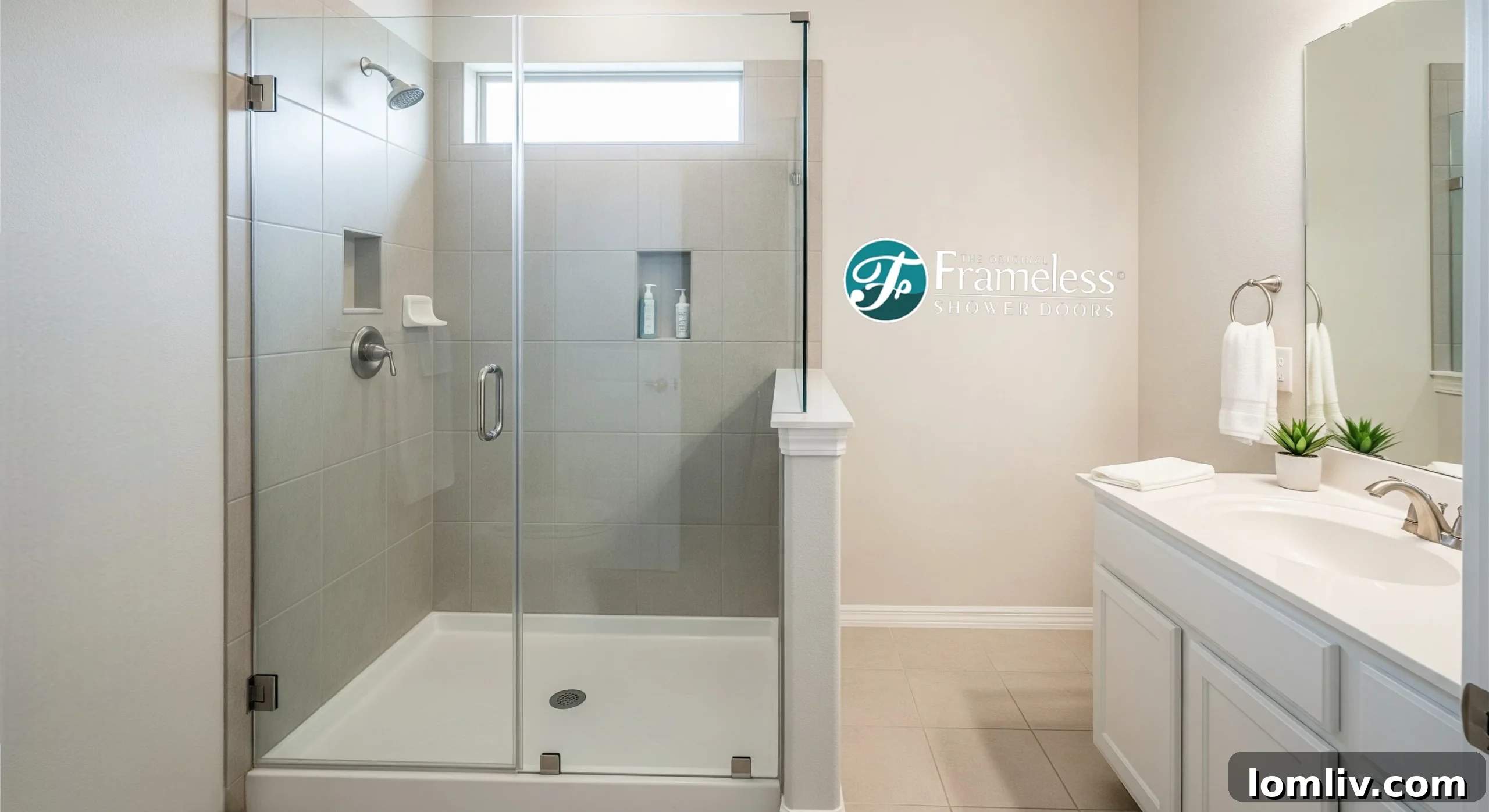
There’s a unique and deeply gratifying feeling that accompanies that first shower after your newly installed silicone has fully cured. It’s more than just a shower; it’s an experience of tangible accomplishment. You can see the fruits of your labor, feel the solid construction, and appreciate the meticulous attention you poured into every detail. You didn’t just save a significant amount of money; you also had the freedom to choose a door that perfectly matches your personal style and complements your bathroom’s design. Every time the glass glides smoothly along its track or pivots effortlessly on its hinges, and the seal holds firm, you’ll experience a small, quiet victory. And when friends or family marvel at your upgraded bathroom and inevitably ask, “Who installed that beautiful shower door?”, you’ll have the distinct pleasure and pride of replying, “I did it myself.” This moment often leads to sharing a tip or two, further cementing your newfound expertise and inspiring others.
Building on Your DIY Momentum: What’s Next?
Successfully completing a project as substantial as hanging a shower door often acts as a powerful catalyst, transforming the way you view other home improvement tasks. Once you’ve mastered drilling into tile, precise measuring, and achieving a watertight seal, many other home projects that once seemed intimidating will suddenly feel much more approachable and within your grasp. Don’t be surprised if you start keenly eyeing your bathroom vanity, considering an upgrade to the lighting fixtures, or even thinking about replacing that noisy old bath fan. The fundamental ‘measure twice, cut once’ mindset, coupled with careful preparation and a systematic approach that proved so effective for your shower door, is universally applicable to virtually all home maintenance and renovation tasks. Furthermore, the essential tools you acquired for this project will continue to be invaluable assets, paying dividends across countless future endeavors.
The overarching lesson from any successful DIY project is that most home improvements are manageable when broken down into logical steps, when you diligently read and follow instructions, and when you allow yourself ample time to complete the work without rushing. The ultimate reward isn’t just a beautifully improved space; it’s the deep satisfaction and empowerment that comes from knowing you personally contributed to enhancing your home. If you’re pondering what challenge to tackle next, start small, pick a project that offers immediate utility or visual impact, and most importantly, keep that DIY momentum going. Your next personal home improvement triumph is likely much closer than you think, waiting to be discovered and conquered with your growing skills and confidence.