

The journey through life’s later stages often brings profound questions, chief among them: when is the right time to consider “aging in place”? This isn’t merely a matter of physical location, but a deeply personal decision intertwined with family dynamics, financial realities, and the evolving needs of our loved ones. Understanding how to navigate this period is crucial for ensuring dignity, comfort, and the best possible quality of life for seniors.
I recently experienced this firsthand during a visit to my last living uncle in St. Petersburg, Florida. At 99, he remains in remarkably good health, a testament to a life well-lived. However, his wife, aged 96, faces greater health challenges and is confined to a hospital bed within their home. They reside with my cousin, who provides them with tireless and loving care. Observing their interactions was a poignant experience; married for over 70 years, they move through life as a unified entity, completing each other’s sentences, recalling forgotten words, and even bickering with a tender familiarity that only decades of shared history can forge.
Witnessing my cousin’s dedication, fulfilling the role of caregiver for his mother, was a truly beautiful, full-circle moment. It sparked a crucial introspection: would my own son be able to offer the same level of care? Could he realistically manage such a demanding responsibility? My cousin and his wife navigate a 24/7 care schedule—feeding, meticulously administering medications, assisting with nighttime needs, managing personal hygiene, and providing sponge baths, all while keeping a watchful eye on my uncle as he “putters” about. While caretakers occasionally visit through Florida’s Medicaid program, offering temporary relief, the primary burden rests squarely on their shoulders. This scenario, common in the sunshine state, where many seek to retire, underscores the complexities of long-term elder care.
The truth is, most adult children, unlike my retired and healthy cousin who already lived in Florida with an actively participating wife, simply aren’t equipped to provide this intensive level of care. Modern lifestyles, geographical distances, career demands, and personal health limitations often make 24/7 care an impossible feat. Such dedicated caregiving, while immensely rewarding, can take a significant toll on caregivers, impacting their physical health, emotional well-being, and financial stability. It often places them in the challenging “sandwich generation” predicament, simultaneously caring for their own children and their aging parents.
Strategic Planning for Retirement and Senior Living
The growing demographic of older adults in America highlights an urgent need for comprehensive retirement and senior living strategies. A recent survey conducted by PropertyShark, typically known for analyzing millennial trends, delved into the housing, retirement, and financial perspectives of Americans aged 45 and older. The key findings from this illuminating report carry profound implications for the real estate market and the future of elder care:

- Over half of individuals aged 45 and older express a desire to remain in their current homes throughout their senior years, emphasizing a strong preference for aging in place.
- A concerning three out of five respondents have less than $100,000 saved for retirement, with a mere 4% having accumulated more than $1 million. This financial insecurity is a major barrier to quality senior care.
- Nearly one-third of older adults have reported struggling with housing costs within the past year, indicating ongoing financial pressure even before full retirement.
- Close to one in three older adults do not anticipate ever fully retiring, suggesting a continued need for income and a potential blend of work and semi-retirement well into their later years.
- Alarmingly, half of the surveyed cohort lacked adequate knowledge of government programs and resources available for senior housing, highlighting a significant information gap.
- For those looking to retire outside their current home state, a quarter express a strong inclination to relocate to Florida, reinforcing its status as a premier retirement destination.
These statistics paint a clear picture: while the desire to age in place is strong, financial preparedness and awareness of support systems are often lacking. This disparity raises a critical question: what options exist for adult children whose parents require care that cannot be adequately provided in either their own homes or their parents’ residences? How can families ensure their loved ones receive compassionate care in their twilight years while maintaining an environment that feels as natural and homely as possible?
One innovative solution emerging in North Texas is a group care model that meticulously emulates the private home experience: Manchester Living.
Manchester Living: Redefining Aging in Place with Personalized Care
Manchester Living stands out as a locally-owned and operated provider of boutique assisted-living centers right here in Dallas, Texas. Their philosophy centers on delivering highly personalized attention through a carefully vetted and extensively trained staff. The organization operates through two distinct, yet complementary, divisions designed to meet a wide spectrum of senior care needs: Manchester Place Care Homes and Cambridge Caregivers.
Cambridge Caregivers offers professional, non-medical caregiver services within the comfort of a senior’s own home. This division prides itself on employing only Certified Nursing Assistants (CNAs) who are full-time, W-2 employees. This commitment to W-2 employment means caregivers receive comprehensive benefits and consistent training, leading to higher retention rates and a more dedicated, professional staff. All caregivers undergo extensive, specialized training programs developed by Manchester Living’s staff physician, ensuring they are equipped to handle diverse needs with expertise and compassion. Their services range from assistance with daily activities like bathing, dressing, and meal preparation, to companionship and light housekeeping, all aimed at supporting independent living.
Manchester Place Care Homes represent a truly innovative approach to assisted living. These are custom-built residential homes, specifically designed to house a small group of seniors or adults with limited functioning. Unlike the often-institutional feel of traditional nursing homes or larger assisted living facilities, Manchester Place homes offer a warm, intimate, and family-like atmosphere. Each home features multiple master bedroom suites, providing residents with private, comfortable spaces that truly feel like their own, while benefiting from round-the-clock support and care.

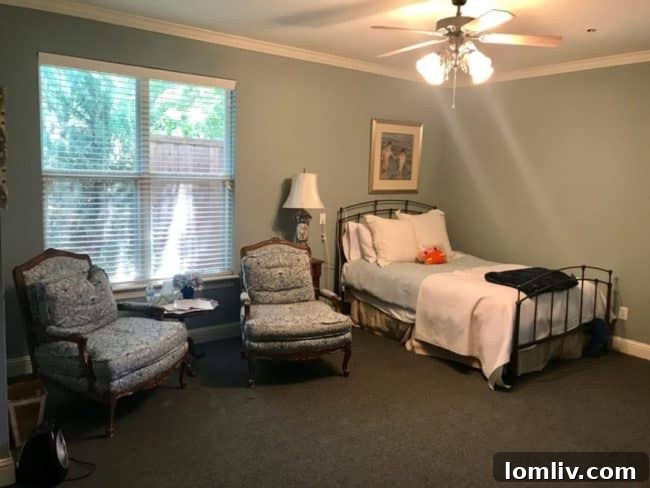
While over half of baby boomers aged 45 and older express a strong desire to remain in their homes, the reality is that many will face circumstances—such as the onset of dementia, severe debilitation, or the inability to safely manage daily life—that make independent living unsustainable. Manchester Place Care Homes offer a viable and comforting alternative. With four conveniently located residential centers across Dallas—including areas like Coit and Campbell, St. Michaels and Royal Lane, Tranquilla Drive near White Rock Lake, and Spring Valley at Hillcrest—they cater to a diverse range of residents. Their residents span a wide age spectrum, from individuals as young as 40 recovering from acute brain injuries to centenarians aged 101, all receiving care tailored to their specific needs. The monthly cost averages around $6,000, varying based on the level of care required. Here, residents can be found engaging in various activities, from painting and knitting to simply resting, reflecting the spectrum of cognitive abilities, from mild impairment to advanced dementia. These homes are meticulously designed to provide a safe, secure, and profoundly comfortable sanctuary for loved ones who require continuous, vigilant care.
Seamless Integration: Built to be a Part of The Neighborhood
As someone with a background in real estate, I find Manchester Living’s approach to property development particularly innovative and compelling. What truly sets them apart is their commitment to custom-building these assisted living homes within existing residential neighborhoods. This deliberate strategy aims to create an environment that precisely mirrors a senior’s own home—their preferred setting for aging in place. By seamlessly integrating into the community, these homes avoid the institutional stigma often associated with elder care facilities, fostering a sense of normalcy and belonging for residents.
“We want our residents to feel just like they would in their own home,” explains Brian Levy, Director of Business Development and Marketing for Manchester Living. “In fact, each resident is assigned a private bedroom suite, and we actively encourage them to furnish it with their own beloved furniture and personal décor. They can even choose the paint colors for their walls, truly making the space their own.” This level of personalization extends to encouraging residents to display cherished family photos, recreating the familiar visual cues of their former homes. To further cultivate this “at-home” and family-like atmosphere, Brian Levy and his children even bring their dog to visit every Saturday, offering comforting snuggles and a touch of pet therapy to the residents.
Each private suite boasts its own master-style bathroom, thoughtfully designed to be handicap-friendly with essential accessibility features such as sturdy grab bars and spacious, roll-in showers. This focus on practical, yet elegant, accessibility ensures comfort and safety, moving far beyond mere vessel tubs to address real-world needs. For couples who wish to maintain their intimacy and privacy, the homes even offer small, self-contained suites comprising a bedroom, master bath, and a cozy living area, providing them with a private retreat when they prefer not to socialize in the common family room. Every room is equipped with discreet emergency call buttons, and critically, at least two dedicated staff members are on duty throughout the night, ensuring immediate assistance is always available.
The heart of each Manchester Place Care Home is its large, fully-outfitted kitchen, where a dedicated, full-time cook prepares three delicious, home-cooked meals every day. Residents have the flexibility to enjoy their meals in the communal dining room, on a pleasant patio, or in the privacy of their own suites. The inviting atmosphere even extends to meal times, where residents are encouraged to invite guests, such as local family members, to join them for dinner, reinforcing the feeling of a vibrant, family home.
The St. Michael’s location, nestled in the charming Preston Royal neighborhood, serves as a perfect example of this seamless integration. For years, I, like many others, simply perceived it as a large, stately single-family home. It has been a part of the community for a decade, and from its exterior, you would never suspect it houses an assisted living center. On a recent visit, the kitchen buzzed with activity as staff prepared homemade French fries for lunch—a small detail that speaks volumes about the homey atmosphere. The spacious family room, adorned with ultra-comfortable recliners and cozy blankets, looked precisely like the family room of any well-appointed house on the street, except perhaps grander in scale. Residents were engaged in various activities, some watching television, others enjoying a peaceful nap, embodying the comfort and ease of their environment.
“All our homes were custom-built from the ground up around 2009,” explains Brian Levy, emphasizing that these are not mere converted properties but meticulously designed residences. These “McMansion-sized” homes offer ample space and comfort; for instance, a 10-bedroom home spans an impressive 7,200 square feet, while an eight-bedroom model covers 4,500 square feet, providing generous living areas for all residents.
A Life Lived at Home: Independence, Connection, and Care
“We truly go above and beyond to make it a genuine home,” affirms Brian Levy. “It is THEIR home. Families are not just visitors; they frequently come for dinner, participating actively in their loved one’s daily life. Furthermore, essential services are brought directly to the residents, enhancing convenience and comfort. Beauticians visit for hairstyling, manicurists provide mani/pedis, and even the residents’ own personal doctors make house calls, creating a holistic and accessible care environment.”
Life at Manchester Place is far from restrictive. Residents, if mobile, enjoy significant autonomy. They can easily go out with a family member or arrange for alternative transportation for personal outings. Levy shares delightful anecdotes: one gentleman regularly leaves to pursue his passion for poker, while others venture out for a quick trip to a Whataburger, attend doctor’s appointments, or go to church. This flexibility ensures that personal preferences and routines are respected, fostering a sense of continued independence. For medical needs, a staff doctor conveniently visits the homes once a week for routine check-ups or as required, providing consistent and personalized medical attention. Levy proudly notes that the doctor’s own mother-in-law resides in a Cambridge Home, a powerful testament to the quality and trust in their care model.
Brian Levy’s personal connection to Manchester Living began when his own grandmother resided in one of the Cambridge Homes. During his visits, he was profoundly impressed by the innovative concept, the nurturing home environment, and the exceptional staff. At the time, Levy was immersed in developing an apartment renovation business, but his experience with his grandmother sparked a significant career change. Four years ago, driven by his conviction in Manchester Living’s mission, he approached the company, inquiring if they needed a marketing director. “Really, I’m a non-licensed social worker,” he jokes, highlighting the deep empathetic and supportive role he plays beyond traditional marketing.
Adam Lampert, the visionary CEO of Manchester Living, recognized a significant gap in the market. “We saw a niche in the marketplace that was destined to grow as more Baby Boomers edged into their twilight years,” Lampert explains. His foresight centered on understanding the unique needs of this demographic and creating a solution that honored their desire for a home-like setting.
From the very inception of Manchester Living, Lampert understood that staffing would be the most critical pillar of the business. To ensure unparalleled care, Manchester Living implements a rigorous screening process, offers competitive salaries, and provides full health benefits. Going above and beyond, the company even extends no-interest loans to employees for unexpected car repairs or family emergencies. This comprehensive support for their staff has resulted in an extraordinary retention rate, both for their in-home caregivers and their group home staff, fostering a stable and experienced team. The success of their four current locations is so resounding that Lampert is actively seeking more raw land to build additional homes, expanding their capacity to serve more seniors in need of their unique, compassionate care.
“Our residents are truly aging in place with us, so the quality of our staff is paramount,” emphasizes Levy. He highlights the intimate nature of the care provided, explaining, “When you shave and bathe someone, you get to know them pretty well.” These deep connections often transcend professional boundaries, evolving into genuine bonds of affection and trust. Levy proudly shares heartwarming examples: “One of our dedicated staff members frequently flies with a client to his ranch every weekend. We also have staff who accompany clients on their annual summer family trips. We even attend their families’ graduations, allowing our residents the profound pleasure of being present with loved ones and celebrating together as a family, all with the invaluable, discreet support of a little extra help at their side.” This level of personalized, compassionate care truly distinguishes Manchester Living, creating an extended family for those they serve.