Unraveling the Legacy: Is 6802 Williamson Road a Charles S. Dilbeck Masterpiece?
The timeless allure of Dallas’s architectural heritage often begins with a captivating mystery, a quest to uncover a hidden gem, or the attribution of a classic design to a celebrated name. Few figures in Dallas architecture evoke as much intrigue and admiration as Charles S. Dilbeck. His homes, renowned for their distinctive character and enduring appeal, ignite a passionate treasure hunt among enthusiasts and prospective buyers alike. Recently, a particular property, 6802 Williamson Road, captured significant attention, prompting an intriguing question that resonates throughout the preservation community: Is this truly a Dilbeck original?
In the specialized realm of historic architecture, unwavering accuracy is not merely preferred; it is paramount. Our dedication to authentic storytelling demands that every claim be meticulously researched and verified. This investigative process extends far beyond a casual glance at property listings. It involves extensive collaboration with esteemed organizations such as Preservation Dallas, deep dives into historical archives like the venerable Dallas Morning News, and seeking expert opinions from leading architects and seasoned preservationists. The endeavor of confirming a Dilbeck attribution is a delightful yet challenging task, given his prolific output and the often-sparse documentation for many of his earlier works. It is a comprehensive process that skillfully blends historical sleuthing with rigorous architectural analysis, ensuring that the narratives we share about these magnificent Dallas homes are as precise and compelling as the properties themselves.
Charles S. Dilbeck: A Visionary Architect and Pioneer of the Texas Ranch House
For those venturing into the rich and diverse tapestry of Dallas architecture for the first time, Charles S. Dilbeck emerges as an indispensable figure. Active from 1935 to 1969, Dilbeck was more than just an architect; he was a true visionary whose innovative designs profoundly shaped the residential landscape of North Texas. Unlike many of his contemporaries who favored more formal, European-inspired, or modernist styles, Dilbeck was singularly focused on creating something genuinely authentic and appropriate for the Texan environment. In a revealing 1979 interview with urban planner Alan Mason, Dilbeck proudly asserted that he was the first architect to truly conceptualize and develop the “Texas ranch house.” This significant declaration underscored his unique and lasting contribution to American architectural history—a style perfectly adapted to the demanding climate and distinctive culture of the Lone Star State.
While esteemed peers such as O’Neil Ford and David Williams often drew inspiration from the rugged Hill Country aesthetic—characterized by robust limestone farmhouses topped with distinctive metal roofs—Dilbeck found his primary muse in the practical, expansive ranch houses dotting the vast Texas Panhandle. His interpretations transcended mere functionality, masterfully blending rustic charm with sophisticated architectural principles. However, a significant aspect of Dilbeck’s genius resided in his incredible versatility, which simultaneously makes identifying his original works a fascinating and intricate puzzle. His architectural influences were remarkably broad and varied, encompassing everything from the cozy, inviting lines of Irish cottages to the refined elegance of French Provincial and the classic symmetry of Colonial styles. This extraordinary breadth of inspiration means that “eclectic” is arguably the most fitting and accurate adjective to encapsulate the very essence of Dilbeck’s architectural philosophy. He possessed a unique ability to seamlessly weave these diverse elements into a harmonious whole, crafting homes that felt both timeless and uniquely attuned to their Texan surroundings, firmly establishing his place among Dallas’s iconic architects.
Decoding the Dilbeck Signature: Distinctive Architectural Elements and Design Philosophy
Despite his wide-ranging inspirations, genuine Charles S. Dilbeck designs consistently exhibit a set of discernible characteristics that collectively form his unmistakable architectural signature. These features, often subtle yet profoundly impactful, are crucial for distinguishing his authentic work from imitations. David Dillon, the highly respected architecture critic for the Dallas Morning News, meticulously documented these specific traits in his insightful 1984 interview with Dilbeck. Dillon’s detailed observations continue to provide an invaluable roadmap for anyone endeavoring to identify an authentic Dilbeck home within the sprawling Dallas landscape.
“The rambling ad hoc plans of the originals led to updated Dilbeck versions in which rooms were placed at odd angles to the rest of the house — mostly to catch the prevailing breezes, but sometimes just for effect. The windows are large, the fireplaces enormous, and there frequently are porches on both the first and second levels, the latter adaptations of the so-called lookout porches on ranch houses. The roofs are slightly pitched, with wide overhangs for protection against the sun.”
David Dillon, Dallas Morning News architecture critic
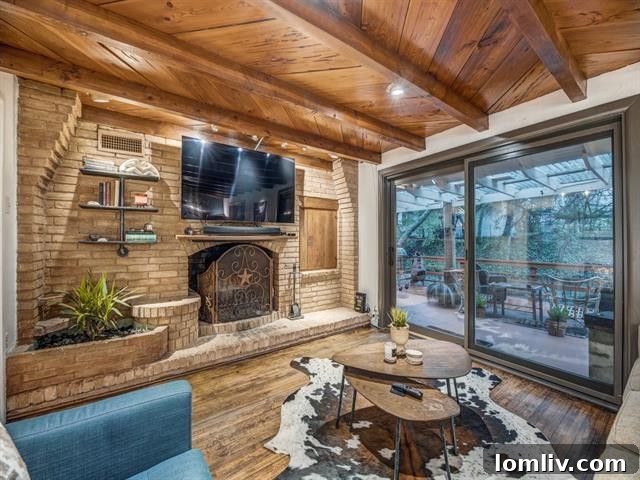
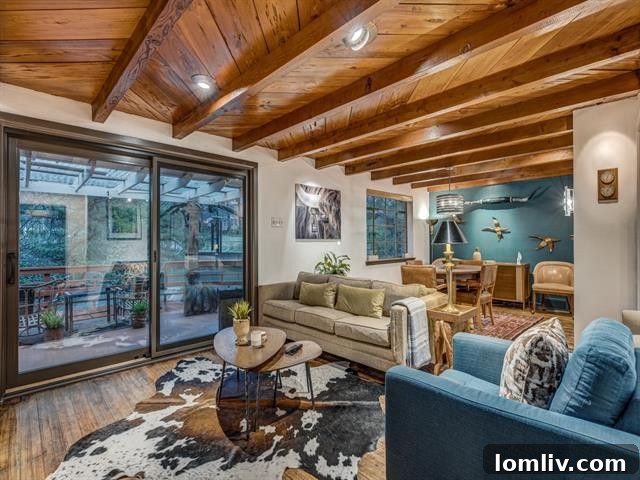
Let’s delve deeper into these pivotal elements. The description of “rambling ad hoc plans” speaks to a non-linear, organic flow within the home, where spaces appear to have been added or configured in a way that feels natural, intuitive, and entirely unforced. This often results in rooms positioned at “odd angles” relative to the main structure—a deliberate design choice made not only for its distinctive aesthetic appeal but also, crucially, to optimize natural ventilation and capture prevailing breezes, a vital consideration in the often-sultry Texas climate. Large windows were another consistent hallmark of Dilbeck’s designs, masterfully inviting abundant natural light into interiors and elegantly blurring the lines between indoor comfort and the surrounding outdoor environment. Furthermore, the “enormous fireplaces” frequently served as majestic, central focal points within his homes, embodying a sense of warmth, hospitality, and hearth, often grandly constructed from robust, locally sourced materials that emphasized texture and authenticity.
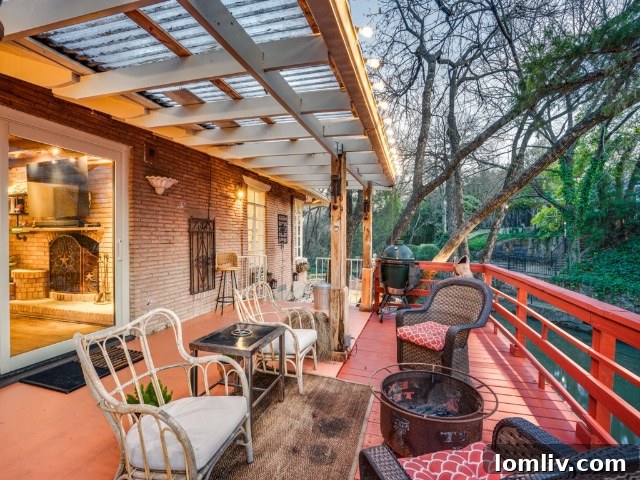
Dilbeck’s profound appreciation for outdoor living spaces manifested prominently in the frequent inclusion of welcoming porches on both the first and second levels of his homes. These distinctive second-story porches, often affectionately termed “lookout porches,” provided elevated vantage points and offered additional shaded areas, perfectly adapting traditional ranch house functionality for enhanced comfort and enjoyment. The roofs, characterized by their “slightly pitched” design and generous “wide overhangs,” provided essential protection against the intense Texas sun, contributing significantly to the home’s comfort, energy efficiency, and its instantly recognizable silhouette. These broad eaves were not merely practical; they imparted a substantial, grounded, and inherently solid feel to the structures, ensuring they harmonized beautifully with the natural landscape and reflected the sturdy spirit of the Texas ranch tradition.
Materials and Craftsmanship: The Rugged Beauty of Charles S. Dilbeck Homes
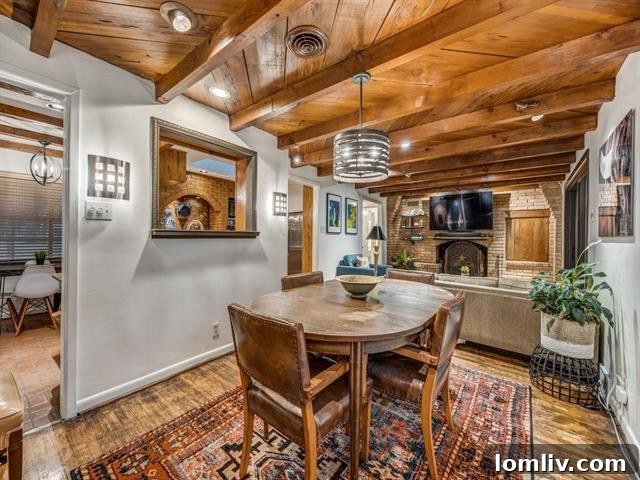
Beyond his innovative structural forms, Dilbeck’s choice of materials was equally revealing and distinctive. He consistently favored rustic, honest materials that conveyed a powerful sense of timeless endurance and a deep connection to the land. Adobe, native limestone, robust brick, and meticulously hand-hewn timber were fundamental staples in his construction palette. These deliberate choices imbued his homes with a rugged, authentic beauty that often stood in stark contrast to the more refined or sleek modernist aesthetics embraced by some of his contemporaries, such as O’Neil Ford and David Williams. Dilbeck’s designs celebrated natural textures, inherent material variations, and robust craftsmanship, creating homes that felt deeply rooted in their environment and inherently Texan. This thoughtful and deliberate selection of materials contributed significantly to the unique, organic character that makes a Dilbeck home so immediately recognizable, profoundly cherished, and a sought-after piece of Dallas’s architectural legacy.
The Quest for Authenticity: Documenting Charles S. Dilbeck’s Enduring Legacy
Identifying an original Charles S. Dilbeck home, particularly when formal documentation is scarce or entirely non-existent, might initially seem like an insurmountable challenge. Yet, thanks to the tireless and dedicated efforts of Dallas’s preservation community, this task is considerably less daunting than one might imagine. Architect Willis Winters, widely regarded as one of Dallas’s most distinguished preservationists and the former director of the Parks and Recreation Department, undertook the truly monumental task of meticulously cataloging Dilbeck’s extensive body of work. His relentless footwork and painstaking research have provided an invaluable and indispensable resource for accurately attributing these rare architectural treasures across the city.
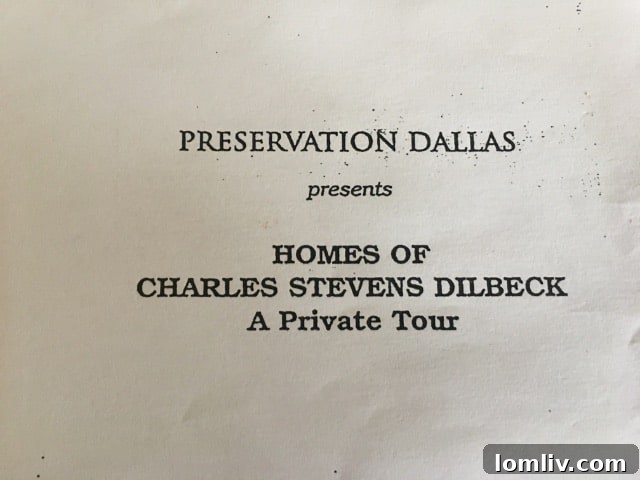
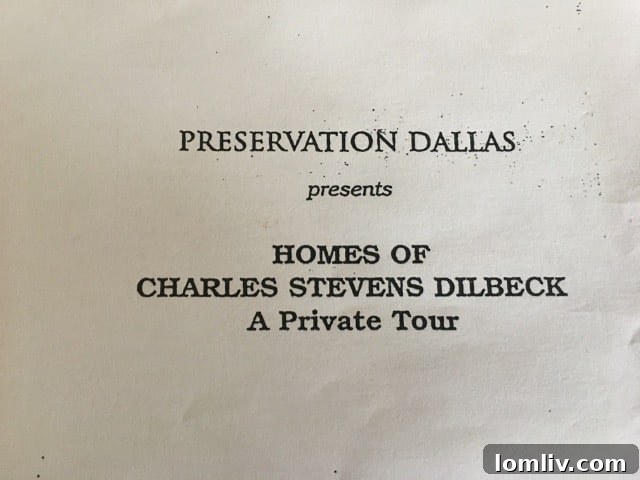
Winters’s pivotal contribution came in preparation for a highly anticipated private tour of Dilbeck homes, meticulously organized and hosted by Preservation Dallas in 1997. In advance of this significant event, he embarked on what can only be described as a “herculean amount of research.” This exhaustive effort involved compiling an extensive and detailed list of both officially documented and strongly suspected Dilbeck properties throughout the Dallas metropolitan area. Even more remarkably, Winters developed a comprehensive inventory of characteristic architectural features and, ingeniously, created a detailed point system. This innovative system allows enthusiasts, professional architects, and homeowners alike to engage in the “Is your Dilbeck original?” game, providing a structured, objective approach to assessing the authenticity of a property based on its distinctive architectural traits. This tool has become an indispensable guide for the community, transforming what was once a subjective guess into a more rigorous and reliable architectural analysis, thereby solidifying Dilbeck’s place in Dallas’s architectural history.
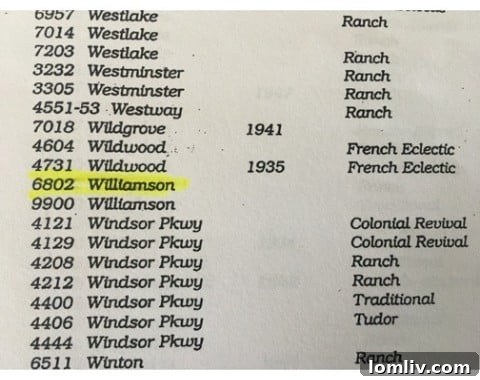
6802 Williamson Road: A Highly Probable Charles S. Dilbeck Gem in Dallas
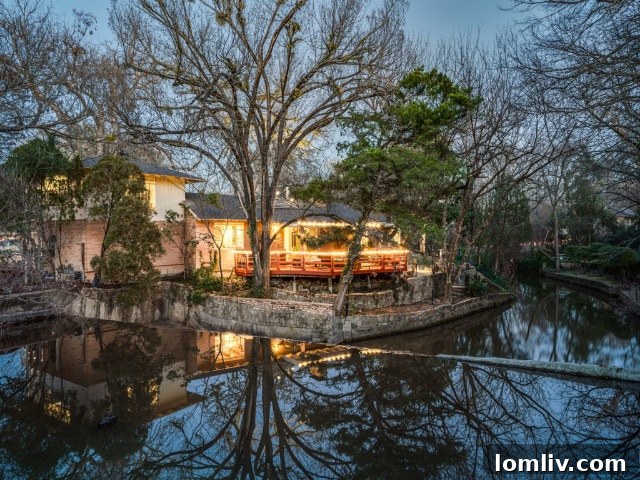
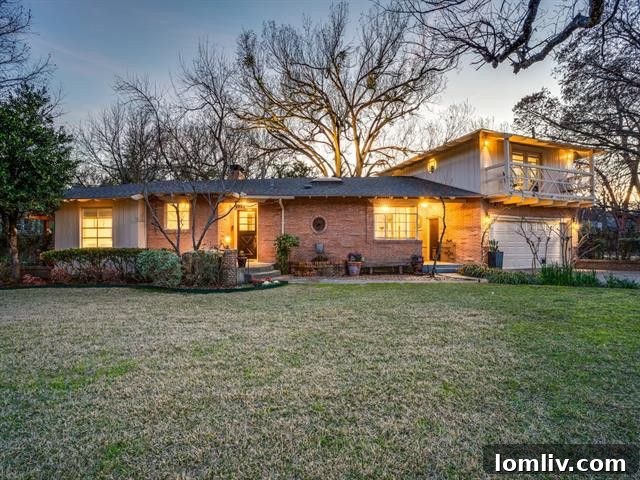
Applying Willis Winters’s rigorous architectural survey and point system to the charming 1953-built cottage located at 6802 Williamson Road yields compelling and highly suggestive results. While I am not a practicing architect, my diligent assessment using Winters’s established methodology indicates that this particular property scores an impressive 45 out of a possible 70 points. This robust score positions the home squarely within the medium to high probability range of being an original Charles S. Dilbeck design. The abundance of architectural elements and design sensibilities found throughout this delightful Dallas home resonates remarkably strongly with the defining characteristics of Dilbeck’s unique and celebrated aesthetic, making it a true standout.
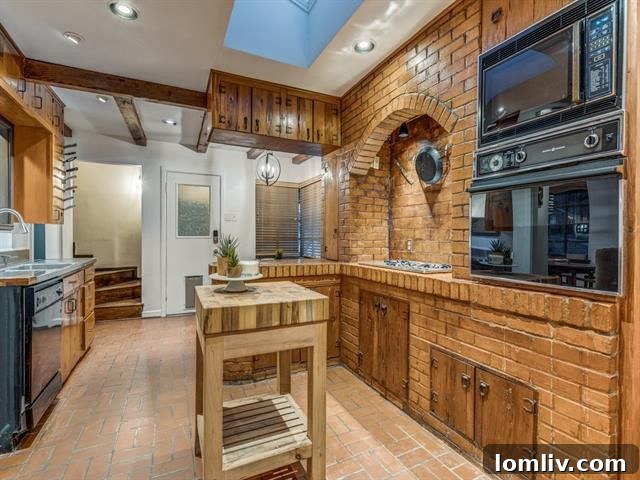
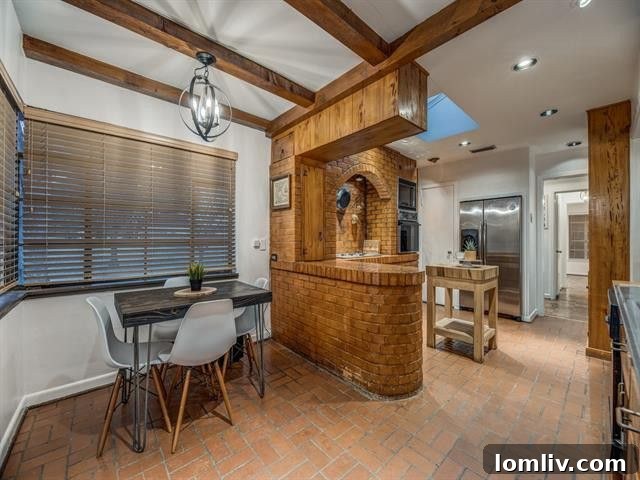
From the very moment one approaches the property, the undeniable influence of the classic Texas ranch style, seamlessly blended with Dilbeck’s signature eclectic touches, is immediately evident. The home’s facade presents a welcoming, grounded, and inherently substantial presence, which is highly characteristic of his rustic and authentic leanings. Inside, the charm and architectural integrity continue to unfold, particularly within the thoughtfully designed kitchen space. This central area showcases several unmistakable Dilbeck earmarks: a gracefully curved counter that artfully and functionally separates the breakfast room from the main kitchen, an inviting arched nook, and robust cabinets meticulously crafted from rough-hewn timber. These specific details are far more than mere decorative flourishes; they embody Dilbeck’s foundational philosophy of harmoniously blending functionality with rustic elegance, thereby creating living spaces that are both eminently practical and profoundly warm, inviting, and full of character. The deliberate and skillful use of natural materials and organic forms speaks directly to his deep preference for authenticity and his extraordinary ability to infuse everyday domestic spaces with a distinctive and enduring architectural personality that continues to captivate today’s discerning homeowners.
The Enduring Appeal and Significant Market Value of Dilbeck Homes in Dallas
Willis Winters’s extensive and invaluable research estimated that Dallas is home to a remarkable number of Charles S. Dilbeck properties—approximately 630 known or strongly suspected designs. This particular charmer at 6802 Williamson Road certainly appears to be an original, standing as a tangible testament to Dilbeck’s enduring architectural vision and masterful craftsmanship. The compelling story of this home vividly underscores a vital lesson for all homeowners, particularly those with older properties: the immense importance of meticulously preserving your house’s documentation. While the architectural significance of a home might not be immediately apparent or fully appreciated by its current occupants, its inherent value and historical standing can skyrocket exponentially over time, especially if it is confidently connected to a celebrated and influential architect like Charles S. Dilbeck. What might seem like mundane paperwork or forgotten blueprints today can transform into invaluable historical evidence and a crucial asset fifty years down the line, elevating a property from a simple dwelling to a highly coveted and historically significant piece of architectural heritage.
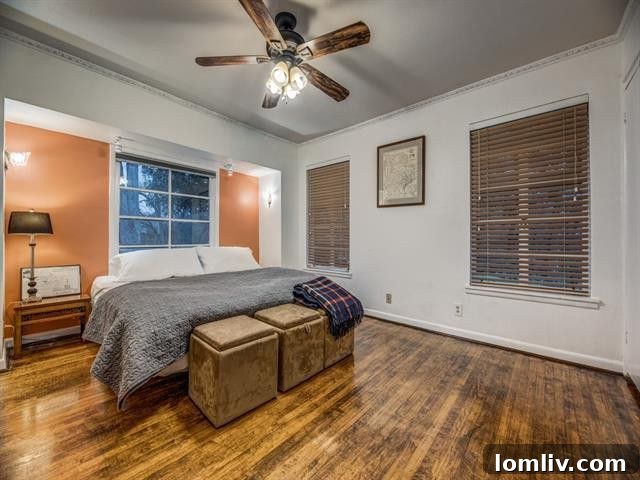
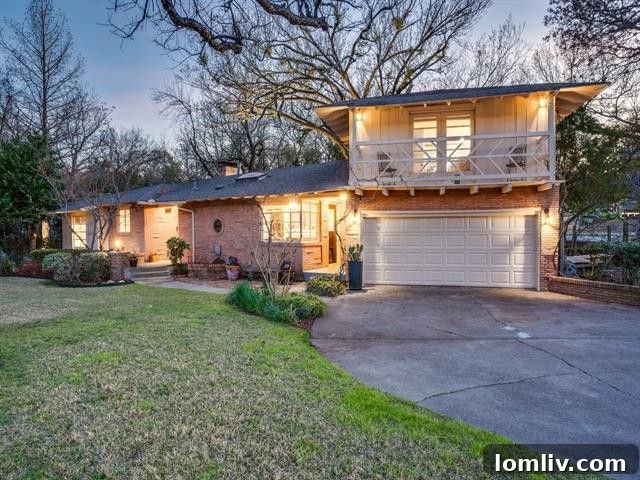
The swift and enthusiastic market reaction to 6802 Williamson Road perfectly illustrates the intense demand and premium value placed on homes with such a rich provenance and architectural pedigree in the Dallas real estate market. Frequently, buyers are not exclusively focused on historical documents or official attestations; instead, they are simply captivated and fall deeply in love with the unique character, inherent charm, and exceptional craftsmanship that these extraordinary homes exude. The powerful emotional connection to a property, when skillfully combined with its potential architectural significance and historical narrative, creates an undeniable and potent allure. As this article was being finalized, Paragon listing agent Risa Jordan with the East Dallas Real Estate Group confirmed the remarkable news: the property went under contract after its very first showing. This incredibly swift sale is a resounding testament to the enduring appeal, robust market value, and undeniable desirability of what is, in all probability, an authentic and cherished Charles S. Dilbeck design, cementing its status as a sought-after piece of Dallas history.
Conclusion: The Lasting Legacy of Charles S. Dilbeck in Dallas Architecture
The architectural legacy of Charles S. Dilbeck continues to flourish and resonate deeply within Dallas, with each of his distinct homes serving as a unique narrative woven intricately into the city’s rich urban fabric. Properties such as 6802 Williamson Road stand as tangible and inspiring connections to a pivotal period in Dallas’s design history, eloquently showcasing Dilbeck’s pioneering vision for the quintessential Texas ranch house. His extraordinary ability to blend rustic, honest materials with sophisticated, eclectic forms resulted in residences that are not only historically significant but also remarkably livable, comfortable, and highly desirable in today’s contemporary context. The enthusiastic and rapid market response to this particular home unequivocally underscores the robust and competitive market for architecturally significant properties and highlights a profound, enduring appreciation for craftsmanship that gracefully transcends generations.
For those who may have missed the opportunity to acquire this particular gem, the hope always remains that such a deal might, against all odds, fall through, offering another precious chance to acquire a unique piece of Dallas’s rich architectural heritage—a home that proudly carries the highly probable and unmistakable signature of Charles S. Dilbeck, an icon of Texas design.