Dallas ISD’s Critical Decision: Unpacking the $1.6 Billion Bond and Superintendent Search
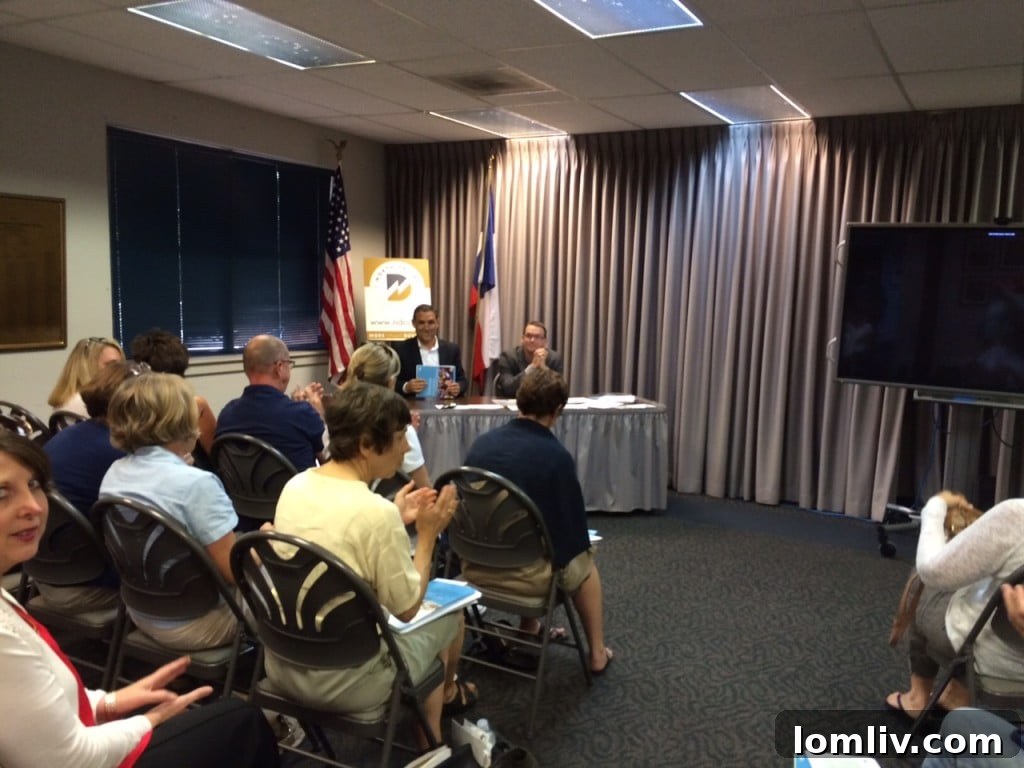
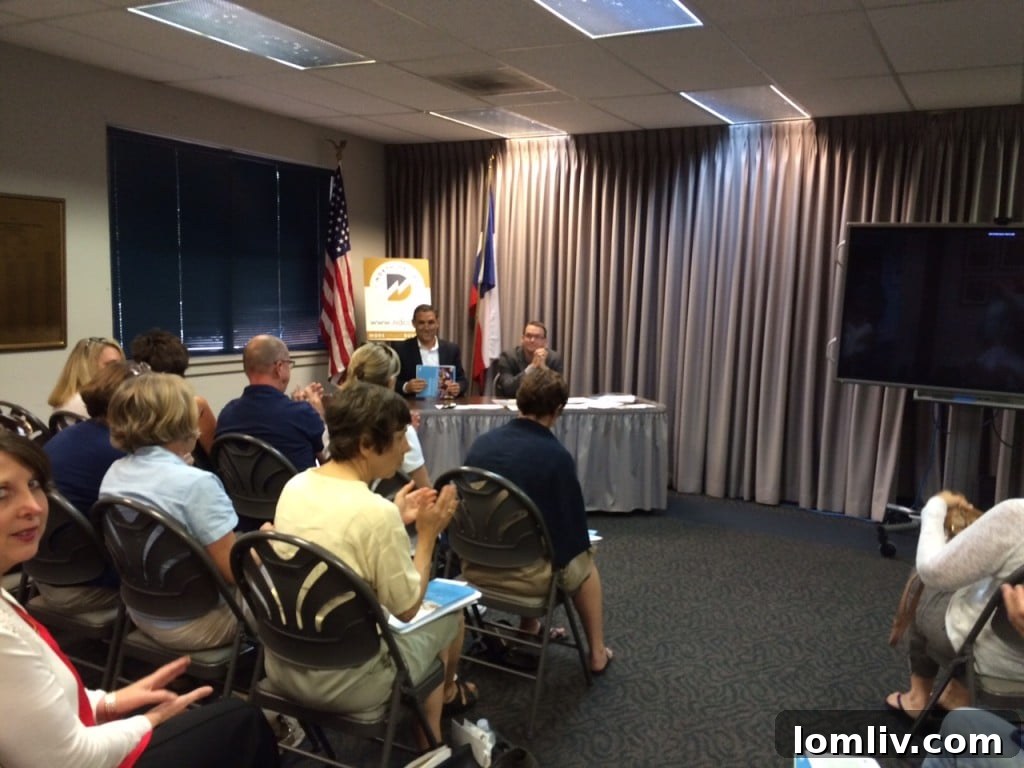
The Dallas Independent School District (DISD) stands at a pivotal moment, with significant discussions surrounding both a substantial bond election and the crucial search for a new superintendent. Recent town hall meetings, designed to inform the community about an impending bond vote, revealed a dual focus as residents consistently engaged trustees on both subjects. Despite prominent advertising for the bond proposal, approximately 40% of the discussions centered on the superintendent search, highlighting the community’s vested interest in the district’s leadership alongside its infrastructure.
This widespread engagement underscores the importance of the decisions facing the Dallas ISD Board of Trustees. Tomorrow, the board is scheduled to vote on whether to place a comprehensive bond election on the November 3 ballot. A series of community town halls have been instrumental in presenting the intricate details of the proposed bond to the public, with further meetings planned to delve into the specific projects that the raised funds would support.
The Path to Approval: Strong Support for the DISD Bond Package
The proposed bond package is poised for approval, enjoying robust backing from key members of the Dallas ISD Board of Trustees. Reports indicate that Board president Eric Cowan, along with trustees Edwin Flores, Mike Morath, Nancy Bingham, and Dan Micciche, have publicly voiced their support. Trustee Micciche further cemented his position in a public statement, affirming, “I will vote ‘yes.’ We will have more community meetings to discuss the list of proposed projects over the next month if the full Board votes to call for the election.” This consensus among board members suggests a high likelihood of the bond moving forward to the ballot, allowing Dallas residents to have their say on the future of their public schools.
The proposed Dallas ISD bond election represents a significant investment of $1.6 billion aimed at enhancing the district’s educational infrastructure. This comprehensive package addresses a wide array of needs, from foundational improvements like new and replacement schools and critical HVAC system upgrades, to modernizing learning environments with advanced school technology, renovated libraries, and state-of-the-art science labs. The genesis of this extensive list of necessities stems from detailed assessments, including a pivotal report by Parsons Environment & Infrastructure Group Inc., complemented by recommendations from DISD’s dedicated Future Facilities Task Force. These reports collectively paint a clear picture of the district’s evolving needs, ensuring that the proposed investments are strategically targeted for maximum impact on student success and operational efficiency.
Strategic Financial Planning: A Bond Without Tax Rate Increase
One of the most compelling aspects of the current Dallas school bond package is its design to avoid an increase in the existing tax rate. This fiscal responsibility is achieved through a carefully planned bond sales schedule, staggered across three distinct periods: 2016, 2018, and 2020, with two-year intervals between each issuance. This strategic timing allows the district to manage its debt effectively without burdening taxpayers with higher rates. Furthermore, the bond is structured for an accelerated payoff, completing repayment in 20 years instead of the traditional 30-year term. This accelerated schedule is projected to yield substantial savings for the district, potentially cutting interest expenses by an estimated $500 million—funds that can be redirected to educational priorities. The package also strategically allocates for the reimbursement of $40 million towards the Bridge Plan Project initiatives, underscoring its multifaceted financial benefits.
“The goal of the board is to keep taxes static,” Trustee Morath emphasized at a recent town hall, highlighting the district’s commitment to financial prudence. This opportune moment for proposing a new bond series is further bolstered by Dallas ISD’s robust financial health. The district has recently achieved some of its highest financial ratings in recent history, a testament to its sound fiscal management. Trustee Micciche reiterated this point, stating in his Facebook post, “Due to its strong financial position, the three major bond rating agencies have given the District strong bond ratings. The ratings are important because they enable Dallas ISD to receive financing at reduced interest rates, saving the district valuable resources when using bonds.” These strong ratings are critical, as they translate directly into lower borrowing costs, maximizing the impact of every dollar invested through the bond.
Investing in Excellence: How the $1.6 Billion Will Transform Dallas Public Schools
The substantial $1.6 billion from the DISD bond election is meticulously allocated across six vital categories, each designed to address specific needs within the district and foster a superior learning environment. This detailed breakdown ensures transparency and strategic investment:
- $500 million for Facilities Needs: This significant portion will tackle critical infrastructure issues, including essential upgrades to HVAC systems, plumbing, and other building components. Modern and well-maintained facilities are fundamental for creating comfortable, safe, and conducive learning spaces for students and staff. Addressing these core needs prevents future, more costly repairs and ensures operational efficiency across all campuses.
- $465 million for New and Replacement Schools: As Dallas continues to grow and some existing school buildings show significant age and wear, this funding is crucial for constructing new campuses and replacing outdated ones. New schools alleviate overcrowding, provide contemporary learning environments designed for 21st-century education, and ensure that all students have access to modern facilities.
- $233 million for Enhanced Learning Spaces: This allocation focuses on improving the quality of educational resources within schools. It includes upgrades to libraries, transforming them into modern media centers, and enhancing science labs with cutting-edge equipment. These improvements are vital for fostering literacy, critical thinking, and STEM education, preparing students for future academic and career challenges.
- $195 million for Additional Classrooms: To accommodate growing student populations and reduce class sizes, this funding will support the construction of new classrooms across numerous schools. More classrooms mean better learning ratios, reduced stress on existing infrastructure, and more personalized attention for students, directly impacting educational outcomes.
- $105 million for Land Acquisition: Strategic land acquisition is essential for the long-term planning and expansion of the district. This fund allows DISD to secure prime locations for future schools, administrative facilities, or athletic complexes, anticipating growth and ensuring accessibility for all communities within Dallas.
- $93 million for New Educational Programs: Beyond physical infrastructure, this investment supports the development and implementation of innovative educational programs. This could include specialized academies, vocational training, arts programs, or technology initiatives designed to offer diverse learning pathways and prepare students for a dynamic global landscape.
In addition to these direct investments, the bond package also addresses potential adjustments to attendance zones, signaling a holistic approach to optimizing school placement and access across the district. These strategic boundary redraws will ensure equitable distribution of resources and student populations as new and renovated facilities come online.
Specific Projects and Community-Wide Impact
The proposed bond directly targets several key areas for development and enhancement. New or replacement schools are slated for communities served by Stone and Hotchkiss elementary schools, Wilmer Elementary (on an existing site), and Titche and Blanton elementary schools (on a new site). A brand new Pre-K through 8th-grade school is planned for North Dallas, with its specific site yet to be determined. Significant high school improvements include replacing Pinkston High in West Dallas on a new site, partially replacing Roosevelt High with a new academic community program, and community discussions are underway for a possible K-8 model in West Dallas. Rosemont’s upper 3-8 school will be replaced on its current site, and JJ Rhoads will see a replacement alongside the addition of a Pre-K facility on its existing site.
The expansion of classroom capacity is a critical component, with Molina, Woodrow Wilson, Hillcrest, Bryan Adams, Jefferson, and Seagoville high schools earmarked for additional classrooms. Similar expansions will benefit Long and Marsh middle schools, as well as Sanger, Hexter, Conner, Macon, Highland Meadow, Central, Dorsey, Silberstein, Jordan, and Rowe elementary schools. In total, 294 new classrooms are projected across various Dallas public schools, directly addressing potential overcrowding and enhancing the learning environment for thousands of students.
Further initiatives funded by the bond package include repurposing buildings for Oak Cliff Transformational schools, reopening the H.S. Thompson campus as a potential Montessori magnet program (which would help relieve pressure on Dealey and Harry Stone campuses), and renovating the Miller ES site. Moreover, seven boundary change recommendations are under consideration, impacting schools such as Preston Hollow Elementary and Kramer Elementary, ensuring efficient resource allocation and equitable access to these improved facilities.
Navigating Leadership: The Superintendent Search Discussion
Beyond the critical bond vote, the community town halls also served as a significant forum for discussing the ongoing superintendent search, reflecting the public’s deep concern for stable and effective leadership within Dallas ISD. Discussions often turned contentious, as citizens probed the process and questioned potential influences. One particular exchange involved a citizen loudly questioning Trustees Flores and Micciche, intimating that some members of the 27-member Future Facilities Task Force might personally benefit from the bond project—a conjecture that was swiftly dismissed by Morath and Flores, who underscored the integrity and purpose of the task force.
Concerns were also raised regarding the utilization of funds from the 2008 bond, prompting trustees to direct attendees to detailed reports outlining its expenditures. Questions about LEED ratings for proposed projects were met with assurances from Flores that projects are meticulously planned with Texas school conditions and local weather patterns in mind, ensuring sustainability and efficiency.
Rethinking the Search Model
A central theme in the superintendent discussion was Trustee Flores’s dissatisfaction with the traditional search method, which often involves hiring an external search firm and conducting brief interviews with numerous candidates. He advocated for a different model, drawing inspiration from districts like Houston that prioritize developing leadership from within. This approach aims to cultivate candidates who are not only intimately familiar with the district’s unique challenges and opportunities but are also well-known and trusted by the community.
Interim Superintendent Michael Hinojosa’s current status was also addressed; he is operating on a month-to-month contract. Flores shared Hinojosa’s commitment: “He has said he will stay here for 10 days, 10 weeks or 10 years – however long we want him and need him.” This statement sparked a direct question from the crowd, “So are you saying right now that you’d like Hinojosa to be the next superintendent?” Flores responded by proposing that Hinojosa could continue his role while actively “building that bench and training his successor,” suggesting a strategic, long-term approach to leadership development rather than an immediate permanent appointment, though this idea was met with some murmurs about the potential for a “good old boy” system. Flores passionately defended his stance, arguing, “Meeting someone for an hour twice is not a good way to pick a superintendent,” a sentiment echoed by Trustee Morath, who added, “I tend to agree with Trustee Flores on growing our own,” albeit with the caveat that “certain things” would need to happen first.
Addressing District Size and Structure
Another pertinent question from the community concerned the sheer size of the Dallas ISD, with one citizen remarking, “It is so big, maybe too big. Has there been any thought to dividing it?” Trustee Morath acknowledged the potential for division but candidly explained the formidable practical and legal hurdles involved. He outlined two primary methods: detachment, which requires a vote by both the school board and the electorate, or legislative action. Morath noted that dividing districts is exceptionally rare in Texas, making him unsure if such provisions have ever been genuinely utilized. This discussion underscored the complex administrative and logistical challenges inherent in managing one of the largest school districts in the state.
Conclusion: A Call for Informed Participation
As Dallas ISD moves towards these critical decisions, the engagement of its community remains paramount. The proposed $1.6 billion bond represents a transformative opportunity to modernize facilities, enhance educational programs, and secure the future learning environments for countless students. Concurrently, the thoughtful and transparent process of selecting a new superintendent will dictate the strategic direction and leadership stability of the district for years to come. These decisions are not merely administrative; they are investments in the intellectual and communal capital of Dallas.
For those seeking comprehensive information about the bond election, including detailed reports from the Future Facilities Task Force and handouts from the district’s town halls, further resources are available. Citizens eager to voice their perspectives on the bond election are encouraged to participate in surveys conducted by organizations like Dallas Kids First, ensuring that every community member has the opportunity to contribute to this vital civic process.
We invite all stakeholders to stay informed and engaged, as the collective voice of the Dallas community will shape the future of its public education system.
For more detailed information about the bond election and the FFTF’s reports, as well as handouts from the town halls the district held to explain the program, click here. Want to weigh in on the bond election? Dallas Kids First is conducting a survey.