

As we navigate the complexities of a new year, it’s understandable that traditional New Year’s resolutions might feel somewhat out of sync with our current realities. The past year has undeniably reshaped our perceptions of time, priorities, and collective well-being. What once felt like a distant future has arrived, carrying with it the lingering echoes of unprecedented challenges. While our internal clocks may be perpetually stuck somewhere in early 2020, there’s a collective hope and pragmatic optimism that a truly fresh start awaits us in 2022. Until then, our focus must remain sharply tuned to immediate and impactful resolutions that address both personal health and broader societal improvements.
Many of us have adopted a revised approach to ushering in the new year, recognizing that the initial months might still bear resemblance to the period we are leaving behind. Instead of wishing for an immediate, fully ‘Happy New Year’, a more realistic sentiment might be to look forward to a “Happy Second Half of the Year,” or even a truly ‘New’ year in 2022. This perspective acknowledges the ongoing global health situation and the transitional phase we are all experiencing. It’s a testament to our adaptability and resilience, understanding that significant change requires time and collective effort. The most crucial, albeit unstated, resolution for everyone remains unwavering: prioritizing health and well-being until widespread immunity can be achieved through vaccination. This collective effort is paramount to restoring a sense of normalcy and enabling us all to fully embrace a future without the pervasive shadow of the pandemic.
The journey towards global health stability hinges significantly on widespread vaccination. Scientific consensus overwhelmingly supports the safety and efficacy of vaccines in combating infectious diseases, particularly COVID-19. Achieving herd immunity is a collective responsibility, not just an individual choice. It involves a critical mass of the population being vaccinated to protect not only themselves but also those who cannot receive vaccines due to medical reasons or age. Embracing vaccination is a foundational step towards reopening economies, reuniting families, and revitalizing communities. It is a powerful act of communal care, underpinning the hope for a healthier, more connected world in the years to come.
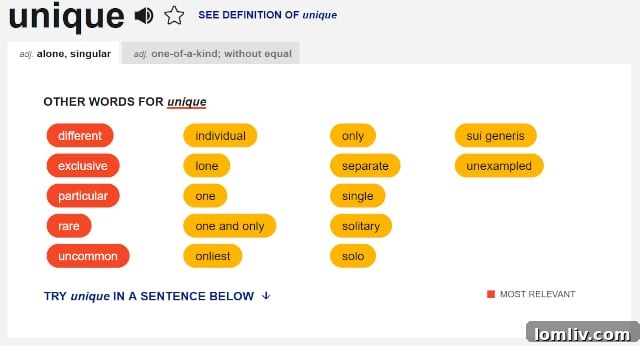
Elevate Your Language: Rediscover the Thesaurus for Sharper Communication
In the vast landscape of information we consume daily, particularly within specialized fields like real estate, the ubiquity of certain words can become incredibly monotonous. As someone who sifts through countless reports, listings, and analyses, the repetitive use of terms such as “iconic,” “unique,” “rarely available,” “charm,” and “character” becomes not just tiring, but also dilutes the true meaning and impact of these descriptors. This linguistic fatigue extends beyond real estate; it’s a symptom of a broader issue where convenience often triumphs over creativity and precision in communication.
The real estate sector, perhaps more than any other, often falls prey to this linguistic trap. Television programs focused on home design and renovation, for instance, frequently rely on phrases like “charm” and “character” to an almost comical degree, suggesting a pervasive lack of imagination in describing properties. For realtors and marketers crafting property descriptions, embracing a thesaurus should be an indispensable practice. Tools like Thesaurus.com offer an accessible gateway to a richer vocabulary, allowing for more precise, engaging, and memorable descriptions that truly stand out in a crowded market. Moving beyond clichés is not merely about aesthetic preference; it’s about effective marketing and conveying genuine value.
Consider the high-rise market, where the terms “rare” and “unique” are frequently misapplied to floor plans, even when identical units are concurrently available for sale. Such mischaracterizations undermine credibility and disappoint potential buyers who expect genuine distinction. Similarly, describing buildings or listings as “iconic” without considering alternatives like “memorable,” “remarkable,” “extraordinary,” or “notable” misses an opportunity to paint a more nuanced and accurate picture. The goal of property descriptions should be to evoke a sense of authenticity and exclusivity where it genuinely exists, not to inflate features with hyperbolic and overused adjectives. By carefully selecting words, real estate professionals can elevate their communication, foster trust, and differentiate their offerings in a competitive environment, ultimately leading to more successful engagements with prospective clients who appreciate thoughtful and accurate presentations.

Beyond Convenience: Understanding the True Cost of Modern Living
Our modern world frequently prioritizes convenience above almost all else, a trend that, while superficially appealing, carries significant and often overlooked costs. This obsession with immediate gratification and effortless access manifests in environmental degradation and exploitative labor practices, painting a stark contrast to our stated values. We profess concern for the environment, yet readily contribute to pollution through increased air and road miles, excessive cardboard, and other packaging materials. The promise of “free” next-day delivery often masks the immense ecological footprint left behind, an impact that is too often ignored in our pursuit of a seamless consumer experience.
The narrative that we lack the time of previous generations is often used to justify these convenient, yet unsustainable, habits. While digital distractions and social media consumption undoubtedly absorb significant portions of our time, the underlying issue lies in our willingness to outsource tasks without fully comprehending the ripple effects. The sheer volume of single-use packaging, particularly evident in the overwhelming number of cardboard boxes discarded daily in residential buildings, serves as a tangible reminder of the environmental burden imposed by our collective consumption habits. This convenience comes at a heavy environmental price, contributing to waste, carbon emissions, and resource depletion, challenging our commitment to a sustainable future.
Beyond environmental concerns, the quest for convenience often masks deeply unsettling truths about labor ethics. While there’s widespread public support for increasing the minimum wage, many consumers simultaneously patronize the gig economy, where workers often barely scrape by. From Uber, Lyft, and various delivery drivers to Amazon warehouse employees, these essential service providers frequently operate under conditions that offer minimal job security, benefits, or fair compensation. The very foundation of our convenient, on-demand economy is often built upon the precarity of these workers’ livelihoods.
Stark statistics underscore this reality. Data from the U.S. Government Accountability Office reveals that a staggering 70 percent of food stamp recipients are employed full-time, highlighting a pervasive issue of working poverty. Major corporations, including Walmart, McDonald’s, dollar-store chains, and Amazon, frequently rank among the largest employers whose staff rely on public assistance. This suggests a systemic imbalance where the convenience enjoyed by consumers comes at the expense of livable wages for a significant portion of the workforce.
Further insights into the economic impact of these convenient services were highlighted by a Chicago Tribune report, which detailed how average industry compensation in 68 counties where Amazon established large facilities declined by over 6 percent within the first two years, according to Bureau of Labor Statistics data. A notable example occurred in Robbinsville, New Jersey, where warehouse workers’ average hourly wage dropped from $24 to $17.50 after Amazon opened a giant facility in 2014. While wages eventually recover, this typically takes five years, illustrating a significant short-term disruption for local economies and workers. Despite these findings, companies like Amazon, whose CEO’s wealth substantially grew in the same period, often dispute such conclusions, underscoring a fundamental tension between corporate profit motives and worker welfare.
The lament for shuttered local businesses often rings hollow when juxtaposed with the public’s reluctance to physically shop or drive to support them, deeming such efforts “too inconvenient.” This dichotomy reveals a critical disconnect: a desire for vibrant local economies without the willingness to make the necessary personal investment. True community support requires conscious choices that prioritize local engagement over the ease of online giants. Understanding and addressing the true cost of convenience – environmentally, socially, and economically – is an essential step towards fostering a more equitable and sustainable future for all.
Accountability in Action: Stop Rewarding Unrewardable Acts of Governance
The critical examination of leadership during times of crisis is not a partisan issue but a civic imperative. When faced with unprecedented challenges, the effectiveness of governance directly impacts the lives and livelihoods of millions. The COVID-19 pandemic served as a stark and tragic illustration of this principle, revealing significant disparities in outcomes that demand our scrutiny and accountability. With a population of 332 million, the U.S. is the third most populous country globally, yet its pandemic response, when compared to nations like India – which has over a billion more people – reveals concerning differences. India, despite its vast population, reported approximately half the total COVID-19 cases and a significantly lower death toll compared to the U.S. This alarming disparity extends even to chronically impoverished nations like Bangladesh, which, with half the U.S. population, reported only 2.5 percent of the total cases observed in the USA (516,019 cases vs. 21,113,527). These figures are not mere statistics; they represent lives lost and communities fractured, underscoring a profound failure in public health management.
To further contextualize the immense human cost, consider that the U.S. has already lost a population equivalent to that of Iceland, and projections indicated that by the end of January, the death toll would rival the entire population of Costa Rica. Cumulatively, more lives have been lost in the U.S. than the total populations of the smallest 45 nations combined, and roughly the same as the smallest 16 nations together. These comparisons are not made to diminish any nation’s suffering but to highlight the extraordinary scale of the tragedy within the United States and prompt a critical reflection on the effectiveness of its leadership during this global crisis. The sheer magnitude of these losses demands that citizens actively question and challenge the status quo, refusing to normalize such devastating outcomes.
I’m opinionated. But it’s an opinion informed by research that respects truth.
– Jon Anderson –
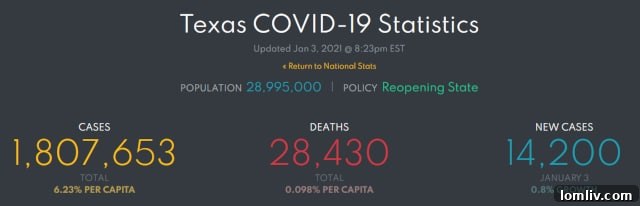
Bringing this analysis closer to home, the situation in states like Texas provides a painful example of potential governance shortcomings. Texans might justifiably feel outrage when observing countries like Venezuela, with a similar population, reporting drastically fewer COVID-19 deaths (around 1,032) or Australia, with three million fewer residents, recording only 909 deaths. In stark contrast, Texas has reported over 28,430 deaths, a death rate approximately 28 times higher than these comparable nations. Such figures compel us to question the decisions made by elected officials and their direct impact on public health outcomes. Accountability for competence should transcend political affiliations, as public safety is a universal concern.
Despite these critical shortfalls, a persistent trend sees citizens repeatedly electing and re-electing individuals responsible for these levels of incompetence. This cycle perpetuates a system where ineffective governance is tacitly rewarded. While instances of individual misjudgment, such as Austin’s Democratic mayor Steve Adler vacationing in Mexico during a critical period, certainly warrant criticism, the broader issue often lies with policies enacted (or not enacted) at higher levels. For example, Governor Greg Abbott’s decisions regarding municipal autonomy in implementing stricter public health measures became a significant point of contention. The lesson is clear: holding leaders accountable for their performance, regardless of their political stripe, is fundamental to a functioning democracy and vital for ensuring effective crisis management and public welfare. Our collective future depends on our willingness to demand and vote for demonstrated competence and sound judgment in public office.

The Digital Gateway: How Your Website Serves as Your Business’s Front Door
In an increasingly digital world, especially following global events that have accelerated online dependency, a business’s website has transformed into its primary front door and often the first impression it makes on potential customers. The holiday season, with its emphasis on discovery and purchase, highlighted this reality through casual browsing of design and real estate magazines. When encountering appealing products or brands, the immediate instinct is to visit their website for more information, underscoring the critical role of a robust and accessible online presence.
A prime example, Gessi, a company known for high-end plumbing fixtures, recently showcased an award-winning Hi-Fi range that cleverly mimicked vintage stereo equipment. Intrigued, I visited their site and sent an inquiry regarding a specific configuration. While I received a prompt request for my country of origin, the initial response failed to address my specific, non-country-dependent question. This experience, though minor, highlights a common pitfall: a lack of personalized or thorough customer service can detract from an otherwise impressive product offering and online presentation. A website may open the digital door, but effective communication must follow to convert interest into engagement.
Another striking example was IKSEL wallpaper, which proudly proclaimed itself “way beyond wallpaper” in an eight-page spread in World of Interiors’ February issue. Despite the extensive print advertising, their entire online portfolio was protected, accessible only to registered users. This presented a significant barrier to entry for a casual but interested browser. Upon sending a note expressing surprise at the requirement to create an account merely to view their products, the owner, Mehmet Iksel, responded with an astonishingly dismissive message: “Quite right, you don’t need our products. That’s why we don’t sell to the general public; precisely in order not to have to deal with people like you.”
This interaction, while highly personal, serves as a powerful cautionary tale for any business operating in the digital sphere. Regardless of a company’s niche or perceived exclusivity, an unwelcoming online experience or outright hostile customer service can irreparably damage brand perception. In an era where online reviews and social media narratives hold immense sway, every digital interaction contributes to a brand’s reputation. Even for products “beyond wallpaper,” the internet remains the primary gateway, and businesses must ensure that this gateway is not just visually appealing but also genuinely open, informative, and customer-centric to attract and retain their desired clientele.

Cultivating Insight: The Power of Critical Thinking and Deep Dive Research
In the cacophony of online discourse, it’s not uncommon for any form of commentary, particularly one backed by strong opinions, to be met with labels such as “one-sided,” “fake news,” or “subjective junk.” While everyone is entitled to their perspective, the digital age offers an unparalleled opportunity for writers to substantiate their claims by directly linking to primary source material. This practice, which I consistently adhere to, empowers readers to verify information independently, fostering transparency and trust. Whether discussing local urban planning debates like the Preston Center garage, environmental initiatives like Reverchon Park, or specific development projects such as the gayborhood project Mike Ablon advocates for, the inclusion of direct links to legal ordinances, city-filed applications, and other official documents allows readers to “peel back the onion” and examine the foundational evidence. My role often involves synthesizing these disparate pieces of information, presenting them in a cohesive narrative that might not be immediately obvious from individual sources.
As a proponent of rigorous analysis, I welcome criticism that is itself informed and substantive. However, I advocate for a crucial step before forming a judgment: thoroughly examining the information presented, especially when it challenges one’s existing worldview. This is precisely where genuine learning and intellectual growth occur. It requires moving beyond superficial headlines and engaging with the nuances of an argument, even if it requires confronting uncomfortable truths. There have been instances where initially compelling stories, upon deeper investigation, proved to be lacking in factual basis, underscoring the importance of this critical vetting process. My hope is that regular readers recognize the commitment to following a compelling lead down a “WTF rabbit hole” of research, a journey that ultimately aims to uncover and articulate the truth.
Thus, while my writing often carries a strong viewpoint, it is an opinion meticulously informed by thorough research and a profound respect for verifiable truth. This commitment to evidence-based analysis is more vital than ever in a world inundated with misinformation. For instance, the COVID-19 statistics presented earlier regarding comparative death rates and case numbers across different nations should have been profoundly impactful, yet many may have been genuinely shocked by them. This reaction highlights a critical gap in public awareness, often exacerbated by reliance on echo chambers found on platforms like Facebook and Twitter, which frequently prioritize emotional engagement over factual accuracy.
My ultimate resolution for all is to move beyond the superficial engagement often encouraged by social media. Disengaging from the incessant, often unverified, stream of information on platforms like Facebook and Twitter can liberate significant time and mental energy. This newfound capacity can then be channeled into deeper, more critical investigation of the real world around us – reading diverse sources, seeking primary data, and engaging in thoughtful deliberation. By cultivating a habit of critical inquiry and informed engagement, we empower ourselves to make better decisions, contribute more meaningfully to public discourse, and foster a society built on understanding rather than conjecture. It’s an investment in our collective intelligence and future well-being.
In conclusion, as we advance into the year, let us embrace several pivotal resolutions. Prioritize personal and collective health by staying informed and getting vaccinated. Elevate our communication by consciously avoiding trite and overused language, particularly in professional contexts. Make discerning decisions that consider the broader environmental and social impact, moving beyond the illusion of mere “convenience.” Hold our elected officials accountable for competence and responsible governance, ensuring that public service truly serves the public. Finally, commit to a lifelong journey of critical thinking, delving deeper into complex issues rather than accepting information at face value. Should you choose to minimize your time on platforms like Facebook, you will undoubtedly discover a wealth of time and mental clarity to dedicate to these enriching pursuits. And remember, choose to support businesses that genuinely value and respect their clientele, rather than those who diminish them.