By Bob Hoebeke
President, Hoebeke Builders
One of the most profound and enduring gifts you can bestow upon your family is a home thoughtfully designed to foster connection, comfort, and shared experiences. Building or extensively remodeling your home can be an incredibly rewarding journey, a true labor of love that shapes your future. However, much like crafting a culinary masterpiece, success in home construction isn’t left to chance; it follows a well-defined recipe.
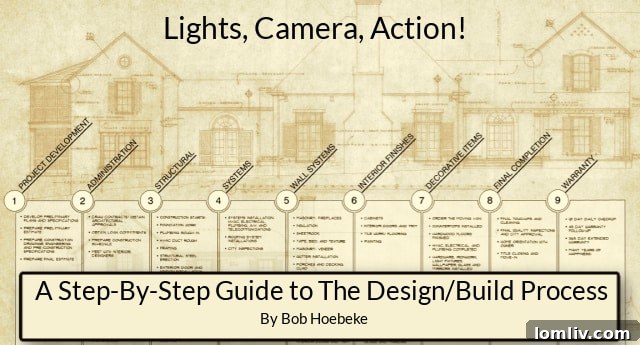
Welcome to the inaugural installment of our comprehensive 12-week series, meticulously crafted to guide you through the intricate world of home building and renovation. From initial dreams to final finishes, we aim to demystify the process, helping you navigate the complexities with confidence and clarity. As the timeless melody from The Sound of Music reminds us, “Let’s start at the very beginning, a very good place to start!” And in the realm of custom home creation, that beginning involves a deep dive into how you truly live.
So, let us embark on this exciting journey by exploring a foundational concept that will define the very essence of your future living space:
Crafting Your Dream Home: The Essential Lifestyle Inventory
Before any blueprints are drawn or a single nail is hammered, the most critical first step in designing your ideal home is to understand your family’s unique lifestyle. This isn’t just about listing rooms; it’s about envisioning daily routines, future aspirations, and the specific ways your family interacts within your living environment. This foundational exercise is what we call developing a “Lifestyle Inventory,” and it serves as the compass for your entire building project.
A crucial component of this inventory is distinguishing between your family’s genuine “needs” and its delightful “wants.” Your “needs” are the non-negotiable functional requirements that dictate specifically sized spaces and essential functionalities. These are the elements without which your home wouldn’t adequately support your family’s core activities. In contrast, “wants” represent desirable, often luxurious additions that would enhance comfort or aesthetics but may not be strictly necessary, especially when factoring in budget constraints.
Consider a family of five, for instance. A fundamental “need” would likely be four bedrooms to comfortably accommodate everyone. However, the desire for “a fifth bedroom for company” might fall into the “want” category. Or perhaps, driven by a desire for reduced clutter and a dedicated quiet zone, the “need” dictates that the primary owner’s bedroom and three children’s bedrooms be located upstairs. Simultaneously, a “want” could be to strategically incorporate a fifth bedroom downstairs, specifically designed to comfortably house aging parents, offering convenience and accessibility. Every family’s specific requirements are unique, driven by their particular lifestyle, habits, and future plans.
Since you’re investing significant time, energy, and resources into building a new home or undertaking a major remodel, it only makes sense to dedicate sufficient thought to *how* you live. By concentrating on your daily patterns, social habits, and personal preferences, you empower your design team to create spaces—both essential and aspirational—that are perfectly tailored to you. This ensures that every square foot serves a purpose, reflecting your individuality and enhancing your quality of life.
Practical Steps to Develop Your Comprehensive Lifestyle Inventory
To effectively create your Lifestyle Inventory, we recommend a multi-faceted approach, combining introspection, practical assessment, and visual inspiration. Here are some actionable tips to get started:
Step 1: Define Your Needs vs. Wants with a Simple Brainstorm.
Grab a trusty yellow pad (or a digital equivalent) and draw a clear line down the center of the page. Label one side “Needs” and the other “Wants.” This simple visual separation will become invaluable as you begin to prioritize and make decisions. Now, systematically go through every potential space and function in your future home, asking critical questions:
- Bedrooms and Bathrooms: How many bedrooms are absolutely essential for current family members and potential growth? Do you need en-suite bathrooms for every bedroom, or are shared facilities sufficient? Is a powder room for guests a need or a want? Consider accessibility requirements for current or future needs.
- Living Spaces: Do you envision formal living rooms for entertaining or prefer a more casual, open-concept great room that seamlessly integrates living, dining, and kitchen areas? What about a dedicated media room, a quiet reading nook, or a flexible space that can adapt to different uses?
- Kitchen Amenities: Think beyond the basic function. Is your kitchen primarily a functional workspace for daily cooking, or do you frequently entertain and require a spacious layout with professional-grade appliances, a large island, or a butler’s pantry? Consider actual use versus creating a “household museum.”
- Workrooms and Utility Spaces: Is a dedicated laundry room a must, or can it be combined with another utility area? What about a mudroom for coats and shoes, or a specific hobby room?
- Home Office and Work Carrels: The recent past has underscored the importance of dedicated workspaces. Do you need a private home office, multiple work carrels for children’s studies, or a flexible space that can serve dual purposes?
- Outdoor Living and Entertaining: How important is your outdoor space? Do you dream of a large patio, a covered deck, an outdoor kitchen, a dedicated play area for children, or simply a tranquil garden retreat?
- Other Amenities: Consider other specific desires that cater to your lifestyle: How many cars need to be garaged? Is a wine cellar, a home bar, a walk-in pantry, or a specialized storage room (e.g., for sports equipment) a priority?
Remember, each room function you select drives an optimum size and configuration for that room. For instance, rectangular rooms are often easier to furnish and decorate than square rooms, and rectangular rugs complement them better. Staircases typically require a minimum square footage footprint, often around 150 square feet, for safe and comfortable ascent/descent. Ideally, kitchen countertops should be approximately 42 inches apart to allow for maximum efficiency and ease of movement within the work triangle. Focus intently on the function and the required space first, and we can delve into the exciting details of dressing and decorating these rooms later.
Step 2: Objectively Evaluate Your Current Living Environment.
This is a crucial step for grounding your dreams in reality and learning from past experiences. Find a set of 3×5 cards (or use a dedicated notebook) and systematically measure each room in your existing home. On each card, meticulously write down the existing room’s function and its precise dimensions (length x width). This exercise provides invaluable “word pictures”—tangible reference points that will aid your discussions with designers and builders.
When you’re discussing potential new room sizes or layouts, a quick glance at your card will help you mentally equate what’s being discussed with a space you are already intimately familiar with. This allows for more informed and realistic feedback. Beyond simple measurements, conduct a running inventory evaluation:
- Identify what aspects of your current home work exceptionally well.
- Pinpoint what doesn’t work. For example, you might note, “The 16-foot overhead door on my garage really cramps us when parking two cars,” or “Our kitchen island is too small for meal prep and entertaining simultaneously.”
- It is vital to measure just what you currently have and resist the urge to edit these observations based on what you hope to have. Be brutally honest about the shortcomings and successes of your present living situation; this data is pure gold for future design decisions.

Step 3: Curate a Collection of Visual Inspiration.
Once you have a handle on your functional needs and current space realities, it’s time to let your imagination soar—with a little visual guidance. Begin to collect and catalog pictures from various sources: glossy magazines, online platforms like Houzz and Pinterest (which are excellent starting points for home design ideas), and even photographs from homes you’ve visited that sparked an idea or feeling. The goal here is to capture and consolidate design elements that resonate with you.
To make this collection truly useful:
- Organize Your Pictures by Room Function: Group all kitchen images together, great rooms together, outdoor living spaces together, and so on. A few well-chosen, inspiring pictures per space are often more effective than hundreds of random ones.
- Don’t Over-Analyze: If a picture attracts you, but you can’t quite articulate *why* you like it, that’s perfectly fine! Save it anyway. It’s the architect’s or designer’s job to help you deconstruct and define the underlying elements that appeal to you.
- Maintain Flexibility: This is perhaps the most crucial piece of advice for this stage: DON’T get married to any single idea or image! While inspiration is vital, approaching the design process with “absolutes” can make it much more challenging to achieve an optimal design that balances aesthetics, functionality, and budget. It’s far more effective to consider “hypotheticals” – ideas that can be adapted and molded as the design process unfolds.
By effectively triangulating between these three critical components—defining your functional needs and desired spaces, gaining an objective understanding of your existing environment, and dreaming creatively about what your new space could look like—you dramatically maximize opportunities for innovation and significantly minimize potential risks. Remember this fundamental truth (and we will reiterate it often throughout this series): mistakes and surprises are the sworn enemies of any successful building or remodeling project. A mere pound of diligent prevention and proper planning at this initial stage is truly worth a ton of future anguish, costly rework, and unforeseen delays!
NEXT WEEK: Having laid the essential groundwork with your meticulously prepared Lifestyle Inventory, we will transition to the next exciting phase. We’ll show you exactly what to do with all this valuable information, and begin the critical process of building your “Project Team” – sharing invaluable tips for interviewing and selecting the right professionals who will bring your dream home to life.
From developing a comprehensive “Lifestyle Inventory,” to meticulously building and monitoring your Project Team, Hoebeke Builders Consulting Services provides all the essential tools and expert guidance necessary to dramatically increase your project’s efficiency, while strategically decreasing your overall project cost! Discover more about how we can help you achieve your dream home at www.hoebekebuilders.com.