Today marks a pivotal moment for the future of Texas as citizens head to the polls for the primary elections. These elections are not mere formalities; they are the bedrock upon which our state and cities will be shaped for years to come. Voters across Texas will select the Democratic and Republican nominees who will go head-to-head in the general election this November, with the winners charting the course for our communities.
While much attention is often drawn to high-profile state-level contests, such as Attorney General Ken Paxton facing a challenge from three significant Republican primary contenders, including George P. Bush, and Governor Greg Abbott gearing up for a likely showdown with Beto O’Rourke in November, it is crucial not to overlook the equally, if not more, impactful local races. Congressional battles are also underway, notably with nine candidates vying for the seat of retiring U.S. Rep. Eddie Bernice Johnson (D-TX 30) and U.S. Rep. Van Taylor (R-TX 3) from Collin County confronting a substantial challenge. These races collectively determine the direction of our state, region, and indeed, the nation.
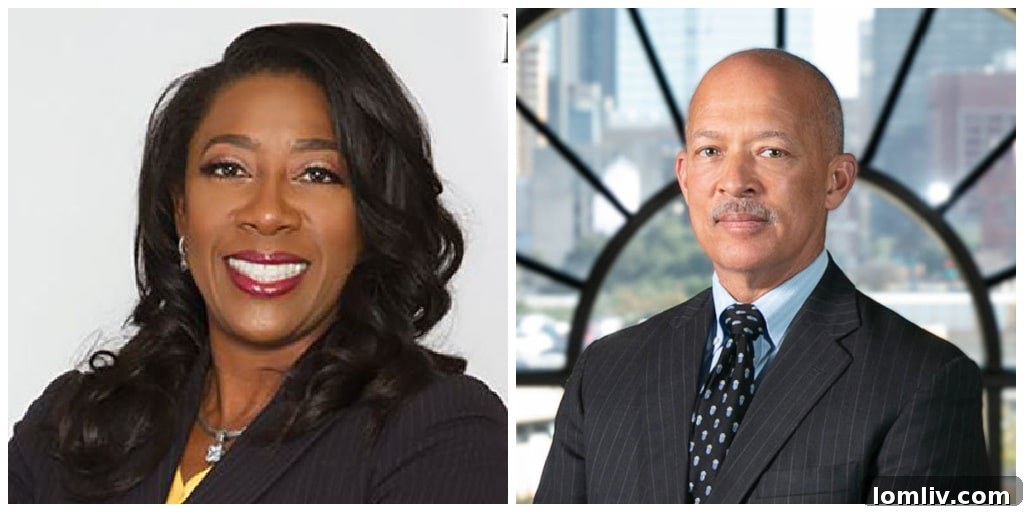
However, when it comes to the immediate safety and security of our homes, families, and daily routines—whether you’re loading groceries at your local Tom Thumb or Costco, or simply enjoying your neighborhood park—no race carries more weight than that of our Dallas County District Attorney. The individual holding this office has direct influence over the enforcement of laws, the prosecution of criminals, and ultimately, the public safety of over 2.6 million residents. Their policies dictate how crime is addressed, how victims are supported, and how the broader community is protected.
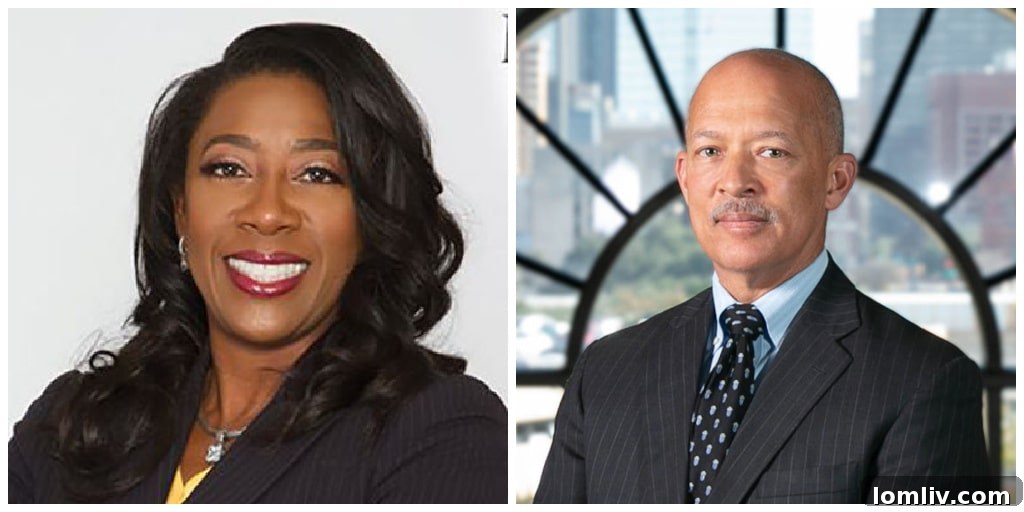
It is with this profound understanding of the DA’s role that, if you are voting in the Democratic primary, I urge you to cast your ballot for Elizabeth Frizell. Her vision for Dallas County offers a much-needed course correction, promising a return to policies that prioritize the safety and well-being of every citizen.
Current District Attorney John Creuzot has spent the last three years of his first term implementing policies aimed at reducing the number of individuals circulating through our county’s criminal justice system. His stated objective was to achieve this without compromising public safety. However, the reality on the ground, particularly in our Preston Hollow neighborhood, paints a different picture. The tragic murder of a woman in her own driveway on a sunny afternoon serves as a stark reminder of the fragile nature of safety. Disturbingly, at least one of the young men arrested in connection with this heinous slaying was a violent criminal who, in my opinion, should not have been free to roam our streets. Such incidents underscore the critical need for a District Attorney whose policies genuinely safeguard the community, not just reduce incarceration statistics.
John Creuzot’s approach, often described as progressive or “California-esque,” has included controversial policies such as not prosecuting individuals for Class B misdemeanor thefts of food, diapers, or formula valued between $100 and $750, provided the theft was not for financial gain. While the intent might have been to avoid penalizing individuals for desperate acts, the practical consequence has been to embolden criminals and, frankly, to “hog-tie” our dedicated police force. This policy, in effect, signals that certain crimes will go unpunished, creating a permissive environment that undermines law enforcement efforts and public confidence.
“I have the data,” Creuzot claimed in an interview with KERA.“When I’ve talked to individuals in the community and explained the policy and explained what the numbers are, they haven’t had a problem.”
John Creuzot on KERA’s “Think” with Krys Boyd
Despite these claims, the lived experience of Dallas residents and observable crime trends suggest that Creuzot’s data may not fully reflect the real impact on community safety. His vision to reduce mass incarceration, while a laudable goal in principle, appears to have come at the direct expense of security for Dallas neighborhoods and the bustling downtown core. Just two weeks ago, I had the opportunity to moderate a panel discussion on the tremendous growth we are witnessing in downtown Dallas and Uptown. Yet, the discussion inevitably veered towards the escalating crime rates in these vibrant areas, so severe that citizens are now actively considering implementing private police patrols and sophisticated license plate monitoring systems. This is not the hallmark of a thriving urban center; it is a clear indicator of declining public safety. What unequivocally destroys real estate growth and investment? Unchecked crime.
Challenging Creuzot is Elizabeth Frizell, a strong, intelligent woman who brings a wealth of experience as an attorney and former judge. Frizell also recognizes the importance of reducing mass incarceration – a goal shared by many who seek a more equitable justice system. However, her approach fundamentally differs from Creuzot’s. She takes significant issue with his unilateral decision-making, emphasizing the necessity of involving the community and all stakeholders in the criminal justice system in policy formulation.
“He didn’t sit down and make sure he had buy-in from all the different departments in the criminal justice system,”
Elizabeth Frizell on “Think” with Krys Boyd
This commitment to collaborative governance highlights a crucial distinction between the two candidates. Frizell believes that effective policy reform requires broad consensus and active participation from police, prosecutors, judges, and community leaders to ensure both fairness and efficacy. Without such buy-in, even well-intentioned policies risk unintended consequences and resistance from those on the front lines of public safety.
Another significant point of divergence lies in their differing philosophies regarding grand jury indictment recommendations. Creuzot controversially decided it was no longer necessary for prosecutors to make indictment recommendations to grand juries. He argued that such recommendations to citizen panels, who ultimately issue indictments, violate the presumption of innocence for the accused and perpetuate a double standard. As a direct result of this policy, Dallas County grand juries no longer receive these recommendations. Frizell vehemently disagrees with this change, asserting that it is fundamentally the district attorney’s job to provide clear guidance and training to their prosecutors, which includes making informed recommendations to grand juries. She believes this practice ensures consistency, fairness, and the proper functioning of the legal system.
“In grand jury, I’m going to train my prosecutors to make a recommendation in every case, whether you’re an officer, whether you’re not an officer, as to whether or not the case should be officially charged,” she affirmed.
Elizabeth Frizell on “Think” with Krys Boyd
Frizell’s stance emphasizes the importance of a well-guided prosecutorial force that actively participates in the grand jury process, ensuring that cases are thoroughly reviewed and that appropriate charges are brought forward based on evidence and legal principles. This approach seeks to strengthen, rather than diminish, the role of the District Attorney’s office in upholding justice and maintaining public trust.
Beyond policy debates, further actions by Creuzot have raised serious questions about political motivation. For instance, his decision to prosecute two police officers for incidents that occurred during the downtown protests in the summer of 2020 – officers who had previously been cleared by a grand jury – just before early voting commenced, certainly doesn’t pass the “smell test.” These cases had reportedly been dormant on his desk for two years, and in one instance, a victim could not even be located. Such timing and circumstances lead many to question whether these prosecutions were driven by a genuine pursuit of justice or by political expediency, particularly given the sensitive nature of police accountability and public sentiment.
The challenges facing Dallas are not isolated incidents; they mirror a broader national trend. Across major U.S. cities, “soft on crime” district attorneys – in places like Los Angeles, San Francisco, Seattle, Chicago, and Portland – are often cited as contributing factors to the alarming spikes in violent crime. New York City, for example, has finally elected a mayor, a former police officer, who clearly understands the gravity of the situation and is committed to restoring public safety. The data is stark: nationwide homicides surged by 30 percent in 2020, and the murder rate in 22 major U.S. cities escalated by a staggering 44 percent in 2021 compared to 2019, according to the Council on Criminal Justice. This profound erosion of urban safety has tangible and far-reaching consequences.
One direct consequence of rising urban crime rates is demographic shift and economic disruption. When the murder rate climbs in a city, residents inevitably seek safer environments. This phenomenon drives people to relocate to the suburbs or even further out to exurbs and rural areas. Texas witnessed this trend firsthand last year, with rural land sales experiencing an unprecedented boom. Total land sales for 2021 surpassed those of 2020 by an impressive 17.8 percent, despite a fourth quarter that saw 953 fewer sales than the same period in 2020. In the fourth quarter of 2021 alone, Texas recorded 1,283 rural land sales, a significant drop from the 2,236 sales in Q4 2020, likely attributable to a severe lack of inventory rather than diminished demand. This outward migration impacts city tax bases, local businesses, and the overall vitality of urban centers, underscoring the critical link between public safety and economic prosperity.
The stakes in this Dallas County District Attorney primary could not be higher. The winner of today’s Democratic primary will advance to face former District Attorney Faith Johnson, the sole Republican candidate, whom Creuzot narrowly defeated in 2018. However, the economic health and social fabric of Dallas, particularly its robust real estate market, simply cannot afford another four years under the current leadership. Electing Elizabeth Frizell represents a crucial opportunity to re-establish a commitment to public safety, restore faith in our justice system, and ensure that Dallas remains a vibrant, secure, and prosperous place for all its residents.