Community Gathers: Transwestern Development Proposal Sparks Vital Dialogue in Dallas’s District 13
The vibrant spirit of community engagement thrives in Dallas, particularly as residents prepare for another crucial discussion on the proposed Transwestern development. This Thursday evening, Dallas City Councilman Lee Kleinman will once again stand at the podium, facilitating a neighborhood meeting dedicated to the three-acre proposal situated “Behind the Pink Wall” – a familiar moniker for the strategic northeast intersection of Northwest Highway and Preston Road. This ongoing dialogue underscores the profound impact such urban development projects have on local communities, transforming skylines and shaping the lives of countless residents.
For months, the Transwestern proposal has been a central topic of conversation, carefully navigating the intricate pathways of urban planning and public review. The journey of this significant development has been marked by a series of community meetings, detailed presentations, and robust debates, reflecting a committed effort by both developers and civic leaders to ensure transparency and inclusivity. The proposal’s progression has been meticulously documented, from its initial conceptualization to its current stage of intensive community scrutiny. Key milestones, including crucial planning commission hearings and previous neighborhood gatherings, have shaped the current discourse, each meeting contributing to a clearer understanding of the project’s scope and potential implications for the surrounding area.
The Significance of “Behind the Pink Wall”: A Dallas Landmark and Its Future
The phrase “Behind the Pink Wall” resonates deeply within the Dallas community, extending beyond a mere geographical descriptor to evoke a strong sense of place and a distinct neighborhood identity. This cherished area, strategically positioned at one of the city’s most prominent intersections – Northwest Highway and Preston Road – represents a vibrant nexus of established residential life, thriving businesses, and critical transit routes. Consequently, any development here is not just about erecting new structures; it’s about redefining the very character of a cherished locale, impacting everything from traffic flow and green spaces to local commerce, property values, and the overall quality of life for its residents. The proposed Transwestern project, encompassing three acres, aims to introduce a significant commercial or mixed-use development that proponents argue will bring economic vitality and modernization, while residents meticulously weigh its potential effects on their daily lives, existing infrastructure, and community aesthetics.
The current proposal, put forth by Transwestern, envisions a modern urban infill project designed to enhance the area’s economic and social fabric. While specific details of the development are still subject to community input and potential revisions, initial plans often suggest a sophisticated blend of commercial spaces, potentially including high-end retail or modern office units, and possibly a residential component. Such projects are frequently touted for their potential to create jobs, generate substantial tax revenue for the city, and modernize urban landscapes to meet contemporary demands. However, they also raise legitimate and pressing concerns among existing residents regarding increased traffic congestion, potential strain on public services, fundamental changes to the neighborhood’s established charm, and the crucial preservation of its existing community character. The overarching challenge lies in finding a harmonious balance that allows for progressive development while profoundly respecting and enhancing the unique fabric and aspirations of the neighborhood.
A Model of Transparency: Leadership in Community Engagement for Sustainable Growth
The diligent efforts of Councilman Lee Kleinman and Dallas City Plan Commissioner Margot Murphy in fostering an environment of open dialogue and accountability deserve significant commendation. Their unwavering commitment to a transparent and inclusive process has provided residents with ample opportunities to express their concerns, seek clarification, and actively participate in shaping the future of their neighborhood. In an era where urban development decisions can often feel opaque or dictated from a top-down perspective, Kleinman and Murphy have set a commendable standard for civic engagement. They have consistently ensured that every voice, from long-time homeowners deeply invested in the area to local business owners concerned about economic shifts, has a robust platform to be heard, thereby reinforcing the democratic principles that underpin effective and equitable city planning.
This profound commitment to transparency extends far beyond merely holding scheduled meetings; it involves actively listening to feedback, thoughtfully addressing nuanced questions, and facilitating genuine, productive exchanges between developers, city officials, and the affected residents. This iterative process of feedback integration and adjustment is absolutely critical for achieving outcomes that truly serve the broader public interest and foster sustainable urban growth. While the suggestion of handing out megaphones for every neighbor might be offered in jest, the dedication to providing multiple, accessible avenues for input—be it through public forums, direct communication channels, or official review processes—demonstrates a profound respect for the community’s indispensable role in urban development. This proactive approach not only builds essential trust between stakeholders but also consistently leads to more thoughtful, resilient, sustainable, and ultimately, more widely accepted projects that benefit everyone.
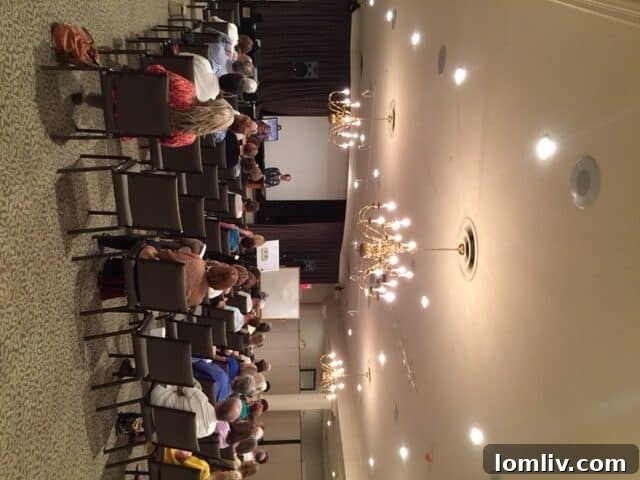
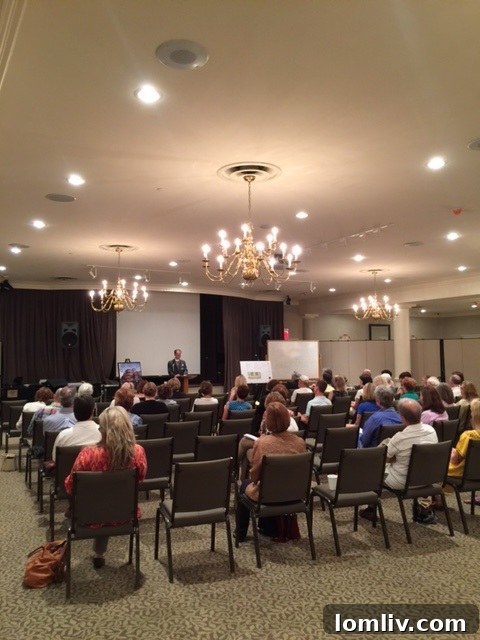
Previous discussions surrounding the Transwestern proposal have consistently taken place in accessible and familiar community venues, thereby allowing for direct interaction and immediate feedback. The strategic use of trusted spaces like the Park Cities Baptist Church has facilitated strong local turnout and fostered a vital sense of collective ownership over the outcome of the development. These meetings are not just informational sessions; they are essential forums for democratic deliberation, where diverse and sometimes competing interests are articulated, understood, and ideally, reconciled through constructive dialogue. The ultimate success of such a transparent and inclusive process hinges critically on the active participation of informed and engaged citizens, making every meeting a pivotal and impactful moment in the project’s evolving trajectory.
An Invitation to Participate: Shaping Dallas’s Future Together
As the Transwestern development continues its journey through the complex planning process, the upcoming community meeting represents another critical juncture for residents of District 13 and surrounding areas. This is a unique and invaluable opportunity to directly engage with the project’s key stakeholders, to understand the latest revisions to the proposal, and most importantly, to voice perspectives that will ultimately inform the final decisions made by the City Council. The commitment to community-driven development is a fundamental hallmark of progressive urban planning, ensuring that growth is not just about physical expansion, but fundamentally about enhancing the lives and well-being of those who proudly call Dallas home.
Presentations at the meeting will offer comprehensive insights into the Transwestern plans, providing a detailed overview for all attendees. Mark Culwell, representing Transwestern, will provide an essential update on the development proposal, detailing its current form, outlining its key features, and addressing specific aspects most relevant to the community’s concerns. Following this, Bill Dahlstrom from Jackson Walker will offer expert legal, and potentially environmental or regulatory perspectives, helping residents to understand the broader implications of the project within the city’s complex legal and zoning framework. These meticulously prepared presentations are specifically designed to equip attendees with the robust knowledge necessary to engage in an informed discussion and ask pertinent, impactful questions.
The importance of attendance and active participation at this meeting cannot be overstated. Each individual voice contributes significantly to a collective understanding and powerfully strengthens the community’s position in advocating for its best interests. Whether you are a long-time resident deeply familiar with the area, a local business owner with economic stakes, or simply an engaged citizen deeply interested in the principles of urban planning, your presence and input are invaluable and deeply appreciated. This is your vital chance to actively contribute to the future landscape of Dallas, ensuring that development aligns seamlessly with community values and aspirations, fostering a city that grows both sustainably and inclusively.
For any additional information regarding the meeting or the Transwestern proposal, residents are strongly encouraged to contact Councilman Kleinman’s office directly. The dedicated office staff are well-prepared and eager to assist with inquiries and provide all necessary resources to facilitate informed and meaningful participation. This direct line of communication further exemplifies the transparent and resident-centric approach adopted by city officials in managing this significant and impactful development project.
|
|
|