For homeowners in the vibrant, rapidly growing region of North Texas, the phrase “foundation problems” can instantly evoke a sense of dread. It’s a topic often whispered about, fraught with anxiety, and associated with significant financial implications. However, ignoring the elephant in the room — or, more accurately, the soil beneath your home — is not an option. Understanding foundation issues, their causes, and the proactive measures you can take is not just prudent; it’s absolutely essential for safeguarding your most significant investment.
The Dallas-Fort Worth Metroplex, a hub of bustling activity and diverse communities, presents unique challenges when it comes to residential foundations. Our distinct climate and geological characteristics make homes particularly susceptible to foundation stress. But here’s the crucial takeaway: knowledge is power. By educating yourself on the common signs of trouble, adopting proactive care strategies, and knowing when to consult the right experts, you can navigate these challenges with confidence and preserve the structural integrity and long-term value of your home. This comprehensive guide will equip you with the insights you need to face North Texas foundation problems head-on, transforming potential worries into manageable situations.
Understanding the Root Cause: Why North Texas Foundations Move
To truly grasp foundation problems in our region, we must first look beneath the surface. North Texas is notorious for its expansive clay soils, a geological feature that plays a primary role in foundation movement. Clay soil has a remarkable, yet problematic, ability to absorb significant amounts of water, causing it to swell or expand considerably. Conversely, during dry periods, this soil contracts dramatically as it loses moisture. This constant cycle of expansion and contraction, akin to the ground “breathing” with the seasons, exerts immense, fluctuating pressure on a home’s foundation, inevitably leading to shifting, settling, and damage over time.
Compounding this natural phenomenon are the region’s often unpredictable weather patterns. Long, hot, and intensely dry summers can lead to severe soil shrinkage, creating voids beneath the foundation. These conditions are then often followed by periods of heavy rainfall, which can cause rapid and uneven soil swelling. This stark contrast in moisture levels throughout the year creates an environment ripe for significant foundation stress. Whether your home rests on a concrete slab foundation or a pier-and-beam system, both are vulnerable to these relentless forces, though they manifest damage in slightly different ways. Understanding this dynamic relationship between climate, soil composition, and your home’s foundation is the first critical step toward effective prevention and timely intervention, empowering you to better protect your property.
Identifying the Silent Warning Signs of Foundation Distress
Foundation problems rarely announce themselves with a sudden, dramatic collapse. Instead, they often manifest through a series of subtle, accumulating clues that savvy homeowners can learn to recognize. Early detection is paramount, as addressing issues in their infancy can prevent more extensive and significantly more costly repairs down the line. Keep a watchful eye on both the interior and exterior of your home for any of these tell-tale indicators. The original content highlighted a specific video demonstrating the issue of doors becoming out of frame; here, we describe this and other crucial signs in detail.
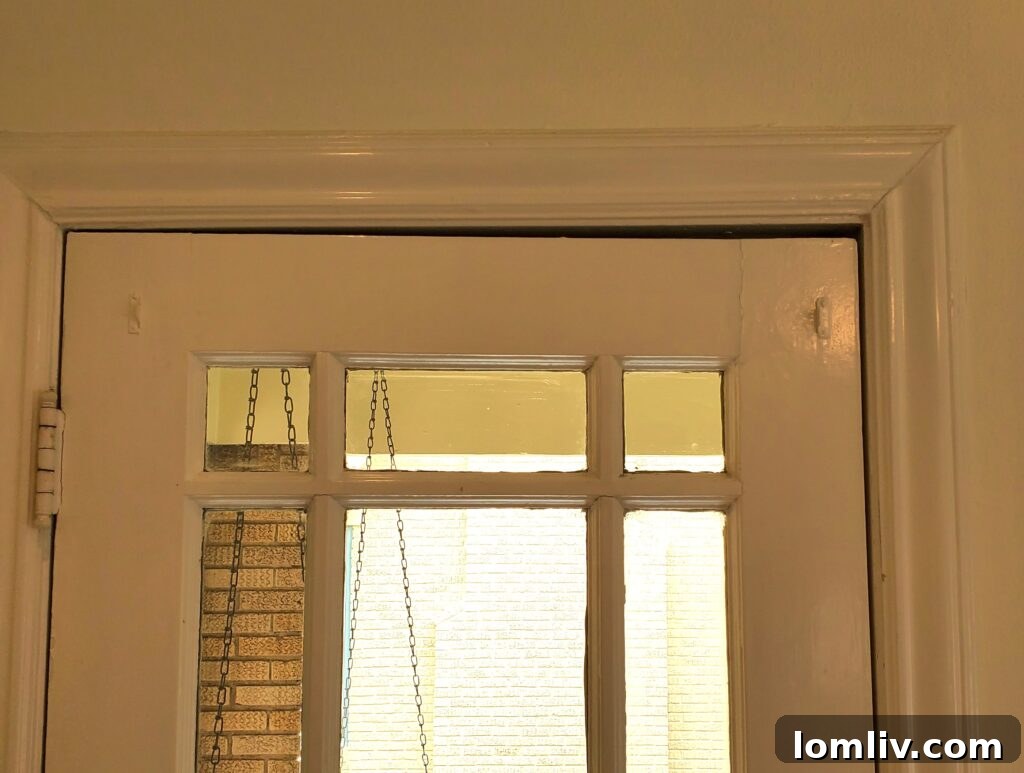
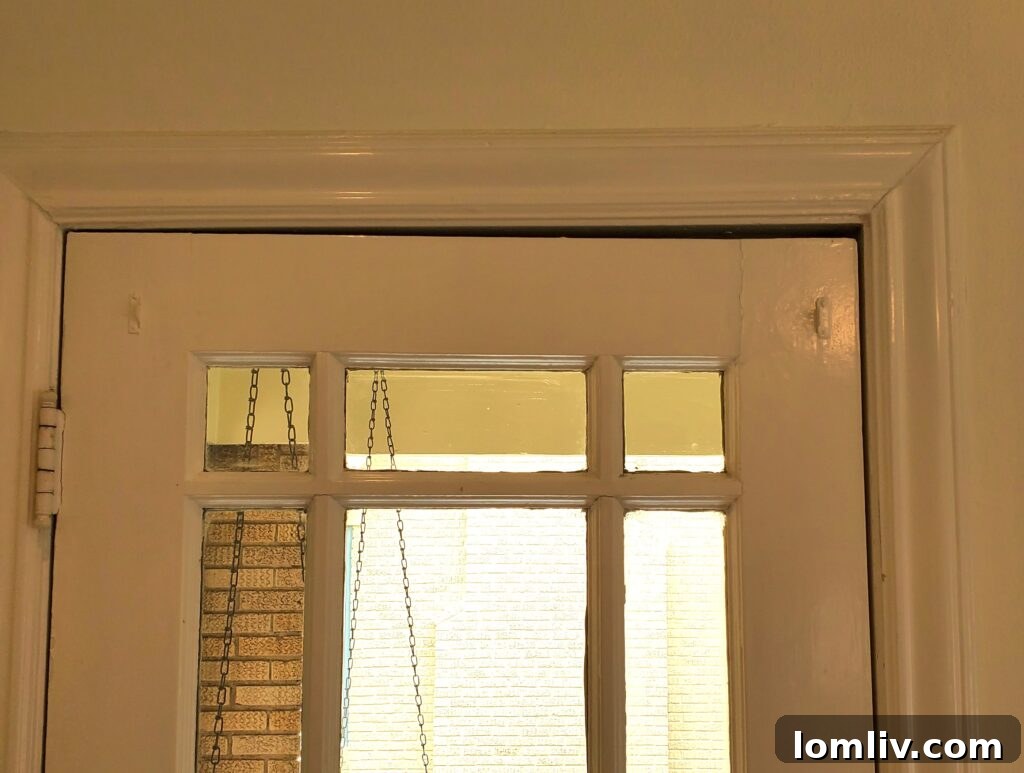
One of the most frequently cited and easily noticeable signs of potential foundation movement is the behavior of your doors and windows. Imagine doors that once opened and closed effortlessly suddenly sticking, binding, or developing uneven gaps around their frames. Perhaps you’ve observed doors swinging open or closing entirely on their own, giving the uncanny illusion of a draft or even a ghostly presence. While these might seem like minor inconveniences, they are often strong indicators that your home’s structural frame has shifted, causing door and window casings to become misaligned. This phenomenon, where doors are visibly “out of frame” or difficult to operate, is a compelling signal that a Foundation Elevation Survey might be warranted. Such a survey can precisely measure any shifts in your home’s levelness and quantify the extent of the movement.
When purchasing a home in the Dallas-Fort Worth area, a thorough home inspection is an invaluable investment. Your DFW home inspector will meticulously scan for existing signs of foundation movement, evidence of past repairs, or conditions that could lead to future issues. They provide a detailed report that serves as a crucial baseline for future reference and can highlight problems that might escape an untrained eye. Here’s a comprehensive list of what they, and you, should be diligently looking for:
Inside the House: Interior Indicators of Foundation Movement
- Cracks in Drywall: Pay close attention to cracks, especially those appearing near doorframes, window sills, or in the corners of rooms. Diagonal cracks, often wider at the top than the bottom (or vice versa), are particularly concerning as they frequently indicate differential settling or shifting.
- Cabinets and Counters Separating from Walls: Visible gaps between kitchen cabinets or bathroom counters and the adjacent walls strongly suggest that the underlying structure itself is shifting, pulling these fixtures away from their original, plumb positions.
- Out-of-Level Doors or Floors: Doors that don’t latch properly, have uneven gaps around the frame, or spontaneously swing open/closed are classic signs. Similarly, floors that feel noticeably spongy, sloped, or uneven when walked upon can indicate significant foundation settlement beneath them.
- Nail Pops: Small, circular cracks or protrusions in drywall where nail or screw heads are pushing through the paint and mud often signal movement in the framing behind the wall, which can be directly linked to foundation issues causing structural stress.
- Cracks in Ceilings: Similar to drywall cracks, fissures in ceiling plaster or drywall, particularly along seams, in corners, or radiating from light fixtures, should not be ignored as they indicate structural strain.
- Damaged Flooring: Unexplained buckling, cracking, or separation of tile grout, wood planks, or laminate flooring can be a direct symptom of an uneven subfloor caused by underlying foundation shifts.
Outside the House: Exterior Red Flags to Watch For
- Cracks in the Foundation Slab or Piers: Visible cracks in the concrete slab itself, or in the supporting piers of a pier-and-beam home, are direct evidence of foundational stress. Not all cracks are critical (hairline cracks are common and usually cosmetic), but wide, jagged, or distinct stair-step cracks demand immediate professional evaluation.
- Damaged or Leaning Chimneys: If your chimney appears to be separating from the main structure of the house or leaning noticeably to one side, it’s a strong indication of independent foundation settlement that requires urgent attention.
- Cracks in Driveway or Walkways: While these can occur due to normal wear and tear and concrete curing, significant cracks, especially those extending towards or connecting directly to the house’s foundation, might suggest underlying soil movement affecting multiple concrete structures on your property.
- Cracks or Damage to Siding or Bricks: Stair-step cracks in brick mortar, or visible splitting/crumbling of siding materials, particularly above windows and doors, are often symptomatic of the foundation below shifting and transferring stress upwards into the exterior walls.
- Water Pooling Near the Foundation: Poor drainage that leads to water accumulating around your foundation can saturate the expansive clay soil, causing it to swell excessively and put immense, prolonged pressure on your home. This is both a critical cause and a visible sign of potential problems that must be addressed.
Your comprehensive home inspection report, along with any subsequent professional assessments, should be meticulously archived. This documentation creates a vital chronological record of your home’s foundation health, allowing you to easily track any changes over time and address potential issues before they escalate into more severe structural damage.
Proactive Strategies: Getting Ahead of North Texas Foundation Problems
While the expansive clay soils of North Texas pose a significant and persistent challenge, homeowners are certainly not powerless. Implementing proactive maintenance and monitoring strategies can dramatically reduce the risk and severity of foundation problems. The overarching goal is to mitigate the drastic expansion and contraction cycles of the soil by maintaining a more consistent moisture level around your foundation. The original article mentioned video content about out-of-level floors, which is a common and undeniable sign of foundation shift, often resulting directly from the very climate and soil conditions we are discussing. Proactive measures can help prevent such occurrences.
Mastering Moisture Management Around Your Home
- Consistent Foundation Watering: This is arguably the most crucial preventative measure in our arid climate. During prolonged dry spells, especially our long North Texas summers, consistently watering your foundation helps keep the soil moist and prevents it from extreme contraction. Install soaker hoses around the perimeter of your home, ideally 6-12 inches from the foundation, and water for short periods (e.g., 15-20 minutes) a few times a week, adjusting frequency based on weather conditions. The aim is to achieve a stable, consistent soil moisture content, not to over-saturate.
- Effective Gutter and Downspout Systems: Ensure your gutters are perpetually clean and functioning properly, efficiently channeling rainwater away from your foundation. Extend downspouts at least 5-10 feet away from the house using extensions or splash blocks to prevent water from pooling directly against the foundation walls, which can lead to localized saturation.
- Proper Grading and Drainage: The ground around your house should always slope distinctly away from the foundation at a gradient of at least 6 inches over 10 feet. This ensures that surface water naturally drains away rather than collecting near the structure. Regrading might be necessary if your current landscape causes water to flow towards or stand near your home.
- Monitor for Plumbing Leaks: Hidden leaks from pipes under your slab foundation or within your walls can saturate the soil around and directly under your foundation, leading to localized swelling, erosion, and significant damage that can go unnoticed for extended periods. Be vigilant for unexplained increases in water bills, persistent damp spots on the ground or interior walls, or the faint sound of running water when no fixtures are in use.
Thoughtful Landscaping Choices for Foundation Protection
- Strategic Tree and Shrub Placement: While trees provide invaluable shade and aesthetic beauty, their extensive root systems are incredibly thirsty and can draw significant moisture from the soil around your foundation, particularly during droughts. Plant large trees at a safe distance (at least 15-20 feet) from your home. Opt for smaller shrubs and plants closer to the house, ensuring they don’t block essential ventilation to the foundation or contribute to excessive moisture retention.
- Maintain Garden Beds Properly: Mulch in garden beds can certainly help retain soil moisture, which is beneficial, but ensure that the beds themselves are properly sloped away from the foundation. Avoid planting water-intensive species directly against the house, as their constant need for water can cause localized soil instability.
Beyond these practical DIY measures, professional insight is invaluable. Experts like Above All Foundation Repair offer comprehensive assessments that can accurately diagnose existing issues and recommend tailored preventative strategies. Engaging with such seasoned professionals ensures that any necessary repairs are performed with precision, utilizing methods best suited for North Texas conditions, thereby guaranteeing the long-term stability and security of your foundation and overall home structure.
Is All Hope Lost? The Enduring Resilience of North Texas Homes
The mere thought of foundation repair can be incredibly daunting for any homeowner, but it’s crucial to understand that it is far from a hopeless situation. Many homes in North Texas, even those a century old, stand strong and proud today despite having experienced significant foundation movement in their lifetime. The key lies in diligent, ongoing maintenance and, when necessary, timely, professional, and proper repairs. The original article contained a fascinating example of a 100-year-old pier-and-beam home in Old East Dallas. This particular home, situated in an area historically known for its challenging soil around White Rock Lake, showcased numerous ad-hoc, DIY attempts at propping up its foundation over many decades – using everything from rudimentary wood slats and two-by-fours to bricks and shims, and even a bottle jack left precariously in place. While this is certainly *not* an example of good, safe, or recommended repair practice, it powerfully illustrates the underlying resilience of homes. Despite these improper, makeshift interventions, the house was still standing and functional, underscoring the fact that with proper, professional attention and repairs, homes can indeed endure and thrive for generations.
For homes with pier-and-beam foundations, which are common in many older neighborhoods across DFW, maintenance often involves inspecting and repairing or replacing deteriorating piers, shims, or beams in the crawl space. This can include leveling the floor system using adjustable supports. For modern concrete slab foundations, repairs typically involve installing robust steel or concrete piers deep beneath the existing slab to provide stable, unmoving support and lift the compromised areas back to level. Regardless of the specific type of foundation or the extent of the damage, effective and lasting solutions are readily available through specialized professionals.
When faced with suspected foundation issues, the single most important step is to seek informed, unbiased, and expert advice. Do not rely on quick fixes, unverified claims, or unqualified contractors. Here’s a strategic approach to ensure your home receives the best possible care and long-term protection:
- Engage a Knowledgeable Real Estate Agent: If you are in the process of buying a home, especially in areas historically prone to foundation issues (like parts of Northwest Dallas, Carrollton, or older East Dallas neighborhoods), work with an agent who possesses deep local market knowledge and can recommend reputable inspectors and structural engineers.
- Invest in a Thorough Home Inspection: A certified home inspector will provide an initial, comprehensive assessment and flag any visible signs of foundation problems, evidence of past repairs, or conditions that could lead to future issues, giving you a baseline understanding.
- Consult a Structural Engineer: This is a critical and non-negotiable step. A licensed Structural Engineer offers an unbiased, independent evaluation of your foundation’s condition. They will conduct a detailed elevation survey and provide a clear, detailed report, including a specific, engineered repair plan if one is needed. Their professional recommendation is invaluable for guiding any necessary repair work and ensuring its effectiveness and longevity.
- Talk to Your Neighbors: Local residents often have invaluable insights into common issues in the area and can recommend reliable professionals they’ve worked with, offering a grassroots perspective on local challenges and solutions.
- Choose Certified Foundation Repair Specialists Wisely: If repairs are indeed recommended by a structural engineer, obtain multiple bids from reputable, licensed, and insured foundation repair companies. Ensure they provide robust warranties for their work, a clear scope of work, and crucially, follow the precise repair plan laid out by the structural engineer.
Owning a home in North Texas means being prepared for the unique environmental challenges our dynamic climate and expansive soils present. Foundation problems, while intimidating, are fundamentally manageable. By staying vigilant, understanding the myriad signs, practicing proactive maintenance, and consulting qualified professionals, you can ensure the longevity, safety, and enduring value of your home for many years to come. Don’t let fear paralyze you; empower yourself with knowledge and take decisive, informed action to protect your invaluable investment.