Plano Home Explosion: Unraveling the Aftermath and Lingering Questions
In a quiet West Plano neighborhood, the morning of July 19th transformed into a scene of unimaginable chaos. A violent gas explosion ripped through a home on the 4400 block of Cleveland Drive, shattering the tranquility and sending shockwaves for miles. What followed was weeks of hazardous rubble, city intervention, and a deepening investigation into what officials now believe may have been an intentional act. This incident not only devastated a single property but also profoundly impacted an entire community, raising serious questions about property ownership, tenant responsibility, and home safety.
The Immediate Fallout: A Community in Shock
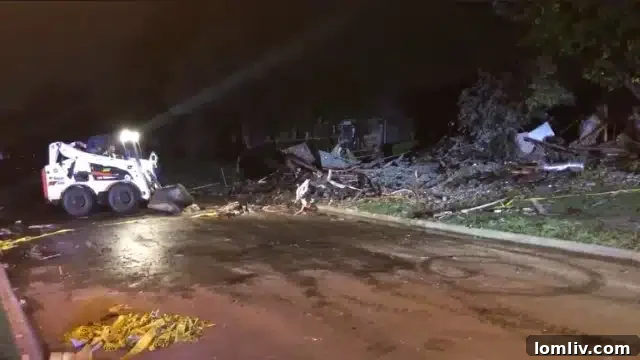
The blast left behind a grim tableau of splintered wood, mangled insulation, and charred kitchen cabinetry, all exposed to the elements. For weeks, this hazardous debris remained, a stark and dangerous reminder of the catastrophic event. Residents navigating their daily lives were forced to contend with an unsightly and unsafe eyesore that threatened public health and safety. The sheer force of the explosion had scattered pieces of the home throughout the West Plano neighborhood, damaging properties far beyond the immediate vicinity of the blast site.
Windows in homes across the street were shattered, their delicate panes unable to withstand the concussive force. Properties on either side of the brick home sustained significant structural damage, their foundations potentially compromised, and their integrity severely tested. Cleanup crews worked tirelessly into the night immediately following the explosion, attempting to clear the initial wave of scattered debris and make the area safe for emergency responders and investigators. However, the core of the damaged property remained, a stubborn and dangerous testament to the event.
City Intervention: A Standoff Over Safety Standards
The prolonged presence of the debris did not go unnoticed by Plano city officials. Recognizing the imminent threat posed by the hazardous site, the city launched a series of urgent requests to the property owner, Guojiang Zhang, demanding immediate cleanup. When these requests went unheeded, the city was forced to escalate its actions, prepared to condemn the substandard structure and cite its owner for failure to comply. The property was placed on the Substandard Deficiency List, a formal declaration of its non-compliance with local safety and maintenance codes.
The Plano Building Standards Commission was scheduled to convene on August 17th to consider a recommendation to formally condemn the property. This drastic measure would have enabled the city to step in and clear the rubble itself, subsequently placing a property lien on the parcel to recoup the costs. This move underscored the severity of the situation and the city’s commitment to protecting its residents. Critically, reports suggested that the property might have been uninsured at the time of the explosion, adding another layer of complexity to the owner’s predicament and the potential for financial burden.
In a dramatic turn of events, just days before the Building Standards Commissioners were set to take decisive action, the owner finally cleared the piled rubble. The hazardous waste was removed, leaving behind only the concrete foundation and the sidewalk as silent witnesses to where a home once stood. This eleventh-hour compliance prevented direct city intervention and the associated financial penalties, but the underlying issues and broader implications remained.
The Evolving Investigation: Intent and Injury
From the outset, the explosion presented a complex puzzle for investigators. While Plano Police initially determined the house was not a crime scene, the severity of the blast and emerging details soon prompted a deeper inquiry. The Plano Fire Marshal and his dedicated team of investigators took the lead, their expertise crucial in sifting through the evidence. Their findings revealed a disturbing possibility: the gas stove’s burners were found turned on, and a potential suicide note was discovered on site. These revelations, reported by media outlets citing sources close to the investigation, shifted the focus dramatically, suggesting the explosion may have been an intentional act by the home’s tenant, Joseph Kupfer, 57.
The human cost of the explosion was immediate and severe. Joseph Kupfer himself was among the six injured, sustaining critical injuries with 70 percent of his body covered in second-degree burns. He remains hospitalized in critical condition, a testament to the immense power of the blast. Tragically, five other individuals were also injured, including three children and their parents who lived in the adjacent property. Their lives were irrevocably altered by the devastating event next door, suffering physical injuries and the profound trauma of witnessing such destruction.
According to the Plano Fire-Rescue incident report, the immediate aftermath was a desperate search and rescue operation. Emergency responders bravely entered the unstable scene, facing active hazards to save lives. The report states, “They immediately reported that they had one person trapped in the house that they could see and would be initiating a rescue.” That trapped individual was likely Kupfer himself, found amidst the rubble of the home of origin. All other patients were quickly located and assisted from the west exposure house, highlighting the rapid and coordinated response of first responders.
Legal Battlegrounds: Seeking Accountability and Justice
The question of accountability looms large in the wake of the Plano explosion. It remains unclear whether either the tenant, Joseph Kupfer, or the owner, Guojiang Zhang, will face criminal charges. Such charges would depend on the definitive determination of intent and criminal negligence, a process that can be lengthy and complex. However, in the realm of civil matters, neighboring homeowners are already taking decisive action.
A group of residents, whose properties and lives were severely impacted by the blast, has collectively hired prominent attorney Ted Lyon. Lyon is no stranger to high-profile cases involving catastrophic explosions; he previously represented victims in a lawsuit against Atmos Energy following a tragic Dallas home explosion in 2018 that claimed the life of 12-year-old Michellita Rogers. His involvement signals a serious intent to pursue compensation for damages, drawing on his extensive experience in similar complex liability cases. The civil case will likely delve into questions of property maintenance, tenant responsibility, and whether adequate safety measures were in place, irrespective of criminal intent.
The Echoes of the Blast: Eyewitness Accounts and Digital Footprints
The sheer scale of the Cleveland Drive explosion was evident in the widespread impact felt across Plano. Multiple residents reported feeling the concussive force of the blast at least a mile away from the epicenter. The distinctive sound of the explosion traveled even further, with reports of it being heard at least two miles away. This widespread sensory impact underscores the devastating power unleashed that day, leaving an indelible mark on the collective memory of the community.
Eyewitness accounts paint a vivid picture of the immediate aftermath. Jeffrey Blackwell, a resident living a few streets over on Denver Drive, reported on NextDoor that his home suffered broken windows and that “the whole roof/ceiling seems to have shifted,” indicating significant structural stress even at a distance. The advent of home surveillance technology also provided compelling digital evidence. A Ring camera positioned down the street from the explosion site captured a dramatic rolling white cloud of dust erupting after the blast, visually confirming the explosive force. Another Nest camera, located behind the ill-fated home, was literally blown off its mount, demonstrating the intense pressure waves that emanated from the epicenter.
Social media platforms like Twitter became immediate hubs for residents to share their experiences. One resident reported that their windows were shattered, and doors blew open despite living several streets away. Another Twitter user posted a home surveillance video that showed their screen door handle shaking violently at the exact moment of the explosion, offering a chilling glimpse into the sudden and pervasive impact that swept through the neighborhood.
The Property: A History of Features and Furnishings
The home at the center of this tragedy was a one-story, 1,691-square-foot residence originally built in 1981. It was last listed on the Multiple Listing Service (MLS) in 2009 as a lease property, indicating it had been a rental for at least a decade. The property featured several gas-powered appliances and systems, crucial details given the nature of the explosion: a gas-starter fireplace, a gas cooktop, and gas heating. The home also had electric central air conditioning.
The former listing description offered a glimpse into the property’s appeal and amenities, highlighting its renovated features:
“Fantastic single story house located in West Plano area. Great location close to Preston, shopping center, Highway 190 & toll way. Updated include Kitchen, Granite countertops, under mount sink, double ovens, Roll-out trays in the cabinet, bathrooms, mirror, decorative lighting, back splash, double oven. Large living room with bricks fireplace. Designed painting, newly installed Energy efficient Windows. Wood flooring throughout, Vaulted beamed ceiling. Fruits trees, a Pergola in back yard. Build in refrigerator, Microwave with the property.”
This description paints a picture of a well-maintained, updated home designed for comfortable living, making the scene of its destruction even more jarring. The presence of multiple gas appliances, while common, highlights the inherent risks when gas systems are improperly managed or intentionally misused.
Moving Forward: Lessons and Lingering Questions
The Plano home explosion on Cleveland Drive serves as a stark reminder of the fragile nature of safety within our communities. While the rubble has been cleared and the immediate threat resolved, the long-term impact on the neighborhood and the lives of those affected will undoubtedly persist. The incident brings to the forefront critical discussions about property owner responsibility, tenant oversight, mental health resources, and the robust enforcement of city safety standards.
As the legal processes unfold and the investigation reaches its definitive conclusions, the community of Plano grapples with the aftermath. The resilience of the residents, their quick response to aid neighbors, and the diligent efforts of emergency services underscore the strength of the community fabric. However, the lingering questions surrounding intent, liability, and the ultimate costs—both financial and emotional—will continue to resonate long after the debris is gone, prompting a renewed focus on preventative measures and support systems to avert future tragedies.