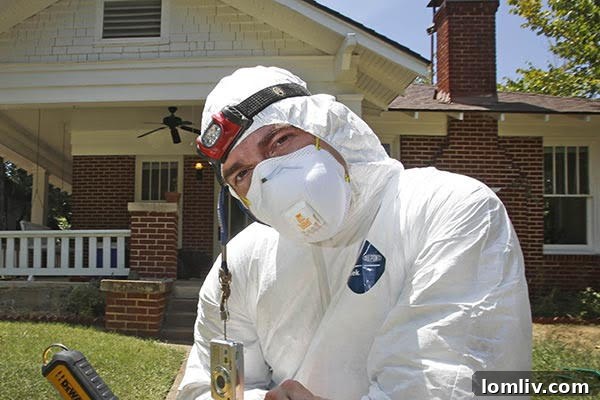
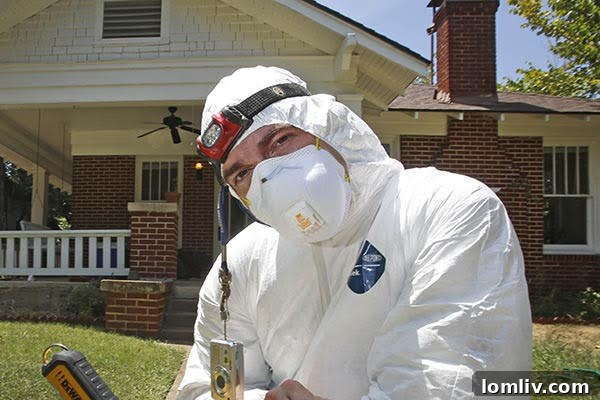
Every week, the detail-oriented folks at Green Scene Home Inspections provide invaluable insights to Daltxrealestate.com readers. Join us as we delve deeper into the critical aspects of home buying with our ongoing series, “Upon Closer Inspection.”
The journey to homeownership is often an exhilarating one, filled with excitement as you envision your future in a new space. However, this journey is also a significant financial commitment and demands meticulous due diligence. Once you’ve identified a potential dream home and your offer has been accepted by the seller, you enter a crucial phase known as the “option period.” In states like Texas, this period is a negotiated timeframe, typically ranging from five to ten days, specifically designed to empower the buyer. During this window, you gain full access to the property to conduct any further investigations deemed necessary, ensuring you have a complete understanding of your prospective investment. This is precisely where the expertise of a professional home inspector becomes not just beneficial, but absolutely indispensable.
As a standard component of any real estate contract, the seller is typically obligated to provide a “Seller’s Disclosure” statement. This document is intended to be a comprehensive declaration, outlining any known issues with the property, such as needed repairs, malfunctioning systems, or records of previous major repairs and significant incidents. On the surface, it might seem logical to question the necessity of an independent home inspection if the seller is already providing this detailed information. However, experience consistently shows that a seller’s disclosure, while important, rarely tells the complete story. Sellers may inadvertently omit crucial details they’ve simply forgotten, or perhaps they’re genuinely unaware of underlying issues that are not immediately apparent. Furthermore, while most sellers are honest, there are instances where transparency might be less than ideal. This is precisely why an unbiased, professional assessment is paramount.
This week, we pull back the curtain on some of the most compelling reasons why a home inspection is non-negotiable. We’re focusing on real-world examples unearthed by our dedicated Green Scene Home Inspectors—issues the sellers either forgot to mention, didn’t know about, or perhaps chose not to disclose. These findings highlight the invaluable role an inspector plays in protecting your investment and ensuring your peace of mind.
Beyond the Surface: Why a Professional Home Inspection is Non-Negotiable
Purchasing a home is arguably one of the most substantial investments most people will make in their lifetime. With such a significant commitment, informed decision-making is not just advisable; it’s imperative. A professional home inspection serves as your protective shield, offering an objective assessment of a property’s condition that goes far beyond what a casual walkthrough or even a seller’s disclosure can provide.
The Buyer’s Protective Shield: Navigating the Option Period
The option period is a critical contractual element that provides buyers with the invaluable right to terminate the contract for any reason, or no reason at all, usually in exchange for a nominal fee (the “option fee”). This period is specifically designed for due diligence, allowing you to hire experts who can thoroughly examine the property. Without a professional home inspection during this time, buyers risk inheriting costly problems that could surface weeks, months, or even years after closing. It’s your opportunity to uncover potential deal-breakers, understand necessary repairs, and gain leverage for negotiations, ensuring you don’t purchase a home with hidden financial burdens.
Seller’s Disclosure: A Starting Point, Not the Full Story
While the seller’s disclosure is a legal requirement in many regions, including Texas, and provides an important baseline of information, it has inherent limitations. Sellers are only required to disclose what they are *aware* of. They may not be experts in construction, plumbing, electrical systems, or HVAC, and thus may genuinely be oblivious to underlying structural defects, outdated wiring, or chronic moisture problems. Even if they’ve lived in the home for years, certain issues, especially those in less-frequented areas like attics, crawl spaces, or behind walls, can go unnoticed. Moreover, a seller might have a vested interest in portraying the property in the best possible light, potentially downplaying or overlooking issues they consider minor but which could be significant to a buyer. This is where the unbiased, trained eye of a certified home inspector becomes irreplaceable.
Undisclosed Realities: Case Studies from the Field
The following examples from Green Scene Home Inspections illustrate precisely why relying solely on a seller’s disclosure can be a risky proposition. These aren’t just minor oversights; they represent significant findings that could have had substantial financial and safety implications for unaware buyers.
This image depicts a pier-and-beam foundation that has clearly undergone extensive repair work. A pier-and-beam foundation, common in older homes or areas with expansive soils, rests on a series of piers and wooden beams. Over time, factors such as soil movement, moisture fluctuations, or inadequate drainage can cause these foundations to become unlevel. One common method to rectify this is by raising or shimming the piers to restore the floor’s levelness. While there is nothing inherently wrong with a foundation that has been properly repaired, the critical detail here is that this significant work was conspicuously absent from the seller’s disclosure. For a prospective homebuyer, discovering previous foundation work is paramount. Foundations are the very bedrock of a home’s structural integrity. If there has been prior movement requiring repairs, it often indicates a susceptibility to future issues, especially if the underlying causes (e.g., poor drainage, soil conditions) haven’t been fully mitigated. This information isn’t just a trivial note; it’s a crucial factor that should influence a buyer’s decision-making process, allowing them to budget for potential future maintenance or even renegotiate the purchase price. An inspector’s keen eye can spot telltale signs like newer concrete, freshly installed shims, or disturbed soil, alerting buyers to undisclosed history that significantly impacts their long-term investment.
In this compelling video, our experienced inspectors uncovered signs of a much more alarming issue: undisclosed fire damage. The initial red flag? Suspiciously fresh paint near the fireplace area. While a fresh coat of paint might seem innocuous, to a trained inspector, it can signal an attempt to conceal underlying problems. Upon closer investigation, the team discovered undeniable evidence of a past fire—an incident that the seller had failed to disclose entirely. The implications of undisclosed fire damage are severe and multifaceted. Beyond the immediate structural compromise, fire can weaken materials, damage electrical wiring, and leave behind persistent smoke odors and harmful residues. Even a minor fire can lead to extensive repairs, potential safety hazards, compromised air quality, and significant challenges with insurance claims down the line. A homebuyer purchasing such a property without this critical knowledge would not only face unexpected remediation costs but could also be unknowingly moving into a home with compromised structural integrity and potential health risks. This case vividly illustrates how a home inspection goes beyond mere aesthetics, safeguarding buyers from purchasing dangerous liabilities.
Here, our diligent inspector took the initiative to climb into a hole in the ceiling of the water heater closet—an area often overlooked by both homeowners and less thorough inspectors. What he found was a genuinely dangerous situation, one that the sellers likely had absolutely no idea was even present. This kind of hidden hazard could range from unsafe wiring, active water leaks leading to significant mold growth, compromised ventilation for gas appliances (posing carbon monoxide risks), or even structural decay due to prolonged moisture exposure. Such discoveries underscore the profound importance of a comprehensive inspection that extends to all accessible areas, including attics, crawl spaces, utility closets, and basements. These are the forgotten zones where serious and often dangerous issues can silently fester, unseen and unknown to the current occupants. A home inspector’s commitment to exploring every nook and cranny is critical for uncovering these latent dangers, protecting new homeowners from potential accidents, health problems, and exorbitant repair bills.
What a Thorough Home Inspection Encompasses
A comprehensive home inspection is far more than a quick look; it’s a systematic, non-invasive visual examination of the physical structure and major systems of a residential property. While it’s not designed to be technically exhaustive or predict future conditions, it provides a vital snapshot of the home’s condition at the time of inspection. Key areas typically covered include:
- Structural Components: This includes the foundation, framing, floors, walls, and roof structure. Inspectors look for signs of settling, cracks, water damage, or significant alterations.
- Exterior: The roof (covering, flashing, skylights, chimneys), gutters and downspouts, exterior walls (siding, trim, windows, doors), grading and drainage, driveways, walkways, patios, and decks are all scrutinized.
- Interior: Walls, ceilings, floors, windows, doors, stairs, railings, and fireplaces/chimneys are visually inspected for defects, signs of wear, or safety concerns.
- Plumbing System: Water supply and distribution system (pipes, fixtures), drain, waste, and vent systems, water heaters, and fuel storage systems are checked for leaks, proper function, and safety.
- Electrical System: The service entrance, main and sub-panels, wiring, outlets, switches, and lighting fixtures are examined for safety hazards, proper grounding, and capacity.
- Heating, Ventilation, and Air Conditioning (HVAC): Heating and cooling equipment, ductwork, and ventilation systems are assessed for operability and safety.
- Attic, Insulation, and Ventilation: The attic space, insulation levels, and ventilation systems are checked for adequacy, proper installation, and signs of moisture or pests.
- Crawl Space/Basement: These areas are inspected for moisture intrusion, structural concerns, pest activity, and proper ventilation.
The inspector’s goal is to identify existing or potential defects that could materially affect the property’s value, safety, or habitability, providing a detailed report that empowers the buyer.
Transforming Inspection Findings into Informed Decisions
The culmination of a home inspection is the detailed report. This document, typically rich with descriptions, photographs, and recommendations, translates the inspector’s findings into actionable intelligence for the buyer. Understanding how to interpret and leverage this report is crucial for making smart decisions during the option period.
Interpreting Your Home Inspection Report
A good inspection report will categorize findings, distinguishing between major defects (e.g., structural issues, active leaks, safety hazards) and minor maintenance items (e.g., dripping faucets, loose doorknobs). It will highlight areas requiring immediate attention, those needing monitoring, and general maintenance advice. Don’t be overwhelmed by a long list of minor items; virtually no home is perfect. Focus on the significant issues that could impact safety, structural integrity, or require substantial financial investment.
Leveraging Findings in Negotiations
Armed with a comprehensive inspection report, buyers gain significant negotiating power. Depending on the severity of the findings, you have several options:
- Proceed as Is: If the findings are minor or acceptable, you might choose to move forward without further action.
- Request Repairs: You can ask the seller to address specific issues before closing.
- Request a Price Reduction or Credits: Instead of repairs, you might negotiate a lower purchase price or a credit at closing to cover the estimated costs of repairs yourself.
- Walk Away: If the inspection reveals major, insurmountable problems or if negotiations fail, the option period allows you to terminate the contract and retrieve your earnest money (minus the option fee).
Working closely with your real estate agent during this phase is vital, as they can help strategize the best approach based on market conditions and the specific circumstances of your transaction.
When you’re buying a house—as in many significant life situations—it’s always a good idea to do your own research and seek out experts who can help you gather the best possible information. A professional home inspection is not merely a checklist; it’s an indispensable investment in your future, providing an unbiased, expert assessment that can uncover hidden truths, prevent costly surprises, and ultimately guide you toward making a truly informed decision. By understanding the true condition of your prospective home, you secure not just a property, but also peace of mind and a sound investment for years to come.