

The Airbnb Dilemma: Navigating Short-Term Rentals and Lease Agreements in Urban Centers
The rise of the “sharing economy” has transformed how many people travel, find accommodation, and even generate income. Platforms like Airbnb have empowered individuals to monetize spare rooms or entire apartments, creating a vibrant marketplace for short-term stays. However, this innovative model often clashes with traditional property management rules, leading to complex disputes between tenants, landlords, and homeowners’ associations (HOAs). At the heart of this growing tension lies the question of what constitutes a “lease violation” when a renter decides to open their home to paying guests.
A compelling example of this modern conflict unfolds in downtown Dallas, involving Ashley Stanley, a seasoned real estate broker and single mother. For 14 years, Stanley has successfully operated an apartment locating business, deeply rooted in the Dallas real estate scene. Seeking to supplement her income, she made the decision to host guests in her apartment at the prominent 1900 Elm building through Airbnb. What seemed like a straightforward way to earn some extra dough quickly escalated into a significant legal challenge, as the building’s management accused Stanley of violating her lease agreement and initiated eviction proceedings.
A Dallas Case Study: Ashley Stanley and 1900 Elm
Ashley Stanley’s situation highlights a common predicament faced by renters who see the clear benefits of participating in the short-term rental market. With her extensive background in real estate, Stanley likely felt confident in her understanding of rental agreements. Her motivation, like many others, was practical: to secure additional income for her family. Leveraging an apartment in a desirable location like 1900 Elm in downtown Dallas made perfect sense from a business perspective, given the constant demand for accommodation in a bustling urban hub.
However, the apartment building’s management viewed her activities differently. They alleged that by hosting guests through Airbnb, Stanley was engaging in a form of subleasing or commercial activity that directly contravened the terms of her residential lease. Such clauses are increasingly common in rental contracts, designed to protect landlords from a variety of risks associated with transient occupants.
Stanley’s Defense: What Constitutes Subleasing?
Undaunted by the threat of eviction, Ashley Stanley is prepared to fight the decision. Her core argument revolves around the legal definition of “subleasing.” She contends that her short-term Airbnb stays do not meet the criteria for subleasing as understood by her landlord or general legal precedent. “The definition of subleasing does not apply,” Stanley told Channel 5. “Nor am I assigning my rights. I’m not saying, here’s the entire apartment, you finish out the rest of the lease term.”
Stanley’s point is critical: traditional subleasing involves a new tenant taking over the original tenant’s responsibilities for a significant portion of the lease term, often with exclusive possession of the property. Airbnb rentals, she argues, are more akin to hotel stays or temporary licenses, where guests are granted permission to occupy a space for a very limited period without acquiring full tenant rights or responsibilities. This distinction, while seemingly subtle, can have profound legal implications, and courts across the country are grappling with how to interpret existing lease language in the context of the rapidly evolving short-term rental landscape.
The Rising Tide of Short-Term Rentals: Opportunities and Conflicts
Ashley Stanley’s case is not an isolated incident; it’s a microcosm of a much larger battle unfolding across urban centers worldwide. The allure of short-term rentals for hosts is undeniable. For many, it represents a flexible way to generate supplemental income, especially in high-cost-of-living areas. It allows individuals to leverage unused space, whether it’s an empty spare bedroom or an entire apartment during a vacation, turning a static asset into a dynamic income stream. The ease of listing and managing bookings through platforms like Airbnb makes it an attractive option for homeowners and renters alike.
Why Hosts Embrace Airbnb
The appeal of hosting on Airbnb extends beyond mere financial gain. It also taps into the spirit of the sharing economy, allowing hosts to connect with travelers from diverse backgrounds and offer unique, localized experiences that traditional hotels often cannot. For single parents like Stanley, or anyone facing unexpected expenses, the ability to quickly earn extra cash can be a crucial lifeline. Furthermore, some hosts genuinely enjoy the hospitality aspect, finding satisfaction in providing comfortable and memorable stays for their guests.
Landlords’ and HOAs’ Concerns: Safety, Security, and Compliance
However, what appears as an opportunity for hosts often translates into significant concerns for landlords and homeowners’ associations. These entities are primarily responsible for maintaining the safety, security, and quality of life for all residents within their properties. When apartments are frequently occupied by transient guests, several issues can arise:
- Lease Violations: Most residential leases contain clauses prohibiting subleasing, commercial activity, or unauthorized guests for extended periods. Landlords argue that Airbnb rentals fall under these prohibitions, violating the agreed-upon terms.
- Safety and Security Risks: A constant revolving door of unfamiliar faces can compromise building security. Landlords worry about guests who haven’t been vetted through traditional tenant screening processes, increasing the risk of theft, property damage, or disruptive behavior.
- Nuisance and Quality of Life: Frequent guest turnovers can lead to increased noise, congestion in common areas, excessive trash, and misuse of amenities, impacting the peaceful enjoyment of the property by long-term residents.
- Insurance Liability: Standard homeowner’s or renter’s insurance policies typically do not cover commercial activities. If an Airbnb guest causes damage or sustains an injury on the property, the liability could fall on the property owner or the primary tenant, potentially leading to costly lawsuits.
- Property Value and Community Character: In some cases, a high concentration of short-term rentals can alter the residential character of a building or neighborhood, potentially affecting property values and community cohesion.
- Regulatory Compliance: Many cities, including Dallas, are developing or have already implemented strict regulations regarding short-term rentals, including zoning restrictions, licensing requirements, and taxation. Landlords often bear the brunt of ensuring compliance, or face penalties if their tenants operate illegally.
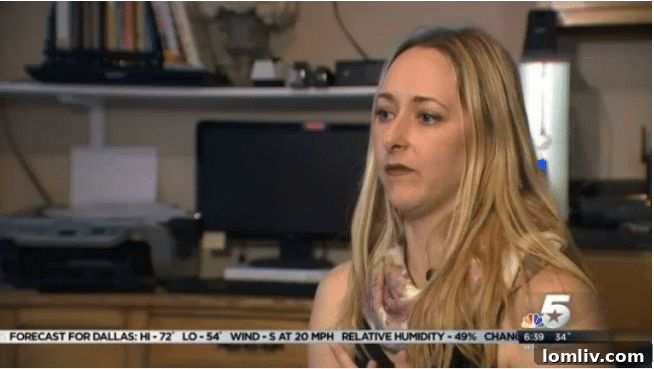
The crackdown on Airbnb rentals by apartment buildings and HOAs over safety concerns is becoming increasingly common. This trend underscores the urgent need for clear communication, legal clarity, and perhaps new regulatory frameworks that can accommodate both the desires of hosts and the legitimate concerns of property owners and long-term residents.
Navigating the Legal Landscape: Essential Advice for Renters
Given the complexities and potential consequences, such as eviction, it is crucial for anyone considering hosting on Airbnb to proceed with extreme caution and due diligence. The risks are substantial, ranging from financial penalties to the loss of your home. To avoid running afoul of your landlord and risking eviction, experts like NBC DFW report Deanna Dewberry, offer critical advice:
Scrutinize Your Lease Agreement
This is the foundational step. Before even thinking about listing your apartment, thoroughly read your lease agreement. Pay close attention to clauses related to:
- “Subleasing” or “subletting”
- “Assignment” of the lease
- “Guests” or “occupants” (including definitions of temporary vs. permanent guests)
- “Commercial activity” or “operating a business” from the premises
- “Quiet enjoyment” or “nuisance” clauses
- Any specific prohibitions against short-term rentals or platforms like Airbnb
It’s important to remember that even if your lease doesn’t explicitly mention “Airbnb,” a general clause prohibiting commercial use or unauthorized guests for periods longer than a few days could still be interpreted as a violation. Don’t assume silence equals permission; ambiguity often favors the landlord in a dispute.
Proactive Communication: Engage Your Landlord
The next vital step is to contact your landlord or property management before you list your unit on any short-term rental platform. Open and honest communication can prevent misunderstandings and potential legal battles down the line. Present your case clearly, explain your intentions, and be prepared to discuss their concerns. Some landlords might be open to a formal agreement or a compromise, especially if they understand your situation and you offer to mitigate their concerns (e.g., higher security deposit, strict guest rules).
The Power of Written Consent
If your landlord indicates any willingness to allow short-term rentals, even under specific conditions, it is absolutely essential to get that approval in writing. A verbal agreement is notoriously difficult to prove in court. A written addendum to your lease, signed by both parties, should clearly outline:
- The specific terms under which short-term rentals are permitted (e.g., maximum number of nights per year, guest screening requirements, use of common areas).
- Any additional fees or insurance requirements.
- Responsibilities for damages or incidents involving guests.
Without written consent, you are exposed to significant risk, as your landlord could later deny the conversation or change their mind.
Beyond the Lease: Local Ordinances and Insurance
Beyond your lease, it’s also crucial to research and understand local city and county ordinances regarding short-term rentals. Many municipalities, including Dallas, have enacted specific laws governing Airbnb and similar platforms, covering aspects like zoning, permits, occupancy limits, and taxes. Non-compliance with these local laws can result in hefty fines and legal action, separate from any landlord dispute.
Furthermore, review your renter’s insurance policy. As previously mentioned, standard policies often do not cover commercial activity or incidents involving paying guests. You may need to explore specialized short-term rental insurance to protect yourself from liability in case of guest injury or property damage.
The Future of Short-Term Rentals: An Evolving Ecosystem
The saga of Ashley Stanley and 1900 Elm is a vivid reminder of the ongoing tension between the innovation of the sharing economy and the established rules of property ownership and tenancy. As more individuals seek to leverage their homes for supplemental income, and as urban housing markets continue to evolve, the conflicts over short-term rentals are unlikely to subside. Instead, we can anticipate more refined regulations, increased legal challenges, and a push for clearer contractual language from all parties involved.
The future will likely see a complex interplay of city ordinances, landlord policies, and tenant rights, aiming to strike a delicate balance. Property managers might explore new lease models that allow for regulated short-term rentals with specific fees or guidelines, while cities continue to refine their regulatory frameworks to ensure safety, generate tax revenue, and protect housing stock. For now, proactive research, transparent communication, and written agreements remain the most powerful tools for navigating this dynamic and often contentious landscape.
Have You Faced Airbnb Rental Challenges?
In this evolving environment, stories like Ashley Stanley’s serve as a crucial cautionary tale and a call for greater awareness. Have you encountered difficulties with your landlord or homeowners’ association for listing your apartment or rental property on Airbnb or similar platforms? Share your experiences and insights to help others navigate these complex waters.