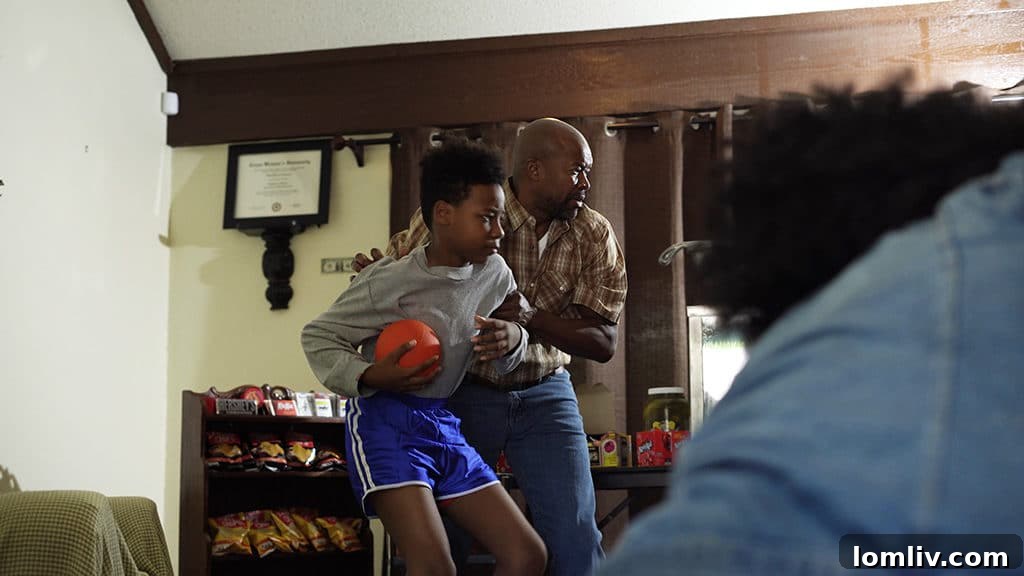
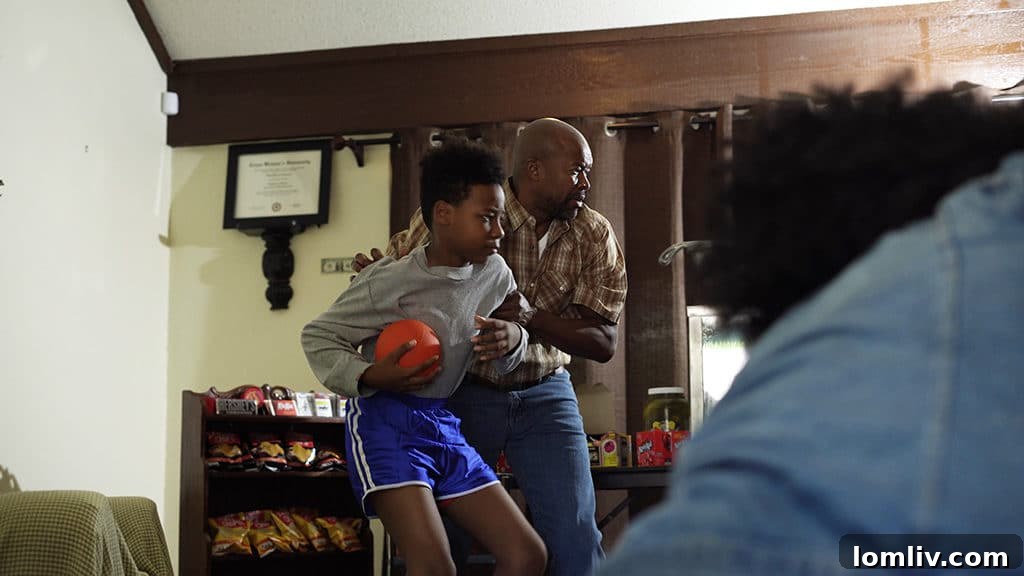
In the vibrant yet tumultuous landscape of playwright Jonathan Norton’s ‘penny candy,’ the Dallas neighborhood of Pleasant Grove emerges not just as a setting, but as a living, breathing character. It is a place deeply etched in memory and fraught with the complexities of a community grappling with profound transition. Norton’s evocative drama, a Dallas Theater Center production, delves into the heart of this transformation, offering audiences a poignant glimpse into the challenges and resilience of a neighborhood on the cusp of significant change.
Jonathan Norton, a distinguished playwright and the Dallas Theater Center’s resident artist, draws directly from his personal experiences growing up in Pleasant Grove. His latest work, “penny candy,” is a powerful snapshot of the community in the late 1980s, a pivotal era marked by social upheaval. The play made its highly anticipated world premiere as a Dallas Theater Center production at the intimate Studio Theatre of the Dee and Charles Wyly Theatre, beginning its run on Wednesday, June 5th. This premiere was not just a theatrical event; it was a homecoming for Norton, whose deep connection to the subject matter imbues the play with authenticity and raw emotional power.

Norton’s illustrious career speaks volumes about his storytelling prowess. As the Dallas Theater Center’s playwright-in-residence, his work has garnered widespread acclaim, being produced and developed by a veritable who’s-who of prestigious theater companies across the nation. This impressive list includes PlayPenn, InterAct Theatre Company, Pyramid Theatre Company, the Black and Latino Playwrights Conference, Bishop Arts Theatre Center, Castillo Theatre, Soul Rep Theater Company, African American Repertory Theater, Kitchen Dog Theater, Undermain Theatre, Theatre Three, and the South Dallas Cultural Center. Such extensive recognition underscores his profound impact on contemporary American theatre.
Among his notable achievements, Norton’s powerful play ‘Mississippi Goddamn’ was a Finalist for the esteemed Harold and Mimi Steinberg/ATCA New Play Award and proudly received the 2016 M. Elizabeth Osborn Award, presented by the American Theatre Critics Association. These accolades highlight his consistent ability to craft compelling narratives that resonate with critics and audiences alike, tackling complex social and historical themes with nuance and sensitivity. “penny candy” continues this tradition, inviting audiences to reflect on the meaning of home, community, and belonging.
“penny candy” centers on the captivating story of 12-year-old Jon-Jon, who assists his father in operating Paw Paw’s Candy Tree, a beloved mom-and-pop candy store run out of their modest one-bedroom apartment in Pleasant Grove. This seemingly idyllic family business becomes a focal point as the neighborhood faces an escalating crisis. As crack cocaine begins to permeate the community, ushering in a wave of drug-fueled violence and heightening racial tensions, the once-thriving candy store struggles to retain its business. The family is ultimately confronted with an agonizing decision: remain and fight for their beloved community and American dream, or seek refuge elsewhere, prioritizing their family’s safety and future. This central conflict provides the dramatic tension that drives the play forward, forcing characters and audience alike to confront uncomfortable truths about survival and sacrifice.
The play boasts an exceptional ensemble cast, featuring talented DTC Resident Artists Ace Anderson, Tiana Kaye Blair, and Liz Mikel. They are joined by the remarkable Leon Addison Brown, Claudia Logan, Esau Price, and Jamal Sterling, each bringing depth and authenticity to their roles. Their performances breathe life into Norton’s script, creating a vivid portrayal of a family and a community struggling to navigate an uncertain future. This collective talent ensures that the powerful narrative of “penny candy” is delivered with the emotional impact it deserves.
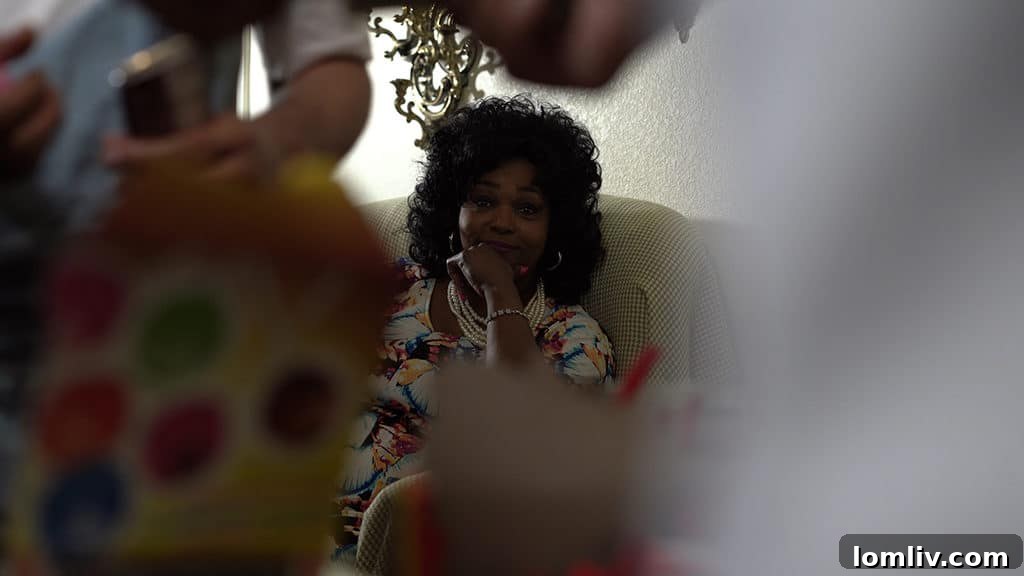
Jonathan Norton, an alumnus of Dallas ISD’s esteemed Booker T. Washington School for the Performing Arts and Marymount College in New York, recently shared insights into his creative process and the profound inspirations behind “penny candy” during a rare day off. His personal connection to Pleasant Grove and the era he depicts is palpable in his reflections, revealing the deeply personal roots of this compelling drama. “The play is set in Pleasant Grove in the year 1988,” Norton explained, “and it tells the story of a husband and wife who run a mom-and-pop candy store out of their apartment. When the play begins, crack cocaine is just starting to invade the neighborhood, threatening to unravel the fabric of their lives.”
The core conflict of the play, as articulated by Norton, revolves around a fundamental disagreement between the parents. “The father,” he elaborated, “wants to fight against the encroaching drug crisis, keep the family business alive, and pursue the American dream for his family. But the mother wants out. She feels this isn’t what she signed up for, and she’s ready to leave.” This powerful tension between fighting for one’s roots and seeking a safer future forms the emotional backbone of “penny candy,” reflecting a dilemma faced by countless families during periods of rapid urban decay and social unrest. It’s a testament to Norton’s writing that these personal struggles are interwoven with the larger societal issues, making the play both intimately relatable and universally resonant.
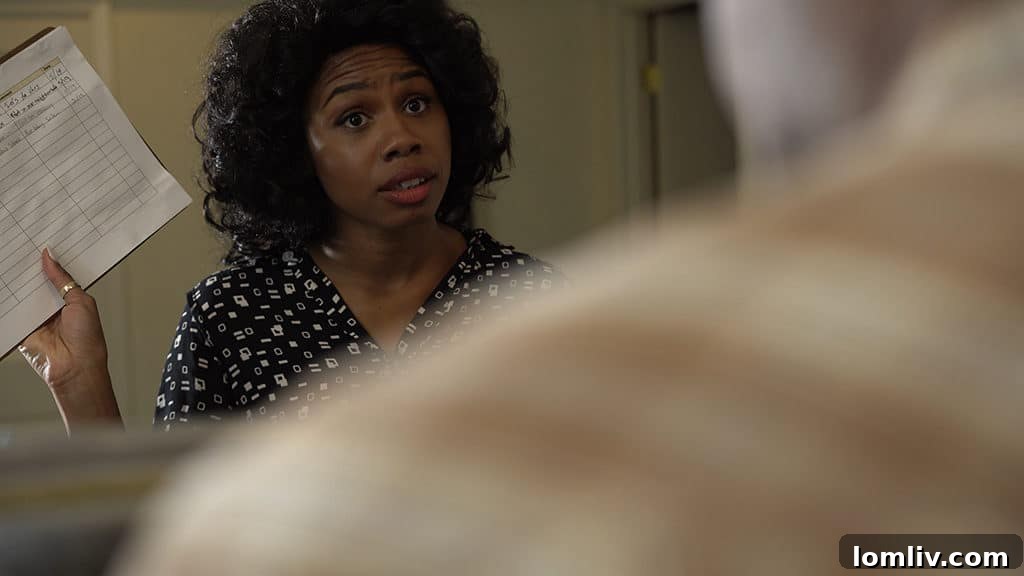
The profound discussion about the meaning of community and the sacrifices required to preserve its integrity reverberates throughout the entire narrative of “penny candy.” Norton delves into complex philosophical questions, asking what true commitment to one’s community entails, and when it becomes necessary to prioritize familial well-being above all else. “Ultimately, it’s about what it means to either fight for your community or put your family first,” Norton stated. He also highlighted the invaluable role places like the candy house play in a community, describing them as essential hubs where life unfolds and connections are forged.
“What is the value to a community of having a place like a candy house?” Norton pondered. “That neighborhood hub type place where everybody comes to, where stories are shared, and life experiences kind of happen under that roof with all the different neighbors who come in and out. And what is the void that’s left when that place goes away?” This question forms a crucial thematic element of the play, exploring the profound impact of losing central gathering places that define a neighborhood’s spirit and foster its collective identity. The disappearance of such a place is not just an economic loss but a cultural void, leaving behind an emptiness that extends far beyond a simple storefront.

Norton is acutely aware that, much like in the play’s 1988 setting, his childhood neighborhood of Pleasant Grove is once again undergoing a significant transition. This contemporary shift is an inevitable consequence of urban development, as affordable housing becomes increasingly scarce in established areas, prompting prospective homebuyers to explore more budget-friendly locales. In recent years, Pleasant Grove has emerged as a prime target for investors seeking to “flip” houses with attractive price points. Simultaneously, families are increasingly drawn to the area due to the remarkable turnaround and impressive accomplishments seen in its Dallas ISD schools. This dual pressure of investment and desirability reshapes the very character of the community, mirroring the earlier changes depicted in “penny candy.”
While acknowledging the potential benefits of new investment, Norton expresses a heartfelt hope that this development will not come at the expense of Pleasant Grove’s distinctive personality and rich cultural heritage. His concern resonates with the broader conversations about gentrification, where economic revitalization can sometimes inadvertently displace long-standing residents and erase the unique identity of a neighborhood. “Just find ways to invest in the community and invest into the lives of people,” he urged, emphasizing that true progress should uplift existing residents rather than push them out.
Complaints about gentrification frequently arise from long-time community members who witness the gradual erosion of the tight-knit, familial nature of their neighborhood. What once fostered a sense of inclusion and safety, where neighbors knew each other intimately and lives were deeply intertwined, is often replaced by more isolated interactions, relegated to virtual fence chats and porch talks on platforms like NextDoor and Facebook. This shift from tangible, face-to-face community bonds to digital, often superficial connections marks a profound cultural loss for those who remember the past.
“And that’s the reason why everyone complains, because that’s the Pleasant Grove that I remember,” Norton reflected, his voice tinged with nostalgia. He recalled his childhood, his neighbors, and the “really strong tight-knit family that we had,” conjuring images of “summers and like pool parties during the summer, and all the neighborhood get-togethers and how that idea of everyone was always kind of in each other’s business.” Norton hopes that as people are drawn to the area for its affordable housing and improving schools, the essential qualities that make Pleasant Grove home to him and to families like the one depicted in ‘penny candy’ will not be lost. He emphasizes the importance of preserving the intangible spirit of community, which often goes beyond physical structures or economic indicators.
“And I think one of my primary concerns, as you know, more attention is given to Pleasant Grove, is that we don’t lose sight of the families that are already there,” he voiced with earnest conviction. “And that it doesn’t become a situation where you have gentrification and those families are pushed out, and then where do they go?” This question underscores the critical social dilemma at the heart of gentrification: the potential for displacement and the loss of generational ties to a community. Norton views the current state of Pleasant Grove with a mixture of apprehension and hope, recognizing the delicate balance between progress and preservation.
“I think that it’s both a blessing and a curse,” he mused, encapsulating the complex reality. “I feel like it’s perhaps one of the last few parts of the city that has so far escaped those aspects of gentrification, and there’s concern about how much longer can that last.” This sentiment highlights the precarious position of Pleasant Grove, a community cherished for its affordability and character, yet vulnerable to the same forces that have reshaped other Dallas neighborhoods. Norton’s play serves as a timely reminder of what is at stake and the importance of mindful development that cherishes existing residents.
For now, at least one of the compelling stories of Pleasant Grove is being brought to life on the theatrical stage, offering the rest of the world a powerful glimpse into a community rich with narratives and experiences. Thanks to the insightful storytelling of Jonathan Norton, one of its own former members, audiences are invited to witness the struggles, joys, and resilience that define this unique Dallas neighborhood. This play is more than just entertainment; it is a vital act of cultural preservation, ensuring that the soul of Pleasant Grove is seen and understood.
The Dallas Theater Center’s impactful production of “penny candy” ran from June 5 through July 14, providing a significant window for audiences to experience this compelling work. To learn more about future productions, the playwright, or the Dallas Theater Center’s commitment to diverse storytelling, please visit the Dallas Theater Center’s website.