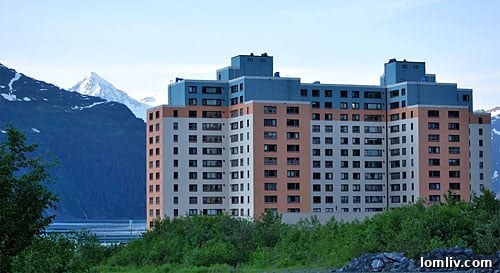
The Alaskan Enigma: Inside Whittier, America’s Most Unique Town Under One Roof
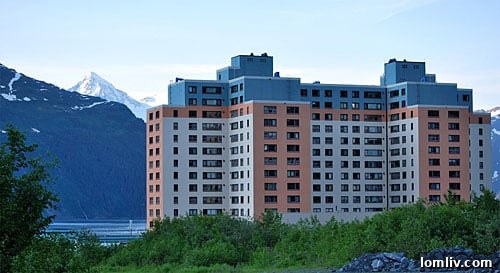
Alaska. The very name conjures images of vast, untamed wilderness, towering glaciers, and a hardy populace forged in the crucible of extreme cold. We envision rugged individuals living off the land, scattered across a sprawling, magnificent frontier. While much of this image holds true, there exists a town in Alaska that defies nearly every expectation, offering a glimpse into an extraordinary experiment in community living. This is Whittier, Alaska, a place where the concept of a “neighborhood” takes on an entirely new, vertical dimension.

Imagine a town where almost all 200 residents call a single 14-story building home. This isn’t a dystopian novel or a science fiction movie; it’s the reality of Whittier, where the majority of its population resides within the towering walls of Begich Towers. Far from being a mere apartment complex, Begich Towers is a self-contained vertical city, a testament to human ingenuity and resilience in one of the planet’s most challenging environments.
Life Under One Roof: Exploring Whittier’s Vertical City

The notion of an entire community sharing the same roof is astounding. In our modern world, where privacy fences and individual properties define our living spaces, the intimacy of Whittier life is almost unimaginable. Forget neighborhood squabbles over property lines; here, a dispute might involve the aroma of your neighbor’s burned toast wafting through the vents, or the police chief’s favorite band, The Ramones, playing a little too loudly from his apartment down the hall. This unique proximity shapes every interaction, fostering a sense of shared destiny unlike any other town in America.
A Glimpse into History: The Genesis of Begich Towers
Begich Towers wasn’t always intended as a civilian residence. Its origins trace back to the Cold War era. Built in 1956, it was originally known as the Hodge Building and served as military barracks for soldiers stationed at Camp Sullivan. Its strategic location, nestled amidst the mountains of Prince William Sound, made it a vital military port. After the military pulled out in the 1960s, the building was transferred to civilian ownership in the 1970s and renamed Begich Towers, honoring Congressman Nick Begich who vanished on a flight in Alaska.
The design of the building, robust and self-sufficient, proved ideal for conversion into a compact residential and commercial hub. It was engineered to withstand the harsh Alaskan climate, providing shelter and warmth against the relentless elements, making it the perfect fortress for a remote community.
Everyday Essentials: A Community Within Four Walls

What truly sets Begich Towers apart is the incredible array of services and amenities housed within its walls. This isn’t just an apartment building; it’s the heart and soul of Whittier. Residents don’t just live here; they conduct almost every aspect of their daily lives without ever needing to step outside.
- School: Children walk to school through an underground tunnel from the Towers, or simply take the elevator downstairs. Imagine the ease of commuting!
- Post Office: An elevator ride away, residents pick up their mail, a true lifeline to the outside world.
- Police Station: Community policing takes on a whole new meaning when the police station is just a few floors below your apartment.
- Medical Clinic: Healthcare is readily accessible, providing comfort and security in a remote location.
- Convenience Store & Laundry: Daily necessities and chores are handled with unparalleled convenience.
- Church: Spiritual needs are met within the building, fostering a strong community spirit.
It seems that nearly everything a small town requires is consolidated under one roof. While a hotel and the city hall are located just outside, even these are within close proximity, highlighting the intense concentration of life within the Towers. This vertical integration is not merely a convenience; it’s a necessity, dictated by the town’s extreme isolation and the unforgiving weather.
Navigating the Wilderness: Isolation and Extreme Weather

Alaska is synonymous with cold, but Whittier takes it to another level. The town’s microclimate makes it one of the wettest and snowiest places in the state. According to the Anchorage Daily News, “Whittier gets almost 198 inches of rain each year, making it the wettest city in Alaska. If it’s not raining, it’s snowing. The average annual snowfall is 258 inches.” These staggering figures underscore why an indoor existence isn’t a luxury, but a fundamental part of survival and comfort for Whittier’s residents.
When the elements rage outside, life continues unabated within the secure confines of Begich Towers. This constant refuge from the storm fosters an intimate, collective experience, where the shared challenges of the environment strengthen the bonds between neighbors.
The Anton Anderson Memorial Tunnel: Whittier’s Gateway to the World
Whittier’s remoteness is a defining characteristic. “Finding your way to the remote town isn’t easy,” reported NPR in 2015. Access to Whittier is primarily by sea or through the Anton Anderson Memorial Tunnel, an engineering marvel that serves as the town’s sole land link. This tunnel is North America’s longest combined vehicle-railroad tunnel, stretching 2.5 miles through the mountains. Its uniqueness lies in its one-way traffic system, operating on a strict schedule where vehicles travel in one direction for a set period, then reverse for the other direction. This means travel to and from Whittier requires careful planning and adherence to the tunnel’s timetable.
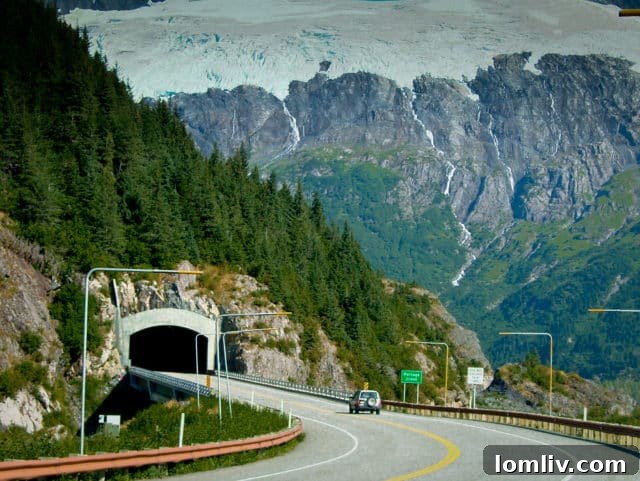
Adding to its mystique, the tunnel closes at night, effectively sealing off Whittier from land access until morning. If you’re outside at sundown, you’re stuck until the tunnel reopens. This dramatic isolation contributes to the town’s unique character, creating a palpable sense of detachment from the outside world and reinforcing the self-reliance of its inhabitants.
Nature’s Grandeur: Beyond the Building
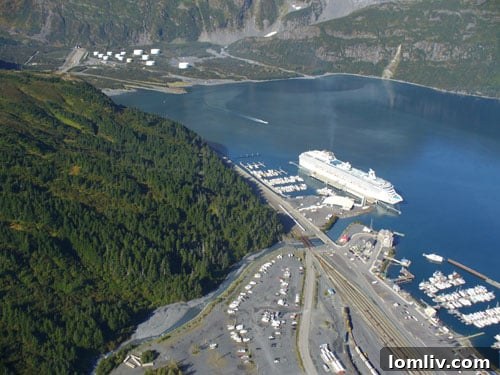
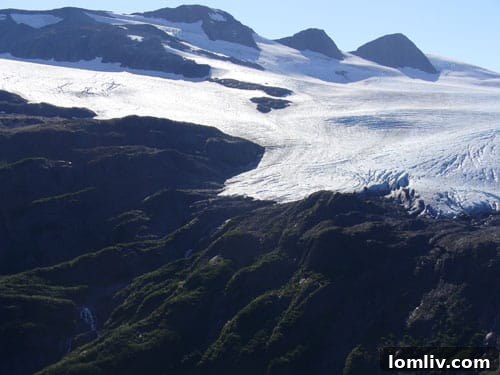
Despite its isolation and the demands of its unique living situation, Whittier is set amidst breathtaking natural beauty. Nestled on Prince William Sound, the town boasts spectacular views of Whittier Harbor, a gateway to some of Alaska’s most stunning marine wilderness. The surrounding Chugach National Forest, the second-largest national forest in the United States, offers a dramatic backdrop of glaciers, mountains, and abundant wildlife.
For those who brave the journey, the natural wonders accessible from Whittier are a major draw. Glacier cruises, sea kayaking, fishing charters, and wildlife viewing opportunities abound, making the town a unique starting point for Alaskan adventures. The contrast between the contained life within Begich Towers and the boundless expanse of nature outside is truly remarkable.

The Heart of Whittier: Resilience and Community Unity
The unique circumstances of Whittier foster an extraordinary sense of community and interdependence. As a Gizmodo story insightfully points out, “In a town of Whittier’s size, it really does take everyone to keep the town functioning. A few residents work on the railroad, some monitor the tunnel, but for the most part, people are employed by the City of Whittier itself. Whether it’s snow clearance, building maintenance, city functions, or the school, for those who stay year-round, Whittier itself is their livelihood.”
This forced proximity and shared reliance create a bond rarely seen in larger communities. “Because the town is so small, everyone has to play a vital role to keep this self-contained organism alive,” the article continues. “Without the high school teacher, without the volunteer EMTs,—even without the guys sitting at the bar, drinking from 9 am to closing—Whittier’s social and physical infrastructure just wouldn’t quite work.”
Every resident contributes, and every role is vital. This deep-seated mutual dependence builds a strong social fabric, where neighbors aren’t just people living next door; they are essential cogs in the functioning machine of their unique town. It’s a living example of how challenges can forge unbreakable communities.
Visiting Whittier: An Unforgettable Experience
For those intrigued by Whittier’s unique charm, a visit offers an unparalleled experience. While most residents live permanently in Begich Towers, the upper floors also host accommodations for visitors. June’s Whittier Condo Suites, run by a lovely lady named June, offers bed and breakfast options with stunning vistas. From these top floors, guests can enjoy gorgeous views of both the bustling Whittier Harbor and the majestic Chugach National Forest, providing a comfortable base to explore the surrounding wilderness while still experiencing the iconic building.
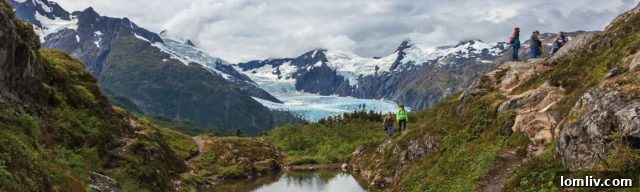
Tourists flock to Whittier during the warmer months, drawn by its singularity and its access to Prince William Sound’s famous glaciers and marine life. Kayaking, fishing, boat tours to see glaciers like Portage Glacier, and wildlife spotting for whales, seals, and eagles are popular activities. The summer brings a vibrant energy to the otherwise quiet town, as visitors arrive by ferry and through the tunnel, eager to witness this Alaskan marvel.
Conclusion: The Enduring Spirit of Whittier
Whittier, Alaska, stands as a testament to human adaptability, community spirit, and the paradoxical allure of living in a place both deeply isolated and profoundly interconnected. It challenges our conventional notions of what a “town” can be, demonstrating how a community can thrive under one roof, bound together by shared space, extreme conditions, and an unyielding spirit of cooperation.
The story of Whittier and its Begich Towers is more than just a quirky anecdote; it’s a profound narrative about resilience, interdependence, and the unique ways in which humans create homes and foster community, even in the most extraordinary circumstances. So, would you dare to live in a 14-story town? Or perhaps, would a visit to June’s cozy condos be enough to satisfy your curiosity about this remarkable Alaskan enigma?
For a visual journey into the heart of Whittier, watch this fascinating documentary: