As the calendar flips to a new year, the tradition of setting resolutions often brings personal goals to the forefront. Yet, for many homeowners, the aspiration extends beyond personal habits to the very foundations of their living space. Home improvement consistently ranks among the most popular New Year’s Resolutions, and like any ambitious endeavor, success hinges on a well-thought-out strategy. At Green Scene Home Inspections, our meticulous team offers a unique vantage point into countless homes, observing them at moments when occupants often strive to present them in their best light. Whether you’re contemplating a home sale in the upcoming year or simply aiming to enhance your current living experience, we’ve distilled our observations into a set of actionable resolutions for your home. Interestingly, these principles often resonate remarkably well with other facets of life, promoting order, efficiency, and well-being.
Each week, the detail-oriented specialists at Green Scene Home Inspections are committed to providing Daltxrealestate.com readers with invaluable insights into the world of property inspection. To truly understand what we observe, we invite you to explore our ongoing series, “Upon Closer Inspection,” where we demystify the intricacies of home health and maintenance. Drawing upon years of experience and countless property evaluations, we’ve identified key areas where even minor improvements can yield significant returns, both in comfort and potential value. Let’s delve into these essential resolutions that promise a happier, healthier, and more valuable home for the year ahead and beyond.
1. Embrace the Power of Decluttering
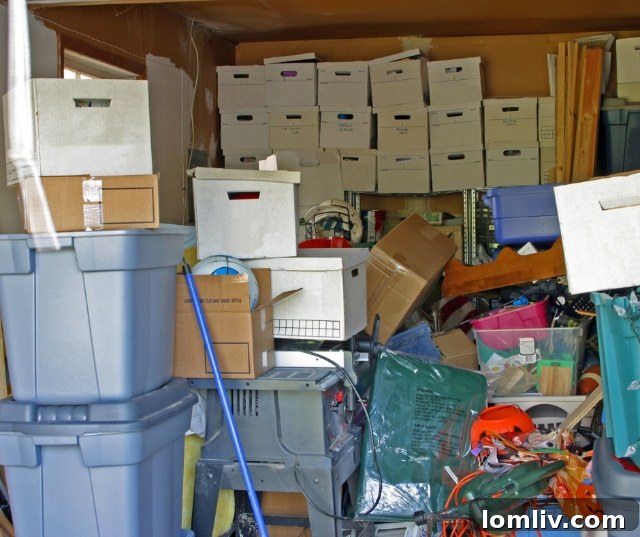
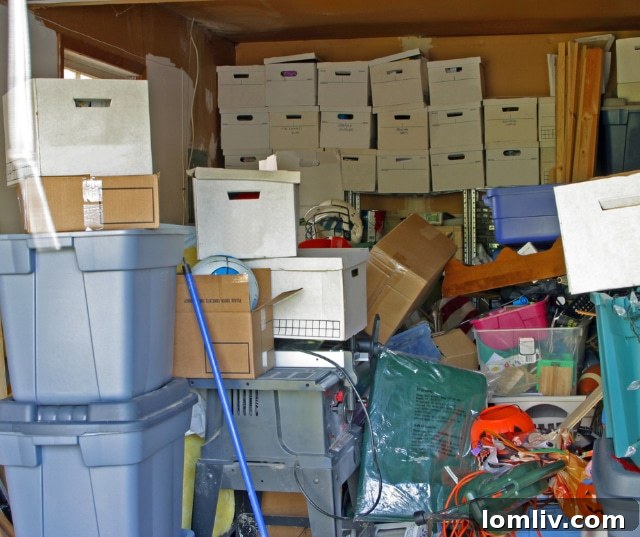
Piles of belongings stacked against more piles are not merely an aesthetic nuisance; they represent a multifaceted problem with serious implications for your home’s safety, health, and marketability. Firstly, excessive clutter is a significant fire hazard. Overloaded electrical outlets obscured by fabric or paper, blocked ventilation systems, and constricted escape routes can turn a minor incident into a dangerous emergency. Moreover, easily combustible materials create fuel for fires to spread rapidly, jeopardizing the safety of your family and your property.
Secondly, consider the unseen residents that might be thriving amidst neglected heaps. Guess who loves to hide, nest, and breed behind those towering stacks? Rodents and insects. Clutter provides ideal shelter, nesting materials, and often, forgotten food sources for pests of all kinds. These unwelcome guests can carry diseases, contaminate food, and cause structural damage by gnawing on wires or wood. A clean, organized home significantly reduces the appeal of your space to such invaders, making pest control efforts far more effective.

Thirdly, if your home is on the market and presents a cluttered appearance, you’re not only deterring potential buyers but also creating significant obstacles for home inspectors. Buyers often struggle to envision themselves in a messy space, perceiving it as poorly maintained, regardless of its true condition. This negative first impression can significantly diminish your home’s perceived value and lead to lower offers or even a lack of interest.
From an inspector’s perspective, clutter can impede access to critical components of your home, such as the electrical panel, attic access points, HVAC systems, water heaters, and foundational elements in crawl spaces. When an inspector cannot properly evaluate these vital areas due to obstruction, they are forced to note these limitations in their report. This can lead to requests for re-inspections, delays in the closing process, or even the termination of a contract, placing your sale at risk. A clear path ensures a thorough inspection, providing peace of mind for both buyer and seller. Embracing decluttering goes beyond aesthetics; it’s an investment in safety, health, and the smooth operation of your home’s systems, paving the way for a more organized life.
2. Embrace Green Living and Energy Efficiency
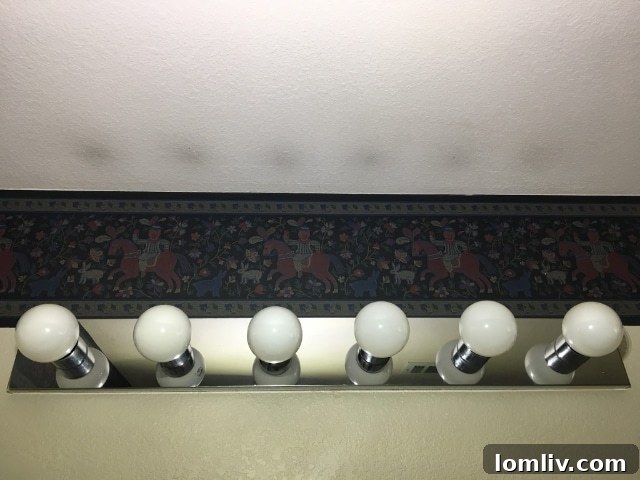
In today’s housing market, energy efficiency is no longer a luxury but a top priority for homebuyers, influencing both purchase decisions and property values. Making your home more energy-efficient is a resolution that offers substantial returns, both financially and environmentally. If you haven’t yet transitioned away from traditional incandescent bulbs, you’re quite literally throwing money away. Incandescent bulbs convert a significant portion of their energy into heat rather than light, making them notoriously inefficient. Upgrading to LED (Light Emitting Diode) or CFL (Compact Fluorescent Lamp) bulbs can dramatically reduce your electricity consumption for lighting, lasting significantly longer and leading to considerable savings on utility bills over time.
Beyond lighting, strategic upgrades can transform your home’s energy profile. Consider the impact of energy-efficient windows. Older, single-pane windows are notorious for energy loss, allowing heat to escape in winter and enter in summer. Modern double or triple-pane windows with Low-E coatings provide superior insulation, significantly reducing your heating and cooling costs and enhancing indoor comfort. Similarly, upgrading your home’s insulation, especially in the attic and walls, is a game-changer. Options like spray foam insulation, fiberglass, or cellulose can create a tighter thermal envelope, preventing conditioned air from escaping and unconditioned air from entering. This not only lowers energy bills but also reduces strain on your HVAC system, extending its lifespan.
Furthermore, investing in newer, more efficient appliances can yield substantial benefits. Look for appliances with the Energy Star rating, indicating they meet strict energy efficiency guidelines set by the EPA. From refrigerators and dishwashers to washing machines and water heaters, these modern units consume less energy and water, contributing to both environmental sustainability and your household budget. Small changes, such as sealing air leaks around doors and windows with weatherstripping or caulk, and installing a programmable or smart thermostat, can also make a significant difference. These devices allow you to optimize heating and cooling schedules, preventing unnecessary energy use when you’re away or asleep. By embracing these green upgrades, you’re not just reducing your carbon footprint; you’re increasing your home’s comfort, appeal, and long-term value in an increasingly eco-conscious market.
3. Confront Problems Head-On: The Peril of Procrastination
The old adage, “Don’t sweep problems under the rug,” holds profound truth, particularly when it comes to home maintenance. Ignoring minor issues in your home is akin to allowing a small crack in a dam to go unchecked; eventually, it will lead to a catastrophic failure. Many homeowners fall into the trap of delaying repairs, often because the problem seems insignificant or out of sight. Yet, just because you can’t immediately see the full extent of an issue doesn’t mean it’s not present and, more likely, steadily worsening.
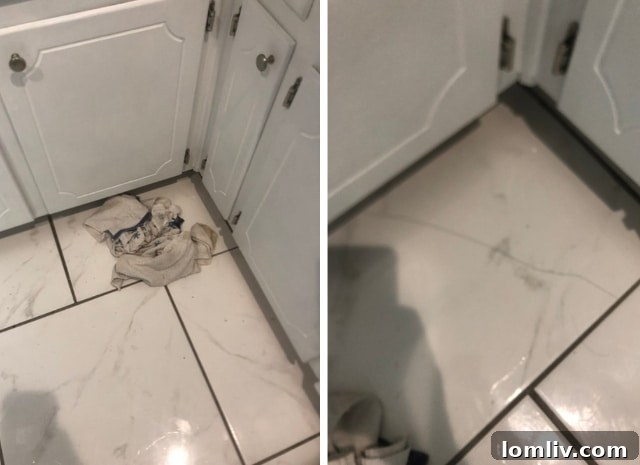
Take, for instance, the scenario depicted by the image: a strategically placed pile of rags attempting to conceal a cracked tile. While the rags might momentarily hide the unsightly damage, the underlying cause, likely foundation movement, continues unchecked. Cracked tiles are often a telltale sign of structural shifts, which can manifest in other areas like wall cracks, misaligned doors and windows that stick or don’t close properly, and uneven floors. Ignoring these indicators will not make the problem disappear; instead, it will likely escalate, leading to more extensive and costly repairs down the line, potentially compromising the structural integrity of your entire home.
This principle applies to a myriad of other common household issues. A dripping faucet, while seemingly minor, can waste gallons of water and, if left unaddressed, can lead to severe water damage, mold growth, and increased utility bills. A small roof leak, easily dismissed, can slowly rot wooden structural components, damage insulation, and create perfect conditions for mold and mildew to thrive, leading to significant health hazards and expensive structural repairs. Similarly, neglected HVAC systems can develop inefficiencies, leading to higher energy consumption and premature breakdowns. Electrical issues, no matter how minor, always carry the risk of fire and should be addressed immediately by a qualified professional.
Embracing a proactive approach to home maintenance means regularly inspecting your property for potential problems, understanding that early detection and swift action are your best defenses against escalating costs and safety risks. Schedule routine professional inspections, and make it a habit to address any red flags you notice, no matter how small. Consulting with experts for issues like foundation problems or persistent leaks can save you immense headaches and financial strain in the long run. By dealing with problems head-on, you safeguard your investment, ensure your family’s safety, and maintain the comfort and longevity of your home.
4. Purge All Forms of Toxicity: For a Healthier Home and Life
Just as neglecting physical problems can lead to structural damage, allowing environmental “toxicity” to fester in your home can significantly impact your health and well-being. This resolution extends beyond visible dirt to unseen threats that compromise your living environment. If you’re battling a pest infestation, simply buying traps and forgetting about them is a losing strategy. Traps may catch a few invaders, but they rarely address the root cause of the problem, such as entry points, food sources, or water access. Pests like cockroaches, rodents, and even ants can carry diseases, trigger allergies, contaminate food preparation areas, and cause structural damage by gnawing on wires or wood. You must identify and seal entry points, eliminate food and water sources, and, if necessary, seek professional extermination to truly eradicate the problem. Moreover, if your house is on the market, imagine the revulsion of a potential buyer discovering a full pest trap – it’s a definite turn-off and a red flag for deeper issues.
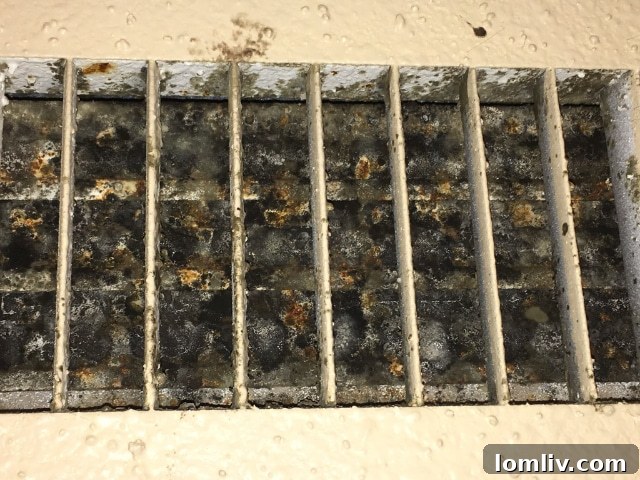
Another often-overlooked source of toxicity lies within your home’s air quality, particularly evident in neglected HVAC systems. If your air vents resemble the ones pictured above—caked with dust, debris, and grime—you are literally breathing in this unfiltered concoction every day. These vents recirculate not just air, but also allergens, dust mites, pet dander, mold spores, bacteria, and volatile organic compounds (VOCs). Consistently breathing in such contaminated air can lead to a host of health issues, including respiratory problems, exacerbated allergies and asthma, headaches, and general fatigue. It also makes your HVAC system work harder, reducing its efficiency and lifespan while increasing your energy bills.
The solution involves proactive maintenance: regularly change your HVAC filters (every 1-3 months, depending on usage and household conditions), and consider having your ducts professionally cleaned, especially if you’ve recently moved into an older home, completed renovations, or have pets. Improving ventilation, using exhaust fans in kitchens and bathrooms, and incorporating air purifiers can also significantly enhance indoor air quality. Beyond pests and air quality, this resolution encourages a broader purge of anything that undermines the health and safety of your home: dispose of old, hazardous chemicals properly, ensure adequate carbon monoxide and smoke detection, and address any potential sources of mold growth promptly.
Just as in life, problems that are allowed to fester unchecked in your home can become genuinely toxic, impacting not only your physical health but also your peace of mind and the overall quality of your living environment. By confronting these issues head-on, you create a cleaner, safer, and truly healthier sanctuary for yourself and your loved ones.
A solid plan, coupled with dedication, is the most effective way to accomplish all of your goals in the new year. By committing to these home resolutions—decluttering, embracing energy efficiency, tackling problems proactively, and purging toxicity—you’re not just improving a structure; you’re investing in a higher quality of life. These steps will not only enhance your daily comfort and safety but also significantly boost your home’s value and appeal, whether you plan to sell or simply enjoy your space more fully. Here’s to a happier, healthier, and more vibrant New Year, beginning right within the walls of your home!