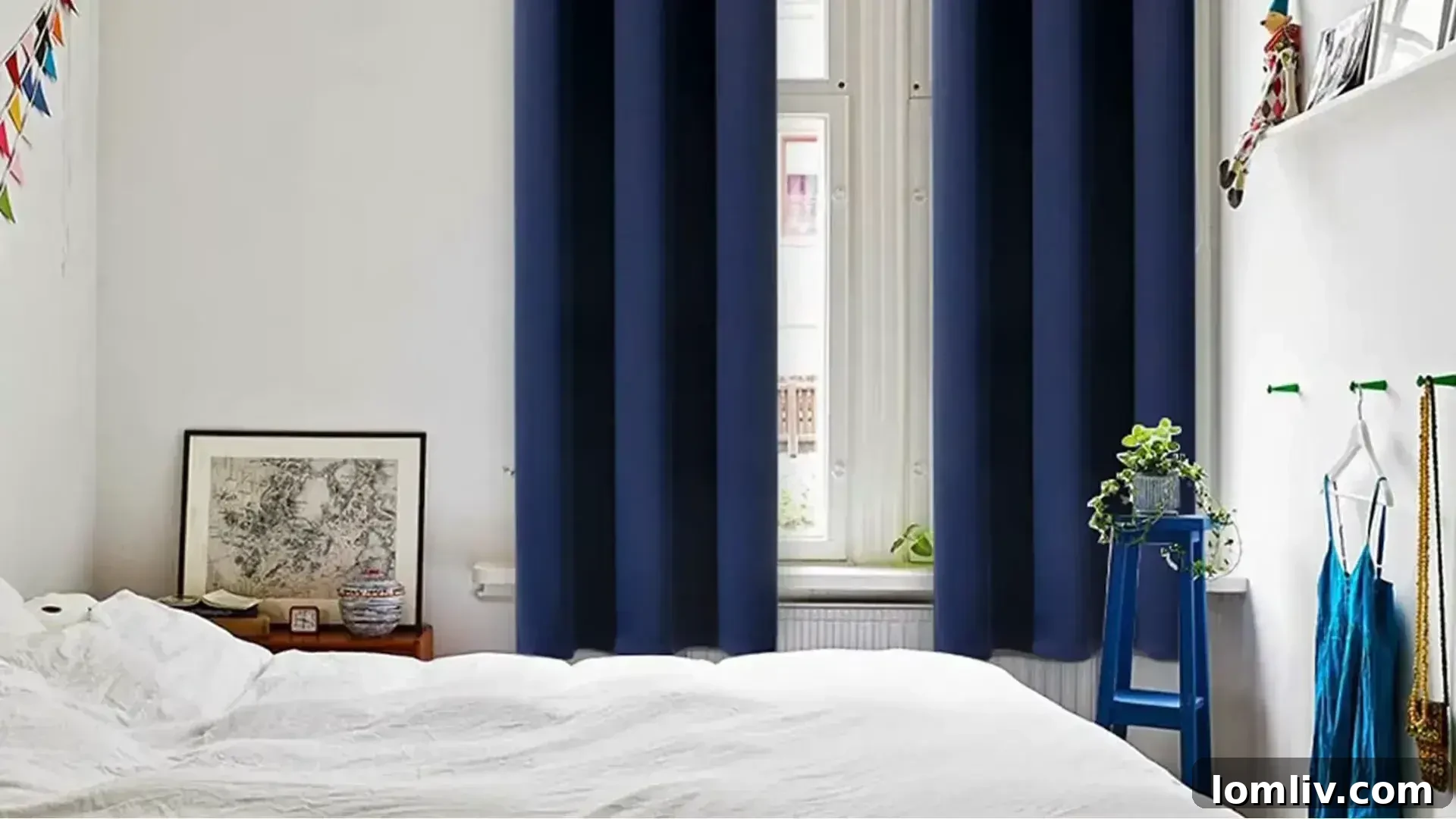
As winter approaches, homeowners worldwide seek effective ways to maintain warmth, reduce energy consumption, and create a cozy atmosphere indoors. Among the myriad of solutions, thermal curtains stand out as a highly practical and cost-efficient option. Far beyond mere decorative elements, these specialized window treatments are engineered to provide superior insulation, acting as a crucial barrier against the biting cold outside while trapping precious warmth within your living spaces. This guide delves into the science, benefits, and practical considerations of using thermal curtains, helping you make an informed decision for a more comfortable and energy-efficient home this winter and beyond.
Indeed, thermal curtains are exceptionally effective during the colder months. Their unique design creates an additional layer of insulation at your windows, which are often significant points of heat loss in any home. By effectively blocking cold drafts from entering and preventing internal warmth from escaping, thermal curtains play a pivotal role in reducing your energy consumption. This translates directly into lower heating bills and a consistently more comfortable indoor environment. If you’re looking to enhance your home’s thermal performance, especially around drafty windows or in rooms that struggle to retain heat, investing in quality thermal curtains is a smart choice that combines practicality with aesthetic appeal.
Understanding the Science: How Do Thermal Curtains Work?
The effectiveness of thermal curtains lies in their ingenious multi-layered construction, specifically engineered to combat heat transfer through windows. Unlike standard curtains, thermal varieties typically feature several distinct layers, the most critical of which is a dense, insulating thermal lining. This lining is often made from materials like acrylic foam or thick polyester, designed to create a substantial barrier.
Windows are notorious for being weak points in a home’s thermal envelope. Heat naturally moves from warmer areas to colder ones through three primary mechanisms: conduction, convection, and radiation. Thermal curtains are designed to mitigate all three. The thick fabric and multiple layers significantly reduce conduction, meaning less heat can pass directly through the curtain material. More importantly, they create an air pocket between the curtain and the windowpane. This trapped layer of air acts as an additional insulator, slowing down convection – the transfer of heat through air currents. Cold air attempting to enter is blocked, while warm air trying to escape is contained. Furthermore, some thermal linings incorporate reflective properties that can bounce radiant heat back into the room, further enhancing their insulating capabilities. This combined action effectively retards heat loss, making your rooms noticeably warmer and more comfortable, even on the chilliest winter days.
Key Benefits of Thermal Curtains in Cold Weather
The advantages of integrating thermal curtains into your home extend far beyond just warmth, offering a holistic improvement to your living environment, particularly during the colder seasons.
Significant Energy Savings and Reduced Heating Costs
One of the most compelling reasons to choose thermal curtains is their direct impact on your energy bills. By forming a powerful insulating barrier at your windows, they drastically reduce the amount of heat lost through glass panes and window frames. This means your heating system doesn’t have to work as hard or as often to maintain your desired indoor temperature. Studies suggest that thermal curtains can help reduce heat loss by up to 25%, translating into substantial savings on your monthly heating costs over the winter months. This makes them a wise investment that quickly pays for itself.
Enhanced Indoor Comfort and Coziness
Beyond the financial benefits, thermal curtains dramatically improve the overall comfort of your home. They effectively block those unwelcome cold drafts that often permeate traditional windows, eliminating chilly spots near windows and making every corner of your room feel uniformly warm and inviting. Imagine sitting by a window without feeling a constant cold current – that’s the comfort thermal curtains provide. Their ability to maintain a more consistent indoor temperature contributes to a truly cozy and pleasant living space.
Effective Noise Reduction
The thick, multi-layered fabric of thermal curtains isn’t just great for insulation; it’s also excellent at dampening sound waves. This provides an added benefit of noise reduction, making your indoor environment quieter and more peaceful. Whether you live on a busy street, near noisy neighbors, or simply desire a more serene home, thermal curtains can help muffle external sounds, contributing to a calmer atmosphere conducive to relaxation, work, or sleep.
Improved Privacy and Light Control
Due to their thick construction and often blackout lining, thermal curtains offer superior privacy compared to standard drapes. They prevent outsiders from peering into your home, especially at night when interior lights are on. Additionally, this thickness provides excellent light control, allowing you to effectively block out unwanted light, ideal for bedrooms, media rooms, or simply when you need to reduce glare.
Protection Against UV Rays
While often associated with winter, thermal curtains also offer year-round protection. Their dense fabric blocks harmful ultraviolet (UV) rays from penetrating your home. UV radiation can cause furniture, flooring, artwork, and even photographs to fade and deteriorate over time. By installing thermal curtains, you’re not only insulating your home but also safeguarding your valuable interior furnishings from sun damage, extending their lifespan and preserving their appearance.
Thermal Curtains: A Superior Window Insulation Choice?
When considering window insulation options, thermal curtains offer a compelling blend of cost-effectiveness, flexibility, and ease of installation that often sets them apart from other alternatives.
Cost-Effectiveness Compared to Permanent Solutions
Compared to significant home renovation projects like installing double-glazing or replacing entire windows, thermal curtains represent a dramatically more affordable investment. While double-glazing provides excellent, permanent insulation, the upfront cost can be prohibitively high for many homeowners. Thermal curtains, on the other hand, offer a highly effective insulation solution at a fraction of the price, making them an accessible choice for those on a tight budget or looking for an immediate impact without a major overhaul.
Ease of Installation and Flexibility
Another significant advantage is their ease of installation. Most thermal curtains can be hung by anyone with basic DIY skills and standard curtain rods, requiring no professional help or specialized tools. This is a stark contrast to window films, which, while also less expensive than full window replacement, are often tricky to apply without bubbles or wrinkles and are typically a semi-permanent attachment to the glass. Thermal curtains offer unparalleled flexibility: you can easily open them during sunny winter days to harness natural solar warmth or close them completely at night to maximize heat retention. This ability to regulate your room’s insulation according to real-time weather conditions or personal preference is a major benefit that fixed solutions cannot offer.
Reusable and Versatile for Seasonal Adjustment
Thermal curtains are also inherently reusable and adaptable. As seasons change, you have the option to take them down and store them away during warmer months, perhaps replacing them with lighter drapes for a seasonal refresh. Then, as winter approaches again, they can be reinstalled with ease. This seasonal versatility makes them a practical and environmentally friendly choice, allowing you to adjust your home’s thermal performance as needed without permanent alterations, offering comfort in both hot and cold weather.
Aesthetic Enhancement and Complementary Use
Beyond their functional benefits, thermal curtains also contribute significantly to your home’s aesthetic appeal. Available in a vast array of colors, patterns, and styles, they can seamlessly integrate with any interior décor, adding texture and warmth to a room. Furthermore, they can be used in conjunction with other insulation methods, such as existing blinds or even double-glazed windows, to provide an extra layer of comfort and energy savings, proving their adaptability in diverse home settings.
How to Choose the Right Thermal Curtains for Winter
Selecting the ideal thermal curtains involves more than just picking a color; it requires careful consideration of several key factors to ensure maximum effectiveness and satisfaction.
Material and Construction Quality
The insulating power of a thermal curtain primarily stems from its material and construction. Look for curtains made from thick, dense fabrics such as heavy polyester, velvet, suede, or cotton blends. Crucially, ensure they incorporate a dedicated thermal lining, which is often an acrylic foam layer or multiple layers of fabric. Some advanced thermal curtains may even feature a vapor barrier or reflective layer. The heavier and denser the fabric, the better its insulating properties will generally be. Always check the product specifications for details on insulation ratings or thermal properties.
Accurate Sizing for Optimal Coverage
Proper sizing is paramount for thermal curtains to perform effectively. They must be large enough to completely cover the entire window frame, extending several inches beyond the casing on all sides (top, bottom, and sides). This overlap is essential for blocking drafts and minimizing gaps where heat can escape or cold air can enter. For length, curtains that just skim the floor or pool slightly on it offer the best insulation, creating a more complete seal. Measure your windows carefully before purchasing, considering both width and length, and remember to account for the curtain rod’s placement.
Color and Style Considerations
While insulation is the primary goal, the aesthetic appeal of your curtains should not be overlooked. Darker colors tend to absorb more solar heat during the day, which can be beneficial in winter if you open them when the sun is out. However, choose a style and color that complements your existing home décor and personal taste. Thermal curtains are available in a wide range of designs, from classic solids to textured patterns, ensuring you can find an option that is both functional and visually appealing.
Header Type and Installation Hardware
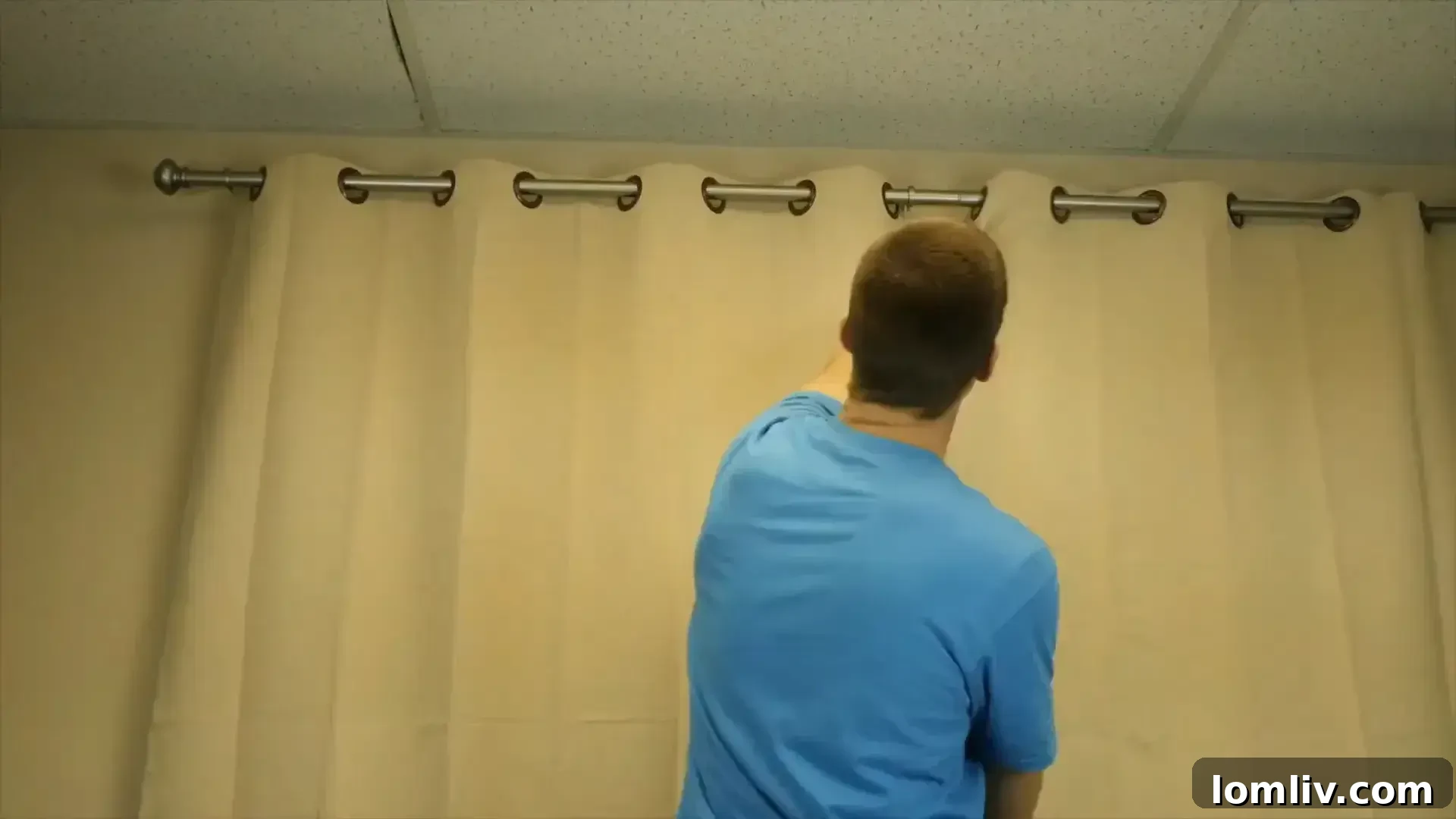
The curtain’s header type (e.g., grommet, rod pocket, pinch pleat) can influence how well it seals against the window. Grommet tops, for instance, can sometimes allow more air circulation around the rod. Consider an appropriate curtain rod that extends beyond the window frame, allowing the curtains to stack neatly to the sides without obstructing the window and creating a tight seal when closed. Heavy-duty rods are recommended to support the weight of thick thermal curtains.
Maximizing the Effectiveness of Your Thermal Curtains
To get the most out of your thermal curtains and achieve optimal energy savings and comfort, consider these practical tips:
- Embrace the Day-Night Cycle: Develop a routine of closing your thermal curtains at dusk and throughout the night. This traps the heat accumulated during the day inside your room and provides a robust barrier against the plummeting nighttime temperatures. During sunny winter days, open them wide to allow natural sunlight to stream in and passively warm your space. This strategy intelligently utilizes both insulation and solar gain.
- Ensure a Snug Fit: For thermal curtains to work best, they need to fit snugly against the window frame. Minimize gaps around the edges where cold air can sneak in. Consider using Velcro strips, magnetic tape, or even tension rods on the sides to create a tighter seal against the wall, further enhancing their draft-blocking capabilities. The closer the curtain is to the window, the more effective the trapped air layer will be.
- Utilize Layering: For an extra boost of insulation, consider layering your thermal curtains with other window treatments. Pairing them with insulated blinds, shades, or even a sheer curtain can create multiple air pockets and significantly improve your window’s overall R-value (a measure of thermal resistance). This multi-layered approach is particularly effective for very old or single-pane windows.
- Regular Maintenance: Keep your thermal curtains clean and well-maintained. Dust and dirt can slightly reduce their efficiency over time, and a clean curtain hangs better and looks more appealing. Always follow the manufacturer’s care instructions, as cleaning methods can vary depending on the material and lining.
Can Thermal Curtains Be Used Year-Round? Absolutely!
One of the most appealing aspects of thermal curtains is their versatility and ability to provide benefits far beyond the winter months. While they excel at trapping heat indoors during cold weather, their insulating properties work in reverse during summer, making them a truly year-round energy-saving solution.
In summer, thermal curtains are highly effective at blocking solar heat gain. When closed during the hottest parts of the day, especially on windows that receive direct sunlight, they prevent the sun’s intense rays from penetrating your home and raising indoor temperatures. This significantly reduces the workload on your air conditioning system, allowing it to run less frequently and at a lower intensity. The result? Cooler indoor environments, greater comfort, and noticeable reductions in your electricity bills. Their ability to maintain a consistent temperature, whether it’s keeping warmth in or heat out, underscores their value as a smart investment for comprehensive home climate control throughout all seasons.
FAQs About Thermal Curtains and Winter Insulation
Here are some frequently asked questions to help you better understand and utilize thermal curtains for optimal winter insulation:
1. How much can thermal curtains realistically save on heating bills?
While savings can vary based on factors like window type, climate, and existing insulation, homeowners can typically expect to save between 10% to 25% on their heating costs by effectively using thermal curtains. This reduction is primarily due to minimizing heat loss through windows.
2. Do thermal curtains completely block all cold drafts?
Thermal curtains provide an exceptionally effective extra layer of insulation, significantly reducing and often eliminating noticeable cold drafts from windows. While they won’t make a poorly sealed window perfectly airtight, they create a substantial barrier that dramatically lessens cold air penetration and improves indoor comfort.
3. Are thermal curtains particularly useful in older homes?
Yes, absolutely! Thermal curtains are especially beneficial for older homes, which often feature single-pane windows or less efficient window frames. In these properties, where heat loss through windows can be substantial, thermal curtains offer an immediate and cost-effective way to boost insulation and improve thermal performance without needing major renovations.
4. Can thermal curtains be used in conjunction with other insulation methods?
Yes, they can and often should be! Thermal curtains can complement other insulation methods such as window films, insulated blinds, or even over existing double-pane windows to provide an extra layer of defense against temperature fluctuations. Layering window treatments can create even more effective air pockets and enhance overall thermal resistance.
5. How do I properly care for and clean my thermal curtains?
Most thermal curtains are designed for easy care, with many being machine washable on a gentle cycle. However, it is crucial to always follow the specific manufacturer’s care instructions provided with your curtains. Some materials or specialized linings may require dry cleaning or spot cleaning to preserve their integrity and insulating properties.
6. Do thermal curtains also offer blackout capabilities?
Many thermal curtains are also designed with blackout properties due to their thick, multi-layered construction. While not all thermal curtains are blackout, a significant number offer excellent light-blocking capabilities, which is an added benefit for bedrooms or any room where light control is desired.
7. Are there different styles and designs available for thermal curtains?
Yes, the market offers a wide array of thermal curtain styles, colors, and patterns. You can find options ranging from traditional solids to contemporary designs, ensuring that you can choose curtains that not only provide superior insulation but also perfectly complement your home’s interior décor and personal aesthetic.
8. What’s the difference between thermal and blackout curtains?
While there’s often overlap, their primary functions differ. Thermal curtains are designed first and foremost for insulation (blocking heat transfer), though they often block light. Blackout curtains are primarily designed to block light completely, though their thick fabric usually offers some thermal benefits as well. If insulation is your main goal, ensure the product is specifically marketed as “thermal” or “insulated.”
9. Do they work on all window types, including patio doors?
Yes, thermal curtains can be adapted for most window types, including standard windows, bay windows, and even sliding glass or patio doors. For larger openings like patio doors, you’ll need wider and longer panels, often requiring specialized tracking systems or multiple panels to ensure full coverage and effective insulation.
10. How long do thermal curtains typically last?
With proper care and maintenance, high-quality thermal curtains can last for many years, often between 5 to 10 years or even longer. Their durability makes them a long-term investment in your home’s energy efficiency and comfort.
Conclusion
Thermal curtains represent an exceptionally effective, affordable, and versatile solution for winter insulation. By creating a powerful barrier against heat loss and cold drafts, they significantly enhance indoor comfort, maintain warmer living spaces, and lead to substantial reductions in heating costs. Beyond their winter benefits, their year-round utility in blocking summer heat makes them an invaluable addition to any home striving for greater energy efficiency and climate control.
Investing in thermal curtains is a smart, practical decision that pays dividends in both financial savings and an improved quality of life. As you prepare your home for the colder months, considering thermal curtains is a reasonable and intelligent step towards creating a more sustainable, comfortable, and energy-efficient living environment for you and your family.