Revolutionizing Property Showings: The Ultimate Open House Experience with a Home Roller Coaster
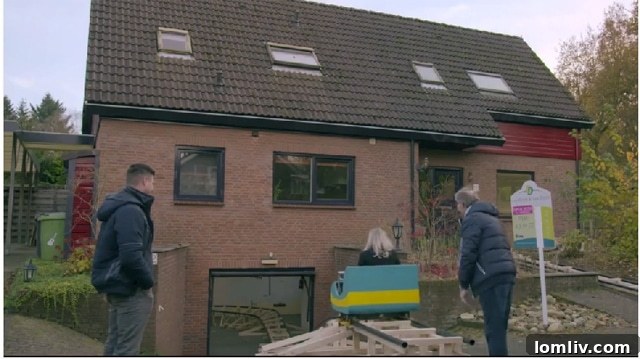
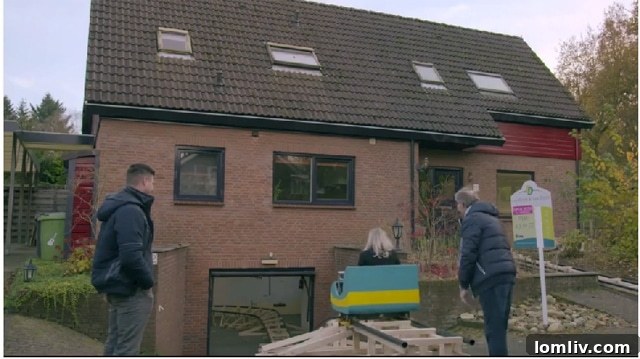
In the highly competitive world of real estate, standing out from the crowd is crucial. From traditional tactics like freshly baked cookies enticing potential buyers with warm aromas to more modern virtual tours, real estate agents and homeowners are constantly seeking innovative ways to captivate an audience. However, few ideas have managed to spark as much intrigue and discussion as the concept of installing a personal roller coaster within a property specifically for open house viewings. This ingenious, albeit unconventional, strategy by a Dutch homeowner promises not just a viewing, but an unforgettable experience, redefining what it means to tour a property.
Imagine stepping into an open house, not to a conventional walk-through, but to an exhilarating ride that whisks you through every corner of a sprawling estate. This is precisely the vision brought to life by a resourceful homeowner in the Netherlands, who integrated a compact, custom-built roller coaster system into his country home. The primary goal? To draw unprecedented attention to the listing while simultaneously addressing common challenges associated with traditional open houses. This bold move isn’t just a marketing gimmick; it’s a statement about pushing the boundaries of real estate promotion and creating a truly immersive and memorable property viewing experience.
The Challenges of Traditional Open Houses and the Need for Innovation
Open houses have long been a cornerstone of real estate marketing, offering potential buyers a chance to physically step into a home and envision their future. Yet, this traditional method comes with its own set of significant challenges for sellers and agents alike. Security is often a primary concern; homeowners worry about valuables, prescription medications, or personal documents being exposed to a stream of strangers. The sheer volume of foot traffic can also lead to wear and tear, with dirt being tracked through pristine carpets and scuffs appearing on freshly painted walls. Furthermore, managing large groups of visitors, including unruly children, can detract from the serene ambiance sellers strive to create.
Beyond these practical issues, traditional open houses can often lack a certain “wow” factor, especially for luxury properties or homes with expansive layouts. Walking through a large estate can be time-consuming and, for some, even tiring. Buyers might rush through certain sections or miss key architectural details in their haste. In a market saturated with similar listings, the mundane experience of a typical open house can fail to leave a lasting impression, making it difficult for a property to truly stand out. This growing need for differentiation has fueled a search for more engaging and efficient ways to showcase homes, setting the stage for radical innovations like the in-house roller coaster.
The Roller Coaster Solution: A Multitude of Benefits for Property Showings
The concept of a home roller coaster for open houses addresses many of these longstanding challenges with an ingenious, albeit extreme, solution. Firstly, it offers an unparalleled level of security. With visitors seated in a continuously moving car, the opportunity for lingering or pilfering is virtually eliminated. Items remain untouched, providing homeowners with peace of mind during showings. This non-stop motion ensures that guests are engaged in the tour, rather than being distracted by the potential for mischief.
Secondly, the roller coaster significantly mitigates issues of cleanliness and wear and tear. Visitors remain contained within the coaster car, preventing dirt and grime from being tracked through the house. There’s no worrying about scuff marks on floors, fingerprints on banisters, or damage caused by curious, unsupervised children. This preserves the home’s immaculate condition, allowing its true beauty to shine without the negative impact of heavy foot traffic.
From an efficiency standpoint, especially for vast estates, a roller coaster tour is remarkably effective. Instead of a lengthy and potentially tiring walk, guests are smoothly and swiftly guided through the property, ensuring they experience every significant room and architectural highlight. This speedy yet comprehensive tour can cover a large area in a fraction of the time, making the viewing process more enjoyable and less arduous for potential buyers. It transforms what could be a chore into an exciting adventure, leaving a lasting positive memory.
Unforgettable Engagement and Viral Marketing Potential
Perhaps the most compelling benefit of this innovative approach is its ability to generate immense engagement and serve as a powerful marketing tool. A home roller coaster isn’t just a tour; it’s an experience. It’s a talking point, a story, and an immediate source of viral content. In an age dominated by social media, such a unique spectacle guarantees widespread attention. Images and videos of potential buyers gliding through a home on a roller coaster would inevitably spread like wildfire across platforms, garnering millions of views and attracting interest far beyond typical real estate channels. This “free marketing” is invaluable, providing unparalleled exposure for the property and positioning it as an extraordinary listing.
The sheer novelty factor alone is enough to draw significant traffic. People will come not just to see the house, but to witness and partake in this unprecedented viewing method. This influx of visitors, even if some are simply “aiming for free rides,” translates into increased visibility for the property. Each rider becomes an ambassador, sharing their unique experience and further amplifying the buzz around the listing. This strategy effectively turns the open house into an event, creating a memorable brand for the property itself.
Practicality, Feasibility, and Considerations for a Home Roller Coaster
While the concept is undeniably captivating, implementing a home roller coaster for open houses comes with significant practical considerations. The initial cost of design, fabrication, and installation of such a custom system would be substantial, likely running into hundreds of thousands of dollars, if not more. This investment would need to be weighed against the potential return, making it a viable option primarily for ultra-luxury properties where such an expenditure can be justified by an expected higher sale price or quicker transaction.
Space requirements are another crucial factor. This innovative tour method is clearly not suitable for every home. It demands expansive properties with large open areas or adaptable layouts that can accommodate a track system without compromising the home’s aesthetic or structural integrity. Country homes, grand estates, or properties with unique architectural designs are the most likely candidates for such an elaborate setup. Furthermore, the installation process itself would be complex and disruptive, requiring significant planning and potentially temporary relocation for the homeowners.
Safety and regulatory compliance would be paramount. Engineering expertise would be required to design a system that meets stringent safety standards. Permitting, liability insurance, and regular maintenance checks would be ongoing necessities, similar to commercial amusement park rides, but adapted for a residential setting. These factors add layers of complexity and cost that extend beyond the initial build, highlighting the specialist nature of such an endeavor.
Who is this Innovative Approach Really For?
This extreme marketing strategy is not universally applicable. It caters primarily to the high-end luxury real estate market, where properties often boast unique features and extensive grounds. Sellers of such prestigious homes who are looking to create an unparalleled buzz and attract affluent, tech-savvy buyers might find this investment worthwhile. It targets a niche demographic that appreciates innovation, exclusivity, and a truly experiential approach to luxury living. For a property that demands to be seen as a one-of-a-kind masterpiece, a roller coaster tour aligns perfectly with that brand image.
However, it’s also important to consider accessibility. While thrilling for many, a roller coaster might not be suitable for all potential buyers. Elderly visitors, individuals with mobility challenges, very young children, or those prone to motion sickness might be unable or unwilling to participate. An alternative viewing option would need to be available to ensure inclusivity for all interested parties, preventing any segment of the market from being alienated.
Beyond the Gimmick: The Future of Real Estate Marketing and Experiential Viewings
While a home roller coaster might seem like an outlandish gimmick, it serves as a powerful illustration of the evolving landscape of real estate marketing. It underscores a fundamental shift towards experiential viewings and the relentless pursuit of differentiation in a crowded market. Today’s agents and sellers are increasingly embracing advanced technologies and creative strategies to capture buyer attention, from high-definition virtual reality (VR) tours that allow immersive exploration from anywhere in the world, to drone footage offering breathtaking aerial perspectives, and augmented reality (AR) apps that let buyers visualize furniture within an empty space.
The roller coaster concept, extreme as it is, embodies this spirit of innovation. It reminds us that buyers aren’t just looking for a house; they’re looking for a home, a lifestyle, and an experience. Real estate marketing is no longer just about showcasing features; it’s about telling a story, evoking emotions, and creating a memorable connection between the buyer and the property. Whether through virtual reality headsets, personalized property narratives, or even an actual roller coaster, the goal remains the same: to create a “wow” factor that resonates deeply and leaves an indelible impression.
What can be learned from this bold Dutch homeowner is the importance of thinking outside the box. While not every property owner will, or even should, install an indoor amusement ride, the underlying principle of creating a truly unique and engaging viewing experience is universally applicable. It encourages other agents and sellers to consider how they can add an element of surprise, delight, or innovation to their own open houses, even if it’s on a smaller, more conventional scale. The market rewards creativity, and those willing to push boundaries often reap the greatest rewards in terms of visibility and successful sales.
Conclusion: An Exhilarating Glimpse into Real Estate’s Creative Future
The Dutch homeowner’s decision to install a personal roller coaster for open house viewings is more than just a quirky anecdote; it’s a profound statement on the lengths to which sellers will go to distinguish their properties in an increasingly competitive market. This groundbreaking approach offers a unique blend of security, efficiency, and sheer entertainment, turning a routine property tour into an exhilarating adventure. It effectively minimizes common open house woes while maximizing publicity and engagement, demonstrating an unparalleled commitment to innovative marketing.
While such an extravagant undertaking may only be feasible for a select few luxury properties, the underlying message resonates with all real estate professionals: the future of property showcasing lies in creating unforgettable experiences. Whether through advanced technology or audacious physical installations, the goal remains to captivate, impress, and leave a lasting impression that transcends the conventional. This home roller coaster serves as a powerful reminder that in real estate, sometimes the most imaginative ideas are the ones that truly move the market, literally and figuratively.