

By Brenda Masse
Special Contributor
Spring into Action: The Ultimate Home Maintenance Checklist for a Fresh Start
As the chill of winter recedes and the vibrant colors of spring emerge, it’s not just nature that’s ready for a renewal—your home is too. Seasonal transitions bring specific wear and tear, making the shift from winter to spring an opportune moment for essential home maintenance. This isn’t just about aesthetics; it’s about safeguarding your investment, preventing costly repairs, enhancing energy efficiency, and ensuring your living space remains a safe and comfortable sanctuary for you and your family.
Winter often leaves behind a trail of hidden issues, from weary HVAC systems to clogged gutters and dormant landscaping needs. A proactive approach to spring home maintenance allows you to address these concerns head-on, preparing your property for the warmer months ahead. By tackling a comprehensive checklist now, you can avoid potential headaches and expenses later, ensuring your home is in prime condition to enjoy the beautiful spring and summer seasons. Let’s delve into the crucial areas of your home that deserve a spring tune-up.
Reclaiming Your Space: The Importance of Actual Spring Cleaning and Decluttering
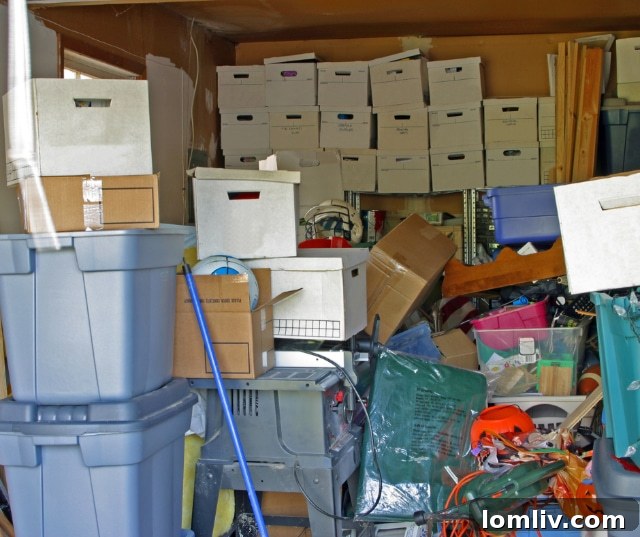
One of the most impactful ways to kickstart your spring home maintenance is by tackling disorganized storage areas. Spaces like your garage, attic, basement, or even utility closets often become dumping grounds for forgotten items, making it nearly impossible to inspect crucial home systems. A chaotic storage environment doesn’t just hinder accessibility; it poses significant risks to your home’s safety and your family’s health.
Piles of boxes, old clothes, stacks of papers, and miscellaneous items create an irresistible haven for pests. Rodents, insects, and other unwanted critters are drawn to clutter, seeking shelter and nesting materials. Beyond pests, undetected spills or leaks can go unnoticed amidst the disarray, leading to mold growth, mildew, and structural damage that can be expensive to remediate. Furthermore, excessive clutter presents a serious fire hazard, obstructing escape routes and fueling potential fires. Imagine needing quick access to a panel box during an emergency, only to find it buried under years of accumulated possessions.
Therefore, organizing and decluttering your storage spaces is more than just tidying up; it’s a critical step in your spring checklist. Begin by sorting through items using a “keep, donate, toss, or relocate” system. Invest in proper storage solutions such as shelving units, clear bins, and labels to maximize space and ensure everything has its designated place. This process not only improves safety and hygiene but also makes future inspections and maintenance tasks much simpler, giving you peace of mind and reclaiming valuable space in your home.
Outdoor Water Fixture Inspection: Preventing Leaks and Conserving Resources
With spring’s arrival, gardens come to life, and outdoor water usage typically increases. Before you start watering your plants or washing your car, it’s imperative to conduct a thorough inspection of all your outdoor water fixtures. Winter’s freezing temperatures can wreak havoc on plumbing, leading to cracks, loose connections, or weakened seals that might not be immediately apparent. A quick check at the start of the season can save you from significant water waste and potential property damage.
Start by examining all hose bibs (outdoor spigots) for drips or leaks. Turn them on to full pressure and carefully observe if any water escapes from the handle or where the spigot connects to the house. If you notice persistent dripping even when the tap is closed, the washer might need replacement. Next, inspect your garden hoses; look for visible cracks, bulges, or signs of wear and tear. Ensure all hose connections are tight and leak-free. Pay attention to any outdoor plumbing pipes that might be exposed, checking for corrosion or frost damage. Even small, seemingly insignificant leaks can contribute to considerable water loss over time, leading to higher utility bills and potentially saturating the soil around your foundation, which can cause structural issues.
This routine inspection also helps in identifying any residual issues from improper winterization. By addressing these minor problems early, you prevent them from escalating into major plumbing emergencies, ensuring efficient water use and contributing to water conservation efforts.
Optimizing Your Lawn Care: A Thorough Sprinkler System Check
For homeowners with an irrigation system, spring marks the time to bring it back to life after its winter dormancy. A properly functioning sprinkler system is essential for maintaining a healthy, vibrant lawn and garden while also ensuring efficient water usage. Winter can be tough on sprinkler components, causing heads to become misaligned, clogged, or even broken. Neglecting your sprinkler system can lead to uneven watering, dead patches in your lawn, and significant water waste.
To conduct a thorough inspection, activate your sprinkler system zone by zone. As each zone runs, carefully observe every sprinkler head. Look for any heads that are not popping up correctly, are spraying in the wrong direction, are clogged with debris, or have visibly broken nozzles. Misaligned heads can waste water by irrigating sidewalks or driveways instead of your landscaping, while broken heads can create geysers that flood specific areas and deplete water pressure across the system. Also, keep an eye out for soggy patches in your lawn, which could indicate a leaking underground pipe or a faulty sprinkler head connection. Listen for unusual hissing sounds, another sign of a leak.
Adjust spray patterns and coverage as needed to ensure even distribution across your lawn and garden beds. This annual check helps maximize the efficiency of your irrigation, conserves water, and extends the lifespan of your system, ensuring your landscaping thrives throughout the warmer months. If you uncover significant issues like widespread leaks or non-functional zones, it might be time to call in a professional irrigation specialist.
Preparing for Summer: Essential AC Servicing and HVAC Maintenance
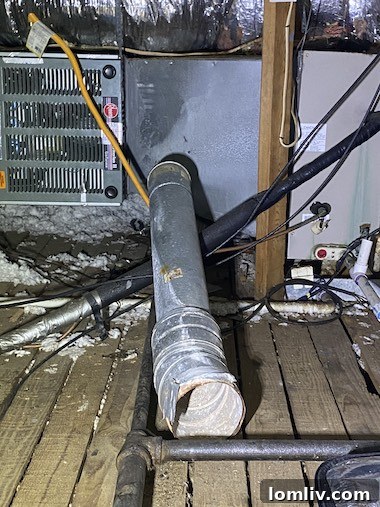
As temperatures rise, your air conditioning system will soon become indispensable. To avoid being caught off guard by a malfunctioning AC unit on the first hot day, scheduling professional HVAC service in the spring is a wise decision. This preventative maintenance is crucial not just for cooling performance but also for the longevity and efficiency of your entire heating, ventilation, and air conditioning system. Regular service helps ensure a seamless transition from heating season to cooling season.
A professional AC tune-up involves a series of critical checks and cleanings. Technicians typically inspect refrigerant levels, clean condenser and evaporator coils, check electrical connections, lubricate moving parts, and clear condensate drains. These actions ensure your system operates at peak efficiency, which directly translates to lower energy bills and a more consistent cooling experience. A clean and well-maintained system doesn’t have to work as hard, reducing wear and tear on components and significantly extending the unit’s lifespan. Furthermore, annual servicing can identify minor issues before they escalate into major, costly breakdowns, potentially saving you from uncomfortable summer days without AC and expensive emergency repairs.
Beyond efficiency and longevity, HVAC maintenance also plays a vital role in indoor air quality. Clean filters and coils prevent the circulation of dust, allergens, and mold spores throughout your home. While a professional handles the intricate components, homeowners can contribute by regularly replacing or cleaning air filters every 1-3 months, depending on usage and household conditions. This comprehensive approach ensures your home remains cool, comfortable, and healthy all summer long.
Beyond the Basics: Additional Spring Home Maintenance Tasks
While the internal and external systems mentioned above are critical, spring offers an excellent opportunity to address other aspects of your home that require attention after winter. Incorporating these into your checklist ensures a truly comprehensive approach to seasonal upkeep.
Roof and Gutter Inspection: Protecting Your Home from the Top Down
Your roof bears the brunt of winter weather, from heavy snow and ice to strong winds. Take time to visually inspect your roof from the ground (or with binoculars for safety). Look for any missing, cracked, or curled shingles that could indicate water intrusion. Pay close attention to flashing around chimneys and vents. Simultaneously, clean your gutters and downspouts. Winter debris like leaves, twigs, and granules from shingles can accumulate, leading to clogs. Clogged gutters prevent proper drainage, potentially causing water to back up, overflow, and damage your fascia, siding, or even your home’s foundation. Ensure downspouts direct water away from the foundation.
Window and Door Checks: Enhancing Energy Efficiency and Security
Inspect all windows and doors for drafts. Cold drafts in spring mean hot drafts in summer, leading to higher energy bills. Check weatherstripping and caulking around frames, replacing any that are cracked, brittle, or missing. Inspect window screens for tears or holes, repairing or replacing them to keep insects out. Clean windows thoroughly, both inside and out, to let in more natural light and improve curb appeal.
Exterior Siding and Paint: Maintaining Curb Appeal and Protection
Walk around the exterior of your home and inspect your siding or paintwork. Look for any signs of damage, such as cracks, peeling paint, or loose boards. Winter moisture can exacerbate these issues, creating entry points for water or pests. Addressing these repairs now protects your home from further deterioration and keeps it looking its best. Consider power washing your siding to remove accumulated dirt and grime, revitalizing its appearance.
Deck and Patio Care: Preparing for Outdoor Living
With warmer weather, you’ll likely spend more time outdoors. Inspect your deck or patio for any winter damage. Check wooden decks for loose boards, protruding nails, or signs of rot. Clean the surface thoroughly, and if necessary, consider re-sealing or staining to protect the wood from moisture and UV rays. For patios, sweep away debris and check for cracked pavers or uneven surfaces that could pose a tripping hazard.
Safety Device Checks: Smoke and Carbon Monoxide Detectors
While not strictly seasonal, spring is an excellent reminder to test your smoke detectors and carbon monoxide alarms. Replace batteries at least once a year, and ensure all units are functioning correctly. These devices are your first line of defense against home emergencies, providing crucial early warnings.
Conclusion: Embrace a Proactive Approach to Homeownership
Embracing a proactive approach to spring home maintenance is an investment that pays dividends throughout the year. By systematically addressing the points on this comprehensive checklist, you not only prepare your home for the changing seasons but also contribute to its longevity, safety, and efficiency. From decluttering your storage spaces to fine-tuning your HVAC system and inspecting your roof, each task plays a vital role in protecting your most valuable asset.
Regular maintenance helps prevent minor issues from escalating into expensive repairs, improves energy efficiency, enhances indoor air quality, and ultimately provides you with greater peace of mind. Make spring home maintenance a cherished annual tradition, and enjoy a comfortable, beautiful, and well-functioning home for years to come.