Unprecedented Devastation: North Texas Reeling from Post-Christmas Tornado Outbreak of 2015
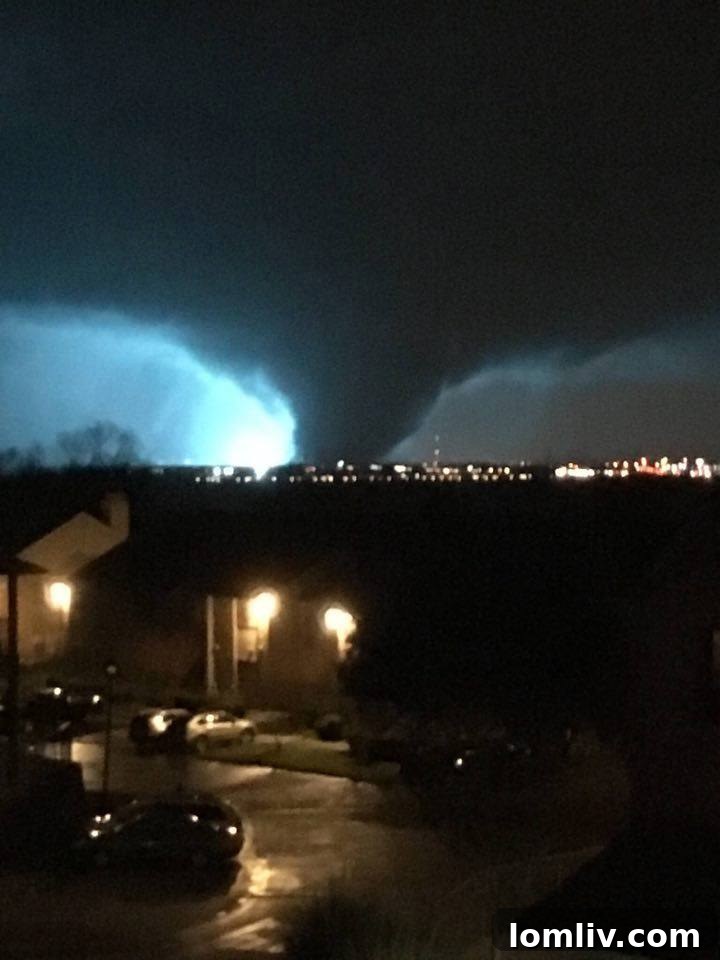
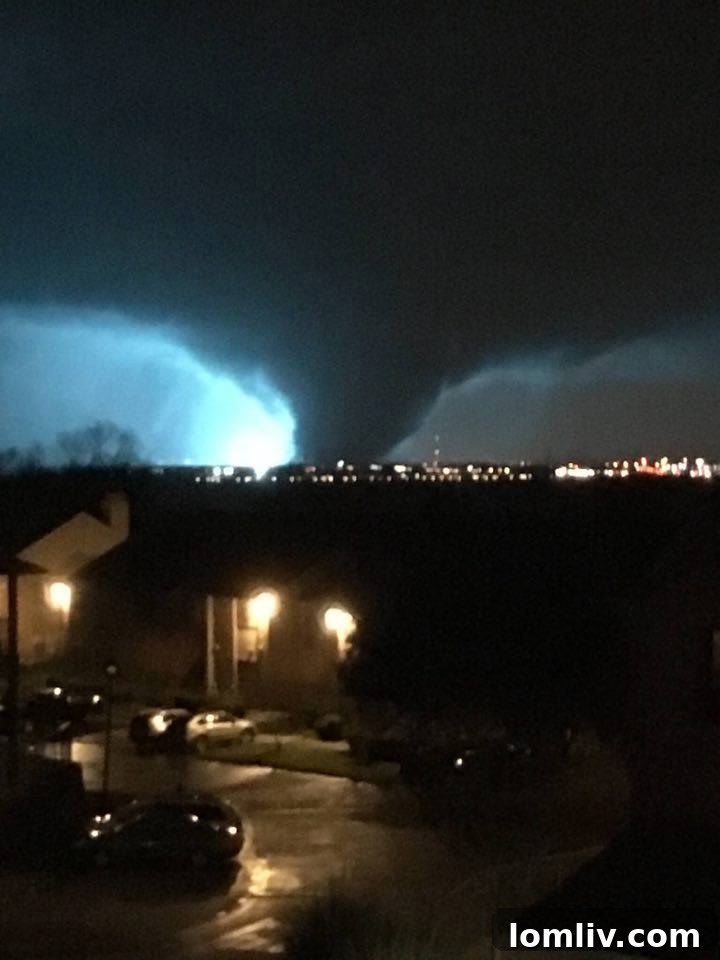
The festive cheer of Christmas 2015 was abruptly shattered in North Texas when a series of violent storms unleashed an unprecedented tornado outbreak the day after the holiday. This sudden and devastating event left a wide swath of destruction, transforming neighborhoods into scenes of immense sadness and despair. Across the region, nine separate tornadoes carved paths of chaos, claiming eleven precious lives and leaving thousands grappling with the aftermath. The sheer force of these storms, particularly the EF4 tornado that tore through Rowlett and the tragic incident in Garland, underscored the raw power of nature and the sudden vulnerability of communities.
Fury After the Festive Calm: The Meteorology Behind the Christmas Tornadoes
The meteorological conditions leading up to the December 26th, 2015 tornado outbreak were as unusual as they were catastrophic. Christmas Day itself had been unseasonably warm and tropical for North Texas, creating a false sense of mild winter comfort. However, this warmth was a precursor to disaster. A powerful cold front was rapidly advancing towards the region, meeting the unusually moist and unstable air mass that had lingered over Texas. This clash of air masses created an environment ripe for the development of severe supercell thunderstorms, which are notorious for producing long-track, violent tornadoes.
As evening fell on Saturday, December 26th, these supercells ignited, rapidly spawning multiple tornadoes across the Dallas-Fort Worth metroplex and surrounding areas. The contrast between the joyful celebrations just hours before and the ferocious winds that now ripped through homes and communities was stark, adding a layer of tragic irony to the unfolding events. This rare mid-winter severe weather outbreak served as a potent reminder that even outside of traditional tornado season, Texas remains susceptible to nature’s most destructive forces.
A Trail of Destruction: Garland, Rowlett, and Beyond
The impact of the storms was swift and brutal, leaving an indelible mark on several North Texas communities. Among the hardest hit were Garland and Rowlett, where the tornadoes demonstrated their most terrifying power. Eight of the eleven fatalities occurred in Garland, a particularly heartbreaking incident where an EF3 tornado struck Interstate 30. Drivers caught on the overpass had their vehicles tossed off like weightless toys by the cyclonic winds, a horrifying testament to the tornado’s strength. This immediate and public tragedy sent shockwaves across the region, highlighting the extreme danger faced by those on the road during such events.
The town of Rowlett bore the brunt of an even more intense storm. The Dallas Morning News reported that the Rowlett tornado was later classified as a formidable EF4, packing winds up to an astonishing 180 mph. An EF4 tornado is characterized by incredible damage, capable of leveling well-built homes, leaving only interior walls standing, and throwing cars considerable distances. This devastating vortex damaged 446 homes in Rowlett, with 101 of those declared complete losses. The sheer scale of destruction was unimaginable, transforming familiar streets into unrecognizable debris fields.
My own experience on the Dallas North Tollway that evening provided a terrifying glimpse into the storm’s immediacy. As phone alerts blared, signaling the approaching danger, I drove south, furiously trying to reach home and the safety of our shelter. The urgency and fear were palpable, a shared anxiety among thousands of residents racing against an invisible, yet immensely powerful, threat.
Beyond Garland and Rowlett, the destructive reach of the outbreak extended to other communities. In Copeville and Blue Ridge to the north, two people, including an infant, lost their lives to an EF2 tornado, which sustained winds of 125 mph. These tornadoes struck around 6:45 p.m. on that dark Saturday night, followed by pelting rain. By morning, the full extent of the damage could be assessed, only to be met with more rain, hail, and a significant drop in temperature, further complicating the initial recovery efforts and adding to the misery of those affected.
Community United: The Immediate Aftermath and Resilient Response
The dawn that followed the terrifying night revealed a landscape of profound devastation, yet it also marked the beginning of an extraordinary community response. In Rowlett, the initial assessment, completed late Sunday afternoon, confirmed the horrific statistics: 446 homes impacted, with 142 suffering minor damage, 83 major damage, and 101 completely destroyed. Despite this extensive property loss, a remarkable statistic emerged: 23 injured and zero fatalities within Rowlett itself. This outcome, given the four-mile gash the EF4 tornado carved through the southeast portion of the city of 57,000, was widely described as nothing short of miraculous.
As the immediate danger subsided, City Manager Brian Funderburk announced a crucial shift in focus: “Tomorrow, we begin moving into a different phase. Debris management.” This marked the monumental task of clearing countless tons of rubble, twisted metal, and splintered wood. It was an undertaking that would require heavy machinery, coordinated logistics, and the tireless efforts of city workers and volunteers alike, symbolizing the long road to recovery ahead.
Businesses, too, suffered significant blows. Approximately 23 establishments near the intersection of Dalrock Road and State Highway 66 sustained damage, with some facing prolonged closures. However, in a testament to community resilience, the two major grocery stores, Tom Thumb and Wal-Mart, quickly patched their roofs and reopened, providing essential services to a shaken population and a glimmer of normalcy amidst the chaos.
The immediate aftermath also brought critical infrastructure challenges. An estimated 6,000 homes, predominantly on the east side of the city, were plunged into darkness without power. As cold weather began to set in, the American Red Cross and Salvation Army swiftly established and continued to operate a shelter at Stedham Elementary, 6200 Danridge Road, offering warmth, food, and comfort to displaced residents. City officials voiced a valid concern that the restoration of entire sections of the power grid needed careful management to avoid sparking house fires in already damaged properties, highlighting the complex safety considerations involved in disaster recovery.
The outpouring of support from the wider community was immediate and overwhelming. City officials directed those wishing to contribute to the Red Cross, facilitating both online donations and in-person contributions at a site set up at 3600 Chaha Road. Additionally, several local Rowlett churches, as well as Lake Pointe Church in Rockwall, became hubs for accepting donations, channeling the generous spirit of Texans helping Texans.
Navigating Recovery: Security, Reopening, and Rebuilding
In the wake of such widespread destruction, maintaining public safety and order became paramount. A 24-hour curfew was promptly enforced across all impacted neighborhoods, restricting access to only emergency workers and residents. This measure was crucial for ensuring the safety of rescue personnel, preventing looting, and allowing critical assessment and cleanup operations to proceed unhindered.
Police Chief Mike Brodnax, while acknowledging a minor incident late Saturday, expressed confidence that looting would not be a significant problem. His statement, “We know who is in our neighborhoods,” underscored the tight-knit nature of the community and the collective watchfulness against opportunistic crime. The primary concern among law enforcement was managing the understandable “anxiety of our citizens wanting to get back into our neighborhoods,” a delicate balance between security needs and residents’ urgent desire to assess their homes and begin the recovery process.
The timeline for reopening neighborhoods and resuming normal life remained uncertain. There was no immediate estimate for when residents could fully return, or even if it would happen by January 5th, the scheduled day for school to resume at Pearson Elementary – the closest campus to the Rowlett storm’s path. Miraculously, while signs and trees near the school were broken, Pearson itself appeared intact, having narrowly escaped the direct path of the most severe damage.
Infrastructure safety was also a priority. An aging water tower located in a heavily hit area near Martha Drive was prudently drained as a precaution on Sunday and scheduled for reexamination on Monday. A 300-foot evacuation perimeter was established around the tower, though only one home within that range was still inhabited, minimizing further displacement. Encouragingly, no damage was reported to other municipal facilities beyond the water tower, ensuring that city offices would be open on Monday and garbage collection routes would run as usual in unaffected neighborhoods, providing small but significant indicators of a gradual return to functionality.
Looking Ahead: Lessons in Preparedness and the Spirit of North Texas
The sheer scale of the damage, particularly the sight of “telephone pole after telephone pole after telephone pole snapped like twigs,” as vividly described by Mayor Todd Gottel, truly brought home the incredible power of the EF4 tornado. His repeated assertion of an “absolute miracle” highlighted the remarkable fact that in Rowlett, despite such widespread devastation, no lives were lost. This outcome serves as a profound testament to the efficacy of early warning systems, community preparedness, and perhaps, a touch of extraordinary fortune.
The journey from destruction to full recovery is always a long and arduous one, involving not just physical rebuilding but also emotional healing. For the families and businesses affected, the path forward would be paved with insurance claims, contractor engagements, and the slow, painstaking process of restoring homes and livelihoods. Yet, the initial response from the North Texas community, marked by swift emergency action, generous donations, and an unwavering spirit of mutual aid, laid a strong foundation for resilience.
This unprecedented post-Christmas tornado outbreak in 2015 serves as a crucial, albeit painful, reminder of the importance of disaster preparedness. It underscores the need for robust alert systems, community-wide emergency plans, and individual household readiness. While the scars of that devastating day will undoubtedly remain, the event also showcased the incredible strength, unity, and indomitable spirit of North Texas residents, who faced unimaginable loss with courage and resolved to rebuild their communities stronger than ever.